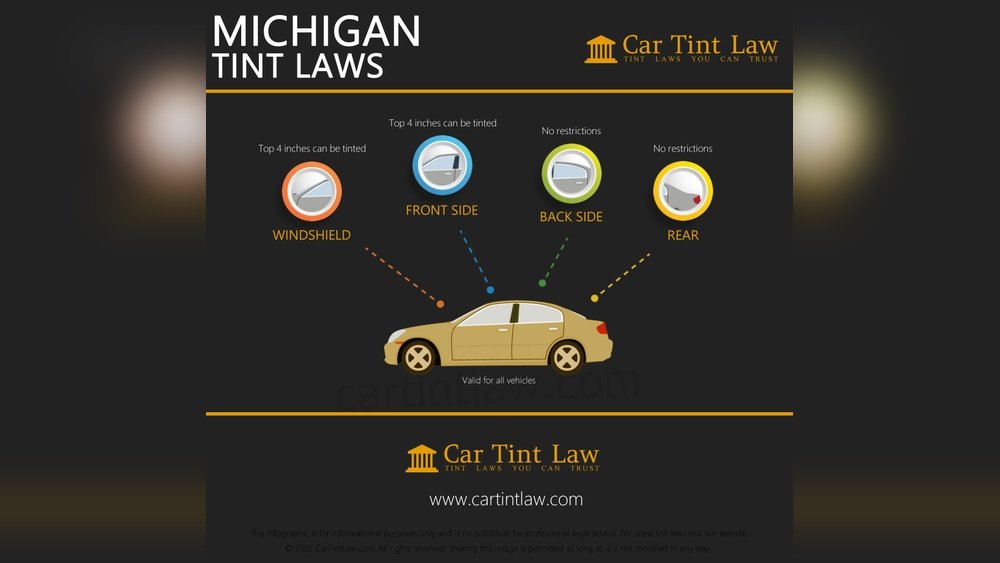
If you drive in Michigan and have tinted windows or are thinking about getting them, you need to know the state’s window tint laws. These rules can affect not only your car’s look but also your safety and whether you might get pulled over by the police.
Did you know that in Michigan, illegal window tinting is considered a primary offense? That means you can be stopped just for your tint, no other reason needed. So, it’s important that your windows meet the legal limits. You’ll discover exactly what tint levels are allowed, where you can tint your windows, and what exceptions exist—like medical exemptions.
Keep reading to protect yourself from fines and ensure your ride stays both stylish and street-legal.
Tint Limits For Front Windows
Understanding tint limits for front windows in Michigan is important for every driver. The state sets clear rules on how dark the tint can be. These rules help keep drivers safe and make sure law enforcement can see inside vehicles when needed.
Front windows include the driver and passenger side windows. Michigan law focuses on how much light must pass through these windows. This is called Visible Light Transmission (VLT).
Tint Darkness Allowed On Front Side Windows
Michigan law requires front side windows to allow more than 35% of light inside. This means the tint can block up to 65% of light. Tint darker than this is illegal on front side windows.
This limit ensures drivers can see well and police can observe inside the car. It also helps reduce glare without making the windows too dark.
Exceptions For Medical Reasons
Some drivers may apply for medical exemptions. A doctor’s note can allow darker tint on front windows for health reasons. The exemption must be approved by the state.
Without this approval, tint darker than 35% VLT is not allowed on front windows.
Consequences Of Illegal Tint On Front Windows
Police can stop and ticket drivers for illegal tint. Michigan treats illegal tint as a primary offense. This means officers can pull drivers over just for the tint.
Fines and orders to remove the illegal tint are common penalties. Staying within the legal limits avoids these problems.

Credit: kepler-dealer.com
Rules For Rear Windows
Michigan has specific rules for tinting rear windows on vehicles. These rules help keep drivers safe while allowing some privacy. Knowing these rules avoids fines and trouble with the police.
The law focuses on how dark the tint can be. It also considers what type of vehicle you have. Understanding these details helps you follow the law easily.
Permitted Darkness Level For Rear Windows
Michigan allows any darkness level on rear side windows and the rear window. There is no limit on how dark the tint can be. This rule gives drivers more freedom to choose their tint.
Darker tints help reduce glare and increase privacy. But very dark tints might reduce visibility at night. Drivers should balance tint darkness and safety.
Reflectivity Restrictions
The law does not restrict reflectivity on rear windows. This means you can use reflective or mirrored tints. Reflective tints block sunlight and provide privacy.
Still, make sure the tint does not block your view. Clear visibility is important for safe driving.
Visibility And Safety Requirements
Rear window tint must not block the driver’s view. Police check if the tint stops you from seeing clearly. Clear vision is vital for backing up and lane changes.
If your rear window is fully tinted, your vehicle must have side mirrors on both sides. These mirrors help compensate for reduced rear visibility.
Windshield Tint Restrictions
Michigan has clear rules about tinting your windshield. These rules protect drivers and passengers by keeping visibility high. Tinting the windshield too dark can block the driver’s view. This creates danger on the road.
The law limits how much tint you can place on your windshield. It allows some tint at the top only. This area is called the “AS-1 line.” It is a small strip along the top edge of the windshield.
What Is Allowed On The Windshield
Michigan law permits a tinted strip at the top of the windshield. This strip cannot extend below the AS-1 line. The tint must not reduce visibility or block the driver’s view.
The tint used here is usually called a “sun visor strip.” It helps reduce glare from the sun. This makes driving safer during bright daylight.
What Is Not Allowed On The Windshield
Tinting beyond the AS-1 line is illegal in Michigan. Dark tints that cover most of the windshield can cause traffic stops and fines. Police can pull you over if your tint blocks clear vision.
Any tint that makes it hard to see the road or other vehicles is banned. This rule keeps the road safe for everyone.
Exceptions For Medical Conditions
Michigan allows special exceptions for people with medical needs. Drivers with certain eye conditions can apply for a permit. This permit lets them use darker tint on the windshield.
To get this permit, a doctor’s note and state approval are required. This process helps balance safety with health needs.
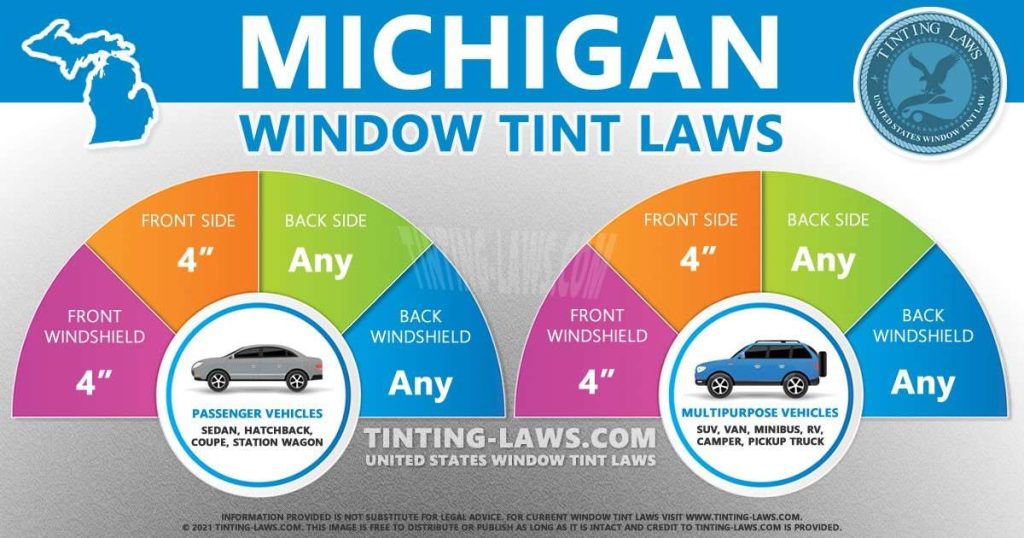
Credit: www.tinting-laws.com
Medical Exemptions For Tint
Michigan allows medical exemptions for window tinting rules. These exemptions help people with certain health issues. The law recognizes that some medical conditions need extra protection from sunlight.
Medical exemptions permit darker tints than normally allowed. This helps reduce glare and UV exposure for patients. To use this exemption, proper documentation is needed from a doctor.
Who Qualifies For Medical Exemptions?
People with light sensitivity or skin problems often qualify. Conditions like lupus, albinism, or melanoma are common reasons. Also, some eye diseases require reduced sun exposure.
A doctor must confirm the condition and recommend darker tint. The patient needs official medical papers to show law enforcement.
How To Apply For A Medical Exemption
The first step is to get a written statement from a doctor. This statement must explain the health condition and need for tint. It should specify how dark the tint must be.
Then, submit the form to the Michigan Secretary of State. Approval allows you to tint windows beyond normal limits legally. Always carry the exemption card while driving.
Limitations Of Medical Tint Exemptions
Exemptions do not allow any tint level. The law sets a maximum darkness level for safety. The tint must still let some light pass through.
Exemptions apply only to certain windows, usually front side windows. Windshield tinting is mostly not allowed, except for a small strip at the top. Police may check your medical card during traffic stops.
Enforcement And Penalties
Michigan enforces window tint laws strictly. Police can stop drivers solely for illegal tint. This means tint violations are treated as a primary offense. Officers do not need another reason to pull you over. Understanding enforcement helps avoid fines and legal trouble.
Penalties vary depending on the severity of the violation. Fines are common and can increase with repeated offenses. Drivers might also face orders to remove illegal tint. Compliance ensures safety and legal peace of mind on the road.
How Police Enforce Tint Laws
Officers use light meters to check tint darkness. If tint blocks too much light, the driver can be ticketed. Police regularly patrol and check vehicles for tint compliance. Stops for tint violations can happen during routine traffic stops.
Fines And Legal Consequences
First-time offenders usually pay a fine. The fine amount depends on the county or city. Repeat offenders face higher fines and stricter penalties. In some cases, the court may require tint removal. Failure to comply can lead to more severe penalties.
Medical Exemptions And Documentation
Michigan allows medical exemptions for certain tint levels. Drivers must carry official documentation to prove eligibility. Without proper papers, officers will issue citations. Medical tint must still meet specific guidelines. Always keep exemption forms accessible in the vehicle.
Visual Effects Of Legal Tints
Understanding the visual effects of legal window tints in Michigan helps drivers see what to expect. Tints change how your vehicle looks and how well you can see through the windows. Legal tints offer a balance between style, comfort, and safety. They reduce glare and heat but maintain good visibility for both the driver and others.
These effects vary in different lighting conditions and also affect privacy. Knowing these details helps you follow Michigan tint laws and avoid fines.
Daytime Appearance
During the day, legal tints give your windows a darker and sleek look. The tint cuts down glare from the sun, making it easier to drive. People outside can still see inside, but only faintly if they are close. The tint adds a stylish touch without making the car look too dark. It also helps protect your car’s interior from sun damage.
Nighttime Visibility
At night, legal tints reduce light but not too much. Streetlights and headlights remain clear through the glass. Sometimes, it may feel harder to see out, especially in very dark areas. Drivers might need to lower windows on turns to improve side visibility. Overall, legal tints keep the view safe while lowering the glare from other vehicles.
Privacy Impact
Legal tints offer moderate privacy by making it harder for people to see inside. Passersby cannot easily spot items or passengers in your car. This extra privacy helps protect belongings and personal space. The tint keeps the inside of your vehicle less visible without fully blocking the view. It strikes a good balance between privacy and safety.
How Police Handle Tint Violations
Police officers in Michigan take window tint violations seriously. They have clear guidelines to follow during traffic stops. Officers can pull drivers over solely for illegal tint. This means tint issues are a primary offense in Michigan.
When stopped, officers first check the visible light transmission (VLT) level. They use special tools to measure how much light passes through the glass. If the tint is darker than the legal limit, officers may issue a ticket. The fine depends on the severity of the violation.
Traffic Stop Procedure For Tint Violations
Police initiate a stop when they notice tint that blocks too much light. They ask the driver for license and registration. Next, officers use a tint meter to check the window shade. If the tint is illegal, they explain the problem to the driver.
Officers may issue a citation or warning based on the situation. They document the violation and may require the driver to remove the tint. Repeated offenses can lead to higher fines or court appearances.
Consequences Of Tint Violations
Violating Michigan’s tint laws can lead to fines and legal fees. The ticket could also affect your driving record. Some drivers must appear in court to resolve the issue. Police may also require proof of compliance before closing the case.
Failing to fix illegal tint could lead to further penalties. Law enforcement focuses on safety and visibility during stops. Properly tinted windows help officers see inside vehicles clearly.
Tips For Avoiding Tint Issues With Police
Check your window tint before driving in Michigan. Make sure your tint meets the state’s VLT requirements. Keep documentation of tint compliance if available. Cooperate politely with officers during traffic stops.
Removing illegal tint promptly helps avoid repeat violations. Use authorized shops for tint installation to meet legal standards. Staying informed on Michigan tint laws reduces the risk of citations.
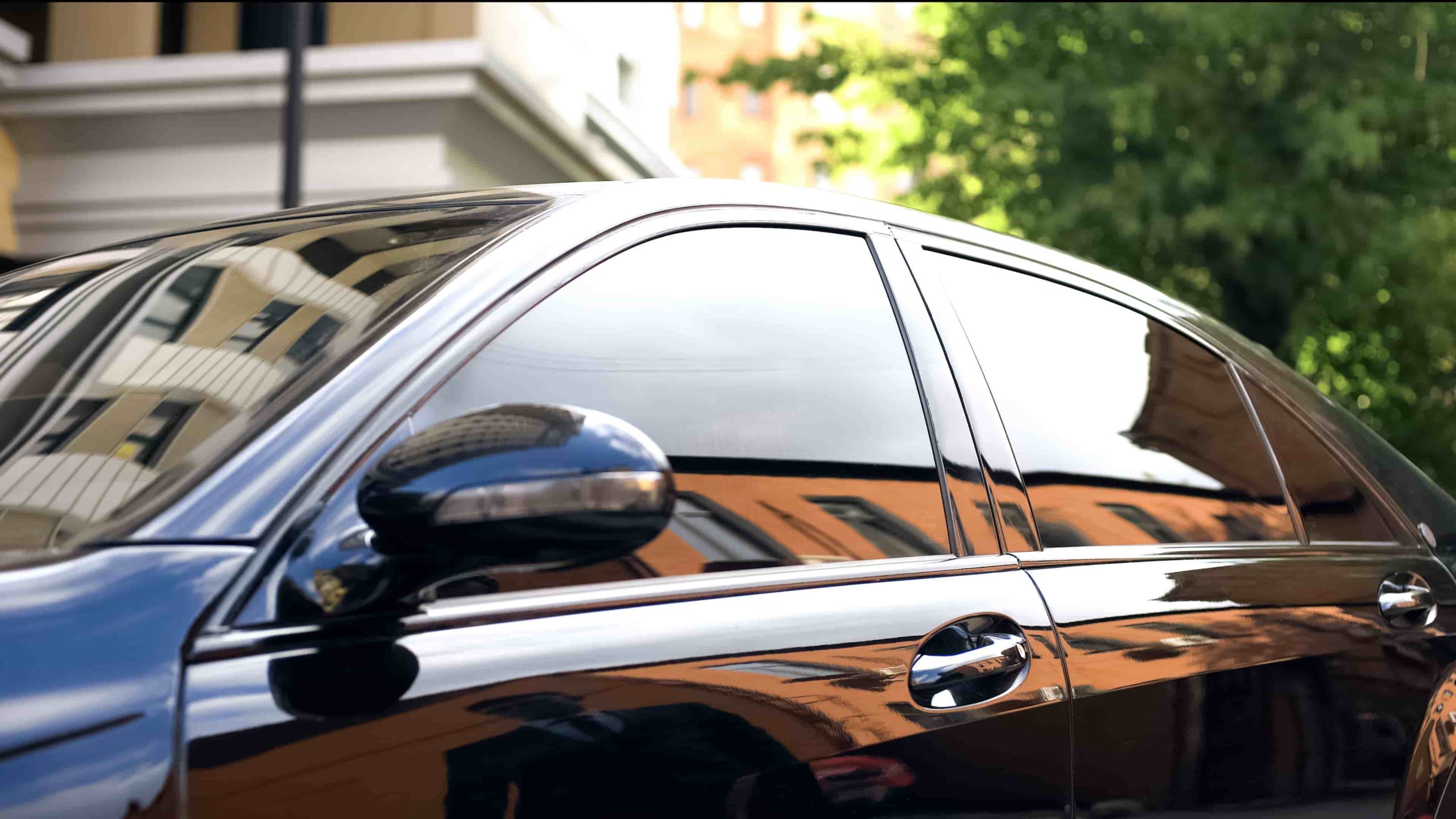
Credit: www.criminaldefenselawcenterwestmichigan.com
Filing Medical Exemption Paperwork
Medical exemption paperwork allows individuals to legally use darker window tints in Michigan. A doctor’s signed letter is required to file this paperwork with authorities. This process helps protect people with certain health conditions while following state tint laws.
Understanding Medical Exemptions For Window Tint
Michigan allows medical exemptions for window tint laws. This means some drivers can legally have darker tint. Medical conditions like lupus or skin cancer may qualify. A doctor’s note is necessary to apply for this exemption.
The exemption lets you tint windows beyond usual limits. It helps protect sensitive skin from harmful UV rays. The state requires proper paperwork to approve the exemption. Without it, police can issue tickets for illegal tint.
How To File Medical Exemption Paperwork
Start by getting a written statement from your doctor. It should explain your condition and need for darker tint. The document must be clear and signed by a licensed medical professional.
Next, complete the official medical exemption form from Michigan’s Secretary of State. Attach the doctor’s note to the form. Submit these documents by mail or in person at a local office.
Keep copies of all paperwork for your records. The state will review your request and send approval if qualified. Only then can you legally use the darker tint.
Important Tips For Maintaining Your Medical Exemption
Always carry a copy of your medical exemption in your vehicle. Police may ask for it during traffic stops. Renew the exemption as required to avoid fines or penalties.
Inform your tint installer about your exemption status. They must follow the approved tint levels for your vehicle. Incorrect tinting can void your exemption and cause legal issues.
Stay updated on Michigan’s tint laws. Regulations may change, affecting your exemption status. Proper compliance ensures safety and legal protection on the road.
Comparing Michigan With Other States
Comparing Michigan’s window tint laws with other states shows clear differences. Each state sets its own rules on tint darkness and placement. Knowing these differences helps drivers stay legal and avoid fines.
Michigan allows moderate tint on front side windows and darker on rear windows. The rules balance driver visibility and sun protection. Other states can be stricter or more lenient.
Michigan Vs. California
California requires front side windows to allow at least 70% of light in. Michigan’s rule is slightly more flexible, allowing darker tints. Both states restrict windshield tinting except for a small strip at the top.
Michigan Vs. Texas
Texas permits darker tints on rear windows than Michigan does. However, Texas is stricter about the front windshield tint, allowing only a light tint strip. Michigan permits a similar strip on the windshield.
Michigan Vs. New York
New York has strict rules for front windows, requiring at least 70% light transmission. Rear window tinting is allowed darker. Michigan’s laws permit darker front side tints but have similar rear window limits.
Enforcement Differences
Michigan treats illegal tint as a primary offense. Police can stop a driver solely for illegal tint. Other states often make tint violations a secondary offense, only ticketing when stopped for another reason.
Frequently Asked Questions
What Is The Darkest Legal Tint In Michigan?
Michigan allows up to 35% visible light transmission (VLT) tint on front side windows. Rear windows have no VLT limit. Medical exemptions permit darker tints. Police can stop vehicles solely for illegal tint violations.
Can Police Pull You Over For Tint In Michigan?
Yes, police in Michigan can pull you over solely for illegal window tint. Tint violations are a primary offense there.
How Dark Does 35% Tint Look?
A 35% tint blocks 65% of light, appearing moderately dark from outside. It reduces glare while allowing good visibility inside. It offers moderate privacy without being too dark, balancing sun protection and legal limits in many areas.
What Is The Darkest Legal Window Tint In Michigan?
Michigan allows up to 35% Visible Light Transmission (VLT) on front side windows. Rear side and back windows can have any darkness. Windshield tinting is limited to the top 4 inches only. Always check for updates to stay compliant.
Conclusion
Understanding Michigan’s window tint laws helps you stay safe and legal. The state allows moderate tint on rear windows and some front side windows. Darker tints require medical exemptions and proper paperwork. Police can stop drivers solely for illegal tint, so follow the rules carefully.
Always check your tint’s visible light transmission percentage before installation. Clear vision and obeying the law protect you and others on the road. Stay informed to avoid fines and keep your vehicle compliant. Simple steps make tinting easier and stress-free in Michigan.