Are you thinking about tinting your car windows in Massachusetts? Before you head to the shop, it’s important to know the state’s window tint laws.
These rules determine how dark or reflective your tint can be—and breaking them could lead to fines or even trouble with the police. You’ll discover exactly what’s allowed, what isn’t, and how to stay safe and legal on the road.
Keep reading to make sure your tint job meets Massachusetts standards and avoid any unexpected headaches down the line.

Credit: kepler-dealer.com
Legal Tint Limits
Massachusetts has clear rules about how dark your car window tint can be. These rules help keep drivers safe and make sure law enforcement can see inside vehicles when needed. Knowing the legal tint limits can save you from fines and help you follow the law.
The state measures tint darkness by how much visible light passes through the glass. Each type of window has its own limit. Below are the details for each window type in Massachusetts.
Visible Light Transmission Requirements
Visible Light Transmission, or VLT, shows how much light passes through your window tint. Higher VLT means lighter tint. The law uses this to set limits on tint darkness. Your tint must allow a certain minimum amount of light to enter the car.
Tint Darkness On Front Side Windows
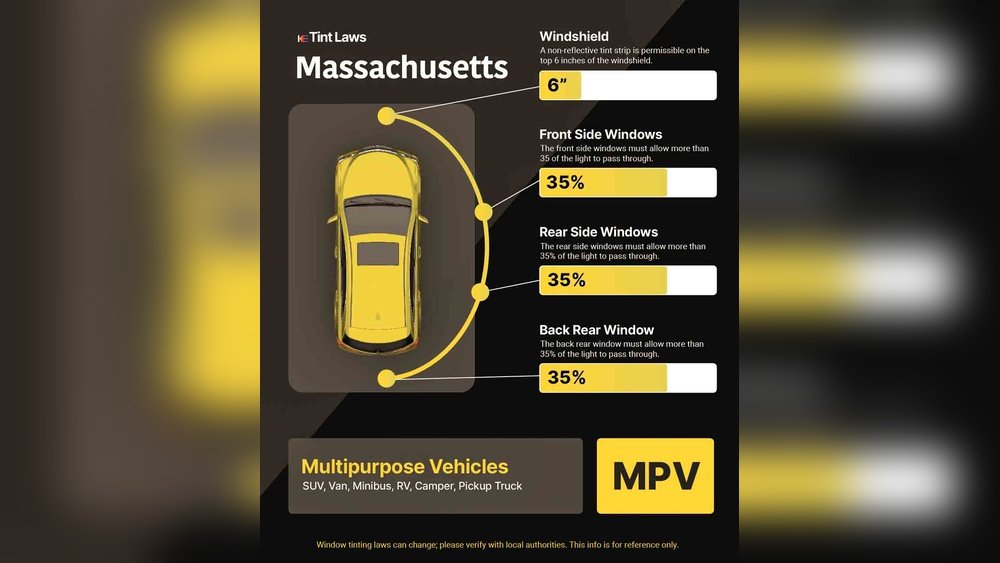
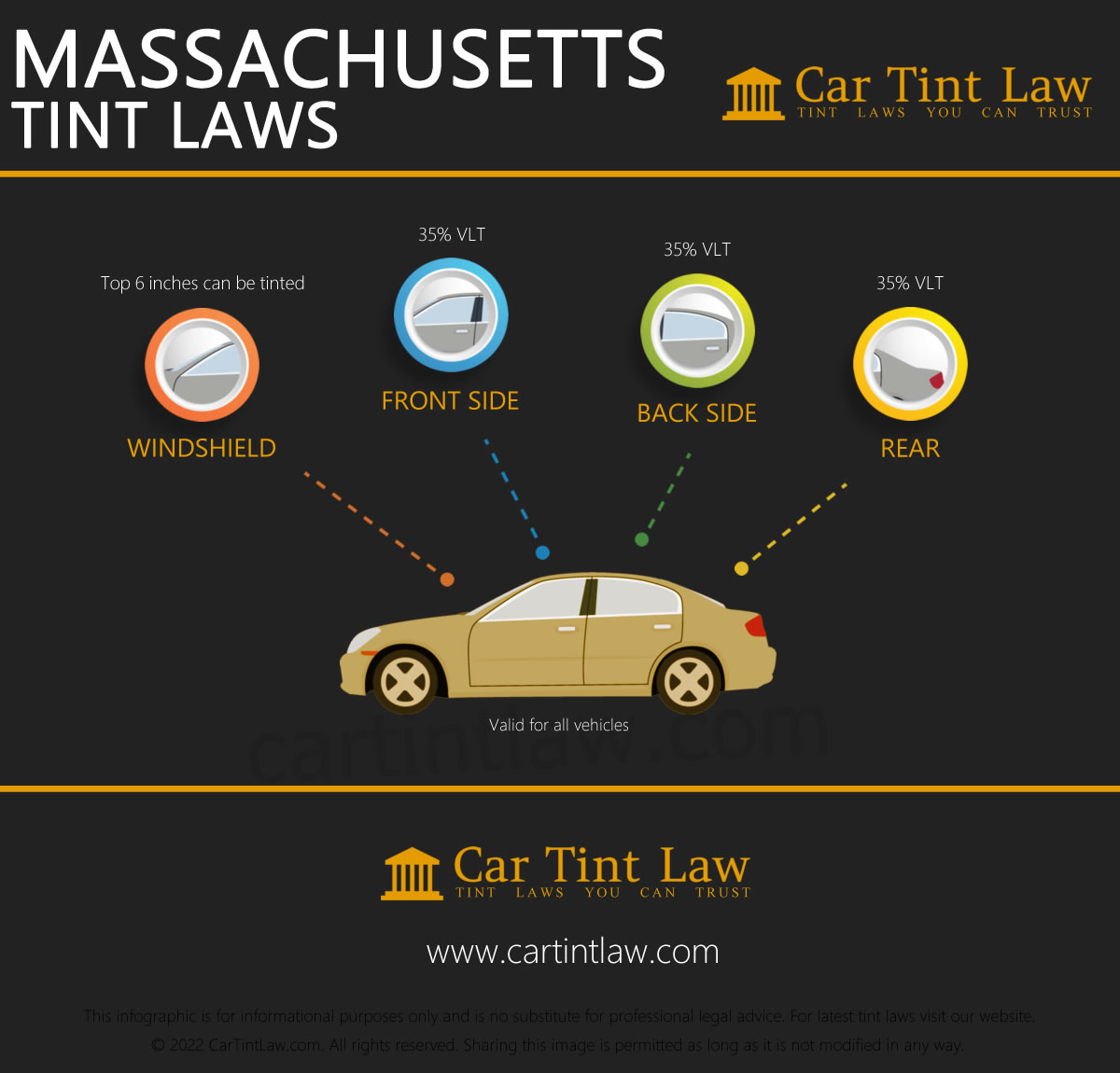
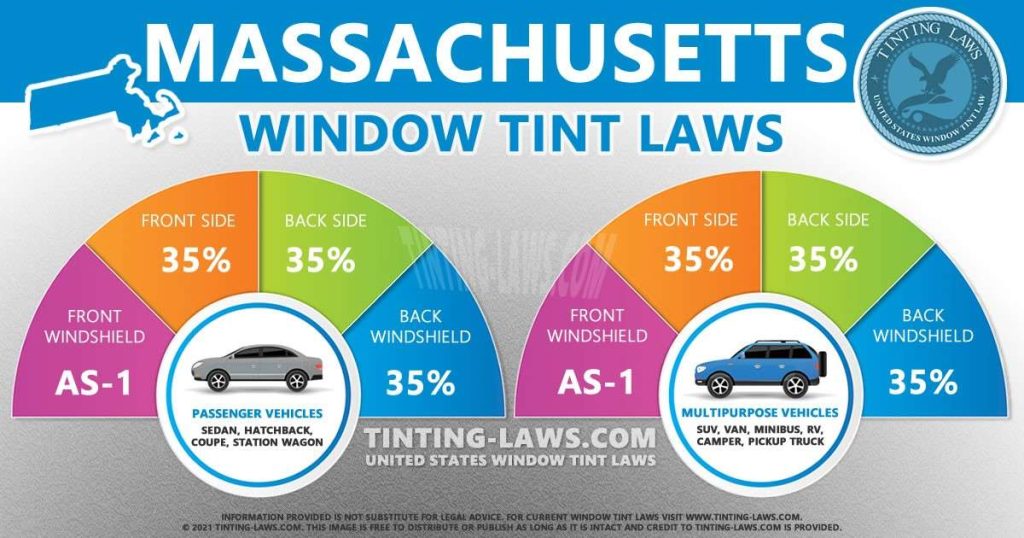
Front side windows must let in at least 35% of visible light. This means the tint cannot be darker than 35% VLT. Police officers need to see inside these windows clearly. Darker tints here are not allowed unless you have a medical exemption.
Tint Darkness On Rear Side And Back Windows
Rear side windows and the back window can have darker tint. Massachusetts allows any darkness on these windows. There is no specific VLT limit for rear windows. This gives drivers more privacy in the back of the vehicle.
Windshield Tint Restrictions
The windshield can only have tint on the top few inches. This area is called the “AS-1 line.” The tint here must not block the driver’s view. Tinted strip must be clear enough to keep visibility safe. Full windshield tinting is illegal.
Exemptions And Waivers
Massachusetts has strict window tint laws to ensure road safety. Yet, some exceptions allow certain vehicles to have darker tints. These exemptions and waivers offer relief for medical needs and factory-installed tints. Understanding these rules helps drivers stay legal while addressing special cases.
Medical Exemptions For Tinted Windows
Some medical conditions require reduced sunlight exposure. Patients with these conditions can apply for a medical exemption. This allows darker window tints beyond normal limits. A doctor’s note or medical certification is needed. The exemption protects health without breaking the law.
How To Apply For A Tint Waiver
To get a tint waiver, drivers must submit an application to the Massachusetts Registry of Motor Vehicles (RMV). The form asks for vehicle details and reasons for the waiver. Medical documents may be required if related to health. Once approved, the waiver permits legally darker tints on specified windows.
Factory Tint Exemptions
Some cars come with factory-installed tinted windows. These tints often do not meet the usual light transmission rules. Massachusetts law allows these factory tints as long as the vehicle is new. The tint must not reduce visibility dangerously. This exemption avoids penalizing owners for original equipment features.
Enforcement And Penalties
Massachusetts enforces strict window tint laws to ensure driver safety and clear visibility. Authorities regularly check tint levels during traffic stops or vehicle inspections. Penalties for violations can be costly and affect vehicle registration. Understanding enforcement and penalties helps drivers stay compliant and avoid trouble.
How Police Check Tint Compliance
Police use a special device called a tint meter to measure window light transmission. Officers may pull over drivers if they suspect illegal tinting. The meter shows the percentage of light passing through the window. Massachusetts law requires at least 35% light transmission on front side windows. Rear windows have more lenient rules but still face limits.
Fines And Legal Consequences
Drivers caught with illegal tint face fines starting around $100. Repeat offenses can lead to higher fines or court appearances. Police may order removal of the tint at the driver’s expense. In some cases, violations add points to the driver’s record. Serious violations risk vehicle impoundment or registration holds. Complying with tint laws avoids these penalties.
Impact On Vehicle Inspections
Massachusetts vehicle inspections include checking window tint levels. Cars with illegal tint fail inspection and cannot be registered. Drivers must remove or adjust tint before passing inspection. Inspection stations are strict about tint compliance to meet state safety standards. Failure to pass affects vehicle use and legal status on the road.
Credit: www.cartintlaw.com
Safety And Visibility
Window tinting in Massachusetts affects both safety and visibility on the road. Proper tint levels help drivers see clearly while reducing glare. Following the state’s tint laws ensures a safer driving experience for everyone. Too dark or illegal tint can block vision, causing dangerous situations. Understanding these rules helps balance privacy with clear sight.
Why Tint Limits Matter For Driving Safety
Massachusetts sets tint limits to keep roads safe. The law requires front side windows to allow more light. This helps drivers see pedestrians and other cars. Clear visibility reduces accidents and improves reaction time. Police officers also need to see inside vehicles for safety checks. Tint limits prevent overly dark windows that block this view.
Effects Of Illegal Tint On Visibility
Illegal tint can create blind spots and reduce clarity. Dark windows make it hard to see at night or in bad weather. This increases the risk of crashes and near misses. Drivers may not notice traffic signals or road signs quickly. Emergency responders also struggle to see inside cars. Illegal tinting puts all road users in danger.
Balancing Privacy And Safety
Many drivers want privacy without risking safety. Massachusetts allows some tint to reduce glare and heat. This protects passengers from sun exposure and keeps interiors cool. The law balances privacy needs with clear driver vision. Approved tint levels ensure privacy without blocking essential sight. Drivers should choose tint films that meet state rules for safety and comfort.
Recent Law Changes
Massachusetts recently updated its window tint laws to improve safety and compliance. These changes affect drivers and tint shops across the state. Understanding the updates helps avoid fines and legal trouble. Below are key points about the new regulations.
Updates To Massachusetts Tint Laws
The state now enforces stricter rules on window tint darkness. Passenger vehicles must have at least 35% visible light transmission (VLT) on front side windows. Rear side windows and back windows can have darker tint. Medical exemptions for darker tints remain available but require official approval.
Reflective or mirrored tints on any windows are still not allowed. The windshield can only have a non-reflective strip at the top. These rules aim to keep visibility high for drivers and law enforcement officers.
New Regulations For Tint Shops
Tint shops in Massachusetts face tougher inspections and penalties. Shops must ensure every tint job follows state laws. Selling or installing illegal tints can lead to fines or loss of license. Inspectors now have authority to reject vehicles with non-compliant tint during safety checks.
Shops must provide clear information to customers about legal tint limits. This helps drivers avoid unknowingly breaking the law. Proper certification for tint materials is also required under new regulations.
Impact Of Recent Legal Changes On Drivers
Drivers need to check their window tints carefully. Non-compliant tints can result in tickets or orders to remove the film. Police have increased enforcement, especially in urban areas. Medical exemption holders should carry documentation at all times.
These changes promote safer driving and reduce accidents caused by poor visibility. Staying informed about the laws protects drivers from fines and keeps roads safer for everyone.
Choosing The Right Tint
Choosing the right window tint is important for both style and legal safety in Massachusetts. Different tint films offer varying levels of darkness and heat reduction. Picking a tint that follows state laws helps you avoid fines and keeps your vehicle safe.
Understanding the legal limits and quality of tint can save you trouble. It also improves your driving comfort by reducing glare and heat inside your car. Below are key points to guide your decision on the best tint for your vehicle.
Tips For Selecting Legal Tint Films
Massachusetts law requires window tint to allow at least 35% of light through on front side windows. Rear windows and back glass can have darker tints. Choose films that clearly state their Visible Light Transmission (VLT) percentage. Avoid very dark tints on front windows to stay legal.
Look for tint films with good heat rejection to keep your car cool. Select brands with clear warranties and high UV protection. These features protect your skin and car interior from sun damage.
Professional Tint Installation
Proper installation is key to a smooth, bubble-free tint. Professionals have the right tools and skills to cut and fit the film perfectly. They ensure the tint does not peel or crack over time.
Experts also help you pick the right shade based on your vehicle and local laws. They can advise on any special permits needed for darker tints. A good installer will provide a warranty on their work.
Avoiding Common Mistakes
Do not assume all dark tints are legal. Check Massachusetts rules before buying. Avoid cheap tint films that peel or fade quickly. Poor quality can lead to fines and replacements.
Do not install tint on windshield or front side windows below legal limits. This can cause tickets and safety risks. Follow the exact VLT percentages allowed by law. Keep your tint film clean to maintain visibility and appearance.
Common Questions
Many drivers in Massachusetts have questions about window tint laws. These laws can seem confusing and strict. Understanding common concerns helps drivers stay safe and legal. Below are some frequently asked questions about tint rules in the state.
Is Factory Tint Always Legal?
Factory tint usually meets Massachusetts rules. It is often lighter than aftermarket tint. But some factory tints may be too dark. Always check your vehicle’s tint levels. If unsure, get your tint measured by a professional. Factory tint is generally accepted unless it blocks too much light.
What Happens If You Get Pulled Over?
Police may stop you for having illegal tint. They will check the visible light transmission (VLT). If your tint is too dark, you may get a ticket. You might be asked to remove or lighten the tint. Repeat offenses can lead to higher fines or penalties.
Can Tint Laws Differ By Vehicle Type?
Yes, tint laws can vary by vehicle type. Passenger cars have different limits than trucks or SUVs. Some vehicles allow darker tint on rear windows. Medical exemptions may also apply for certain drivers. Always verify the tint rules for your specific vehicle.
Credit: www.tinting-laws.com
Frequently Asked Questions
What Is The Darkest Legal Tint In Massachusetts?
Massachusetts allows a minimum of 35% visible light transmission (VLT) on passenger vehicle front side windows. Rear windows have no VLT limit. Windshields must allow over 70% light, except for the top 6 inches. Tinted glass waivers may permit darker tints legally.
Will I Get Pulled Over For 20 Tint In Massachusetts?
Massachusetts law requires front side windows to allow over 35% light in. Twenty percent tint is darker and may attract police attention.
Is 20% Window Tint Darker Than 35%?
Yes, 20% window tint is darker than 35%. Lower percentages allow less light, creating a darker appearance.
Is 25 Percent Tint Legal?
In Massachusetts, 25 percent tint is illegal on front side windows. Rear windows allow darker tints. Check local laws for exact limits.
Conclusion
Understanding Massachusetts window tint laws helps you stay safe and legal. Keep tint levels within allowed limits to avoid fines. Remember, rules protect drivers and law enforcement on the road. Check your vehicle’s tint regularly to ensure compliance. Stay informed about any updates to state regulations.
Following these laws keeps your car looking good and avoids trouble. Drive confidently knowing you meet Massachusetts tint standards.