
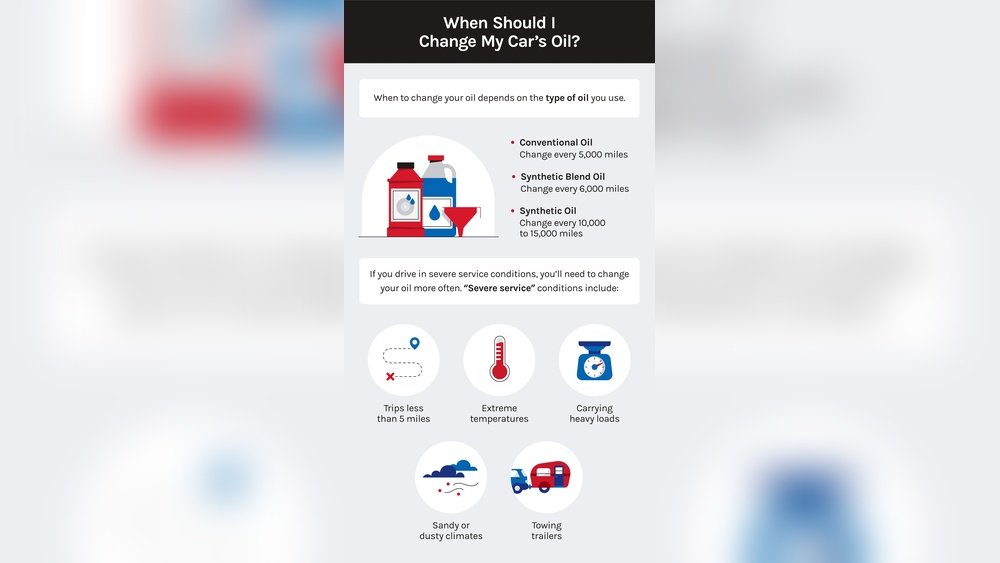
You might wonder, “How often does a car need to change oil?” It’s a simple question with an important answer that can save you money and keep your engine running smoothly. Skipping or delaying an oil change can lead to costly repairs, while changing it too often wastes your time and resources.
So, how do you find the right balance for your car? You’ll learn easy-to-follow guidelines, when to trust your owner’s manual, and signs that tell you it’s time for fresh oil. Read on to protect your vehicle and drive with confidence every mile.
Oil Change Basics
Changing your car’s oil is key to keeping the engine healthy. Oil lubricates engine parts and stops wear. It also helps cool the engine and remove dirt. Over time, oil breaks down and loses its power. Old oil can cause engine damage and reduce fuel efficiency.
Knowing when to change oil helps avoid costly repairs. Several factors affect oil change timing. These include mileage, time, driving habits, and conditions. Understanding these basics helps you keep your car running smoothly.
Mileage Vs Time
Car manufacturers often recommend oil changes based on miles driven. Many suggest every 3,000 to 7,500 miles. Yet, oil also degrades with time, even if you drive less. Changing oil once a year is good practice for low-mileage drivers. Time matters because oil absorbs moisture and contaminants over months.
Harsh Driving Conditions
Driving in tough conditions wears oil faster. Hot weather, heavy traffic, and dusty roads stress the engine. Towing heavy loads or driving on hills also counts as harsh use. These conditions make oil dirty quicker. Change oil more often if you face these challenges regularly.
Short Trips Impact
Short trips cause extra engine wear. The engine may not reach full temperature. This stops oil from fully protecting parts. Moisture and fuel can build up in the oil. Over time, this weakens the oil and engine. Drivers who take many short trips need more frequent oil changes.
Owner’s Manual Insights
The owner’s manual is the first place to check for oil change guidance. It provides specific advice tailored to your vehicle model. Reading it helps avoid guesswork and keeps your engine running smoothly.
Every car manufacturer sets oil change intervals based on engine design and oil type. These recommendations balance engine protection and maintenance costs. Following them ensures your car stays in good condition longer.
Manufacturer Recommendations
Manufacturers suggest oil change intervals in miles or months. Many recommend changing oil every 5,000 to 7,500 miles. Some newer models with synthetic oil can go up to 10,000 miles. Time-based changes are also important, usually every 6 to 12 months. Ignoring these may lead to engine wear and costly repairs.
Normal Vs Severe Conditions
The manual often lists two sets of guidelines: normal and severe conditions. Normal driving includes highway trips and moderate climate. Severe conditions cover stop-and-go traffic, extreme temperatures, and dusty roads. Severe driving needs more frequent oil changes, sometimes twice as often. Following the right schedule protects your engine from damage.
Early Warning Signs
Recognizing the early warning signs of needing an oil change can save your car from serious damage. These signs often appear before your scheduled maintenance time. Paying attention helps keep your engine healthy and running smoothly. Below are key indicators that signal it’s time to check your oil.
Warning Lights
The oil change or check engine light on your dashboard is a clear alert. This light turns on when oil pressure drops or oil quality degrades. Never ignore this warning. It means your engine needs attention immediately to avoid damage.
Engine Noises
Unusual sounds like knocking or tapping from the engine can mean low or dirty oil. Oil lubricates engine parts to reduce friction and noise. When oil is old or low, parts rub harder and create noise. These sounds suggest you should change your oil soon.
Oil Leaks And Smells
Oil leaks under your car or a burnt oil smell inside can indicate oil problems. Leaks reduce oil levels and harm engine performance. The burnt smell means oil is overheating or breaking down. Both signs mean you need an oil check or change.
Fuel Efficiency Drops
A sudden drop in gas mileage might be linked to old engine oil. Clean oil helps your engine run smoothly and efficiently. Dirty oil causes more engine friction and lowers fuel economy. Noticeable fuel efficiency loss suggests it’s time for an oil change.
Advancements In Oil And Engines
Advancements in oil and engine technology have changed how often cars need oil changes. New developments make oil last longer and engines run cleaner. These improvements help drivers save time and money. Understanding these changes helps you maintain your car better.
Modern Synthetic Oils
Synthetic oils last longer than traditional oils. They resist heat and break down slower. This means fewer oil changes are needed. Synthetic oils also protect engine parts better. They keep the engine cleaner and reduce wear.
Improved Engine Designs
New engines have tighter parts and better seals. They use oil more efficiently and produce less dirt. These designs lower engine stress and oil contamination. Engines now need less frequent oil changes than older models.
Oil Life Monitoring Systems
Many new cars have oil life monitoring systems. These systems track oil quality and usage. They alert drivers when an oil change is necessary. This technology prevents unnecessary oil changes and protects the engine.
Special Driving Scenarios
Special driving scenarios affect how often your car needs an oil change. These conditions put more stress on the engine and oil quality. Adjusting oil change intervals helps keep your engine healthy and running smoothly.
Stop-and-go Traffic
Driving in heavy stop-and-go traffic causes the engine to work harder. Idling for long periods heats the engine oil more than usual. Oil breaks down faster in these conditions. Change oil more often if you drive mostly in city traffic.
Dusty Or Extreme Weather
Dusty roads make tiny particles enter the engine oil. These particles cause oil to degrade quicker. Extreme heat or cold also affects oil performance. Change oil more frequently when driving in dusty or very hot or cold weather.
Towing And Heavy Loads
Towing trailers or carrying heavy loads puts extra pressure on the engine. The engine runs hotter and oil breaks down sooner. Change oil more often to protect the engine under heavy load conditions. This keeps your vehicle running longer and safer.
Credit: www.elitegarages.co.uk
Why Time Matters
Time plays a crucial role in maintaining your car’s engine health. Even if you drive less, oil ages and loses its effectiveness. Over time, oil can break down and no longer protect your engine parts well. Understanding why time matters helps you avoid costly repairs and keep your car running smoothly.
Oil Breakdown Over Time
Oil is designed to protect your engine. But it does not stay fresh forever. Over weeks and months, oil molecules degrade and lose their strength. This means the oil can no longer lubricate engine parts properly. Old oil becomes thick and dirty, leading to engine wear. Changing oil regularly prevents this breakdown.
Moisture And Heat Effects
Engines produce heat and moisture during operation. Heat causes oil to oxidize and lose its quality faster. Moisture can mix with oil, creating sludge and acids. These harmful substances damage engine parts and reduce oil’s effectiveness. Replacing oil on time removes moisture and heat by-products, protecting your engine.
Preventive Maintenance Benefits
Changing oil on a schedule keeps your engine clean and running well. Fresh oil reduces friction and wear on engine parts. It helps improve fuel efficiency and lowers emissions. Regular oil changes also prevent costly repairs and extend engine life. Treat your car to timely oil changes for better performance.
Choosing The Right Oil
Choosing the right oil for your car is essential for engine health. The right oil helps reduce wear and improves performance. Different oils suit different engines and driving habits. Picking the correct type can extend the time between oil changes and keep your engine running smoothly.
Traditional Vs Synthetic Oils
Traditional oil comes from crude oil and is less processed. It works well for older cars and simple engines. Synthetic oil is man-made and designed for better performance. It flows easier in cold weather and resists breaking down faster. Synthetic oils usually protect engines better and last longer than traditional oils.
Oil Quality And Longevity
Higher quality oil lasts longer and keeps the engine cleaner. Good oil prevents sludge and reduces friction inside the engine. Using high-quality oil can extend oil change intervals. Always check the oil’s certification and grade on the label. Choosing oil with longer life saves money and helps the environment by reducing waste.

Credit: www.performancehondastore.com
Frequency Recommendations
Knowing how often to change your car’s oil is key to its health. Different factors affect the frequency of oil changes. Following frequency recommendations helps keep the engine running smoothly and prevents damage.
General Rules Of Thumb
Most cars need an oil change every 3,000 to 5,000 miles. Some newer models can go 7,500 to 10,000 miles. Changing oil at least once a year is important, even without hitting mileage limits. Oil breaks down over time and loses effectiveness.
Adjusting For Driving Habits
Harsh driving conditions require more frequent oil changes. Short trips, stop-and-go traffic, or dusty roads strain the engine. Towing heavy loads or driving in extreme temperatures also affects oil life. In these cases, change oil every 3,000 miles or every six months.
Using Oil Life Monitors
Many modern cars have oil life monitors to track oil quality. These systems alert drivers when oil needs changing. The monitor uses sensors and algorithms for accurate readings. Trusting this technology can save time and money while protecting your engine.

Credit: www.autodna.com
Conclusion
Regular oil changes keep your car running smoothly and avoid damage. Follow the schedule in your owner’s manual for best results. Driving habits affect how often you need an oil change. Watch for warning signs like engine noise or oil smells.
Using good quality oil helps protect your engine longer. Staying on top of oil changes saves money on repairs later. Keep your car healthy by checking oil levels regularly. Simple care goes a long way in extending your car’s life.














