
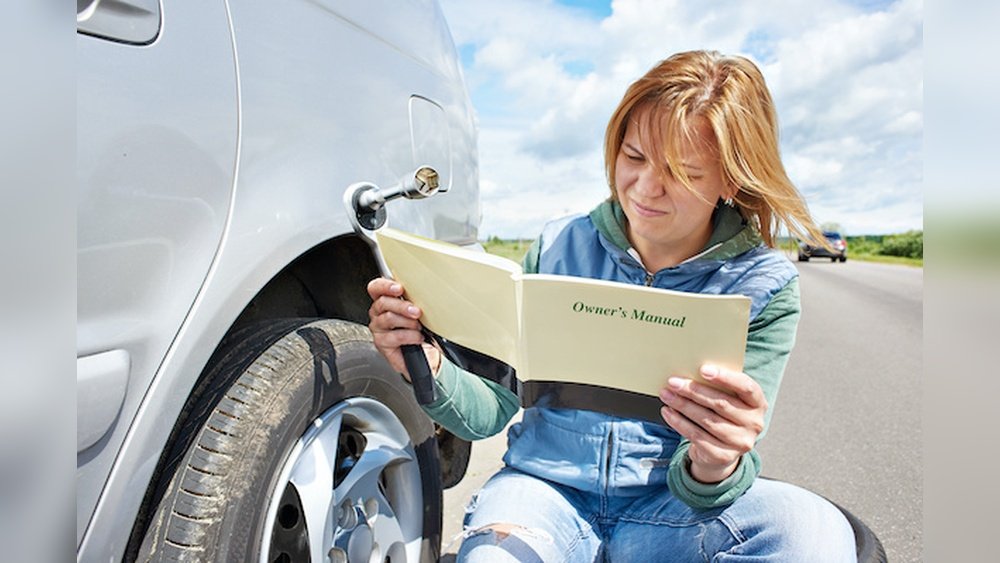
You probably own a vehicle, but how well do you really know it? Your vehicle owner’s manual holds the key to unlocking everything you need to keep your car running smoothly and safely.
It’s not just a thick booklet collecting dust in your glove box—it’s your personal guide to understanding your car’s features, maintenance needs, and safety systems. By taking a few minutes to read and use your owner’s manual, you can save money on repairs, avoid unexpected breakdowns, and even protect yourself and your passengers on the road.
Curious about why this manual is so important and how it plays a crucial role in your daily driving experience? Keep reading to discover the valuable insights hidden inside your vehicle’s owner’s manual and how it can become your best driving companion.
Purpose Of The Owner’s Manual
The owner’s manual plays a vital role for every vehicle owner. It serves as a complete guide to understand and care for your vehicle. This manual offers clear instructions and important details that help you operate your car safely and efficiently.
Keeping the owner’s manual handy ensures you know the key features and maintenance needs of your vehicle. It is a reliable source that supports you in making informed decisions about your car’s upkeep and safety.
Essential Vehicle Information
The manual contains detailed information about your vehicle’s model, engine type, and specifications. It explains dashboard symbols and controls clearly. You learn how to use each feature properly, avoiding confusion or mistakes.
Guidance On Maintenance
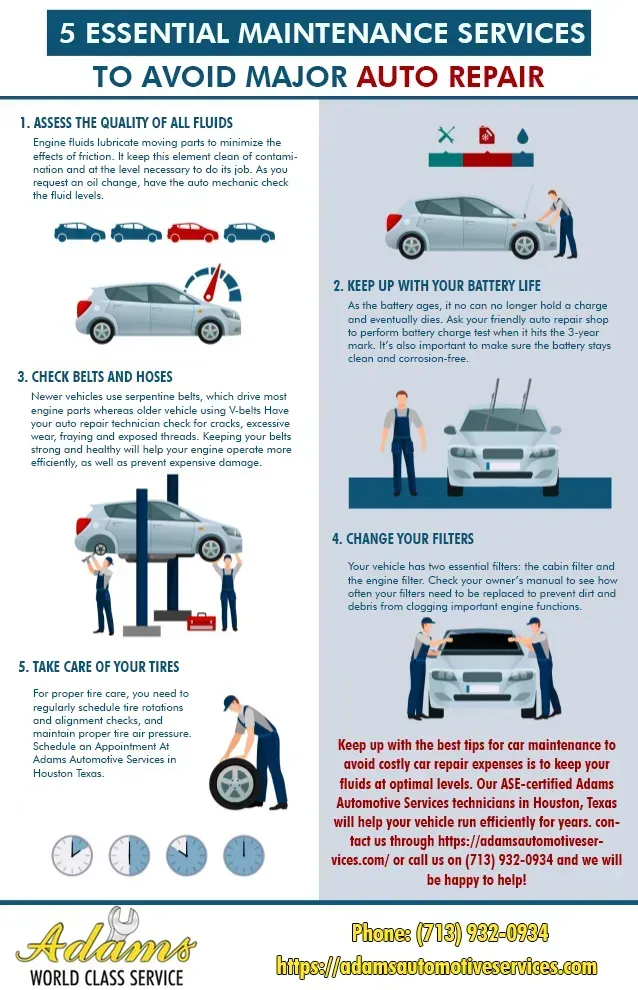
Maintenance schedules are outlined step-by-step in the manual. It tells you when to change oil, check brakes, and replace filters. Following these guidelines helps keep your vehicle in good condition and prevents costly repairs.
The manual also covers how to handle severe driving conditions. This helps you adjust maintenance tasks to fit different environments or usage patterns.
Safety Feature Details
The owner’s manual explains all safety features in your vehicle. It shows how airbags, seat belts, and child locks work. You learn how to activate and maintain these features to protect yourself and passengers.
Understanding safety elements reduces risks and increases confidence while driving. The manual also advises what to do in emergencies, improving your response in critical moments.

Credit: pakidstravelsafe.org
Key Contents To Know
The vehicle owner’s manual holds essential information for every driver. It helps users understand their vehicle better. Knowing key contents makes driving safer and maintenance easier.
This section highlights important parts of the manual. These parts guide vehicle owners in daily use and care. Reading these sections prevents costly mistakes and extends vehicle life.
Operating Instructions
Operating instructions explain how to use vehicle features. They cover basics like starting the engine and adjusting seats. The manual also explains dashboard symbols and warning lights. These details keep drivers aware of their vehicle’s status. Proper use reduces wear and improves safety on the road.
Maintenance Schedules
Maintenance schedules list tasks to keep the vehicle in good shape. They include oil changes, tire rotations, and brake checks. Following the schedule prevents breakdowns and costly repairs. The manual shows when and how to perform each task. This helps owners plan service visits and extend vehicle life.
Troubleshooting Tips
Troubleshooting tips help identify and fix common problems. They guide owners through simple checks before calling for help. Examples include checking battery health or fluid levels. These tips save time and reduce emergency visits. Understanding this section boosts confidence in handling issues.
Benefits Of Reading The Manual
Reading the vehicle owner’s manual brings many benefits. It helps owners understand their car better. The manual provides clear instructions on how to care for the vehicle. Knowing these details improves the driving experience and vehicle performance. The manual also prevents costly mistakes by guiding proper use and maintenance.
Enhancing Vehicle Longevity
The manual lists the correct maintenance schedule. Following it keeps the engine and parts in good condition. It explains when to change oil, check brakes, and replace filters. Using the right fuel and fluids extends the vehicle’s life. Regular care prevents early breakdowns and expensive repairs.
Ensuring Safety On The Road
Safety features and warnings are detailed in the manual. It teaches how to use seat belts, airbags, and child locks correctly. Instructions on tire pressure and brake checks help avoid accidents. The manual also advises on handling emergency situations. This knowledge reduces risks and protects everyone inside the car.
Saving Time And Money
The manual offers troubleshooting tips for common problems. This helps owners fix minor issues without visiting a mechanic. Understanding warning lights can prevent serious damage. Proper care avoids warranty voids and costly repairs. Saving time and money is easier with the manual as a guide.
Credit: goodworksautorepair.com
How To Use The Manual Effectively
Using the vehicle owner’s manual effectively ensures you keep your car in top condition. It helps you understand your vehicle’s features and maintenance needs. Knowing how to navigate and apply the manual saves time and avoids costly mistakes.
Locating Important Sections
Start by identifying key parts like maintenance schedules, safety features, and troubleshooting guides. Most manuals have a clear table of contents and index for quick reference. Keep the manual in your vehicle for easy access during emergencies.
Following Recommended Guidelines
Always stick to the maintenance and operation instructions given by the manufacturer. Use the manual to check oil change intervals, tire pressure, and fluid levels. Following these guidelines extends your vehicle’s life and improves safety.
Updating With Manufacturer Changes
Car makers often release updates or recalls that affect your vehicle. Check the manufacturer’s website or contact your dealer to stay informed. Add any new information to your manual or keep digital copies for reference.
Common Misconceptions
Many vehicle owners misunderstand the true value of their manuals. These guides are often seen as unnecessary or outdated. Such beliefs stop drivers from using helpful information. Clearing up these misconceptions shows why manuals remain important.
Understanding the real role of the owner’s manual can improve vehicle care. It helps avoid costly mistakes and keeps the car running smoothly. Let’s explore some common myths about vehicle manuals.
Manuals Are Outdated
Some think manuals contain old information. They believe technology changes too fast for print guides. This is not true. Manufacturers update manuals with every model. Manuals include current safety tips and new features. They provide the latest instructions for your exact vehicle.
Only For Experts
Many believe only mechanics can use manuals. They think the language is too technical. Actually, manuals are written for all owners. Instructions are clear and easy to follow. Anyone can learn simple maintenance steps and troubleshooting tips. This knowledge saves time and money on repairs.
Irrelevant In Modern Vehicles
Modern cars have advanced tech and screens. Some drivers assume manuals no longer matter. Yet, digital displays do not cover everything. Manuals explain warning lights, tire pressures, and fluid types. They guide owners on features like adaptive cruise control. The manual remains a key resource for safe driving.
Credit: www.adamsautomotiveservices.com
Role In Emergency Situations
The vehicle owner’s manual plays a key role during emergency situations. It provides clear, step-by-step instructions to guide drivers when problems arise. This guide helps drivers stay calm and act correctly under pressure. Knowing how to use the manual can prevent panic and make emergency handling easier.
Handling Breakdowns
The manual explains what to do if the vehicle breaks down. It shows how to safely stop and secure the car. Drivers learn how to check basic issues like engine problems or flat tires. This knowledge helps avoid further damage and keeps everyone safe.
Using Safety Features
The manual describes all safety features in the vehicle. It details how to activate airbags, seat belts, and emergency signals. Using these features properly can protect passengers during accidents. Clear instructions ensure quick response when safety matters most.
Contacting Roadside Assistance
The owner’s manual provides contact details for roadside help services. It explains what information to share for faster assistance. Drivers get advice on what to do while waiting for help. This guidance reduces stress and speeds up emergency support.
Digital Vs. Printed Manuals
The vehicle owner’s manual is essential for understanding and caring for your car. It comes in two main forms: printed and digital. Each type has unique features that affect how you use the manual. Knowing the differences helps you choose the best option for your needs.
Accessibility And Convenience
Printed manuals are easy to use without any device. You can keep them in your glove box for quick access. Digital manuals require a smartphone, tablet, or computer. You can carry many manuals in one device. Digital versions are handy when you travel or switch vehicles often.
Search Functions
Printed manuals need you to flip through pages to find information. This can take time, especially in an emergency. Digital manuals offer search tools to find topics fast. You can type keywords to jump directly to the needed section. This saves time and reduces frustration.
Updates And Revisions
Printed manuals stay the same after printing. They may not include the latest information or recalls. Digital manuals update automatically or online. They provide the newest tips, warnings, and fixes. Staying updated helps you maintain your vehicle better and safer.
Impact On Vehicle Resale Value
The vehicle owner’s manual plays a key role in maintaining and increasing your car’s resale value. A well-kept manual signals that the vehicle was cared for properly. Buyers often check for this document to confirm the vehicle’s history and maintenance.
Keeping the manual with the car helps prove that you followed the recommended service schedule. This proof reassures buyers about the car’s condition. It may lead to better offers and faster sales.
Proof Of Proper Maintenance
The owner’s manual contains the maintenance schedule and guidelines. Following these instructions shows you took good care of the vehicle. Buyers want to see this proof because it means fewer future problems. A car with a documented service history often sells for more money.
Building Buyer Confidence
Having the manual available builds trust with potential buyers. It shows transparency and honesty in how the vehicle was maintained. Buyers feel more secure purchasing a car with clear records. Confidence in the vehicle’s care can increase its resale value significantly.
Conclusion
The vehicle owner’s manual holds vital information for every driver. It guides you on proper vehicle care and maintenance. Knowing your car’s features helps avoid costly repairs. The manual explains safety tips and troubleshooting steps clearly. Reading it ensures your vehicle runs smoothly and lasts longer.
Keep it handy for quick reference whenever needed. Understanding your manual supports safer and smarter driving habits. Trust it as your reliable source for vehicle knowledge.














