
Your tires are the only part of your vehicle touching the road, so keeping them in top shape is essential for safety and performance. But did you know that simply rotating your tires regularly can extend their life and save you money?
If you want to avoid uneven wear, improve your ride quality, and get the most out of your tires, learning how to rotate them the right way is a smart move. This guide breaks down everything you need to know—step by step—so you can confidently rotate your tires at home or know exactly what to expect at the shop.
Ready to keep your wheels rolling smoothly? Let’s dive in and get those tires rotating the right way!
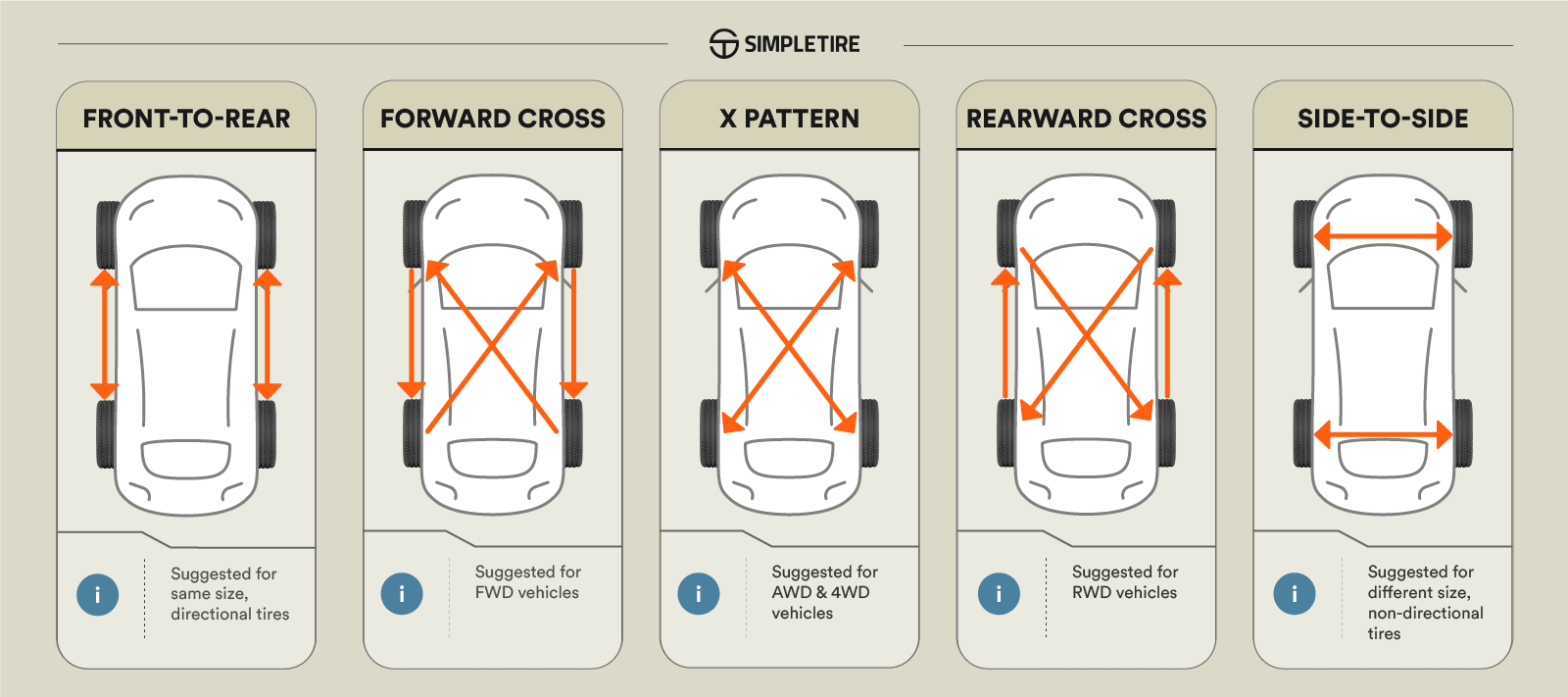
Credit: simpletire.com
Tire Rotation Basics
Rotating your tires helps them wear evenly and last longer. It improves handling and safety by keeping traction consistent. Tire rotation involves moving tires to different positions on your car. This balances out wear from different driving forces. Knowing the basics makes tire rotation easier and more effective.
Rotation Patterns For Different Drivetrains
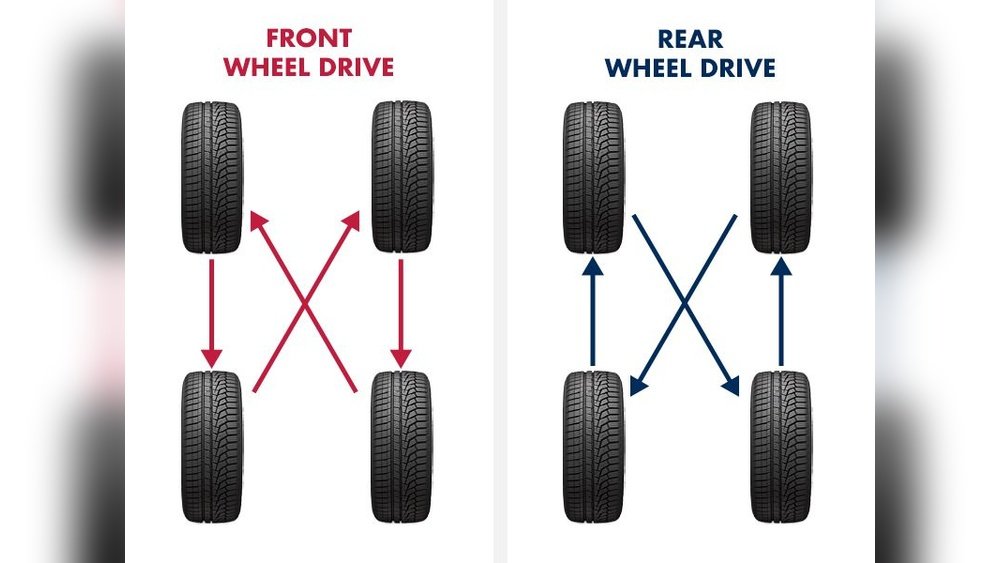
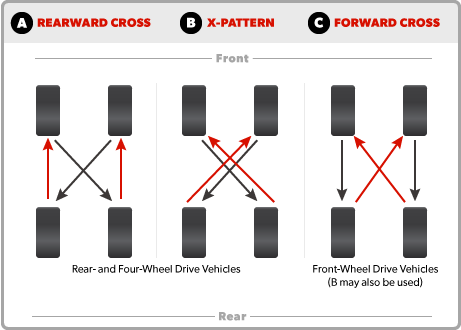
Each drivetrain has a specific rotation pattern. For front-wheel drive (FWD), use the forward cross pattern. Move front tires to the rear on the same side. Move rear tires to the front but swap sides.
Rear-wheel drive (RWD) and all-wheel drive (AWD) use the rearward cross pattern. Move rear tires to the front on the same side. Move front tires to the rear but swap sides. These patterns help balance wear caused by power delivery and steering.
Always check your owner’s manual for the exact pattern. Following the right pattern protects your tires and vehicle.
Directional Vs Non-directional Tires
Directional tires have a specific rotation direction. They have a tread pattern designed to roll in one direction. Rotate these tires front to back on the same side only. Swapping sides can damage directional tires or reduce performance.
Non-directional tires have a tread pattern that works both ways. They allow more rotation options. You can use common patterns like the forward cross or rearward cross. This flexibility helps even out wear on all tires.
Identifying your tire type is key before rotating. Check sidewall markings or your vehicle manual. Proper rotation keeps your tires safe and extends their life.
Credit: www.tirerack.com
Preparing For Tire Rotation
Preparing for tire rotation is a key step to keep your vehicle safe and efficient. Proper preparation helps prevent accidents and makes the job easier. It involves knowing your vehicle’s needs, following safety rules, and having the right tools ready.
Consulting Your Vehicle Manual
Your vehicle manual holds the most important information about tire rotation. It tells you the right pattern to follow based on your car’s drivetrain. Some tires need special care, like directional tires that must stay on the same side. Check the manual for these details to avoid mistakes.
Safety Measures And Parking
Park your car on flat, level ground to stop it from moving. Engage the parking brake firmly. Place wheel chocks behind the tires that will stay on the ground. Wear gloves to protect your hands. Keep a clean workspace free from clutter to avoid tripping or dropping tools.
Tools Needed
Gather all tools before starting the tire rotation. You will need a jack to lift the car. Use jack stands to secure the vehicle safely. A lug wrench is essential for loosening and tightening the lug nuts. A torque wrench helps tighten nuts to the correct pressure. Have a flashlight ready if you work in low light.
Inspecting Tires Before Rotation
Inspecting your tires before rotation is essential for safe driving and long tire life. This step helps spot issues that affect performance and safety. A thorough check saves money by preventing uneven wear and unexpected problems.
Checking Tread Depth
Start by measuring the tread depth on each tire. Tires with low tread wear out faster and can cause poor traction. Use a tread depth gauge or a simple penny test. Insert a penny into the grooves with Lincoln’s head down. If you see the top of his head, the tread is too shallow. Replace tires that have worn below 2/32 of an inch.
Identifying Tire Damage
Look closely for cuts, cracks, or bulges on the tire sidewalls. Damage may cause air leaks or tire failure. Check for nails, glass, or sharp objects stuck in the tread. Uneven wear patterns can indicate alignment or suspension problems. Fix any issues before rotating tires to ensure safety and better performance.
Avoiding Temporary Spares
Never include temporary spare tires in the rotation process. These spares are not designed for regular use or long distances. They have different sizes and tread patterns that can cause uneven wear. Keep spares only for emergencies and replace them with full-size tires as soon as possible.
Step-by-step Rotation Process
Rotating your tires regularly helps maintain even tread wear. This extends tire life and improves vehicle safety. Follow these simple steps to rotate your tires correctly. Each step ensures safety and proper tire placement.
Loosening Lug Nuts
Start by loosening the lug nuts on all wheels. Use a lug wrench and turn each nut counterclockwise. Do not remove them completely yet. Loosen nuts while the vehicle is on the ground to prevent wheel spinning.
Lifting The Vehicle Safely
Use a jack to lift one corner of the vehicle. Place jack stands under the frame for support. Never rely on the jack alone. Repeat for each wheel you plan to rotate.
Swapping Tires According To Pattern
Follow the correct rotation pattern for your vehicle. For front-wheel drive, use the forward cross pattern. Move front tires to rear on the same side. Move rear tires to front, crossing sides. For rear-wheel or all-wheel drive, use rearward cross. Swap tires carefully and place them in their new positions.
Hand-tightening Lug Nuts
Put the lug nuts back on each wheel by hand. Tighten them just enough to hold the tire in place. Avoid using the wrench at this stage. Hand-tightening prevents cross-threading of the nuts.
Lowering Vehicle For Final Tightening
Lower the vehicle slowly using the jack. Remove the jack stands carefully. Once the tire touches the ground, tighten the lug nuts fully. Use a star pattern to tighten evenly. This ensures the wheel is secure and balanced.
Rotation Patterns Explained
Understanding tire rotation patterns helps extend tire life and improve vehicle safety. Each drivetrain type has a recommended pattern to balance tire wear. Following the correct pattern ensures even tread wear and better handling. Using the wrong pattern can cause uneven wear or damage. Below are common rotation patterns suited for different vehicles and tire types.
Forward Cross For Fwd
This pattern is ideal for front-wheel-drive (FWD) vehicles. Move the front tires straight back to the rear. Then, cross the rear tires to the front on the opposite sides. The left rear tire goes to the front right, and the right rear tire goes to the front left. This pattern balances wear since front tires handle steering and power delivery.
Rearward Cross For Rwd And Awd
Rear-wheel-drive (RWD) and all-wheel-drive (AWD) vehicles use this pattern. Move the rear tires straight up to the front. Cross the front tires to the rear on opposite sides. The left front tire moves to the rear right, and the right front tire moves to the rear left. This pattern helps even out wear on drive and steering tires.
Same-side Rotation For Directional Tires
Directional tires have a tread designed to roll in one direction only. Rotate these tires front to back on the same side. Do not cross sides, or you risk reducing performance and safety. This simple pattern keeps the tire tread moving correctly to maintain grip and water dispersion.

Credit: www.bridgestoneamericas.com
Tools And Techniques
Rotating your tires requires the right tools and methods for safety and effectiveness. Using proper equipment helps avoid damage and ensures even tire wear. Below are essential tools and techniques to rotate your tires with confidence and care.
Using A Jack And Jack Stands
Start by parking on a flat, stable surface. Engage the parking brake and place wheel chocks behind the tires.
Use a car jack to lift one corner of the vehicle at a time. Position the jack under the recommended lift points from your manual.
Once lifted, place jack stands under the vehicle for support. Never rely on the jack alone to hold the car up.
Lower the vehicle slightly onto the stands to secure it. Repeat for each wheel you need to rotate.
Torque Wrench Benefits
A torque wrench ensures lug nuts are tightened to the correct pressure. This prevents over-tightening or under-tightening.
Proper torque helps avoid wheel damage and promotes even pressure on the tire.
Using this tool improves safety and maintains wheel balance over time. It is a smart addition to your tire rotation tools.
Loosening And Tightening Tips
Loosen lug nuts before lifting the vehicle. Use a star pattern to avoid uneven pressure on the wheel.
After rotating tires, tighten lug nuts in the same star pattern. This ensures even force distribution.
Always double-check lug nut tightness after lowering the car. This step prevents loose wheels and enhances driving safety.
Benefits Of Regular Tire Rotation
Rotating tires regularly offers many benefits that improve your vehicle’s health. It helps tires wear evenly, enhances driving safety, and saves money over time. Keeping tires in good shape means better grip and control on the road. This simple maintenance step extends tire life and improves your car’s performance.
Even Tire Wear
Tires wear differently depending on their position. Front tires often wear faster due to steering and braking forces. Regular rotation moves tires to new positions. This balances the wear across all four tires. Balanced wear means tires last longer and perform better. It also helps avoid uneven tread, which can cause vibrations or poor handling.
Improved Performance And Safety
Rotated tires provide consistent traction on all wheels. This improves grip on wet or slippery roads. Even tread depth helps maintain stable handling and braking. It reduces the risk of accidents caused by tire failure. Properly rotated tires ensure your car drives smoothly and safely in all conditions.
Cost Savings Over Time
Regular tire rotation prevents premature tire replacement. Evenly worn tires keep their value longer. This means fewer trips to the tire shop and less money spent on new tires. Maintaining tires also protects your suspension and alignment. Avoiding extra repairs lowers overall vehicle maintenance costs.
Common Mistakes To Avoid
Rotating your tires extends their life and improves safety. Many drivers try this task but make simple errors. These mistakes can cause uneven tire wear or even damage. Avoiding common errors helps keep your tires in top shape. Here are some frequent mistakes to watch out for.
Ignoring Vehicle Manual Instructions
Your vehicle manual has specific tire rotation guidelines. Each car model may need a different pattern. Following these instructions prevents uneven wear and damage. Skipping this step risks voiding warranties or causing handling issues. Always check your manual before starting.
Improper Lug Nut Tightening
Lug nuts hold your tires securely in place. Tightening them too loosely can make wheels wobble. Over-tightening can damage the studs or brake rotors. Use a torque wrench to apply the correct pressure. Tighten nuts in a star pattern to distribute force evenly.
Rotating Directional Tires Incorrectly
Directional tires have a specific tread pattern for one way of rolling. Rotating them incorrectly can reduce grip and cause noise. These tires must stay on the same side of the vehicle. Crossing them front to back is fine, but swapping sides is not. Know your tire type before rotating.
Additional Tips
Rotating your tires regularly helps extend their life and improves safety. Knowing some extra tips makes the process easier and more effective. These tips cover the best time to rotate, warning signs, and whether to do it yourself or seek a professional.
When To Rotate Tires
Rotate tires every 5,000 to 7,500 miles. Check your vehicle’s manual for specific advice. Some cars need rotation more often due to tire type or driving style. Regular rotation keeps tire wear even and improves performance.
Signs You Need A Rotation
Uneven tire wear is a clear sign. Tires may show more wear on one side or have bald spots. You might feel vibrations or hear unusual noises while driving. If your car pulls to one side, it could mean uneven tire wear.
Professional Vs Diy Rotation
Doing it yourself saves money and can be satisfying. You need the right tools and a safe place to work. Professionals have experience and can spot other issues during rotation. They use torque wrenches for proper lug nut tightness. Choose what fits your comfort and skill level.
Conclusion
Rotating your tires keeps them wearing evenly and lasting longer. Follow the right pattern based on your car type. Always work safely by using proper tools and parking on level ground. Check your owner’s manual for specific instructions. Regular tire rotation improves ride quality and saves money on replacements.
Make it part of your car care routine for better performance. Simple steps make a big difference in tire health. Start rotating today for a smoother and safer drive.














