
When winter hits and temperatures drop, you want your vehicle to start without a struggle. That’s where the Cold Cranking Amp (CCA) rating of your battery becomes crucial.
But how do you know if you need the highest CCA battery, and what difference does it really make for your car’s performance? If you’ve ever wondered whether investing in a battery with the highest cold cranking amps is worth it, this guide is for you.
You’ll learn why CCA matters, when more amps truly help, and how to pick the right battery that keeps your engine turning smoothly—even in the coldest Austin mornings. Read on to find out how to power up your ride with confidence and avoid getting stuck when you need to go the most.

Credit: songlibattery.en.made-in-china.com
What Cold Cranking Amps Mean
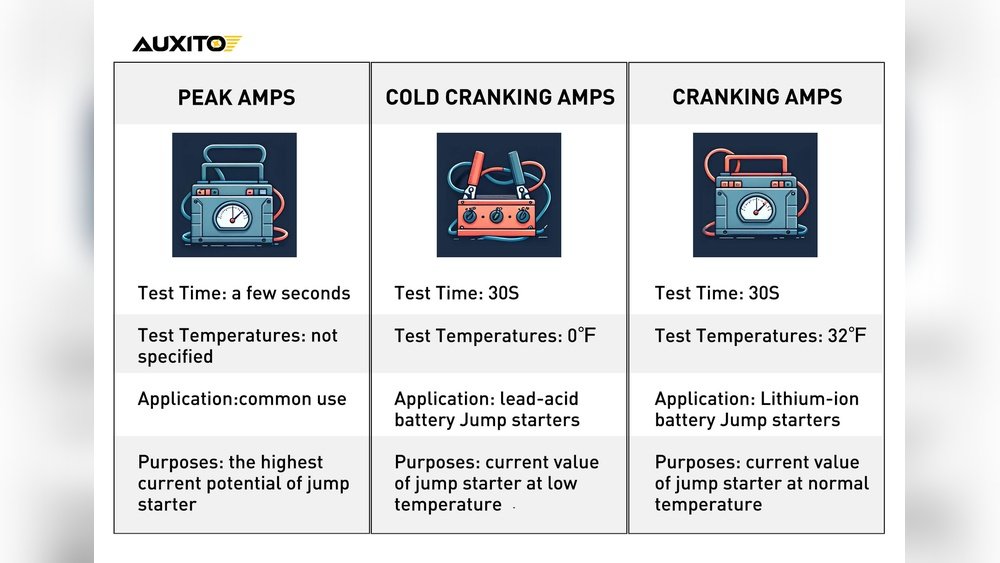
Understanding what Cold Cranking Amps (CCA) means is key to choosing the right battery. CCA measures a battery’s ability to start an engine in cold temperatures. This number shows how much current a battery can deliver for 30 seconds at 0°F while keeping voltage above a set level. Higher CCA means stronger starting power in the cold.
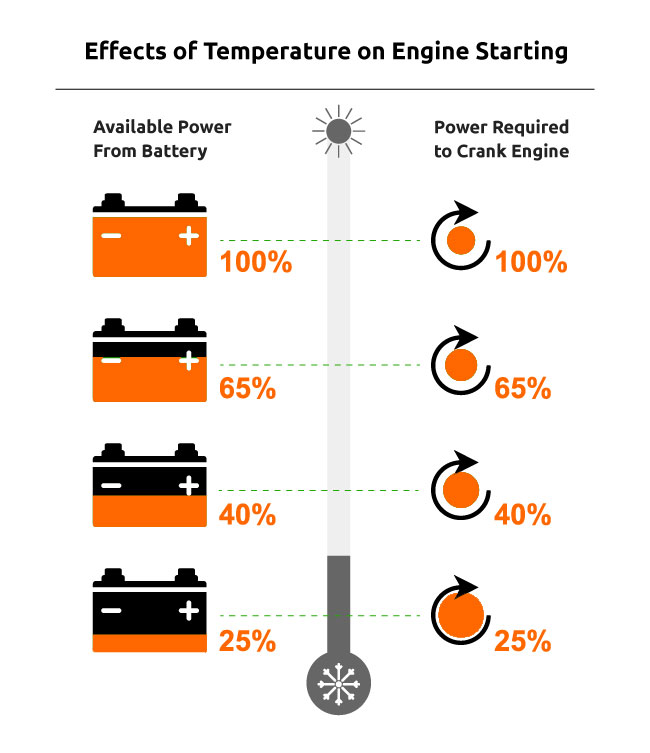
Choosing a battery with the right CCA helps ensure your vehicle starts smoothly in winter. Low temperatures make engines harder to start. A battery with enough CCA delivers the power needed to turn the engine over quickly. This reduces wear on your starter and improves reliability.
Definition And Importance
Cold Cranking Amps (CCA) is the amount of current a battery provides at cold temperatures. It shows how well the battery can start an engine in freezing weather. The higher the CCA, the better the battery performs in cold conditions.
CCA matters most in winter or cold climates. Batteries with low CCA may struggle to start engines. This can leave you stranded or damage your starter motor. Picking a battery with the right CCA level prevents these problems.
Impact On Engine Starting
Cold Cranking Amps directly affect how easily your engine starts. The starter motor needs a strong burst of power to turn the engine. A battery with high CCA gives this power even in freezing weather.
Without enough CCA, your engine may crank slowly or not start at all. This puts extra strain on electrical parts and leads to battery failure. A proper CCA rating keeps your engine starting fast and reliable.
Benefits Of Higher Cca
Higher Cold Cranking Amps (CCA) offer clear advantages for vehicle batteries. They provide more power to start engines quickly, especially in tough conditions. Choosing a battery with a higher CCA ensures better performance and less hassle. It helps your vehicle handle cold weather and challenging starts with ease.
Improved Cold Starts
Batteries with higher CCA deliver stronger bursts of power. This power helps the starter motor turn the engine faster. Cold engines need more energy to start. A higher CCA battery meets this demand easily. It reduces the chance of a slow or failed start. This benefit is vital during cold mornings or winter seasons.
Enhanced Reliability In Cold Climates
Cold weather strains car batteries and engine parts. Higher CCA batteries maintain their power better in low temperatures. They resist freezing and keep the engine running smoothly. This reliability reduces breakdown risks on cold days. Drivers can trust these batteries for dependable starts in winter. It adds peace of mind for those living in colder areas.
When Higher Cca May Not Be Better
Choosing a battery with a high Cold Cranking Amp (CCA) rating seems smart. It promises stronger starts in cold weather. Yet, higher CCA is not always better. Some risks and limitations come with chasing the highest CCA number.
Understanding these points helps in picking a battery that truly fits your needs. Not all batteries with high CCA perform equally well or last long.
Not The Sole Indicator Of Battery Quality
CCA measures a battery’s starting power in cold conditions. It does not show the battery’s overall health or lifespan. A battery with a very high CCA may still fail early if other parts are weak. Quality depends on factors like build materials and manufacturing standards. Always check the battery’s warranty and brand reputation.
Risks Of Thinner Lead Plates
To increase CCA, some batteries use thinner lead plates inside. Thin plates allow more surface area for power but reduce durability. These plates wear out faster, lowering battery life. Thin plates also struggle with deep discharges and heat. A battery that looks powerful might need replacement sooner than expected.
Size And Fitment Considerations
Higher CCA batteries can be larger or heavier than standard ones. Not all vehicles can fit bigger batteries safely. Using the wrong size may cause installation problems or damage the battery and car. Always verify the exact battery size and terminal layout for your vehicle. Proper fitment ensures safe and reliable operation.
Credit: www.ecolithiumbattery.com
Choosing The Right Battery
Choosing the right battery is essential for your vehicle’s performance and reliability. The battery must provide enough power to start the engine in all conditions. It should also last long and fit your vehicle’s needs. Understanding key factors helps you pick the best battery.
Checking Vehicle Manufacturer Recommendations
Your vehicle’s manufacturer sets specific battery requirements. These include size, voltage, and Cold Cranking Amps (CCA). Using a battery that meets these ensures proper fit and function. Always check the owner’s manual or the label under the hood. Following these guidelines prevents damage and starting problems.
Balancing Cca And Reserve Capacity
Cold Cranking Amps (CCA) measure the battery’s ability to start your engine in cold weather. Reserve Capacity (RC) shows how long the battery can run accessories if the alternator fails. A good battery balances both numbers. High CCA helps in winter. High RC supports electronics when the engine is off.
Prioritizing Brand Reputation And Durability
Choose batteries from brands known for quality and reliability. Well-made batteries last longer and perform better in tough conditions. Look for warranties and customer reviews. Durable batteries reduce the risk of unexpected failures. Investing in trusted brands saves money and hassle over time.
Top Batteries With High Cca Ratings
Choosing a battery with a high Cold Cranking Amps (CCA) rating ensures reliable starts in cold weather. High CCA batteries deliver strong bursts of power needed to start engines quickly. This section highlights top batteries with impressive CCA ratings, balancing power, price, and technology. Whether you want premium performance or budget-friendly options, this guide covers key choices.
Premium Picks For Extreme Power
Premium batteries offer the highest CCA ratings to support tough starting conditions. Brands like Optima and Odyssey provide powerful AGM batteries with CCAs often exceeding 800 amps. These batteries use advanced plate designs and durable materials for long life and consistent performance. Ideal for cold climates and heavy-duty vehicles, they ensure quick starts every time. Expect superior vibration resistance and deep cycling capability in these models.
Affordable Options With Strong Performance
Affordable batteries can still deliver solid CCA ratings, typically ranging from 600 to 700 amps. Brands such as DieHard and Interstate offer reliable options that fit most budgets. These batteries provide steady starting power without sacrificing quality. Their design focuses on balance between cost and performance, making them ideal for everyday cars and trucks. Regular maintenance helps extend their lifespan and maintain peak performance.
Agm And Specialized Battery Types
Absorbent Glass Mat (AGM) batteries are known for high CCA ratings and durability. They perform well in extreme temperatures and resist leaks or spills. AGM batteries recharge faster and last longer than traditional flooded types. Specialized batteries include those designed for marine or off-road use, often featuring enhanced CCA and rugged construction. These batteries suit vehicles needing reliable starts under harsh conditions or heavy electrical loads.

Credit: songlibattery.en.made-in-china.com
Tips For Maintaining Battery Performance
Maintaining the performance of your car battery is essential, especially for batteries with the highest cold cranking amps (CCA). Proper care helps extend battery life and ensures your vehicle starts reliably in cold weather. Simple steps can keep your battery in top shape and ready for any challenge.
Regular Testing And Inspection
Test your battery regularly to check its health and charge level. Use a voltmeter or a battery tester for accurate results. Look for signs of corrosion on terminals and clean them if needed. Tighten loose connections to avoid power loss. Early detection of issues prevents sudden failures.
Proper Installation Practices
Install the battery securely to avoid vibrations that can damage internal parts. Connect positive and negative terminals correctly to prevent short circuits. Use the right size battery for your vehicle to ensure proper fit and function. Follow manufacturer instructions for best results. Proper installation supports long battery life.
Storage And Usage In Cold Weather
Cold weather reduces battery power, so store your battery in a warm place when not in use. Use battery warmers or insulation blankets to maintain temperature. Start your vehicle regularly to keep the battery charged. Avoid short trips that do not allow full charging. Proper storage and usage improve cold weather performance.
Conclusion
Choosing a battery with the right cold cranking amps ensures reliable starts. Higher CCA helps in cold weather but is not everything. Always check your vehicle’s recommended CCA before buying. Balance cold cranking amps with reserve capacity for best results.
A well-matched battery keeps your engine starting smoothly and lasts longer. Stay informed and pick a battery that fits your needs and car.