Are you confident that your current mirrors are keeping you safe on the road? Blind spot mirrors can be a game-changer, helping you see what your regular mirrors miss.
But just slapping them anywhere won’t do the trick. The secret lies in where you place them and how you angle them. You’ll discover exactly where to position your blind spot mirrors for the clearest, most reliable view. With the right setup, you’ll catch those hidden vehicles and avoid dangerous surprises—making every drive safer and stress-free.
Keep reading to learn the simple steps to get your blind spot mirrors perfectly placed and working for you.
Choosing Blind Spot Mirrors
Choosing the right blind spot mirrors is important for safer driving. These small mirrors help you see areas your regular mirrors miss. Picking the correct type and understanding their benefits improves your view. This guide explains the types of blind spot mirrors and why convex mirrors are popular.
Types Of Blind Spot Mirrors
Blind spot mirrors come in different shapes and sizes. The most common types are flat, convex, and wide-angle mirrors. Flat mirrors show a true reflection but cover a small area. Convex mirrors curve outward and show a larger field of view. Wide-angle mirrors provide the broadest view and help spot fast-moving vehicles.
Some mirrors stick on with adhesive pads, while others clip onto your existing side mirror. Choose a type that fits your vehicle and driving needs. Adjustable mirrors allow you to change the angle for better coverage.
Benefits Of Convex Mirrors
Convex mirrors offer a wider field of vision than flat mirrors. They reduce blind spots and help detect cars in adjacent lanes. The curved surface makes objects look smaller, so you see more at once. This helps you react faster to nearby vehicles or obstacles.
These mirrors improve safety during lane changes and merging. They are easy to install and adjust. The wider view helps you spot motorcycles, bicycles, and pedestrians more easily. Convex blind spot mirrors are a simple way to boost your driving awareness.
Preparing For Installation
Preparing for installation is a vital step for blind spot mirrors. Proper preparation helps the mirrors stick well and last long. It also ensures clear visibility without any distractions. Taking time before you start will save effort later.
Focus on two main tasks. Clean the mirror surface thoroughly. Gather all tools you will need for the job. Both steps make the installation smooth and effective.
Cleaning The Mirror Surface
Start by cleaning the side mirror carefully. Use a soft cloth with glass cleaner or rubbing alcohol. Remove all dirt, dust, and grease. This helps the blind spot mirror stick firmly. Avoid using harsh chemicals that may damage the mirror. Let the surface dry completely before moving on.
Gathering Necessary Tools
Collect the tools and materials needed for installation. Usually, you need blind spot mirrors, cleaning cloth, and adhesive pads or glue. Some mirrors come with built-in adhesive. Have a small screwdriver or plastic tool ready if adjustment is required. Keep everything within reach to avoid interruptions. A steady hand and good lighting also help during the process.
Setting Main Side Mirrors
Properly setting your main side mirrors is the first step to eliminate blind spots. The goal is to reduce the area your mirrors miss. Good mirror placement improves safety and driving comfort.
Adjust mirrors to balance visibility of the road and your car’s side. This setup helps blind spot mirrors work better.
Adjusting For Minimal Car Reflection
Position the main side mirrors to show only a small part of your car’s side. Too much of your car in the mirror wastes space. It reduces the mirror’s view of the lanes next to you.
Keep the car reflection minimal but visible. This helps you judge distances and lane changes easily.
Positioning For Maximum Coverage
Angle the mirrors outward until the side of your car just disappears from view. This widens your field of vision. It covers the lanes beside and behind your vehicle.
Test by sitting in the driver’s seat. Make small adjustments until you see the road clearly without blind spots. This position works well with blind spot mirrors for full coverage.

Credit: www.dubizzle.com
Placing Blind Spot Mirrors
Placing blind spot mirrors correctly improves your driving safety. These small mirrors expand your side view and reduce blind spots. Proper placement helps you see cars in adjacent lanes clearly. Positioning varies by vehicle and personal preference. Experiment to find the spot that works best for you.
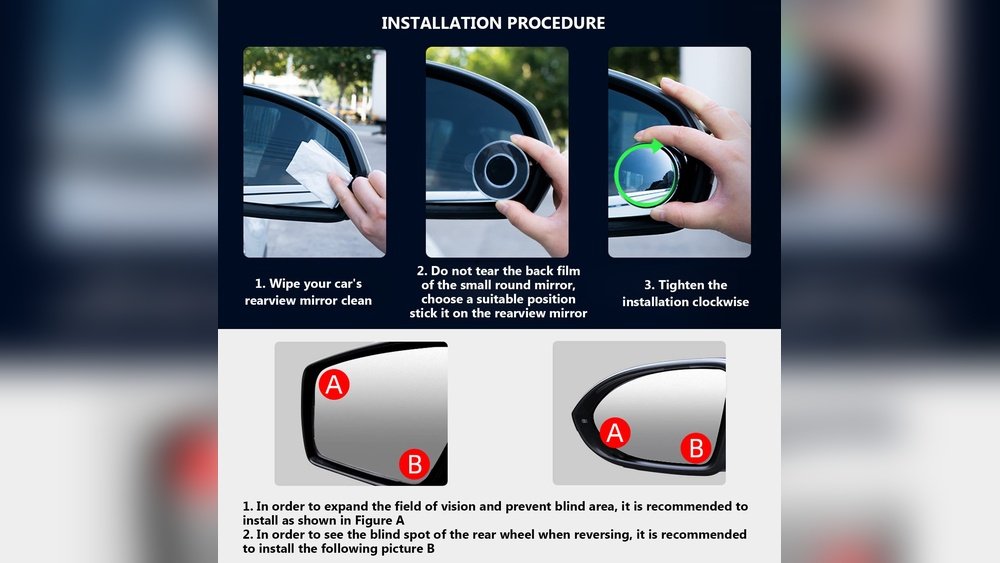
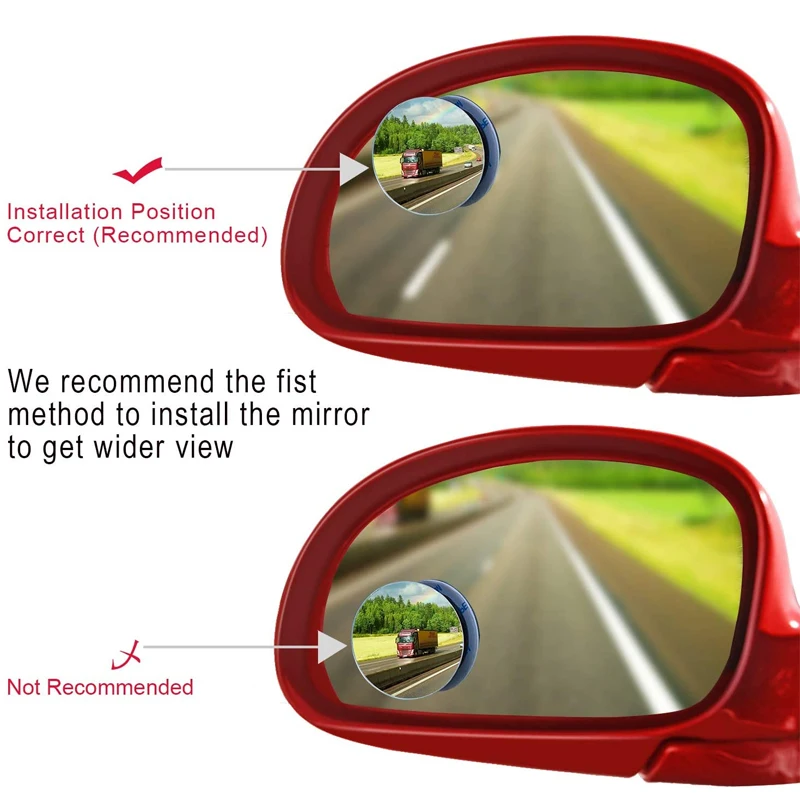
Most drivers attach blind spot mirrors on the outer edge of their main side mirrors. Angle them to capture the side of your car and the lane beside you. This creates a smooth visual transition from the main mirror to the blind spot mirror. Adjusting the angle is key to maximize coverage.
Upper Outer Corner Placement
Place the blind spot mirror at the upper outer corner of your main mirror. This position shows the lane beside your car clearly. It helps you spot vehicles approaching from behind quickly. This spot works well for most cars and trucks. It also keeps the mirror within easy view.
Lower Outer Corner Placement
Some drivers prefer placing blind spot mirrors at the lower outer corner. This spot provides a wider angle to see low-lying objects or smaller vehicles. It is useful for parking and tight spaces. This position may require more adjustment to avoid glare. Test this spot to see if it fits your driving style.
Angling For Best Transition View
Angle your blind spot mirrors inward toward your vehicle. This helps you see the side of your car and the adjacent lane clearly. The goal is a smooth transition of objects moving from the main mirror to the blind spot mirror. Avoid extreme angles that cause distorted or unclear images. Make small adjustments and check by driving in traffic.
Testing And Adjusting
Testing and adjusting blind spot mirrors is essential for safety. Proper checks ensure you see all hidden areas. Small changes can make a big difference in visibility.
Start by checking how your mirrors cover blind spots. Adjust angles carefully to match your driving style. This process takes time but improves your confidence on the road.
Performing The Walk-by Test
Stand beside your car and watch the mirror views. Have a friend walk slowly from the front to the back. Notice when they appear in the main mirror and then the blind spot mirror. The transition should be smooth without gaps.
This test shows if the mirrors cover all blind spots. If your friend disappears from view, adjust the mirror position. Repeat the walk-by test until you see the person clearly at all times.
Fine-tuning Mirror Angles
Adjust the blind spot mirror angles to reduce blind zones. Tilt them slightly inward to catch side areas missed by main mirrors. Avoid extreme angles that distort the view.
Check the mirrors from your driving position. Make small angle changes and sit back to see if coverage improves. Proper angle setup helps spot vehicles in adjacent lanes faster.
Experimenting With Different Positions
Blind spot mirrors fit different cars differently. Try placing them on the upper or lower outer corners of the main mirror. Each position offers unique visibility advantages.
Test each position during real driving conditions. Notice which spot shows the best view of your blind spots. Choose the position that feels natural and gives clear coverage.

Credit: www.youtube.com
Tips For Optimal Use
Proper use of blind spot mirrors improves your driving safety. Correct placement is only the first step. Regular care and adjustment ensure they work well. Small actions can make a big difference on the road.
Focus on keeping your mirrors clear and suited to your driving style. These tips help you get the most from your blind spot mirrors every day.
Maintaining Clean Mirrors
Clean mirrors provide a clear view of your surroundings. Dirt, dust, or water spots can blur your vision. Wipe your mirrors regularly with a soft cloth. Use mild soap and water for tough grime. Avoid harsh chemicals that may damage the mirror surface.
Check mirrors before every drive to ensure they are clean. This simple habit reduces the chance of missing objects in your blind spot.
Adapting To Personal Driving Needs
Every driver has a unique style and car size. Adjust your blind spot mirrors to fit your specific needs. Angle them to cover areas you find hard to see. Test different positions while parked to find the best view.
Change mirror angles if you switch vehicles or carry different loads. Regular adjustment helps maintain optimal coverage. Your blind spot mirrors should always show a smooth transition from your main mirrors.
Common Mistakes To Avoid
Blind spot mirrors help drivers see areas normal mirrors miss. Proper placement reduces accidents by showing cars in adjacent lanes. These small mirrors increase awareness of nearby vehicles quickly and clearly.
Correctly placed blind spot mirrors complement your vehicle’s main mirrors. They expand your field of vision, making lane changes safer. Drivers gain confidence and react faster to potential hazards.
Integrating Blind Spot Mirrors With Shoulder Checks
Blind spot mirrors do not replace shoulder checks. They are an extra tool to spot hidden vehicles. Always glance over your shoulder before changing lanes. Use blind spot mirrors to confirm what you see.
Position mirrors to show the side of your car and the next lane. This setup helps your eyes move smoothly from main mirror to blind spot mirror. It reduces blind zones and supports safer driving habits.
Using Mirrors For Reversing And Parking
Blind spot mirrors assist in reversing and parking. They provide a wider view of curbs and obstacles. Place them so they cover areas close to your rear wheels.
Check these mirrors while backing up to avoid hitting objects. They help judge distances and angles better. This makes parking easier and lowers the chance of damage.
Credit: dcclearautobra.com
Conclusion
Proper placement of blind spot mirrors improves your driving safety. Attach them on the outer edge of your side mirrors. Angle them inward to view your car’s side and the next lane. Adjust so objects move smoothly from the main mirror to the blind spot mirror.
Try upper or lower corners to find what works best. Regular checks and adjustments keep your mirrors effective. Safe driving depends on clear, wide views around your vehicle. Use your mirrors well to avoid accidents and stay alert on the road.