Is your car’s lead acid battery ready to perform when you need it most? Whether you’re commuting daily or planning a road trip, a well-maintained battery ensures your vehicle starts smoothly and runs reliably.
Neglecting simple upkeep can lead to unexpected breakdowns and costly replacements. But don’t worry—by following a straightforward maintenance checklist, you can extend your battery’s life and keep your car running strong. In this guide, you’ll discover easy steps to check, clean, and care for your lead acid battery, helping you avoid common problems before they happen.
Ready to take control of your car’s power source? Let’s dive into the essential maintenance tips you need to know.
Battery Inspection
Regular battery inspection is vital for a healthy lead acid battery. It helps spot issues early. This keeps your car running smoothly and avoids sudden battery failure. Follow these simple steps to inspect your battery effectively.
Check For Corrosion
Corrosion often appears as white or green powdery buildup on battery terminals. It blocks the flow of electricity. Clean corrosion with a mixture of baking soda and water. Use a wire brush to gently scrub the terminals. Wipe dry before reconnecting cables.
Inspect Wire Connections
Ensure all wires are tight and firmly attached to the battery. Loose connections cause poor performance and starting problems. Look for frayed or damaged wires and replace them. Secure connections improve battery life and car reliability.
Look For Cracks And Leaks
Examine the battery case for cracks or any fluid leaks. Cracks allow acid to escape, damaging the battery and car parts. Leaks can cause corrosion and short circuits. Replace the battery immediately if you find any damage.

Credit: www.amazon.com
Cleaning Procedures
Cleaning your car’s lead acid battery is key to its long life. Dirt and corrosion reduce battery power and cause failures. Regular cleaning keeps the battery working well and prevents damage. Follow safe steps to clean the battery without harm.
Clean Terminals And Caps
Start by removing any dirt or corrosion on the battery terminals and caps. Use a wire brush or an old toothbrush to scrub the metal parts gently. Dirty terminals block electrical flow and cause starting problems. Make sure to disconnect the battery cables before cleaning.
Use Baking Soda Solution
Mix baking soda with water to create a cleaning paste. Apply this paste to corroded areas on the battery terminals. The baking soda neutralizes acid and removes corrosion safely. Let it sit for a few minutes, then scrub gently with a brush. Rinse with clean water and dry thoroughly.
Keep Battery Dry
After cleaning, ensure the battery stays dry. Moisture causes corrosion and electrical shorts. Wipe the battery surface with a dry cloth and avoid water pooling near terminals. Store the battery in a dry place if removed from the car. Dryness helps maintain good battery health and performance.
Electrolyte Management
Proper electrolyte management is crucial for the health of your car’s lead acid battery. The electrolyte is a liquid mixture inside the battery that helps produce electrical energy. Maintaining the right level and quality of this liquid keeps the battery working efficiently and extends its life.
Neglecting electrolyte care can lead to reduced battery performance and early failure. Regular checks and correct handling protect the battery from damage caused by evaporation and contamination. Follow these simple steps to manage your battery’s electrolyte safely and effectively.
Check Water Levels
Open the battery caps carefully to inspect the electrolyte level. The liquid should cover the battery plates completely. If the level is low, the plates may be exposed, causing damage and reducing battery capacity.
Add Distilled Water
Only use distilled water to refill the battery cells. Tap water contains minerals that can harm the battery. Pour water slowly to avoid spilling. Fill each cell just enough to cover the plates without flooding.
Avoid Overfilling
Do not fill the cells above the recommended level. Overfilling can cause the electrolyte to spill out during charging. This may damage battery parts and create a safety hazard. Keep the water level within the specified limits for best results.
Charging Tips
Proper charging is key to a long-lasting lead acid battery. It keeps the battery healthy and ready to use. Follow these simple tips to avoid damage and extend battery life.
Use Correct Charger
Always use a charger made for lead acid batteries. Chargers with wrong voltage or current can harm the battery. Check the charger’s specifications before use. Using the correct charger ensures safe and efficient charging.
Avoid Overcharging
Overcharging causes heat and water loss inside the battery. This reduces battery capacity and shortens life. Remove the charger once the battery reaches full charge. Use smart chargers that stop automatically to prevent overcharging.
Equalize Battery Periodically
Equalizing means charging the battery at a higher voltage briefly. This balances the cells and removes sulfate build-up on the plates. Perform equalization every few months or as recommended. It helps keep the battery in good shape and improves performance.
Temperature Effects
Temperature plays a major role in the health and performance of lead acid car batteries. Extreme temperatures can reduce battery life and efficiency. Both very hot and very cold conditions create challenges that need careful attention. Understanding these effects helps keep your battery reliable and long-lasting.
Protect From Extreme Heat
High temperatures increase battery fluid evaporation. This leads to lower electrolyte levels and potential damage. Heat speeds up chemical reactions inside the battery, causing it to age faster. Park your car in shaded or covered areas to avoid direct sunlight. Check fluid levels more often during hot weather to maintain proper balance.
Avoid Freezing Conditions
Cold weather slows down battery reactions and reduces power output. When temperatures drop below freezing, the battery fluid can freeze and crack the battery case. Keep your battery charged fully before winter to prevent freezing. Use insulation or battery warmers in very cold climates to protect the battery from frost damage.
Store In Ventilated Area
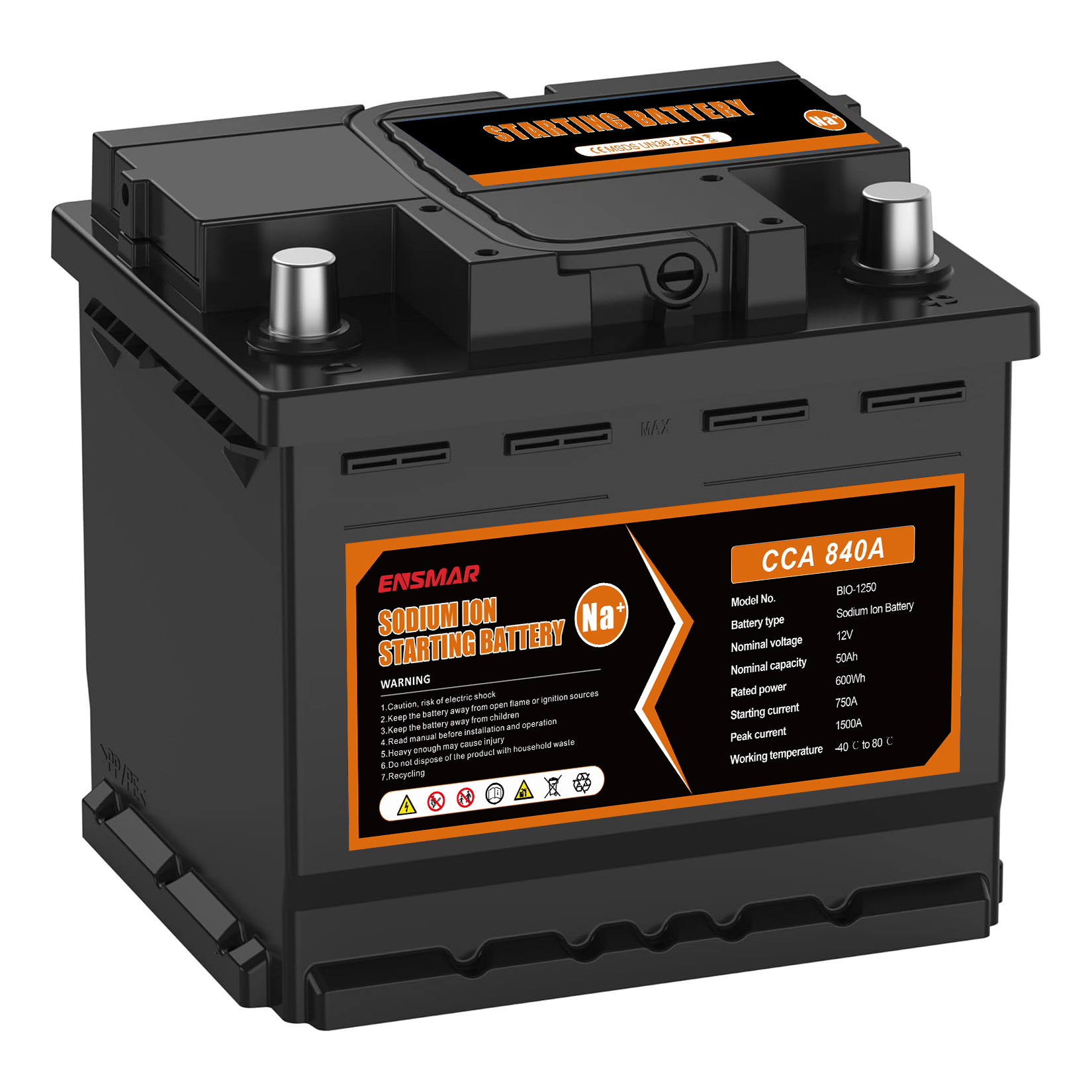
Batteries release gases during charging and use. Storing them in a tight, unventilated space risks gas build-up, which can be dangerous. Always keep your battery in a well-ventilated area to allow gases to escape safely. Proper airflow also helps keep the battery cool and prevents overheating.
Credit: www.ensmarpower.com
Storage Guidelines
Proper storage is vital for keeping your car’s lead acid battery healthy. A battery stored incorrectly loses charge and can get damaged quickly. Follow simple steps to store your battery safely and extend its life. These guidelines help avoid common issues like corrosion and sulfation during storage.
Charge Before Storage
Always charge the battery fully before storing it. A fully charged battery resists damage and lasts longer. Do not store a battery that is half-charged or discharged. Charging prevents the battery from freezing in cold weather. It also stops the battery from sulfating, which reduces its capacity.
Check Battery Monthly
Check the battery once every month during storage. Use a voltmeter to measure its charge level. If the voltage drops below 12.4 volts, recharge the battery. Monthly checks prevent deep discharge and permanent damage. Keep the battery terminals clean and dry to avoid corrosion.
Maintain Proper Ventilation
Store the battery in a well-ventilated area. Good airflow prevents the build-up of harmful gases. Avoid storing the battery in closed or tight spaces. Proper ventilation also helps control temperature and humidity. This reduces the risk of battery overheating and acid leaks.

Credit: www.ebay.com
Conclusion
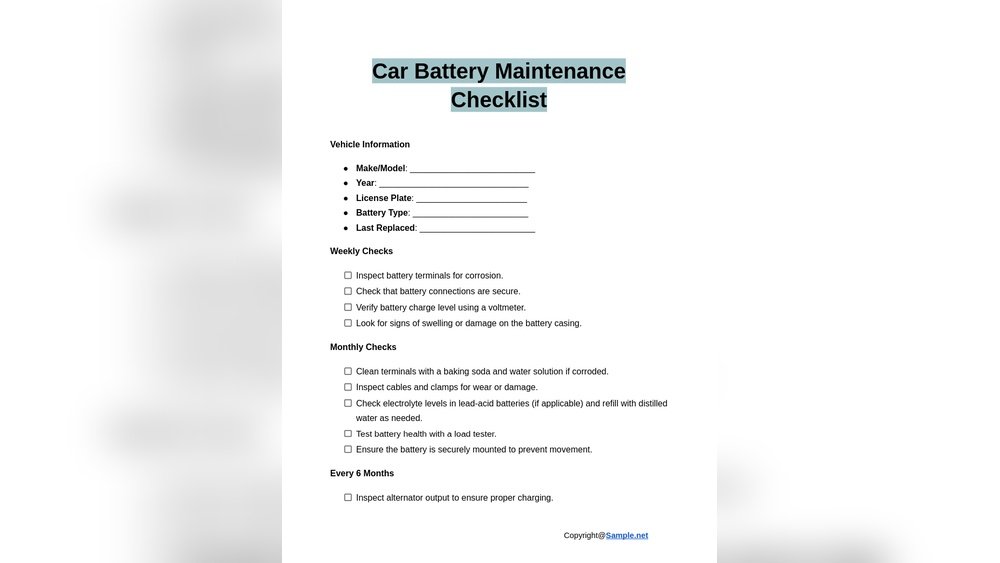
Proper maintenance keeps your car’s lead acid battery working longer. Check connections and clean terminals regularly. Keep electrolyte levels topped with distilled water. Avoid extreme temperatures when parking your vehicle. Inspect the battery for cracks or leaks often. Simple care prevents costly battery replacements down the road.
Follow this checklist to ensure reliable starts every time. A healthy battery means a smoother, safer drive.