
Have you noticed your brand new tire losing air pressure, even though it looks perfect? It’s frustrating and confusing when a fresh tire starts going flat without an obvious reason.
You might wonder if it’s normal or if something is seriously wrong. The truth is, new tires can lose air for several hidden reasons that you might not expect. Understanding why this happens can save you time, money, and keep you safe on the road.
You’ll learn the common causes behind your new tire’s air loss and simple steps you can take to find and fix the problem quickly. Keep reading to protect your investment and drive with confidence.

Credit: bdrautomotive.com
Common Causes Of Air Loss
Air loss in a brand new tire can surprise many drivers. Tires should hold air well, but sometimes they don’t. Understanding common causes helps identify and fix the issue fast. Many factors cause slow leaks or sudden drops in pressure. Some problems hide where you cannot see them easily.
Valve Stem Problems
The valve stem controls air entry and exit. If it cracks, air escapes slowly. Dirt or debris can stop the valve core from sealing tightly. A loose valve cap or damaged stem causes leaks. Checking valve stems regularly helps prevent pressure loss.
Bead Seal Issues
The bead seal is where the tire meets the rim. Dirt, dust, or corrosion can stop it from sealing properly. Even a small gap lets air escape. Poor installation or movement can break the seal. Cleaning the rim and bead area fixes many leaks.
Rim Damage And Corrosion
Rims can get bent or corroded from potholes or road salt. This damage creates air gaps between tire and rim. Rust builds up and weakens the seal. A damaged rim may need repair or replacement to hold air well.
Tiny Hidden Punctures
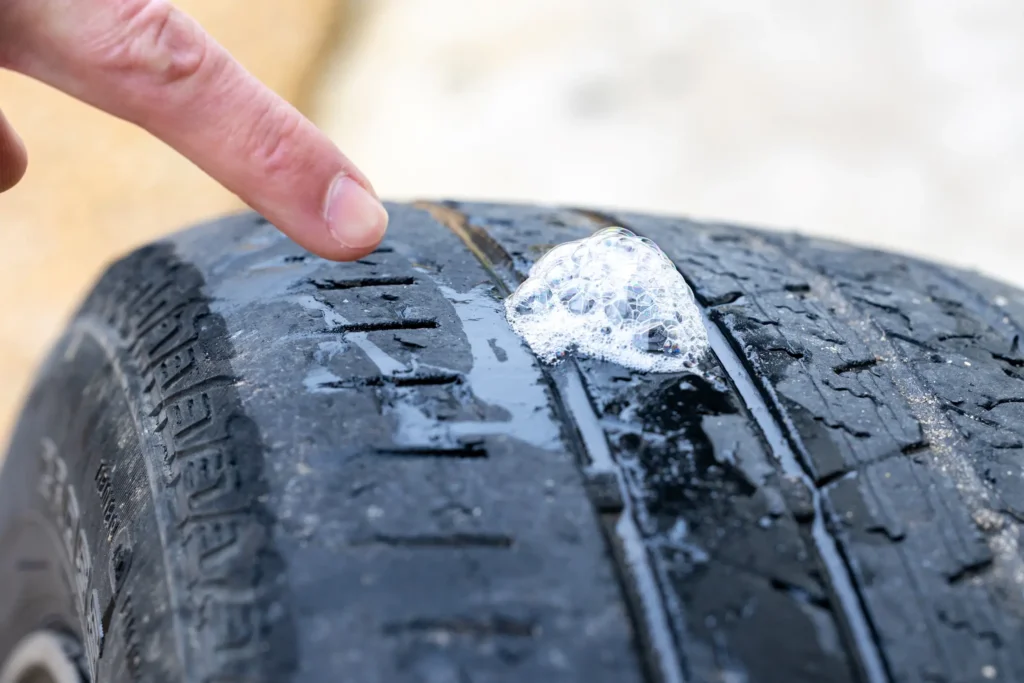
Small nails, glass shards, or sharp stones can cause tiny holes. These holes leak air slowly and are hard to spot. They may not cause a flat immediately but reduce pressure over time. Using soapy water helps find these slow leaks.
Natural Air Permeation
Air molecules pass through tire rubber slowly. This is normal and causes gradual pressure loss. New tires may lose a small amount of air in a few days. Regular pressure checks keep tires safe and properly inflated.
Temperature Effects
Cold weather makes air shrink and pressure drop. Hot weather causes air to expand and increase pressure. Sudden temperature changes affect tire pressure quickly. Adjusting tire pressure with the seasons keeps driving safe.

Credit: bdrautomotive.com
Detecting Air Leaks
Detecting air leaks in a brand new tire is essential to keep it functioning properly. Even new tires can lose air due to small leaks. Finding these leaks early prevents further damage and unsafe driving conditions.
Simple tools and methods can help identify where the air escapes. Careful inspection around common leak points reveals hidden problems. This section explains easy ways to detect air leaks.
Using Soapy Water Spray
Mix water and liquid soap in a spray bottle. Spray the solution over the tire surface. Focus on areas where leaks are likely. The soapy water helps make leaks visible.
Spotting Bubbles
Watch closely after spraying the soapy water. Tiny bubbles will form where air escapes. These bubbles show the exact location of the leak. Mark these spots for repair or further inspection.
Checking Valve Stem And Bead Area
Inspect the valve stem for cracks or damage. Dirt near the valve can stop it from sealing tightly. Check the bead area where the tire meets the rim. Dirt, rust, or damage here can cause leaks. Clean these parts carefully to ensure a good seal.
Quick Fixes For Air Loss
Air loss in a brand new tire can cause frustration and safety concerns. Quick fixes help stop leaks and keep your tire inflated. Acting early can prevent bigger problems on the road.
Replacing The Valve Stem
The valve stem may crack or wear out. Dirt or debris can block the valve core. Replacing the valve stem stops slow leaks. It is a simple and affordable fix. Use the right tools to remove and install a new stem.
Cleaning And Re-seating The Bead
The bead is where the tire meets the rim. Dirt, corrosion, or damage can cause gaps. Clean the rim and tire bead carefully. Re-seat the tire bead to ensure a tight seal. This helps prevent air from escaping around the edges.
Repairing Or Replacing The Rim
A bent or damaged rim can cause air loss. Check the rim for dents or cracks. Minor damage can sometimes be repaired by a professional. Severe damage requires rim replacement. A good rim keeps the tire sealed and safe.
Patching Small Holes
Small holes or punctures cause slow leaks. Locate the hole using soapy water spray. Bubbles form where air escapes. Use a tire patch kit to seal the hole. This fix works well for minor punctures.
Monitoring Pressure In Cold Weather
Cold weather lowers tire pressure naturally. Check tire pressure more often during winter. Add air to maintain the recommended pressure. Proper pressure improves tire performance and safety. Keep a reliable pressure gauge handy for quick checks.
Preventive Tips
Keeping your brand new tires from losing air pressure is key to safe driving and longer tire life. Simple actions can stop leaks before they start. These preventive tips help maintain proper tire pressure and avoid common problems.
Regular Pressure Checks
Check tire pressure at least once a month. Use a reliable tire gauge for accuracy. Proper pressure improves fuel efficiency and tire wear. Do not rely on visual inspection alone. Tires can lose air slowly without visible signs.
Avoiding Rough Roads
Drive carefully on rough or uneven roads. Potholes and sharp objects can damage tires and rims. Slow down to reduce impact on tires. This lowers the risk of air leaks from beads or sidewalls. Smooth driving extends tire life and safety.
Proper Tire Installation
Ensure tires are installed by trained professionals. Poor installation causes gaps between tire and rim. These gaps lead to slow air leaks. Proper mounting and seating prevent bead leaks. Ask the technician to check the seal carefully.
Using Quality Valve Components
Use valve stems and caps of high quality. Cheap or damaged valves often cause air loss. Replace valve cores during tire changes. Keep valve caps tight to block dirt and moisture. Good valve parts ensure a secure seal and steady pressure.
Credit: www.greasepro.com
Conclusion
New tires losing air pressure is a common issue. Check valve stems and bead seals carefully. Dirt, corrosion, or rim damage often cause leaks. Temperature changes can make pressure drop naturally. Tiny punctures may hide and cause slow leaks. Regularly inspect tires to catch problems early.
Keep your tires properly inflated for safe driving. Address leaks quickly to avoid bigger issues later. Staying aware helps your tires last longer and perform well.