Imagine cruising down the road when suddenly your steering wheel feels like it’s locked in place. You try to turn, but it’s heavy, unresponsive, and every maneuver demands extra muscle.
This is what happens when your power steering fails. So, can you drive without power steering? The short answer is yes—but it’s far from easy or safe. If you find yourself in this situation, knowing exactly what to do can save you from panic, accidents, and costly repairs.
Keep reading to discover how to handle driving without power steering, why it’s so challenging, and the smartest steps to take the moment your steering assistance cuts out. Your safety—and your car—depend on it.
Driving Without Power Steering
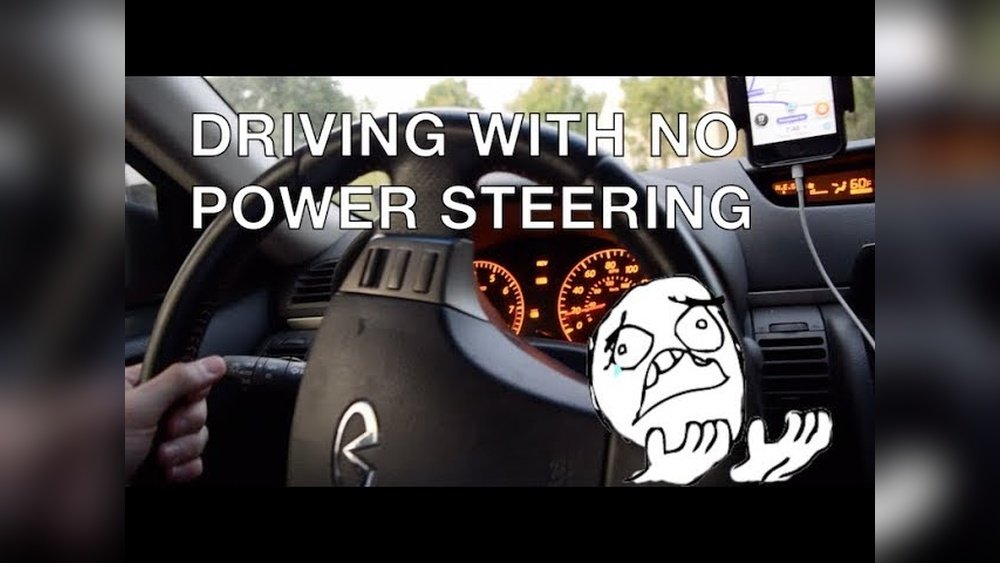
Driving without power steering is possible but not easy. Your vehicle’s steering system loses the usual assistance that makes turning smooth and simple. This change affects how you handle the car, especially in tight spaces or slow traffic. Understanding what happens during this loss helps you stay safe and in control.
How Steering Changes
Without power steering, the steering wheel becomes much harder to turn. You feel more resistance as you try to steer. The effort needed to move the wheel increases greatly. This happens because the power boost from the pump or electric motor is missing. You must use more force with your arms and shoulders.
Challenges At Low Speeds
Turning the wheel at low speeds becomes very difficult. Parking, tight corners, and slow traffic require more strength. Maneuvering in these situations can be tiring and slow. You may struggle to make quick turns or adjust the wheel smoothly. This can increase the risk of hitting curbs or obstacles.
Impact On Vehicle Control
Control of the vehicle feels different without power steering. Steering responses are slower and less precise. In emergencies, it may be harder to steer quickly. Your ability to keep the car steady during turns decreases. This demands greater focus and careful handling to maintain safety on the road.
Credit: mycalgarymechanic.ca
Immediate Actions When Power Steering Fails
When your power steering fails, assessing your situation is critical. It affects how you handle the vehicle and decide your next steps. Understanding the severity and your surroundings helps you make safer choices. Drive carefully, or get help quickly to avoid accidents or damage.
Deciding To Drive Or Call For Help
Check how hard it is to turn the wheel. If the steering feels very heavy, driving is risky. Consider your location. Near a repair shop? Driving slowly might be possible. Far from help? Calling a tow is safer. Don’t force the steering if it resists sharply.
Risks Of Continuing To Drive
Without power steering, the wheel needs much more effort to turn. This can cause quick fatigue and slow your reactions. Emergency turns become harder, increasing accident risk. The power steering system may suffer more damage if you keep driving. Pump failure or belt breakage can lead to costly repairs.
Locating A Repair Shop Or Tow Service
Use your phone or ask nearby people for the closest repair shop. Choose a place that handles steering problems well. If you cannot drive safely, call a tow service immediately. Many towing companies offer quick response in urban areas. Keep the contact of a reliable tow service for emergencies.
Assessing Your Situation
Driving without power steering is risky and affects vehicle control. Power steering helps drivers turn the wheel easily. Without it, steering becomes hard and unsafe. It increases the chance of accidents and can damage your car. Understanding these risks helps you stay safe on the road.
Increased Steering Effort
Without power steering, the steering wheel becomes very hard to turn. You must use much more force to steer, especially at low speeds. This extra effort can tire your arms quickly and reduce your control of the vehicle. It makes driving stressful and unsafe, particularly in tight spots.
Delayed Emergency Reactions
Power steering allows quick and smooth steering movements. Losing this aid slows your reaction time during emergencies. Turning the wheel fast to avoid danger becomes difficult. This delay can cause accidents or collisions that could have been avoided. Your ability to handle sudden road hazards drops significantly.
Potential Mechanical Damage
Driving without power steering can harm the steering system. The pump and belt may overheat or break from extra strain. Continuing to drive risks costly repairs and complete steering failure. Ignoring power steering problems can lead to further damage to your vehicle’s engine and other parts.

Credit: www.youtube.com
Why Driving Without Power Steering Is Risky
Power steering failure can happen for several reasons. Understanding these causes helps you recognize problems early. Early detection avoids dangerous driving conditions and costly repairs.
Hydraulic System Issues
Most older cars use hydraulic power steering. It relies on fluid to help turn the wheel. Low fluid levels cause poor steering response. Leaks in hoses or seals reduce fluid pressure. A broken pump stops fluid flow, making steering very hard. Contaminated or old fluid can damage system parts.
Electric Power Steering Malfunctions
Newer cars use electric power steering systems. These systems depend on sensors and motors. A faulty sensor may send wrong signals. A broken motor or wiring issue can stop assistance. Software glitches in the control module affect performance. Battery problems or blown fuses can also cause failure.
Common Warning Signs
Listen for whining or groaning noises when turning. Notice if the steering wheel feels stiff or jerky. Warning lights on the dashboard may light up. Sudden changes in steering effort suggest trouble. Fluid leaks under the car signal hydraulic issues. Early signs help prevent full power steering failure.
Power Steering Failure Causes
Driving without power steering demands extra care and attention. The steering wheel becomes harder to turn, requiring more physical effort. This change can surprise many drivers and increase the risk of accidents. Follow these safety tips to manage your vehicle safely without power steering.
Adjusting Steering Technique
Hold the steering wheel firmly with both hands. Use smooth and steady movements to turn the wheel. Avoid sudden or sharp steering actions that can cause loss of control. Small, gradual turns are easier to manage without power assistance. Be prepared for the extra effort needed, especially at low speeds.
Reducing Speed And Avoiding Sharp Turns
Drive slower than usual to give yourself more reaction time. Lower speeds reduce the effort needed to steer the car. Avoid sharp or quick turns that require heavy steering input. Wide, gentle turns help maintain control and reduce stress on the steering system. Slow driving also helps prevent accidents on busy roads.
Maintaining Focus And Preparedness
Stay alert and watch the road carefully. Keep both hands ready on the wheel at all times. Be prepared for the increased physical demand of steering. Focus on smooth driving and avoid distractions. Plan your route to avoid tight spaces or heavy traffic when possible. Always have a plan to stop safely if steering becomes too difficult.
Safety Tips For Driving Without Power Steering
Preventing power steering problems is essential for safe and easy driving. The power steering system helps you turn the wheel with little effort. Keeping this system in good shape avoids sudden failures and costly repairs. Simple steps can extend the life of your power steering and keep your vehicle running smoothly.
Regular Fluid Checks And Changes
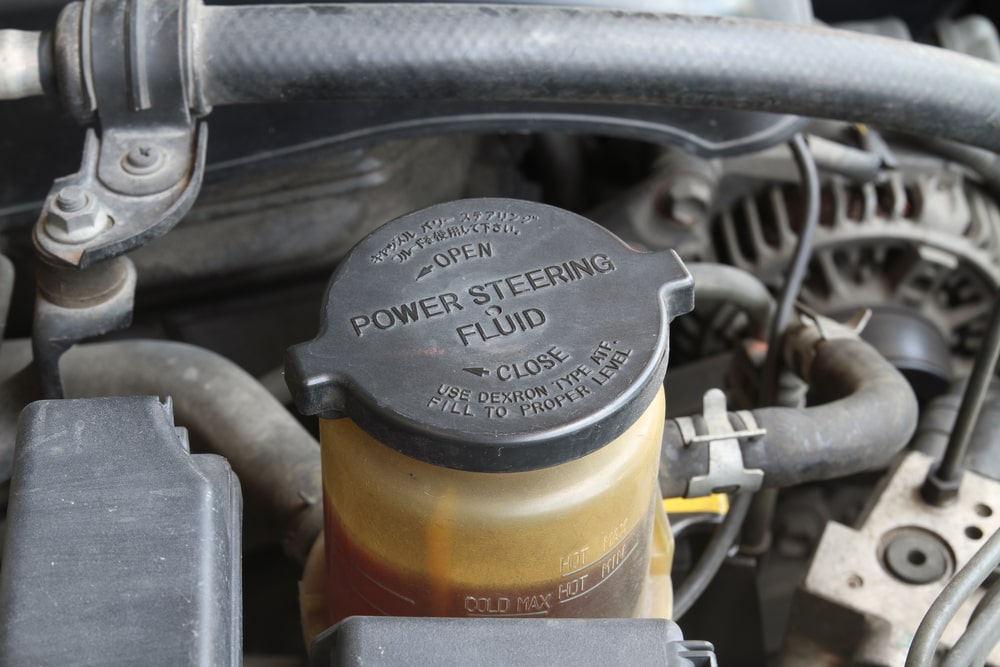
Power steering fluid helps the system work smoothly. Check the fluid level often. Low fluid can cause noises and hard steering. Change the fluid as the car manual suggests. Clean fluid prevents damage and keeps the pump healthy. Use the correct type of fluid for your car.
Inspecting Belts And Pumps
Belts and pumps move the power steering fluid. Look for cracks or wear on belts. A broken belt stops the power steering from working. Pumps should not make strange noises or leak fluid. Inspect these parts regularly to catch problems early. Replace worn belts and faulty pumps right away.
Prompt Repairs And Maintenance
Fix power steering issues quickly to avoid bigger problems. Strange noises, hard steering, or leaks need immediate attention. Delaying repairs can cause the pump to fail completely. Regular maintenance checks by a mechanic help spot issues early. Timely repairs save money and keep driving safe.

Credit: www.autonationmobileservice.com
Conclusion
Driving without power steering is possible but not easy. The steering wheel feels very heavy, making turns harder. This can be dangerous, especially in emergencies or tight spaces. It is best to drive slowly and carefully if needed. Calling a mechanic or tow service is safer to avoid more damage.
Taking quick action protects you and your vehicle. Remember, power steering helps keep control smooth and safe. Stay cautious and fix the issue as soon as possible.