
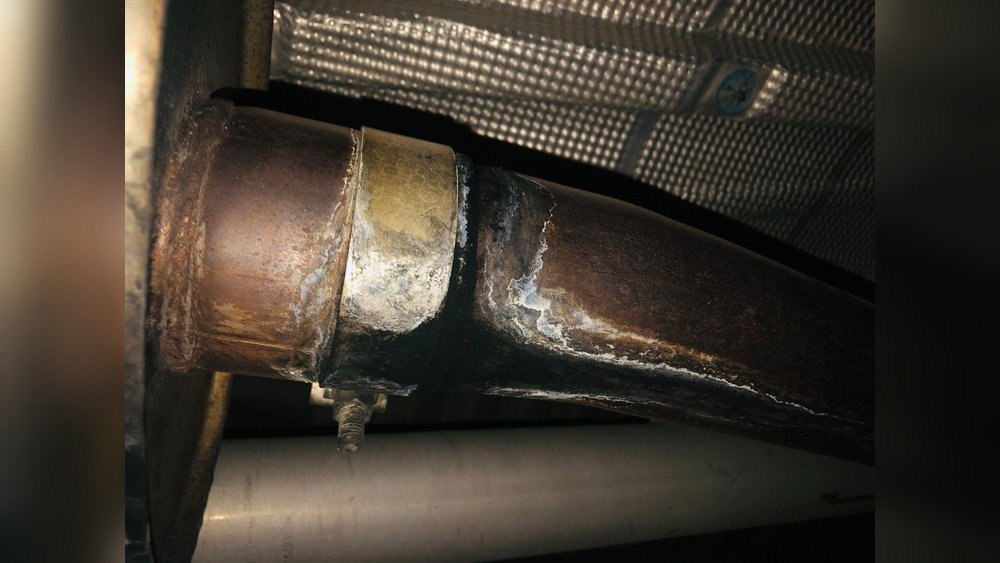
Have you noticed your engine misfiring or feeling less powerful lately? You might be surprised to learn that an exhaust leak could be the hidden culprit behind these issues.
When exhaust gases escape where they shouldn’t, it can disrupt your engine’s balance and cause misfires that affect your car’s performance and fuel efficiency. You’ll discover exactly how an exhaust leak can lead to misfires, what signs to watch for, and why fixing it promptly can save you from costly repairs down the road.
Keep reading to make sure your engine runs smoothly and your drives stay trouble-free.

Credit: www.reddit.com
Exhaust Leak Basics
An exhaust leak can directly affect engine performance and cause misfires. The leak disturbs the balance of the air-fuel mixture inside the engine. This imbalance often leads to poor combustion and misfires. Understanding how an exhaust leak triggers these issues helps diagnose engine problems effectively.
Rich Air-fuel Mixture Effects
An exhaust leak allows extra air to enter the exhaust system. This extra air tricks the oxygen sensors. The sensors then signal the engine control unit to add more fuel. The result is a rich air-fuel mixture. A rich mixture can cause incomplete combustion. Incomplete combustion leads to engine misfires and rough running.
Carbon Fouling On Spark Plugs
Excess fuel from a rich mixture causes carbon buildup on spark plugs. Carbon fouling reduces the spark plugs’ ability to ignite the fuel. Weak sparks cause cylinders to misfire. Misfires lower engine power and fuel efficiency. Cleaning or replacing fouled spark plugs can restore smooth engine performance.
Reduced Exhaust Backpressure
An exhaust leak decreases exhaust backpressure in the system. Proper backpressure is necessary for efficient engine operation. Low backpressure disrupts exhaust gas flow and scavenging. Poor scavenging leads to leftover gases in the cylinder. These gases dilute the incoming air-fuel mixture. The diluted mixture can cause misfires and loss of power.

Credit: www.astrosafari.com
Link Between Exhaust Leak And Misfire
An exhaust leak can cause engine misfires that affect your car’s performance. These misfires occur because the leak disrupts the engine’s air-fuel mixture. This section explains common symptoms that signal a leak-induced misfire. Recognizing these signs helps in early detection and repair.
Engine Noise Patterns
An exhaust leak often produces unusual engine sounds. You might hear loud hissing or tapping near the engine. Popping or banging noises from the exhaust can also occur. These sounds come from unburnt fuel igniting in the exhaust system. Such noises are clear indicators of a misfire caused by a leak.
Performance Drops And Hesitation
The engine may lose power and hesitate during acceleration. This happens because the leak disturbs the air-fuel balance. The vehicle might feel sluggish or respond slowly to the gas pedal. Sudden jerks or stalling can also happen. These performance issues point to a possible exhaust leak causing misfires.
Check Engine Light Triggers
The check engine light often turns on with an exhaust leak. The car’s computer detects irregular combustion and alerts the driver. A misfire code might be stored in the system. Ignoring this warning can lead to further engine damage. Timely diagnosis is crucial to fix leak-induced misfires.
Symptoms Of Leak-induced Misfire
Diagnosing an exhaust leak that causes a misfire requires careful observation and testing. Certain steps help identify the problem quickly. These tips assist in pinpointing exhaust issues affecting engine performance.
Using simple tools and senses can reveal signs of leaks. These methods help avoid costly repairs and keep the engine running smoothly.
Listening For Unusual Sounds
Exhaust leaks often produce distinct noises. Listen for hissing or tapping near the engine. These sounds grow louder during acceleration. Popping or sputtering noises can also indicate misfires caused by leaks. Using a mechanic’s stethoscope improves detection. Quiet areas help focus on subtle sounds.
Using O2 Sensor Data
The oxygen sensor monitors exhaust gases closely. Abnormal O2 sensor readings may signal leaks. A lean or rich fuel mixture shows on the data. Scan tools provide live sensor feedback. Comparing sensor data before and after repairs confirms success. Faulty sensors should be ruled out to avoid confusion.
Inspecting Exhaust Manifold And Gaskets
Physical inspection reveals visible damage or cracks. Check the exhaust manifold for rust or breaks. Gaskets may deteriorate, causing leaks at connections. Tighten loose bolts to prevent gaps. Use a smoke test to find small leaks. Replace worn gaskets to restore a tight seal and stop misfires.
Diagnostic Tips
Engine misfires happen for many reasons. Before blaming an exhaust leak, check other common causes. These issues often trigger misfires and are easier to fix. Understanding them helps diagnose the problem quickly.
Spark Plug Issues
Spark plugs ignite the fuel-air mix in the engine. Worn or dirty spark plugs cause weak sparks. This weak spark leads to incomplete combustion and misfires. Replacing old spark plugs often solves the problem.
Ignition Coil Failures
Ignition coils send high voltage to the spark plugs. A faulty coil fails to deliver the right spark. This failure causes one or more cylinders to misfire. Testing coils can identify which one is bad.
Fuel Injector Problems
Fuel injectors spray fuel into the engine cylinders. Clogged or leaking injectors disrupt fuel flow. The engine then gets too much or too little fuel. This imbalance causes rough running and misfires.
Vacuum Leaks
Vacuum leaks allow extra air into the engine. This extra air changes the fuel-air ratio. The engine runs lean, causing misfires and poor performance. Checking hoses and gaskets helps find leaks fast.
Common Misfire Causes To Rule Out
Repair and prevention play a key role in avoiding engine misfires caused by exhaust leaks. Addressing issues early saves money and keeps your vehicle running smoothly. Regular care extends engine life and improves performance.
Fixing Exhaust Leaks
Locate the leak by inspecting the exhaust manifold and pipes. Replace damaged gaskets or cracked parts immediately. Tighten loose bolts to prevent gas from escaping. Use high-quality sealants designed for exhaust systems. Testing after repair ensures the leak is fully sealed. Prompt fixes stop misfires and protect engine health.
Maintaining Ignition Components
Check spark plugs for wear or fouling regularly. Replace old plugs to ensure proper spark and combustion. Inspect ignition coils for cracks or damage. Clean or swap faulty coils to avoid weak sparks. Ensure wiring connections are secure and free of corrosion. Proper ignition maintenance helps prevent misfires linked to exhaust leaks.
Regular Engine Checks
Perform routine engine inspections to catch problems early. Monitor engine noise and performance for unusual signs. Check sensors like oxygen sensors for proper function. Scan for error codes using a diagnostic tool. Schedule professional tune-ups to maintain fuel and air balance. Early detection reduces the risk of exhaust leaks causing misfires.

Credit: mechanics.stackexchange.com
Frequently Asked Questions
What Are The Symptoms Of An Exhaust Leak?
Symptoms of an exhaust leak include increased engine noise, weak acceleration, poor fuel economy, gas pedal vibration, and a burning smell.
What Are The Three Most Common Causes Of A Misfire?
The three most common causes of a misfire are worn spark plugs, faulty ignition coils, and clogged fuel injectors. These issues disrupt proper combustion, leading to engine performance problems and rough idling. Addressing them promptly helps maintain smooth engine operation and fuel efficiency.
Can An Exhaust Leak Cause Sputtering?
An exhaust leak can cause sputtering by disrupting exhaust flow and air-fuel mixture. This leads to rough engine performance and misfires.
What Does A Misfire Sound Like From The Exhaust?
A misfire sounds like popping, sneezing, or banging from the exhaust. Unburnt fuel combusts, causing these noises.
Conclusion
Exhaust leaks can lead to engine misfires in several ways. They affect the air-fuel mix, causing spark plugs to foul. This fouling stops spark plugs from firing correctly. Also, leaks reduce backpressure, hurting engine performance. Misfires may cause rough idling, poor fuel economy, and engine noise.
Fixing leaks early helps prevent bigger problems. Regular checks keep your engine running smoothly. Don’t ignore signs like sputtering or popping sounds. Timely repairs save money and extend engine life. Keep your vehicle healthy by addressing exhaust leaks promptly.














