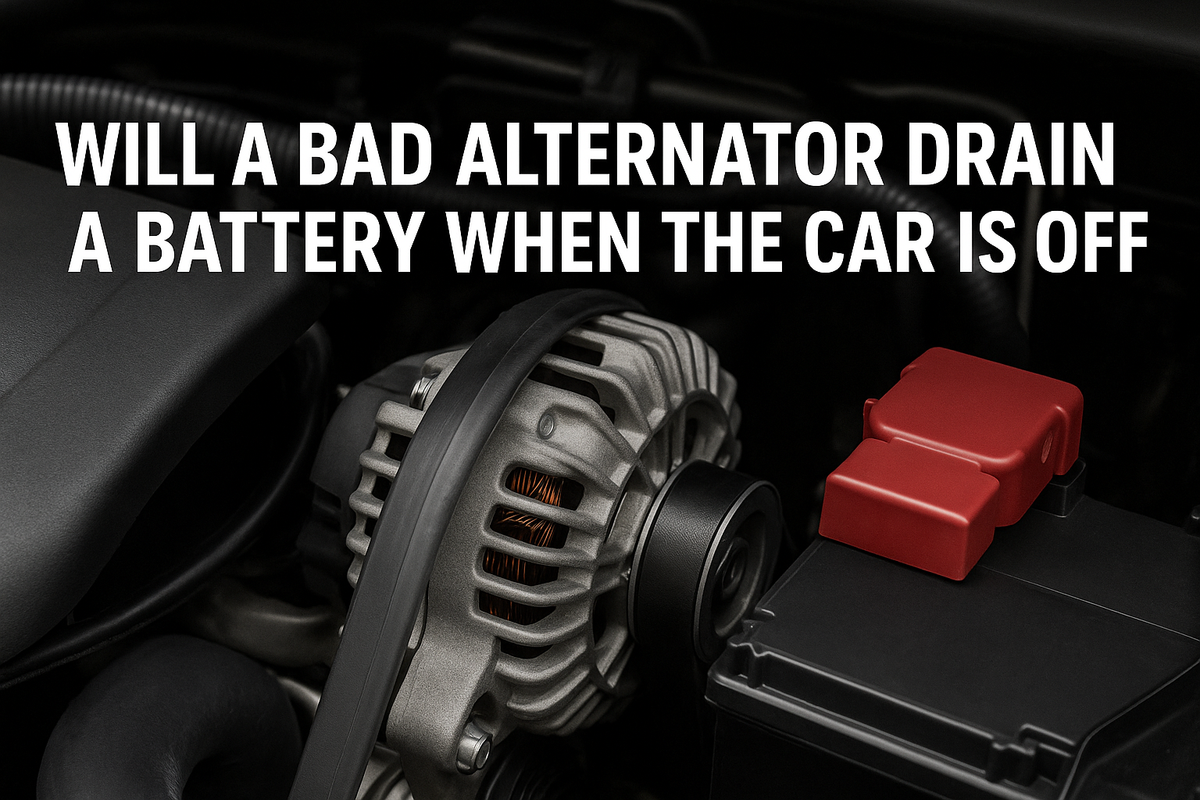
Is your car acting up, and you suspect the alternator might be the culprit? You’re probably wondering, “Will my car run with a bad alternator?” This is a critical question because your alternator powers everything electrical in your vehicle, from headlights to the ignition system.
Ignoring a failing alternator can leave you stranded at the worst possible moment. But how long can you actually drive with a bad alternator? And what signs should you watch for before it’s too late? You’ll discover the truth about driving with a faulty alternator, practical tips to extend your drive safely, and why addressing this issue immediately is crucial for your car’s health—and your peace of mind.
Keep reading to protect your ride and avoid costly breakdowns.
Credit: ultrabrightlightz.com
Symptoms Of A Bad Alternator
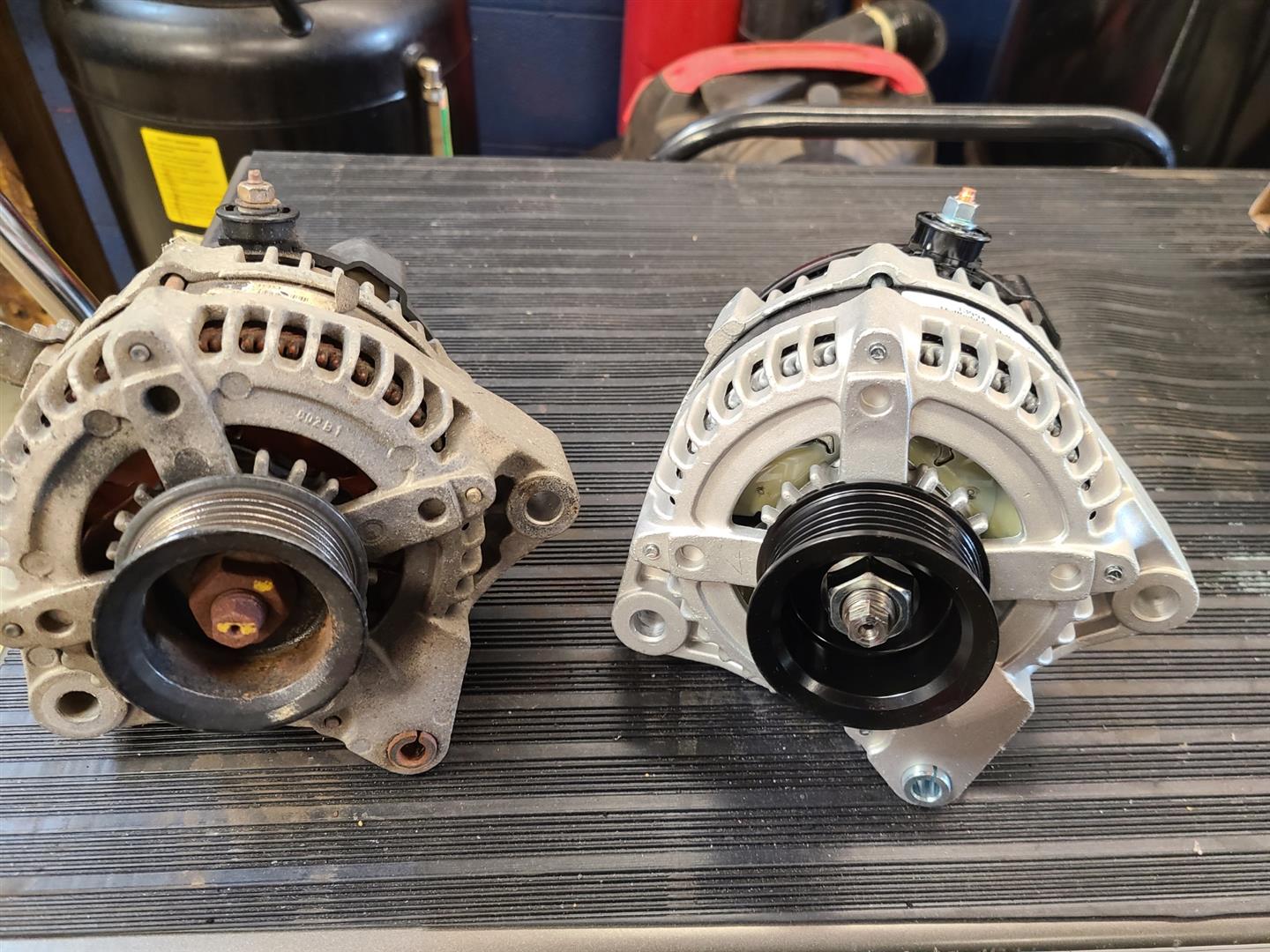
A bad alternator affects your car’s electrical system and battery charging. Recognizing the symptoms early helps avoid breakdowns. Watch for signs that indicate alternator failure. These clues come from different parts of your vehicle.
Dashboard Warning Lights
The battery or alternator warning light may glow on the dashboard. This light signals a charging problem. It often appears as a battery icon or “ALT” message. Ignoring this warning can lead to complete power loss.
Dim Or Flickering Headlights
Headlights may dim or flicker while driving. This happens because the alternator cannot supply enough power. It is more noticeable at low speeds or idle. Bright beams might also weaken or fail.
Slow Power Windows
Power windows operate slower than usual. The alternator’s weak output reduces the current to electric components. Windows may move sluggishly or stop before fully opening or closing.
Unusual Engine Noises
A failing alternator can cause strange sounds from the engine area. You may hear whining, grinding, or squealing noises. These sounds come from worn-out bearings or slipping belts.
Burning Smell
A burning rubber or electrical odor can come from the alternator. Overheating parts or a slipping belt cause this smell. It is a serious warning that needs quick attention.
Difficulty Starting
The car may struggle to start or fail to start at all. A bad alternator drains the battery, leaving it too weak to crank the engine. Multiple jump starts might be needed before it works.
Unexpected Engine Stalling
The engine might stall unexpectedly while driving. This happens when the alternator cannot keep the battery charged. Loss of electrical power cuts fuel and ignition systems, causing the engine to stop.
Credit: www.ricksautoservice.org
How Long Can You Drive With A Bad Alternator
Driving with a bad alternator is risky. The alternator charges the battery and powers the car’s electrical parts. Without it, the battery slowly loses power. How long the car runs depends on several factors. Knowing these can help you avoid getting stranded.
Impact Of Battery Charge Level
A fully charged battery can keep the car running longer. It acts like a power reserve. A battery that is already weak will run out fast. The car may stop in just a few minutes. Check your battery health often to avoid surprises.
Effect Of Electrical Load
Using headlights, radio, or air conditioning drains the battery quicker. The more devices on, the faster the battery dies. Turn off all non-essential electrical parts. This helps save power and extends your drive time.
Vehicle Age And Electronics Complexity
Older cars have simpler electronics and may run longer with a bad alternator. Newer cars use more electric power for computers and sensors. This causes the battery to drain faster. The car may stop sooner than expected.
Power Conservation Tips
Switch off lights and accessories immediately. Avoid using the horn or power windows. Drive smoothly and avoid sudden stops to reduce power use. Plan to reach a repair shop or safe place quickly. These steps help you drive longer with a failing alternator.
What To Do When Your Alternator Fails
When your alternator fails, your car’s electrical system stops charging the battery. The battery will run out of power quickly. You need to act fast to avoid getting stranded or damaging your car further. Follow simple steps to stretch your remaining power and reach safety.
Turning Off Non-essential Accessories
Switch off the radio, air conditioning, and heated seats immediately. These accessories consume battery power rapidly. Keep only essential lights on, like headlights if driving at night. Reducing electrical load slows battery drain and gives you more time to drive safely.
Using Parking Brake To Save Power
Use the parking brake instead of the foot brake when stopped. This prevents the brake lights from using extra battery power. It helps conserve energy for critical systems. Avoid unnecessary braking to save the last bit of your battery charge.
Driving To Safety
Drive directly to the nearest service station or your home. Avoid long trips and heavy traffic. Keep your speed steady to reduce electrical demands. Watch your dashboard for warning lights and engine behavior. Stop immediately if the engine sputters or stalls.
Arranging For A Tow
If you cannot reach a safe place, call for a tow. Driving too long with a bad alternator risks engine failure. A tow is safer and prevents costly damage. Choose a reputable towing service to get your car to a repair shop quickly.
Risks Of Driving With A Bad Alternator
Driving with a bad alternator is risky. The alternator charges your car’s battery and powers electrical parts. If it fails, many problems can start quickly. Understanding these risks helps you protect your car and your safety.
Ignoring a bad alternator may cause damage beyond just the alternator itself. It affects your car’s engine, battery, and electrical systems. This section explains the main dangers of driving with a failing alternator.
Engine Stalling
The alternator powers your car’s ignition system. Without enough power, the engine can suddenly stop running. This stalling can happen while driving, which is very dangerous. Losing power on the road can cause accidents or leave you stranded.
Permanent Battery Damage
The alternator keeps the battery charged. A bad alternator causes the battery to drain quickly. Running on a drained battery can cause permanent damage. Replacing a dead battery costs more than fixing the alternator early. Avoid deep battery discharge to save money and hassle.
System Failures In Modern Vehicles
Modern cars have many electronic systems. These include lights, sensors, and safety features. A bad alternator leads to low voltage, causing system errors or failures. Malfunctions in these systems can affect braking, steering, or airbags. This increases the risk of accidents and costly repairs.
Testing The Alternator On The Road
Testing the alternator on the road helps identify if it is working properly. The alternator charges the battery and powers electrical parts. A bad alternator can cause the car to lose power and stop running.
Simple checks can show if the alternator is failing. These tests can be done safely while driving at low speed. They give clues about the alternator’s health before full failure.
Watch The Dashboard Warning Lights
Look for the battery or alternator light on the dashboard. This light often glows when the alternator stops charging. If the light stays on, the alternator may be bad.
Note if the lights flicker or come and go. This can mean a loose belt or wiring problem with the alternator.
Test Electrical Systems
Turn on headlights, radio, and air conditioning while driving. Watch if lights dim or radio volume drops. Dimming lights suggest the alternator is not keeping up.
If electrical parts work fine, the alternator is likely charging well. Weak or fading power means the alternator could be failing.
Listen For Strange Noises
Listen for unusual sounds like whining or grinding from the engine area. These noises can come from a worn alternator bearing or failing internal parts.
Strange sounds mean the alternator needs inspection or replacement soon.
Check Battery Voltage With A Meter
Use a voltmeter to measure battery voltage while driving. A healthy alternator will keep voltage between 13.5 and 14.5 volts.
If voltage drops below 13 volts, the alternator may not be charging. Voltage over 15 volts can also signal a problem.

Credit: www.youtube.com
Conclusion
A bad alternator can only keep your car running for a short time. The battery will drain quickly if the alternator fails. Turn off all electrical accessories to save power. Driving longer risks the engine stalling and more damage. It’s best to reach a safe place or call for help soon.
Don’t ignore warning signs or delay repairs. Protect your car and yourself by acting fast.