Have you ever wondered whether your car battery uses AC or DC power? Knowing this simple fact can save you from costly mistakes and help you understand how your vehicle really works.
If you’re curious about the type of current powering your car, you’re in the right place. This article will clear up the confusion and explain why it matters to you. Keep reading, and you’ll discover the surprising truth behind your car battery’s power and how it impacts your driving experience.
Car Battery Basics
Understanding the basics of car batteries helps in knowing how they power your vehicle. Car batteries store electrical energy and supply it to start the engine. They also provide power to electrical systems when the engine is off. This section explains the key features of car batteries.
Battery Composition
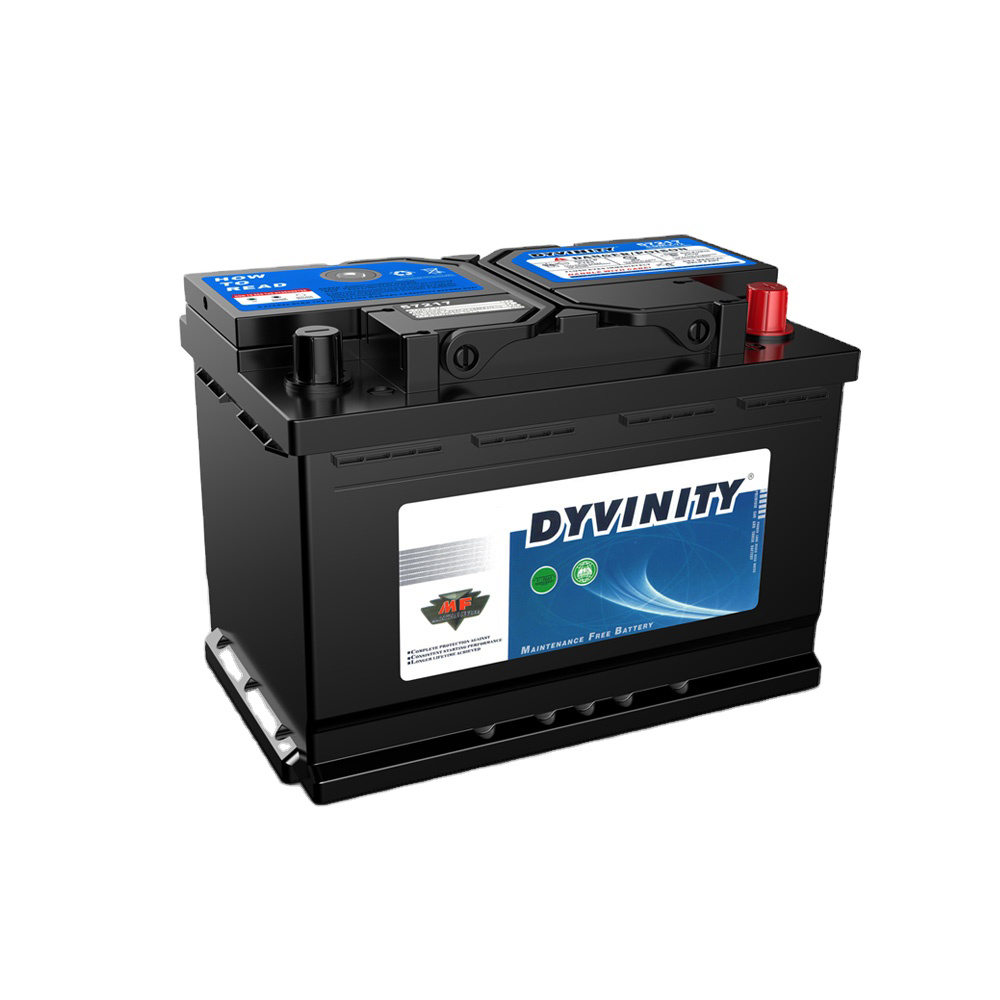
Most car batteries are lead-acid type. They contain lead plates and an acid solution. The acid acts as an electrolyte, allowing electrical current to flow. Inside the battery, chemical reactions create electricity. This design makes car batteries reliable and affordable.
Some modern cars use different battery types like lithium-ion. However, lead-acid batteries remain common in many vehicles. The battery’s structure is built to handle high current demands during engine start.
Voltage Characteristics
Car batteries produce direct current (DC) electricity. DC means the electric flow moves in one direction. This type of current is suitable for vehicles and their components. The standard car battery voltage is around 12 volts.
During engine start, the battery supplies a large burst of current. This current powers the starter motor and ignition system. The battery voltage remains steady while providing energy. Alternators then recharge the battery while the engine runs.
Credit: www.spaceflightpower.com
Dc Power In Cars
DC power plays a crucial role in cars. The car battery provides direct current (DC) electricity. This power type suits the needs of automotive systems perfectly. Understanding why batteries use DC helps explain car electrical functions. Also, knowing how DC powers vehicle systems shows its importance in daily driving.
Why Batteries Use Dc
Batteries store and supply electrical energy as direct current. DC flows in one direction only. This steady flow is ideal for car engines and electronics. It keeps circuits simple and reliable. Alternating current (AC) changes direction many times per second. This switching would confuse sensitive car components. DC power ensures stable voltage and current. It makes starting the car and running accessories easy.
How Dc Powers Vehicle Systems
The battery sends DC power to the starter motor. This motor needs constant current to start the engine. DC also runs lights, radio, and dashboard instruments. Car sensors and computers rely on steady DC voltage. Alternators recharge the battery by converting engine motion into DC power. This cycle keeps the battery charged and all systems working. Without DC, most vehicle electronics would fail to operate correctly.
Role Of Ac In Vehicles
Alternating Current (AC) plays a crucial role inside vehicles. While car batteries supply Direct Current (DC), many vehicle parts rely on AC during operation. The engine’s alternator generates AC to power electrical systems and recharge the battery. This balance between AC and DC keeps the car running smoothly.
Understanding AC’s function helps explain how vehicles manage power efficiently. It also shows why car batteries store DC but depend on AC production for energy supply.
Alternator Function
The alternator creates AC electricity as the engine runs. It uses a rotating magnetic field to induce current in coils. This AC power supplies the vehicle’s electrical needs. It also charges the battery to keep it full and ready.
The alternator’s ability to produce AC is vital for vehicle operation. Without it, the battery would drain quickly, and electrical systems would fail.
Ac To Dc Conversion
The AC produced by the alternator must convert to DC. This change happens through a device called a rectifier. The rectifier uses diodes to allow current flow in one direction only.
Converting AC to DC ensures the battery receives the correct type of current. It also protects sensitive electronics in the vehicle from damage.
Differences Between Ac And Dc
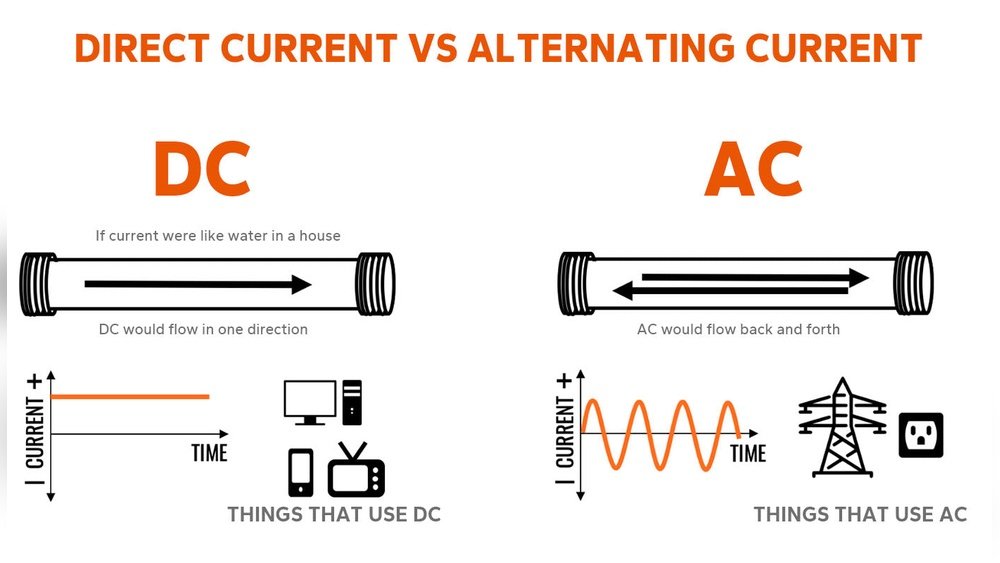
The main difference between AC (Alternating Current) and DC (Direct Current) lies in how the electric charge flows. AC changes direction periodically, while DC flows in one steady direction. This fundamental difference impacts many devices, including car batteries and automotive electronics.
Understanding these differences helps explain why car batteries use DC power, not AC. The nature of the current affects how energy is stored, used, and converted in vehicles.
Current Flow Patterns
In AC, the electric current switches directions many times per second. This back-and-forth movement creates waves of energy. AC is common in homes and businesses because it easily travels long distances.
DC flows in a single direction without changing. This steady flow suits batteries well because it provides consistent energy output. Car batteries deliver DC power to start the engine and run electrical parts.
Impact On Automotive Electronics
Automotive electronics rely on stable and reliable power. DC power from car batteries ensures smooth operation of lights, sensors, and control units. Many car systems convert DC into AC for specific functions, but the base power is always DC.
Using DC helps prevent damage to sensitive electronics. It also allows easier storage of energy in batteries. The steady current supports efficient performance and longer battery life.
Using Car Batteries With Inverters
Car batteries provide direct current (DC) power. Inverters convert this DC into alternating current (AC). This conversion allows car batteries to power household devices. Using car batteries with inverters has practical uses beyond vehicles. Understanding this setup helps in safe and efficient use.
Home Backup Applications
Car batteries can serve as backup power for homes. During power outages, inverters turn battery power into usable AC electricity. This helps run essential appliances like lights, fans, and small electronics. The setup offers a temporary power solution without the grid. It is cost-effective and easy to implement for emergencies.
Voltage Compatibility
Car batteries typically have 12 volts DC output. Inverters require matching input voltage to operate correctly. Using an inverter not designed for the battery voltage can cause damage. Check the inverter’s voltage rating before connecting it to the battery. Proper compatibility ensures stable power and prolongs battery life.
Credit: www.autozone.com
Risks Of Mixing Ac And Dc
Mixing alternating current (AC) and direct current (DC) can cause serious problems. Cars use DC power, so introducing AC into these systems can lead to risks. Understanding these dangers helps protect your vehicle and safety.
Damage To Dc Devices From Ac
DC devices like car batteries and electronics are designed for steady current. AC causes rapid changes in current direction. This can overheat parts and cause permanent damage. Sensitive circuits may fail or behave unpredictably. Damage repair often costs more than prevention.
Safety Concerns
AC in a DC system can create electrical hazards. Sparks and short circuits may occur, leading to fires. Shock risk increases due to unexpected current flow. Proper wiring and matching current types reduce these dangers. Safety gear and professional help are essential when handling car batteries.
Recycling And Scrap Value
Recycling car batteries helps protect the environment and recovers valuable materials. These batteries contain lead and acid, both harmful if disposed of improperly. Recycling also provides a chance to earn money from scrap value. Understanding the types of batteries and market prices can maximize your return.
Battery Types And Prices
Car batteries mainly use lead-acid technology. These batteries have different scrap values depending on their type. Standard lead-acid batteries are most common. They usually fetch moderate prices. Deep-cycle and AGM batteries may have higher values due to better materials. Industrial or forklift batteries contain more lead and often bring higher scrap prices.
Factors Affecting Scrap Value
Lead content largely determines scrap value. Batteries with higher lead weight are more valuable. Clean and sorted batteries fetch better prices. Mixed or dirty scrap lowers the price. Market demand for lead also affects rates. Prices vary by location and recycling yard policies. Seasonal changes can influence scrap metal prices too.
Where To Check Current Prices
Many scrap yards publish daily or weekly prices online. Websites like ScrapMonster and iScrap App provide updated scrap battery values. Calling local recycling centers gives the most accurate quotes. Checking multiple sources ensures the best price. Some yards specialize in certain battery types, affecting their offers. Always verify prices before selling your scrap batteries.

Credit: www.allelcoelec.com
Conclusion
Car batteries provide direct current (DC) power, not alternating current (AC). This steady flow suits vehicle needs perfectly. Engines, lights, and electronics rely on DC to work well. Understanding this helps with battery care and replacement. Remember, your car battery stores energy in DC form.
Knowing this fact can guide smart choices for maintenance. Simple knowledge keeps your car running smoothly every day.