
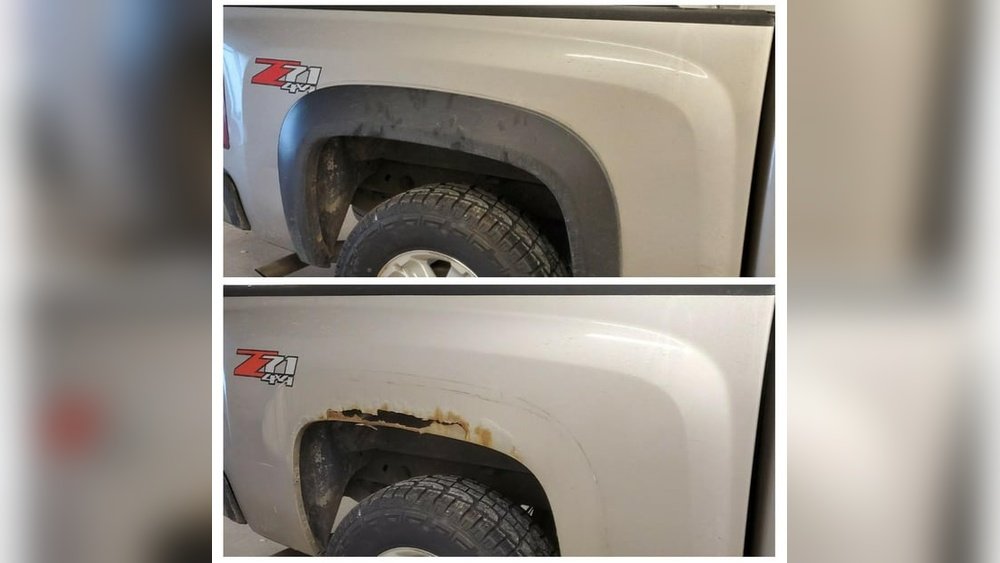
Is using fender flares to cover rust on your truck or SUV a smart move? If you’ve spotted rust creeping along your wheel wells, you might be tempted to slap on some fender flares as a quick fix.
It sounds like a simple way to hide unsightly damage and boost your vehicle’s look at the same time. But before you reach for those flares, it’s important to ask—are you really solving the problem, or just masking it? You’ll discover what happens when you use fender flares to cover rust, the hidden risks they bring, and smarter ways to protect your ride for the long haul.
Stick around, because understanding the full story could save you time, money, and headaches down the road.
Fender Flares And Rust
Fender flares often catch the eye as a quick fix for rust on vehicles. They cover the edges of the wheel wells where rust tends to form. Many people use them to hide rust spots instead of repairing the damage. Understanding how fender flares interact with rust is important before deciding to use them.
How Flares Cover Rust
Fender flares attach over the edge of the vehicle’s body. They create a barrier that hides visible rust spots from plain sight. This can improve the look of a car or truck temporarily. The flares cover the rust but do not remove it. They may prevent dirt and water from directly touching the rusty area.
However, if the rust is under the flare, it remains and can continue to spread. The flare acts like a shield, but only on the surface. It does not stop rust from growing underneath the metal.
Effectiveness On Existing Rust
Fender flares do little to fix existing rust problems. Rust is a chemical reaction that eats away metal over time. Covering it up only hides the problem. Moisture and dirt can get trapped behind the flare. This trapped moisture speeds up rust growth.
Rust under flares can worsen without being noticed. It weakens the metal and can cause holes. Using flares without treating rust first can make the damage bigger. Proper rust repair involves removing or treating rust, then repainting. Fender flares alone are not a reliable solution.

Credit: www.youtube.com
Benefits Of Fender Flares
Fender flares offer several benefits for vehicle owners. They can improve the look of your car and add some protection. Many people use them to hide small imperfections. They also help protect the vehicle from road debris.
Understanding these benefits helps decide if fender flares are right for your vehicle. Here are some key advantages of using fender flares.
Hiding Surface Imperfections
Fender flares cover scratches, dents, and minor rust spots. This hides damage without expensive bodywork. They give a cleaner appearance to older vehicles. This makes your vehicle look better instantly. It is a quick fix to hide flaws on the fender area.
Enhancing Vehicle Appearance
Fender flares add style and a rugged look. They make trucks and SUVs look wider and stronger. Many designs match the vehicle’s shape for a smooth fit. This upgrade can boost your vehicle’s curb appeal. It creates a more aggressive and customized appearance.
Additional Protection From Debris
Fender flares shield your vehicle’s body from mud, rocks, and dirt. They prevent chips and scratches from road debris. This helps keep paint in better condition. By blocking debris, they reduce damage to the lower panels. This protection extends the life of your vehicle’s paint.
Drawbacks Of Using Flares On Rust
Using fender flares to cover rust may seem like a quick fix. It hides damage but does not stop the rust process. Many problems happen when flares go over rusted areas. These issues can make rust worse and cause more damage to your vehicle.
Moisture And Dirt Trapping
Fender flares create tight spaces where water and dirt collect. Moisture stays trapped against the metal under the flare. This wet environment speeds up rust growth. Dirt and mud also hold moisture longer. Over time, this leads to serious corrosion under the flare.
Accelerated Corrosion Risks
Rust needs oxygen and moisture to spread. Trapped water under flares gives rust everything it needs. The metal rots faster than if exposed to air. Rust can spread unseen under the flare. This hidden damage weakens the vehicle’s body and frame.
Paint Damage From Rubbing
Flares often touch the vehicle’s paint. Movement from bumps or wind causes rubbing. This constant friction wears down paint and clear coat. Small scratches and chips appear. These open spots let rust start or worsen. Paint damage lowers the car’s look and value.
Cleaning Difficulties
Cleaning under fender flares is hard. Tight spaces block brushes and cloths. Dirt and grime stay behind the flare. This buildup holds moisture and causes rust. Regular cleaning is needed but often skipped. Dirt under flares grows and harms the vehicle more.
Cost And Legal Considerations
Using fender flares to hide rust may seem like a quick fix. Understanding the cost and legal side helps you decide if this method is smart. This section breaks down expenses and legal risks tied to fender flares.
Installation And Material Expenses
Fender flares come in different materials like plastic, metal, or fiberglass. Plastic flares cost less but may crack easily. Metal flares are stronger but pricier and heavier. Installation can add to the cost if you hire a pro. DIY installation saves money but takes time and skill. Expect to spend $100 to $500 depending on flare quality and labor.
Potential Legal Issues With Width
Fender flares can make your vehicle wider. Many states have rules about how wide your vehicle can be. If flares stick out too far, you risk fines or failed inspections. Some places require tires to be fully covered by fenders or flares. Check local laws before adding flares to avoid legal trouble.
Impact On Fuel Efficiency
Adding fender flares changes your vehicle’s shape and airflow. This can increase wind resistance and lower fuel efficiency. The effect is small but noticeable on long drives. Flared fenders may also add weight, causing the engine to work harder. Consider fuel cost changes before installing large or heavy flares.
Durability And Maintenance
Durability and maintenance are key factors when considering fender flares to cover rust. These flares protect the vehicle’s wheel wells but may also create new challenges. Knowing how materials hold up and the care needed can help decide if flares are a good option.
Material Quality And Breakage
Fender flares come in various materials like plastic, fiberglass, and metal. Plastic flares are common but can crack under impact or extreme weather. Fiberglass is strong but brittle, prone to breaking on hard hits. Metal flares resist damage better but may rust if not coated well. Choosing high-quality material improves durability and reduces frequent replacement.
Regular Inspection Needs
Flares require frequent checks to ensure they stay secure and undamaged. Look for cracks, loose bolts, or gaps that let water enter. Rust hidden under the flare can grow quickly without notice. Regular inspection helps catch problems early and prevents bigger repairs later.
Cleaning Behind Flares
The space behind fender flares traps dirt, mud, and moisture easily. This trapped grime speeds up rust formation on the vehicle’s body. Cleaning behind flares is difficult but necessary. Use brushes and water to remove buildup regularly. Keeping this area clean slows rust and preserves vehicle health.

Credit: www.mcsweeneyarms.ie
Alternatives To Covering Rust
Covering rust with fender flares may seem easy but can cause more problems. Rust hidden under flares will continue to spread. It weakens the metal and damages your vehicle’s body. Better options exist that fix rust properly and protect your car longer. These alternatives stop rust instead of hiding it.
Proper Rust Repair Methods
Removing rust completely is the best way to protect your vehicle. Start by sanding or grinding down the rusted area until clean metal shows. Use rust remover chemicals to kill any remaining rust. After cleaning, fill holes or deep pits with body filler. Sand the filler smooth for a flat surface. Finish with a good primer and paint to seal the metal.
This process stops rust from returning. It also keeps your car strong and safe. Avoid shortcuts like only covering rust with flares or tape. Proper repair takes time but saves money and effort later.
Protective Coatings And Treatments
After fixing rust, add coatings to shield metal from moisture and salt. Rust-proof sprays and sealants create a barrier that keeps water out. Wax or oil-based undercoatings protect the vehicle’s underside and wheel wells. These treatments reduce corrosion and extend your car’s life.
Regularly inspect and reapply protective coatings for best results. Keeping your vehicle clean also helps coatings work well. Dirt and salt speed up rust if left on metal surfaces.
Tips To Reduce Fender Flare Issues
Fender flares can protect your vehicle’s body, but they can also cause issues. Dirt and moisture often get trapped behind them. This can lead to rust and paint damage. Following some simple tips helps reduce these problems. Proper care keeps your fender flares looking good and working well for a long time.
Choosing Quality Flares
Select fender flares made from durable materials. Look for UV-resistant plastics or fiberglass. Cheap flares may crack or warp easily. Quality flares fit your vehicle’s shape perfectly. This reduces gaps where dirt and water collect. A snug fit helps prevent rust under the flare.
Pre-installation Surface Prep
Clean and dry the vehicle surface before installing flares. Remove all rust spots and old paint flakes. Sand the area to create a smooth base. Apply rust inhibitor or primer to protect the metal. This step stops rust from spreading under the flare. Proper prep makes the flares stick better.
Using Paint Protection Film
Apply paint protection film behind the fender flares. This clear film guards against scratches and chips. It also blocks moisture from reaching the metal. The film is easy to clean and replace. It acts as a shield, keeping your paint safe under the flares.
Routine Maintenance Practices
Clean the area behind the flares regularly. Use a hose or pressure washer to remove dirt and mud. Check for trapped moisture after rain or washing. Inspect the flares for cracks or loose parts. Tighten screws and fix any damage quickly. Routine care prevents rust and extends flare life.

Credit: www.reddit.com
Conclusion
Using fender flares to hide rust might seem easy. Yet, they often trap moisture and dirt. This can speed up rusting under the flare. Paint damage and cleaning problems may follow. Flares do not fix the root issue. Proper rust repair works better for long-term care.
Choose to treat rust early and well. This helps keep your vehicle strong and safe. Covering rust only delays necessary fixes. Think twice before relying on fender flares alone.














