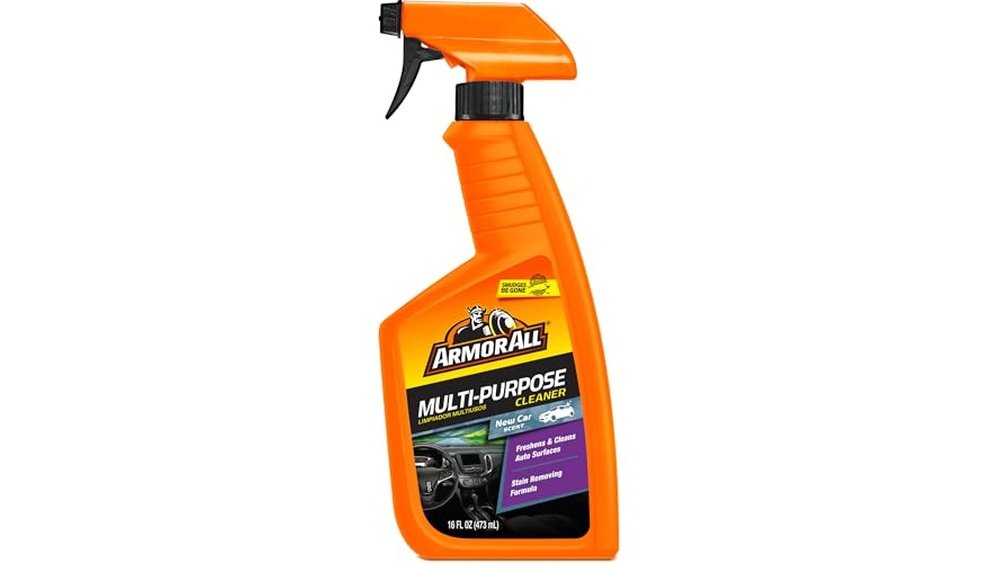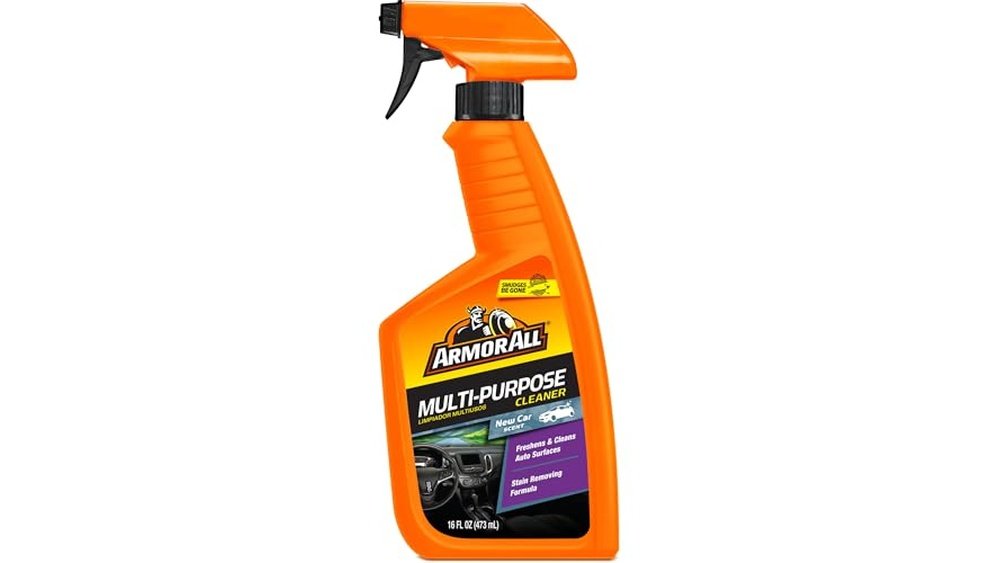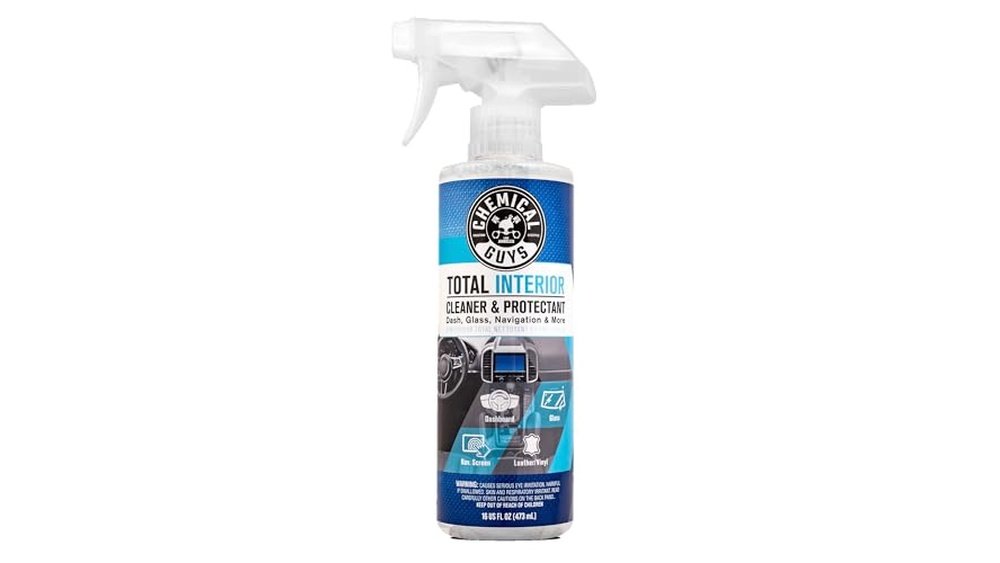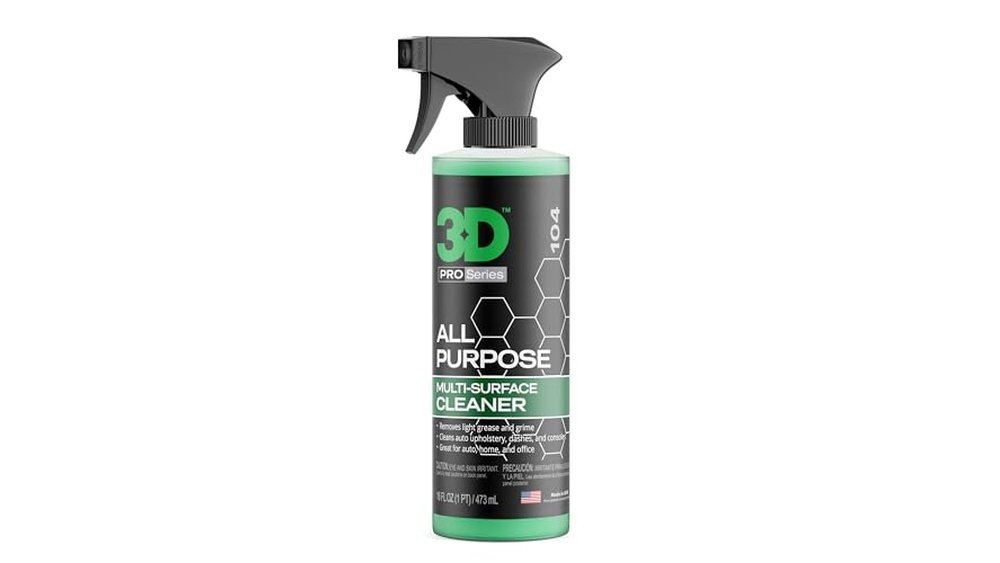
Want to keep your car spotless without using gallons of water or worrying about scratches? A rinseless car wash might be exactly what you need.
In this guide, you’ll discover the best solutions and safe techniques to wash your car efficiently while protecting its paint. Whether you’re short on time or water, rinseless washing offers a smart, eco-friendly way to maintain your vehicle’s shine. Ready to learn how to make your car cleaning easier and safer?
Let’s dive into everything you need to know to get started with rinseless car washing today.
Benefits Of Rinseless Wash
Rinseless car washing offers many benefits that make it a smart choice for car care. It uses minimal water, saves time, and protects your car’s surface. This method suits people who want to clean their cars efficiently without risking damage. Understanding these benefits helps you appreciate why rinseless wash is growing in popularity.
Water Conservation
Rinseless wash uses very little water compared to traditional washing. It needs only a small amount of solution mixed with water. This helps save thousands of gallons of water each year. It is perfect for areas with water restrictions or droughts. Using less water also means less runoff, which protects the environment.
Time Efficiency
Rinseless washing takes much less time than regular washing. There is no need to connect hoses or wait for water pressure. The process is simple: spray the solution and wipe the car clean. This makes it ideal for busy people. You can finish washing your car quickly without sacrificing quality.
Surface Safety
Rinseless wash reduces the risk of scratching your car’s paint. The solution lifts dirt gently from the surface. Microfiber towels or mitts trap dirt away from the paint. This prevents swirl marks and scratches caused by rubbing dirt directly. It is a safe method for all paint types, including delicate finishes.
Credit: mrkzgarage.com
Choosing The Right Solution
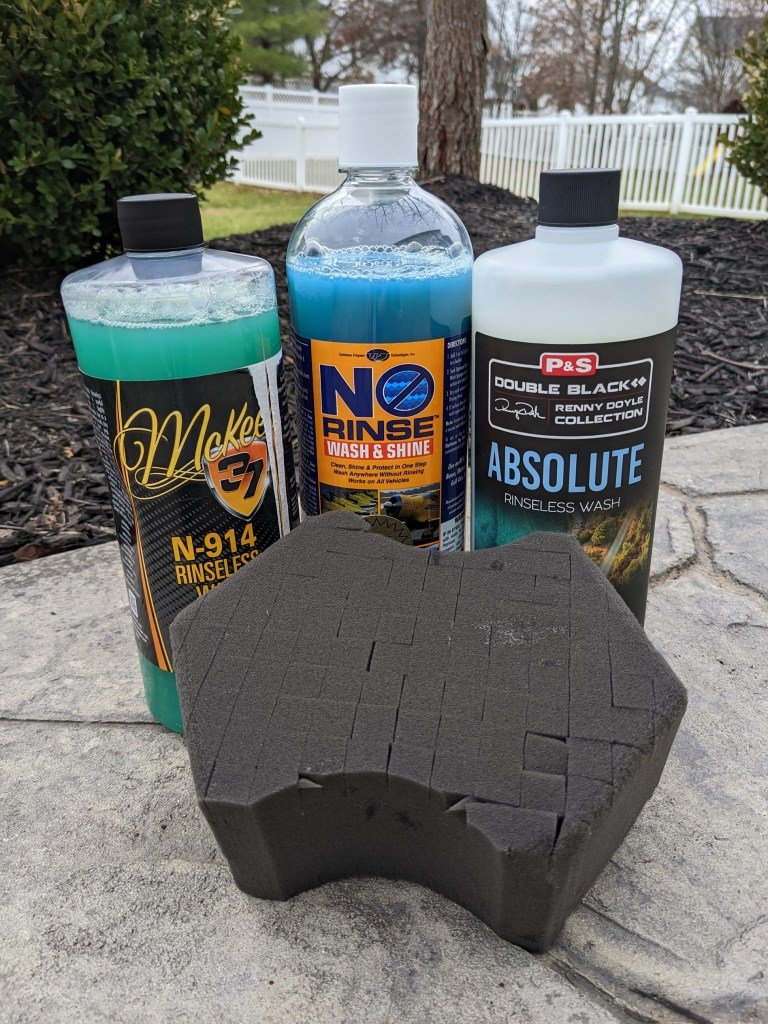
Choosing the right rinseless car wash solution is key to a safe and effective clean. The solution must remove dirt without damaging your car’s paint. It should also protect the finish and leave a smooth surface. Understanding popular products, proper dilution, and eco-friendly choices helps you pick the best option.
Popular Rinseless Products
Many rinseless wash products work well for different needs. Some brands focus on strong cleaning power. Others add gloss and protection. Look for products with good reviews and clear instructions. Avoid harsh chemicals that can strip wax or sealants. Trusted brands often include surfactants that lift dirt gently.
Dilution Ratios
Each rinseless wash product requires a specific dilution ratio. This ratio controls how much concentrate mixes with water. Follow label instructions to avoid waste or paint damage. Too strong a product can leave residue or harm the paint. Too weak may not clean well. Common ratios range from 1:64 to 1:128 for best results.
Eco-friendly Options
Eco-friendly rinseless wash solutions reduce water use and pollution. They use biodegradable ingredients safe for plants and animals. These products avoid harsh chemicals and heavy detergents. Choosing green options helps protect the environment. Many eco formulas still clean effectively while being kind to nature.
Essential Tools And Materials
Preparing for a rinseless car wash requires the right tools and materials. These essentials ensure a safe and effective cleaning process. Choosing quality items protects your vehicle’s paint and saves water. Each tool has a specific role in the rinseless wash method. Understanding their purpose helps avoid mistakes and damage.
Microfiber Towels And Mitts
Microfiber towels and mitts are gentle on car surfaces. They trap dirt and grime without scratching the paint. Use a clean towel for each panel to prevent cross-contamination. Mitts provide better control and coverage for cleaning. Their soft fibers lift dirt away safely and hold moisture well.
Buckets And Spray Bottles
Buckets hold your rinseless wash solution mixed with water. Use one bucket for the solution and another for rinsing your mitt. This keeps dirt from returning to the car’s surface. Spray bottles help apply the rinseless solution evenly. They allow you to control the amount of liquid used, reducing waste.
Gloves And Protective Gear
Gloves protect your hands from chemicals in the rinseless solution. Choose nitrile or latex gloves for comfort and safety. Protective gear like eyewear keeps your eyes safe from splashes. Wearing old clothes or an apron prevents stains during washing. Safety ensures a stress-free and clean experience.
Credit: 3dproducts.com
Step-by-step Washing Process
The rinseless car wash method saves water and protects your paint. Follow the steps carefully for the best results. Each step helps remove dirt without scratching the surface.
Use quality microfiber towels and a good rinseless solution. Work in shaded areas to avoid streaks and spots. Now, let’s explore the washing process step-by-step.
Pre-soaking Heavily Soiled Areas
Start by identifying spots with heavy dirt or grime. Spray a little rinseless solution directly on these areas. Let it sit for a few minutes to loosen the dirt. This softens tough stains and makes cleaning easier.
Applying The Rinseless Solution
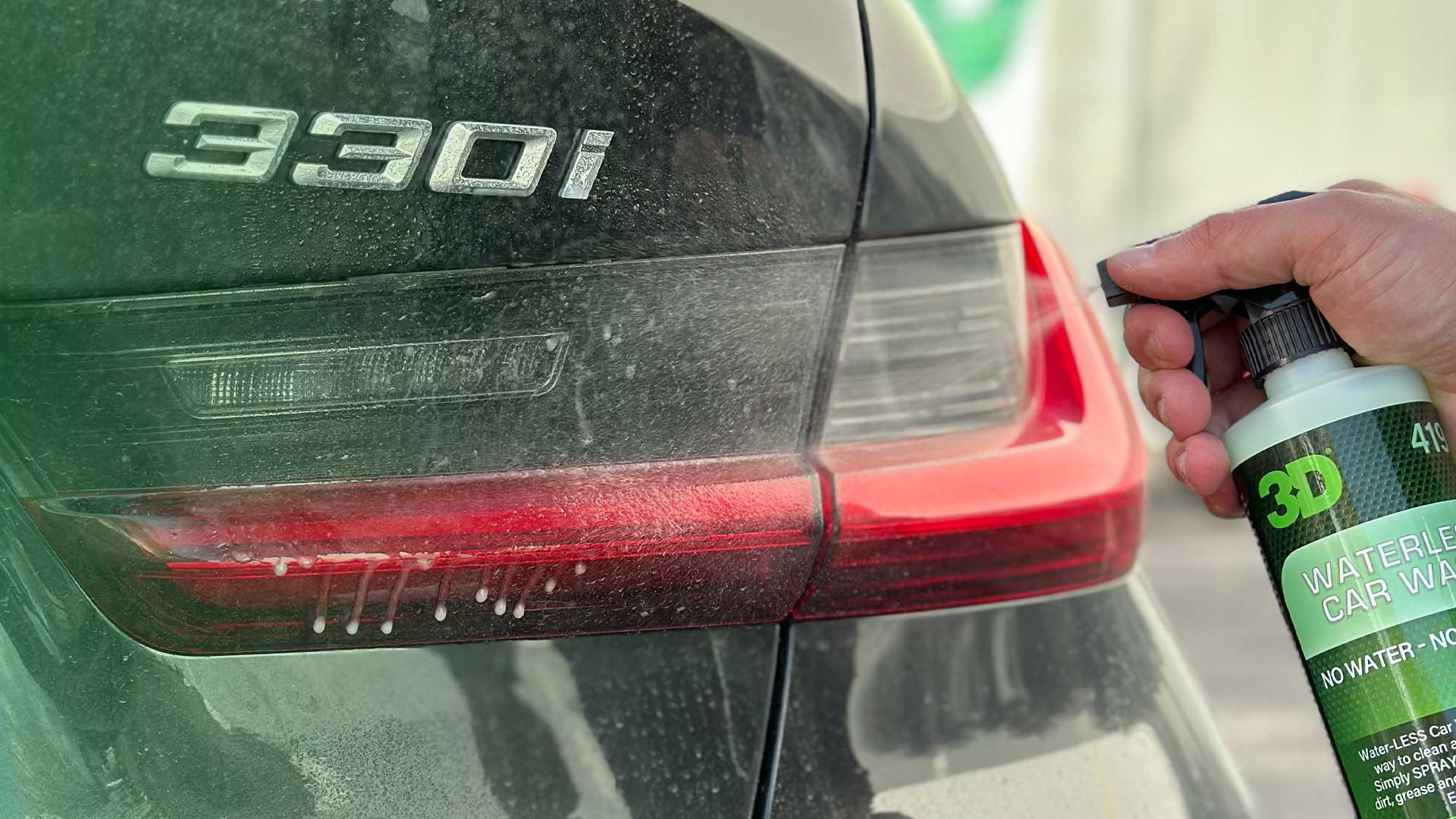
Mix the rinseless car wash solution according to instructions. Use a spray bottle to apply it evenly across the vehicle. Work panel by panel to avoid drying out. The solution lifts dirt safely without water rinsing.
Gentle Wiping Techniques
Use a clean microfiber towel or wash mitt. Wipe gently in straight lines to trap dirt inside the towel. Avoid circular motions to reduce swirl marks. Flip or fold the towel often to expose a clean side.
Drying And Final Touches
After wiping, use a dry microfiber towel to remove any remaining solution. Pat dry instead of rubbing for best results. Check for missed spots and clean if needed. Finish by buffing lightly to restore shine.
Safe Techniques To Protect Paint
Protecting your car’s paint during a rinseless wash is key to keeping it shiny and smooth. Using safe techniques avoids damage like scratches or swirls. These methods also help the paint last longer and look newer. Follow simple steps that keep your car’s surface clean and safe without water.
Avoiding Scratches And Swirls
Use soft microfiber towels or wash mitts designed for paint. Avoid rough or dirty clothes that can trap debris. Lift the mitt often to check for dirt. Gently wipe the paint instead of rubbing hard. Clean in straight lines rather than circles to reduce swirl marks. Wash small areas at a time to control the process better.
Proper Pressure And Motion
Apply light pressure with your hand while washing. Let the cleaning solution do the work, not force. Use slow, smooth motions to move dirt off the surface. Avoid scrubbing or harsh back-and-forth actions. Keep the mitt damp with rinseless solution to reduce friction. This careful motion helps protect the paint layer underneath.
Maintaining Clean Tools
Always rinse microfiber towels before use. Use fresh, clean towels for each wash session. Avoid using the same cloth on different cars without washing it. Store towels in a clean, dry place to prevent dirt build-up. Replace worn or damaged towels quickly. Clean tools reduce the chance of trapping grit that scratches paint.
Tips For Ceramic Coated Vehicles
Ceramic-coated vehicles need careful handling during rinseless washes. The coating protects the paint but requires gentle care. Using the right techniques keeps your car looking new and shiny. Follow these tips for the best rinseless wash results on ceramic-coated cars.
Adjusting Solution Strength
Use a mild rinseless wash solution for ceramic coatings. Dilute the solution more than usual to avoid stripping the coating. Strong chemicals can damage the protective layer. Test the solution on a small area before full use. Always follow the product’s instructions for the best dilution ratios.
Special Care Instructions
Use soft microfiber towels to prevent scratches. Avoid scrubbing hard or using abrasive tools. Work on a cool surface, away from direct sunlight. Clean one section at a time to avoid drying marks. Rinse your towels often to keep them free of dirt and grit.
Extending Coating Longevity
Wash regularly but gently to maintain the coating’s effectiveness. Avoid harsh chemicals and abrasive cleaners. Apply a booster or maintenance spray designed for ceramic coatings. These products help replenish the coating and add extra protection. Store your car in a shaded area to reduce UV damage.
Common Mistakes To Avoid
Rinseless car washing offers a quick and eco-friendly way to clean your vehicle. Avoiding common mistakes ensures a safe and effective wash. These errors can harm your car’s finish or reduce cleaning power. Pay attention to key steps for the best results and long-lasting shine.
Over-saturating Microfiber
Using too much solution on microfiber towels causes streaks and leaves residue. Over-saturation reduces the towel’s ability to safely pick up dirt. Always lightly mist the towel for smooth cleaning without excessive liquid. This prevents paint scratches and improves drying speed.
Skipping Pre-soak On Heavy Dirt
Heavy dirt and grime need a pre-soak to loosen particles before wiping. Skipping this step forces you to scrub harder, risking swirl marks. Spray the rinseless solution generously on dirty spots and wait a few minutes. This softens grime for gentle and effective removal.
Reusing Contaminated Towels
Using dirty towels spreads dirt back onto the car’s surface. This can cause scratches and dull the paint finish. Always use clean microfiber towels for each section of the vehicle. Wash towels properly after every use to keep them free of contaminants.
Rinseless Wash For Different Weather
Rinseless car wash adapts well to various weather conditions. Proper techniques keep your vehicle safe and clean all year. Different climates need different care for the best results. Adjusting your rinseless wash routine helps protect paint and finish.
Hot Weather Precautions
Wash your car in the shade to avoid water spots. Hot surfaces cause the solution to dry too fast. Use smaller sections for cleaning to keep the solution wet. Spray rinseless solution often to prevent residue. Avoid washing midday when the sun is strongest. Work quickly but gently to protect the paint.
Cold Weather Adjustments
Choose a warm day to do the rinseless wash. Cold temperatures can freeze the solution on the car. Use a heated garage or indoor space if possible. Dilute the solution slightly stronger for better cleaning. Dry the car immediately to prevent ice spots. Use soft microfiber towels to avoid scratches on cold paint.
Storing And Maintaining Supplies
Proper storage and maintenance of your rinseless car wash supplies keep them effective and safe. Clean tools and fresh solutions ensure the best results. Neglecting these steps can damage your equipment and reduce cleaning power.
Organizing your supplies also saves time and effort during each wash session. It avoids contamination that could harm your vehicle’s paint. Follow simple tips for caring for microfiber cloths, storing solutions safely, and knowing when to replace tools.
Cleaning Microfiber Properly
Microfiber cloths pick up dirt and oils from your car’s surface. Clean them after every use to avoid scratches. Rinse cloths in warm water to remove debris. Use mild detergent without bleach or fabric softeners. Air-dry or tumble-dry on low heat. Store clothes in a clean, dry place to keep fibers effective.
Safe Storage Of Solutions
Keep rinseless wash solutions in tightly sealed containers. Store them away from direct sunlight and heat sources. Label each container clearly to avoid confusion. Avoid freezing temperatures that can break down the solution. Check expiration dates and discard old products properly. Proper storage preserves cleaning power and prevents accidents.
Tool Replacement Tips
Inspect tools regularly for wear or damage. Replace microfiber cloths if they become stiff or stained. Swap out spray bottles if they leak or clog. Change sponges or wash mitts when fibers break down. Using worn tools can scratch your car’s paint. Keep spare supplies ready to maintain a smooth washing routine.

Credit: www.ocdcarcare.com
Frequently Asked Questions
How Do You Do A Rinseless Car Wash?
Spray rinseless wash solution on the car. Wipe with a damp microfiber sponge or towel. Use a clean bucket with a grit guard. Wash one panel at a time. Dry immediately to prevent water spots. Repeat until the entire car is clean.
How To Wash A Car Without Rinse?
Spray a rinseless wash solution on your car. Wipe gently with a damp microfiber towel. Use a clean bucket with a grit guard. Wash one panel at a time. Dry immediately to avoid spots. Repeat for all panels until clean.
Do You Put Your Car In Neutral For A Touchless Car Wash?
Yes, put your car in neutral for a touchless car wash. Turn off auto sensors and fold side mirrors for safety.
How To Use a Waterless Car Wash?
Spray rinseless wash solution on one car panel at a time. Wipe gently with a damp microfiber towel. Use a clean bucket with filtered water. Regularly rinse the towel in the bucket to remove dirt. Immediately dry the panel to avoid water spots.
Repeat for all panels.
Conclusion
Rinseless car washing saves water and protects your vehicle’s paint. Use the right solutions and soft microfiber towels for the best results. Always work gently to avoid scratches and swirl marks. This method suits busy people who want quick, safe cleaning.
With simple steps and proper care, your car stays shiny and fresh. Try rinseless washing for an easy, eco-friendly car care routine.