
Have you ever noticed your car shaking or running roughly when it’s just idling? You might be wondering if an exhaust leak could be the culprit.
The answer is yes—an exhaust leak can definitely cause a rough idle, and understanding why can save you from bigger problems down the road. You’ll discover the clear signs of an exhaust leak, how it affects your engine’s performance, and what you should do to fix it.
Keep reading to protect your vehicle and ensure smooth, safe driving every time you hit the road.
Credit: www.bellperformance.com
Exhaust Leak And Idle Issues
An exhaust leak can cause various engine problems, including rough idle. The idle is when your engine runs at a low speed while the car is not moving. A smooth idle means the engine runs steadily without shaking or stalling. An exhaust leak can disturb this balance and cause the engine to idle roughly.
Exhaust leaks allow extra air to enter the exhaust system. This disturbs the air-fuel mixture inside the engine. The engine may run too lean, meaning it gets too much air and not enough fuel. This imbalance affects how smoothly the engine runs when idling.
How Leaks Affect Idle Smoothness
When exhaust gases escape before reaching the oxygen sensors, the sensors send incorrect data to the engine computer. The computer then adjusts the fuel mixture wrongly. This causes the engine to misfire or run unevenly at idle. You may feel vibrations or hear the engine stalling.
Exhaust leaks also reduce back pressure in the exhaust system. This change can lead to poor engine performance. The engine may struggle to maintain a steady idle speed. You might notice the engine RPM fluctuating or the car shaking while stopped.
Common Causes Of Rough Idle
Besides exhaust leaks, rough idle can result from dirty or faulty spark plugs. A clogged air filter or bad fuel injectors also cause idle problems. Vacuum leaks in the intake system can disrupt the air supply and cause rough running. Worn engine mounts might make vibrations feel worse during idle.
Exhaust leaks often appear near the manifold, gaskets, or pipes. Rust, cracks, or loose bolts can create gaps for leaks. Identifying and fixing these leaks helps restore smooth idle and better engine performance.

Credit: www.spyderchat.com
Symptoms Of Exhaust Leak
Exhaust leaks create several noticeable symptoms that affect your vehicle’s performance and safety. Recognizing these signs early helps prevent costly repairs. These symptoms often indicate a breach in the exhaust system that needs immediate attention.
Understanding the common signs of an exhaust leak can help you spot problems quickly. These symptoms range from unusual noises to visible smoke and reduced fuel efficiency. Each symptom provides clues about the severity and location of the leak.
Unusual Engine Noises
An exhaust leak often causes strange engine sounds. You may hear hissing, tapping, or rumbling noises. These sounds usually increase when accelerating or during cold starts. The leak lets exhaust gases escape, making the engine louder than normal.
Strong Exhaust Odor
A strong smell of exhaust fumes inside the cabin is a clear sign. This odor means exhaust gases are entering the passenger area. It poses a health risk due to carbon monoxide exposure. Never ignore this smell while driving.
Performance Drops And Vibrations
Leaks can cause your engine to lose power or hesitate. You might notice sluggish acceleration or rough idling. Vibrations can also occur, felt through the steering wheel or gas pedal. These symptoms show the engine is not running smoothly.
Check Engine Light Activation
The Check Engine Light may turn on due to an exhaust leak. Faulty oxygen sensors or catalytic converter issues trigger this warning. The light signals a problem in the emissions system that needs inspection.
Visible Smoke And Soot
You might see smoke or black soot around the exhaust area. This indicates unburned fuel or leaking gases. Visible soot stains near joints or pipes often show where the leak exists.
Reduced Fuel Efficiency
An exhaust leak causes the engine to work harder, wasting fuel. This leads to a drop in miles per gallon. If you notice a sudden decrease in fuel economy, check the exhaust system for leaks.
Safety And Mechanical Risks
An exhaust leak can cause serious safety and mechanical risks. These risks affect both your health and your vehicle’s performance. Understanding these dangers helps you act quickly and avoid costly repairs. A rough idle is not just an annoyance; it can signal deeper problems linked to exhaust leaks.
Carbon Monoxide Danger
Exhaust leaks allow carbon monoxide to enter the vehicle cabin. Carbon monoxide is a colorless, odorless gas. It can cause headaches, dizziness, and even loss of consciousness. Prolonged exposure can be fatal. This gas is harmful because it prevents oxygen from reaching the body’s organs. A rough idle may increase the chance of this gas leaking into the car. Always be alert to unusual exhaust smells inside your vehicle.
Potential Engine And Catalytic Converter Damage
An exhaust leak can hurt your engine’s health. The engine may run unevenly or stall due to improper air-fuel mixture. This causes rough idling and poor acceleration. The catalytic converter can also suffer damage. Exhaust leaks raise the temperature and pressure inside the converter. Over time, this can cause it to fail. Repairing or replacing a catalytic converter is expensive. Early detection of leaks helps protect these vital parts and saves money.

Credit: mechanics.stackexchange.com
Diagnosing Exhaust Leaks
Diagnosing exhaust leaks is crucial for maintaining your vehicle’s performance and safety. Exhaust leaks can cause rough idling and other engine problems. Identifying these leaks early helps prevent costly repairs and health risks from harmful gases.
There are simple methods you can use to find exhaust leaks. Some involve your senses, while others require a closer look or special tools. Each approach provides valuable clues to detect leaks and ensure your engine runs smoothly.
Using Sound And Smell
Listen carefully for unusual noises like hissing, tapping, or popping sounds. These often come from escaping exhaust gases. The noise may be louder during acceleration or engine start.
Smell is another strong indicator. A sharp, strong odor of exhaust inside the cabin suggests a leak. This smell signals carbon monoxide, a dangerous gas that can harm your health.
Visual Inspection Tips
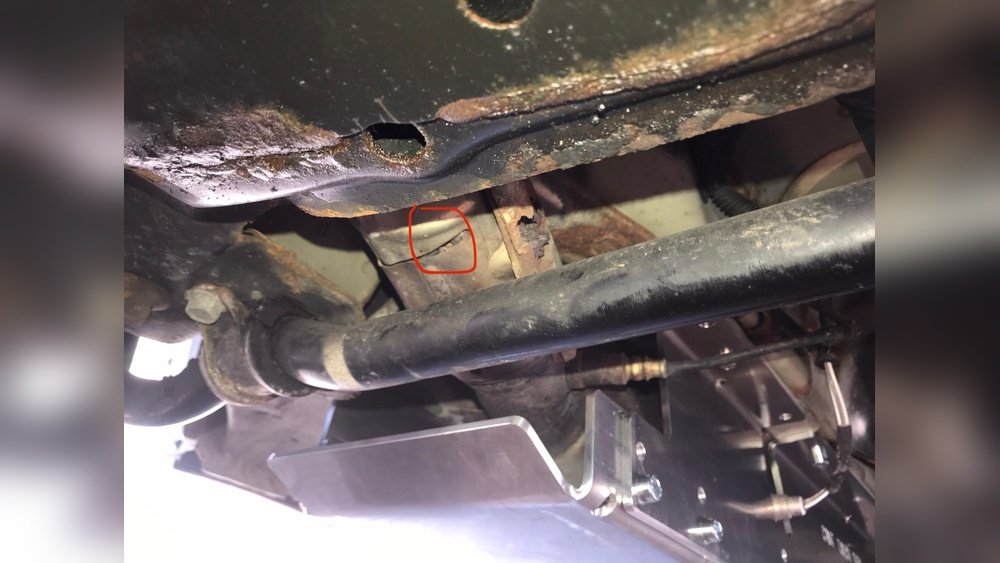
Check around the exhaust manifold, gaskets, and pipes for visible cracks or holes. Look for black soot or smoke marks, which show where gases escape. Also, inspect clamps and hangers for looseness or damage.
Use a flashlight to spot small leaks in dark areas. Watch for rust or corrosion, which weakens exhaust parts and causes leaks over time.
Professional Diagnostic Tools
Mechanics use smoke machines to fill the exhaust system with smoke. The smoke escapes through leaks, making them easy to spot. This method is quick and accurate.
Electronic sensors can measure exhaust gas pressure and flow. They detect leaks invisible to the eye and ear. A scan tool can read engine codes triggered by leaks affecting sensors.
These tools help find hidden leaks and confirm repairs. Professional diagnostics ensure your vehicle stays safe and performs well.
Impact On Engine Behavior
An exhaust leak affects how the engine runs at idle. The engine may feel rough or uneven. This happens because the leak changes the airflow and pressure in the exhaust system. The engine’s sensors receive incorrect data, which leads to poor engine control. These changes can cause several noticeable symptoms in engine behavior.
Understanding these symptoms helps in identifying exhaust leaks early. It also prevents further damage and keeps the engine running smoothly.
Vibrations And Shaking
Exhaust leaks can cause the engine to vibrate or shake. The leak disrupts the balance of exhaust gases leaving the engine. This imbalance makes the engine run unevenly. You might feel shaking through the steering wheel or gas pedal. These vibrations are more obvious when the engine is idling.
Such shaking can also signal other engine problems, so it is important to check the exhaust system first.
Rattling And Noise Patterns
A leaking exhaust creates unusual noises around the engine. You may hear hissing, tapping, or rattling sounds. These noises become louder when the engine is cold or under load. The leak lets exhaust gases escape before reaching the muffler. This causes the engine to sound rough and noisy.
Listening carefully to these sounds helps locate the leak quickly. Ignoring them can lead to louder noise and damage over time.
Effects On Ignition And Combustion
Exhaust leaks affect ignition timing and combustion efficiency. The engine control unit (ECU) relies on oxygen sensors to adjust fuel delivery. A leak changes the oxygen level in the exhaust, causing wrong sensor readings. This leads to poor fuel mixture and incomplete combustion.
Incomplete combustion results in rough idle and reduced engine power. It can also increase emissions and fuel consumption. Fixing the exhaust leak restores proper ignition and smooth engine operation.
Repair And Maintenance
Repair and maintenance play a vital role in fixing exhaust leaks and improving engine idle. Addressing exhaust leaks quickly prevents further engine damage and safety risks. Regular checks help spot leaks early and keep your vehicle running smoothly. Different repair options exist depending on the leak severity and location.
Temporary Fixes And Patching
Temporary fixes can reduce noise and fumes from minor exhaust leaks. Using exhaust tape or patch kits can seal small holes for a short time. These patches help prevent fumes from entering the cabin and reduce rough idle symptoms. Temporary fixes are not long-term solutions but can hold you over until proper repairs.
When To Replace Exhaust Components
Replacing exhaust parts becomes necessary when leaks are severe or patches fail. Rusted or cracked pipes, damaged gaskets, and broken manifolds need full replacement. New components restore proper exhaust flow and engine performance. Delaying replacement can cause poor fuel economy and engine damage.
Preventive Measures To Avoid Leaks
Preventive care extends the life of your exhaust system and avoids leaks. Regularly inspect the exhaust for rust, cracks, and loose parts. Tighten bolts and replace worn-out gaskets immediately. Avoid driving on rough terrain that can damage the exhaust. Scheduled maintenance keeps your engine idle smooth and safe.
Conclusion
An exhaust leak can cause a rough idle and other engine problems. It often leads to strange noises and poor performance. Ignoring these signs might harm your engine and fuel efficiency. Fixing leaks early keeps your car running smoothly and safely.
Always check for unusual sounds or smells inside your vehicle. Prompt action helps avoid costly repairs later on. Stay alert to maintain your car’s health and comfort on the road.














