Are you thinking about tinting your car windows in Alaska? Before you head to the shop, it’s important to know the state’s window tint laws.
These rules affect how dark your tint can be, what colors are allowed, and even special medical exemptions. If you don’t follow them, you could face fines or be forced to remove your tint. This guide will help you understand exactly what’s legal and what’s not, so you can keep your car looking great and stay on the right side of the law.
Keep reading to find out everything you need to know about window tint laws in Alaska.
Alaska Tint Limits
Understanding Alaska’s tint limits is important before tinting your vehicle’s windows. The state sets clear rules to keep drivers safe and visible. These rules differ by window type and help law enforcement identify drivers easily. Following these limits avoids fines and legal trouble. Below are the specific restrictions for different windows.
Front Side Windows
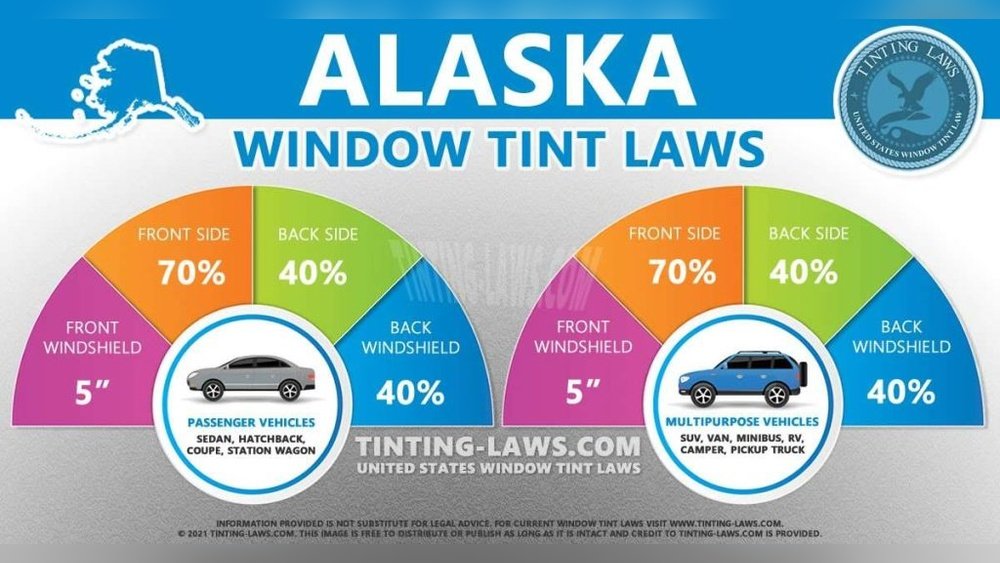
Alaska requires front side windows to allow more light through. The visible light transmission (VLT) must be at least 70%. This means only a light tint is allowed on front side windows. The rule helps police see the driver’s face clearly. Dark tints on these windows are not legal.
Rear Side Windows
The rear side windows have more lenient tint rules. Alaska allows darker tint on these windows. There is no specific VLT limit for rear side windows. Drivers can choose a darker shade for privacy and sun protection. However, the tint cannot be mirrored or reflective.
Rear Window
The rear window also has relaxed tint rules. Dark tint is allowed without a strict VLT percentage. Drivers can use darker films for comfort and heat reduction. Like rear side windows, mirrored tint is not permitted. The rear window tint should not obstruct rearview visibility.
Windshield Restrictions
Windshield tinting is very limited in Alaska. Only the top 4 inches of the windshield may have tint. This tinted area is called the “AS-1 line.” No tinting is allowed below this line. The tint must not block the driver’s view or affect safety. Reflective or colored tint on the windshield is illegal.
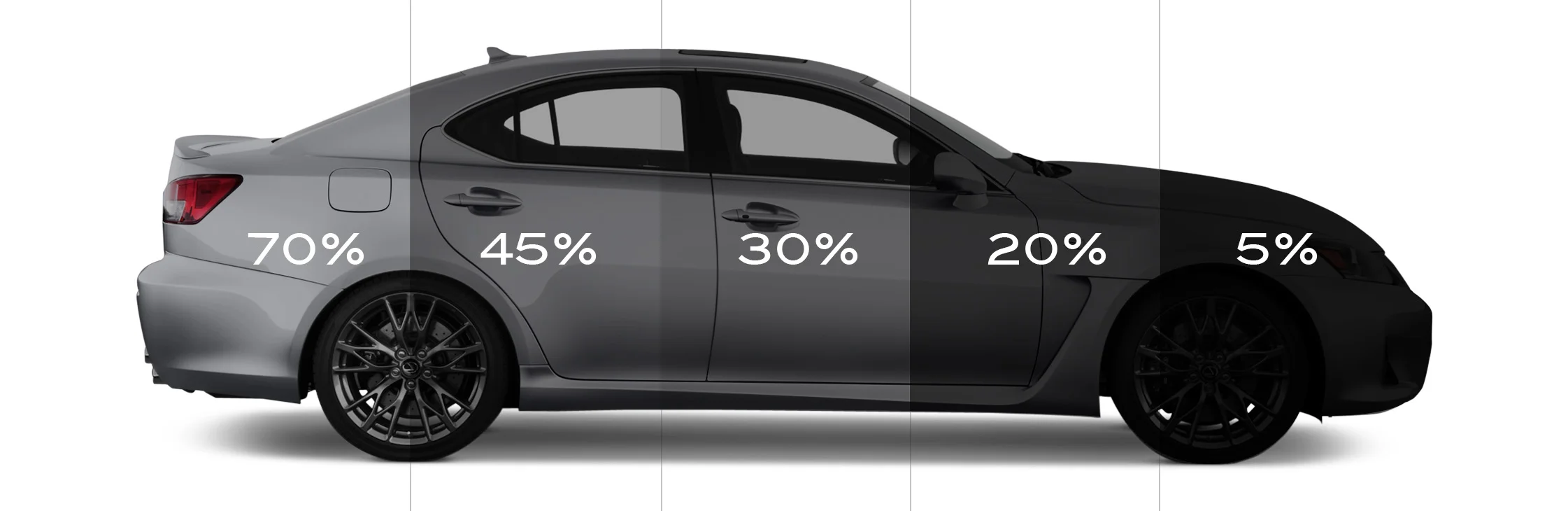
Credit: www.ccamotorsport.com
Allowed Tint Colors
Alaska has clear rules about which window tint colors are allowed on vehicles. The law focuses on safety and visibility while also allowing some privacy for drivers. Choosing the right tint color helps you stay legal and avoid fines.
Neutral Tint Shades
Alaska permits only neutral tint colors on vehicle windows. These are shades like gray or smoke. Neutral colors reduce glare without affecting how you see outside. They keep the look simple and safe for drivers and officers. Bright or unusual colors are not allowed because they can distract others on the road.
Prohibited Mirror Finishes
Mirror or reflective tint finishes are banned in Alaska. These tints reflect light strongly and can blind other drivers. They also make it hard for police to see inside your vehicle. Avoid tints with shiny or chrome-like surfaces to follow the law. Sticking to non-reflective shades keeps you within legal limits and ensures safer driving conditions.
Medical Exemptions
Alaska allows medical exemptions for window tint laws. These exemptions help people with certain health issues. They let drivers or passengers use darker tints than normally allowed. The state requires proof and official approval. This helps protect people sensitive to light. The exemption needs renewal each year. Understanding the rules is important to stay legal and safe.
Qualifying Conditions
Medical exemptions apply to specific health problems. Common qualifying conditions include lupus, skin cancer, and albinism. These conditions cause high sensitivity to sunlight. People with these illnesses may need extra protection. A doctor must confirm the condition. The tint helps reduce glare and UV exposure. Only approved conditions qualify for the exemption.
Application Process
Applicants must get a written statement from a doctor. The statement should explain the medical need for tint. It must include the patient’s details and diagnosis. Submit this to the Alaska DMV. The DMV reviews the request carefully. If approved, the applicant receives a medical exemption certificate. This certificate must be kept in the vehicle at all times. It proves the tint is legal under medical grounds.
Renewal Requirements
The medical exemption is valid for one year. Drivers must renew it annually to keep the benefits. A doctor must re-examine the condition each year. The renewal process follows the same steps as the initial application. Submit updated medical proof to the DMV before expiration. Without renewal, the exemption becomes invalid. This can lead to fines or tint removal orders.
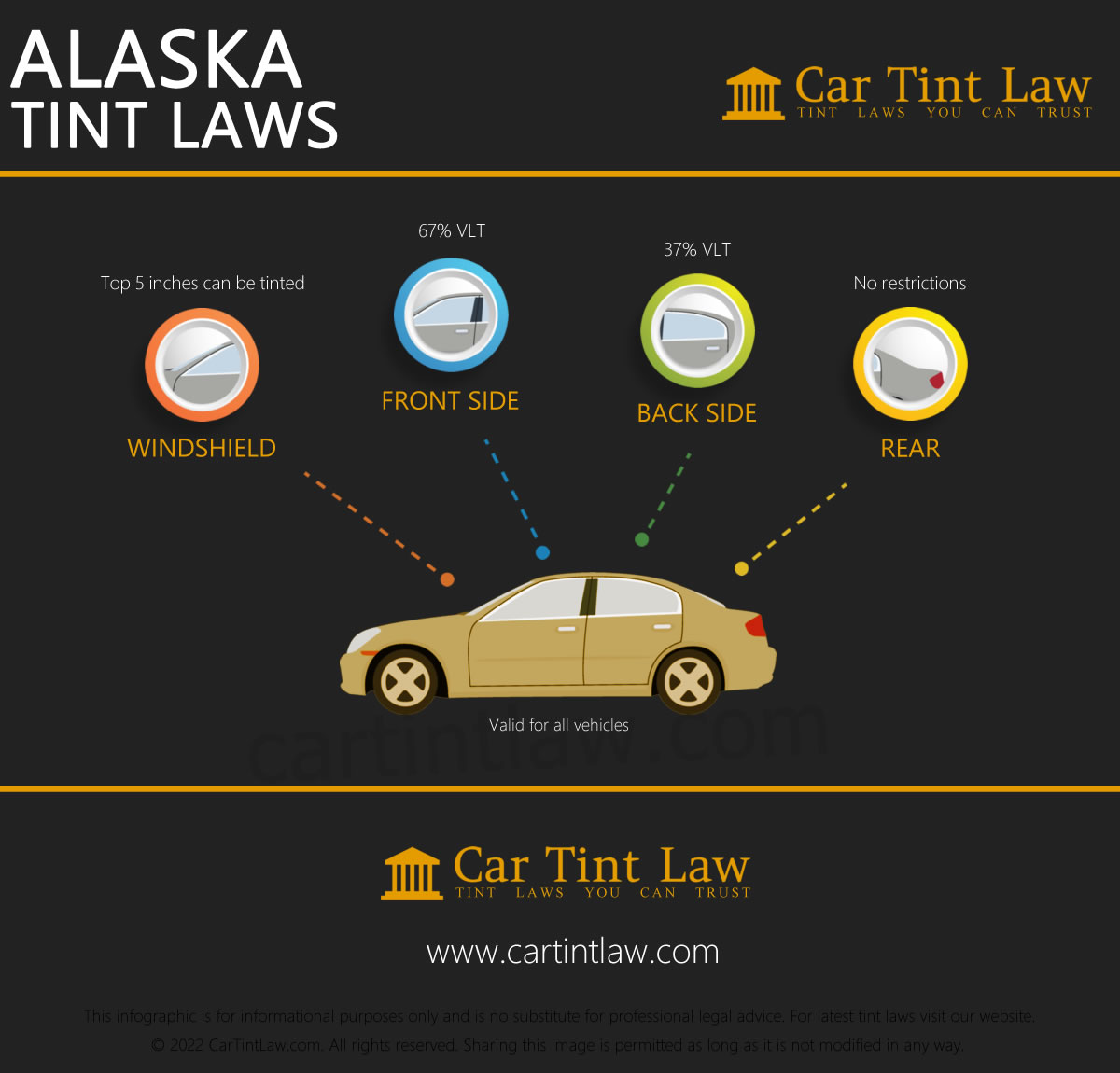
Credit: www.cartintlaw.com
Enforcement And Penalties
Alaska enforces window tint laws strictly to ensure driver safety and visibility. Authorities regularly check vehicles for compliance. Violations can lead to penalties designed to encourage correction rather than harsh punishment. Understanding the enforcement process helps drivers avoid trouble on the road.
Fix-it Tickets
Most window tint violations in Alaska result in fix-it tickets. These tickets require the driver to remove or adjust illegal tint. After correction, proof must be shown to law enforcement. Fix-it tickets avoid heavy fines but must be addressed promptly. They help keep vehicles safe without immediate harsh penalties.
Fines And Consequences
If a fix-it ticket is ignored, fines may be imposed. The amount varies but can increase with repeat offenses. Excessively dark tint may lead to higher fines or additional penalties. Police may also issue citations that affect your driving record. Staying within legal tint limits prevents costly consequences.
Appealing A Citation
Drivers may appeal window tint citations in Alaska. This process involves presenting evidence or explaining circumstances in court. Appeals must follow specific procedures and deadlines. Successful appeals can dismiss or reduce penalties. Preparing clear information improves chances of winning an appeal.
Special Vehicle Rules
Alaska has special rules for window tinting based on the type of vehicle. These rules help keep drivers safe and ensure clear visibility. Different laws apply to trucks, commercial vehicles, and passenger cars. The use of the vehicle, whether personal or business, also affects tint regulations.
Trucks And Commercial Vehicles
Trucks and commercial vehicles face stricter tint limits in Alaska. Front side windows must allow at least 70% of light in. Rear windows can have darker tint but must not block visibility. This helps law enforcement see inside these larger vehicles. Safety is a priority on Alaska’s roads.
Passenger Vehicles
Passenger vehicles have more flexible tint rules than trucks. Front side windows must let in 70% or more of light. Rear side and back windows can be tinted darker. Reflective or mirrored tints are not allowed on any window. These rules balance privacy and safety for everyday drivers.
Personal Vs. Business Use
Tint laws differ for personal and business vehicles in Alaska. Commercial vehicles have tighter restrictions to ensure safety and compliance. Personal vehicles enjoy slightly more freedom with tint darkness. Always check which category your vehicle fits into before tinting. Following the correct rules prevents fines and ticket problems.

Credit: tintwiz.com
Installation Guidelines
Installing window tint in Alaska requires following specific guidelines. These rules ensure your tint is legal and safe. Proper installation helps avoid fines and improves driving comfort. Understanding approved materials and choosing the right installation method is essential. Below are key points to guide your tinting process.
Approved Materials
Alaska allows only certain types of window tint films. The tint must be non-reflective and neutral in color. Gray or smoke tints are commonly accepted. Mirrored or metallic films are not legal. The film should allow enough light to pass through. This transparency is measured by Visible Light Transmission (VLT). Front side windows usually require higher VLT percentages. Rear windows have more flexibility but still must meet state rules. Using approved materials avoids legal issues during inspections or traffic stops.
Professional Vs. Diy Tinting
Professional tinting offers precise installation with fewer errors. Experts use special tools to avoid bubbles and wrinkles. They understand Alaska’s laws and ensure compliance. DIY tinting kits are cheaper but carry risks. Improper installation can reduce visibility and cause fines. DIY work may void warranty or damage windows. Professionals typically provide a warranty for their service. For long-term satisfaction, professional tinting is a safer choice. Choose based on your budget and confidence level.
Recent Law Updates
Alaska has recently updated its window tint laws to improve clarity and enforcement. These changes affect tint limits and how authorities handle violations. Understanding these updates helps drivers stay compliant and avoid fines.
Changes In Tint Limits
The new law slightly adjusts the allowed tint darkness on front side windows. Drivers may now use tint with a minimum visible light transmission (VLT) of 50%. This means windows must let in at least half of the outside light.
Rear side windows and back windows still have no VLT restrictions. The tint color must remain neutral, like gray or smoke. Reflective or mirrored tints are banned to prevent glare.
Medical exemptions remain available for people needing darker tints due to health reasons. These require annual approval from an Alaska-licensed doctor.
New Enforcement Policies
Enforcement focuses on correcting violations rather than harsh penalties. Most tint tickets are “fix-it” citations, requiring drivers to remove illegal tint within a set time.
If the tint is not fixed, fines may apply. Law enforcement officers now have clearer guidelines for measuring tint levels during stops.
These policies aim to keep roads safe while giving drivers time to comply with the law.
Tips For Compliance
Understanding and following Alaska’s window tint laws helps you avoid fines and keep your vehicle safe. Simple steps can ensure your tint stays within legal limits. These tips help you choose the right tint and maintain its legal status on the road.
Choosing The Right Tint
Alaska requires front side windows to allow at least 70% of light through. Rear side and back windows can be darker but must not be mirrored or reflective. Select a tint film that matches these rules. Use neutral colors like gray or smoke to stay compliant. Avoid mirrored or colored tints as they are not allowed. Always check the Visible Light Transmission (VLT) percentage before buying. Proper tint helps reduce glare and heat while following the law.
Maintaining Legal Status
Regularly inspect your tint to ensure it remains clear and untarnished. Damage or peeling can affect its legality. Keep your tint certificate or receipt in your vehicle as proof. Medical exemptions require yearly renewal and must be issued by an Alaska-licensed doctor. Fix any tint violations promptly to avoid fines or further penalties. Stay updated on any changes to Alaska’s tint laws to remain compliant. Proper maintenance protects you from tickets and keeps your driving safe.
Frequently Asked Questions
What Is The Darkest Tint Legal In Alaska?
Alaska allows a minimum of 70% visible light transmission (VLT) on front side windows. Rear windows have no VLT limit. Mirrored tints are illegal. Medical exemptions apply with proper documentation. Always check local updates for compliance.
Is 20% Tint Darker Than 35?
Yes, 20% tint is darker than 35% tint. Lower numbers mean less visible light passes through.
Is 30% Tint All Around Legal?
30% tint all around is illegal in Alaska. Front side windows must allow at least 70% light transmission. Rear and back windows have no limit. Medical exemptions may apply. Always check local laws before tinting.
Can You Still See Through 20% Tint?
Yes, you can see through 20% tint, but it reduces visibility significantly, especially at night or in low light conditions.
Conclusion
Understanding Alaska’s window tint laws helps keep you safe and legal. Stick to allowed tint percentages and colors to avoid fines. Remember, medical exemptions require proper documentation and yearly renewal. Fixing tint violations quickly can prevent bigger penalties. Always check local updates, as rules may change.
Drive confidently knowing your tint follows Alaska’s regulations. Stay informed, stay protected on the road.