Are you thinking about tinting your car windows in Rhode Island? Before you do, it’s important to understand the state’s window tint laws.
These rules aren’t just about style—they’re designed to keep you safe and avoid costly tickets. If your tint is too dark or the wrong type, you could face fines or even have to remove the tint altogether. But don’t worry—this guide breaks down everything you need to know in simple terms.
By the end, you’ll know exactly what’s allowed, how to stay compliant, and when you might qualify for special exemptions. Keep reading to protect your investment and drive with confidence in Rhode Island.

Credit: kepler-dealer.com
Ri Tint Limits
Rhode Island has clear rules about how dark your car window tint can be. These rules help keep drivers and passengers safe. They also let law enforcement see inside the vehicle when needed. Each window type has its own limit. Knowing these limits prevents fines and helps you stay legal.
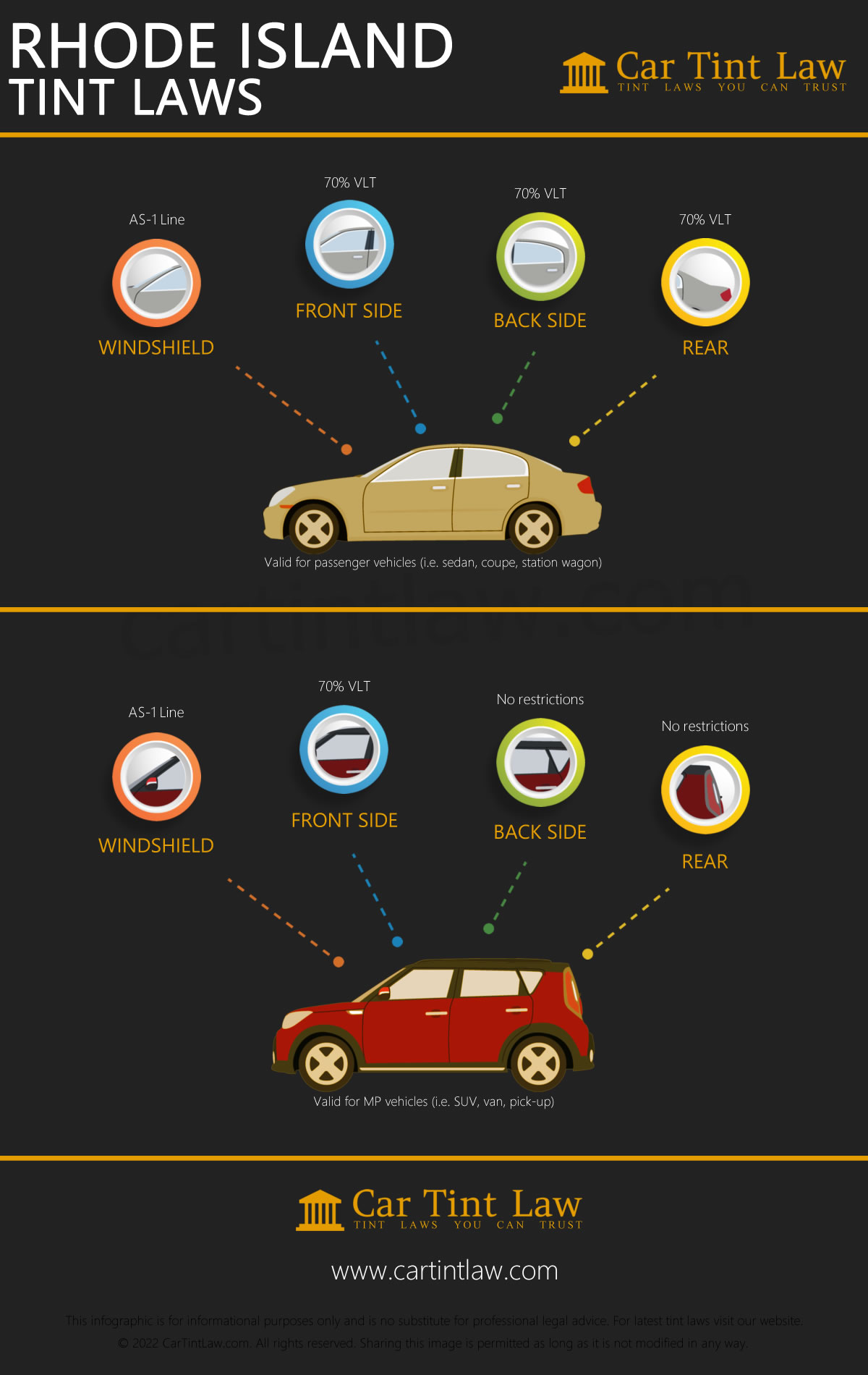
Front Side Windows
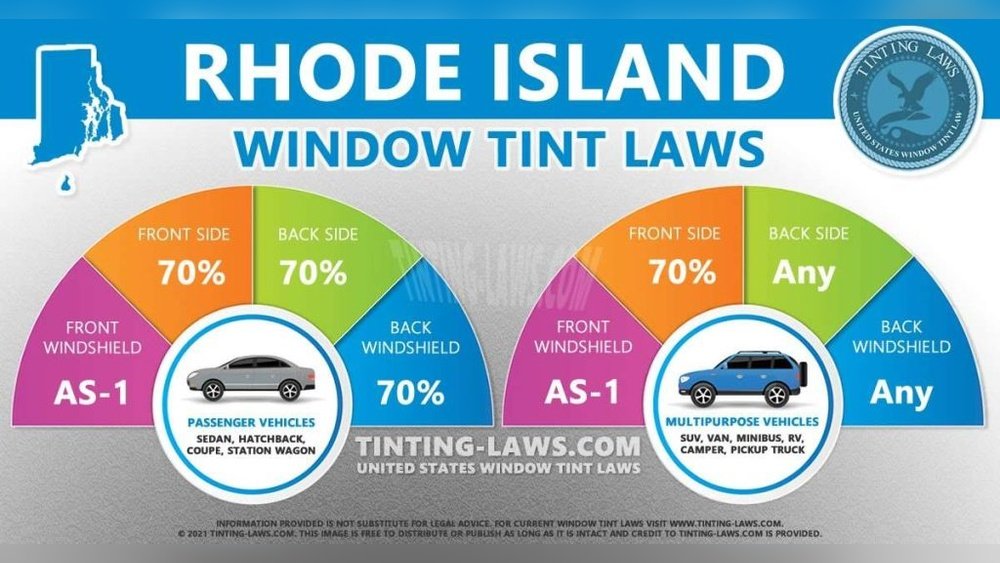
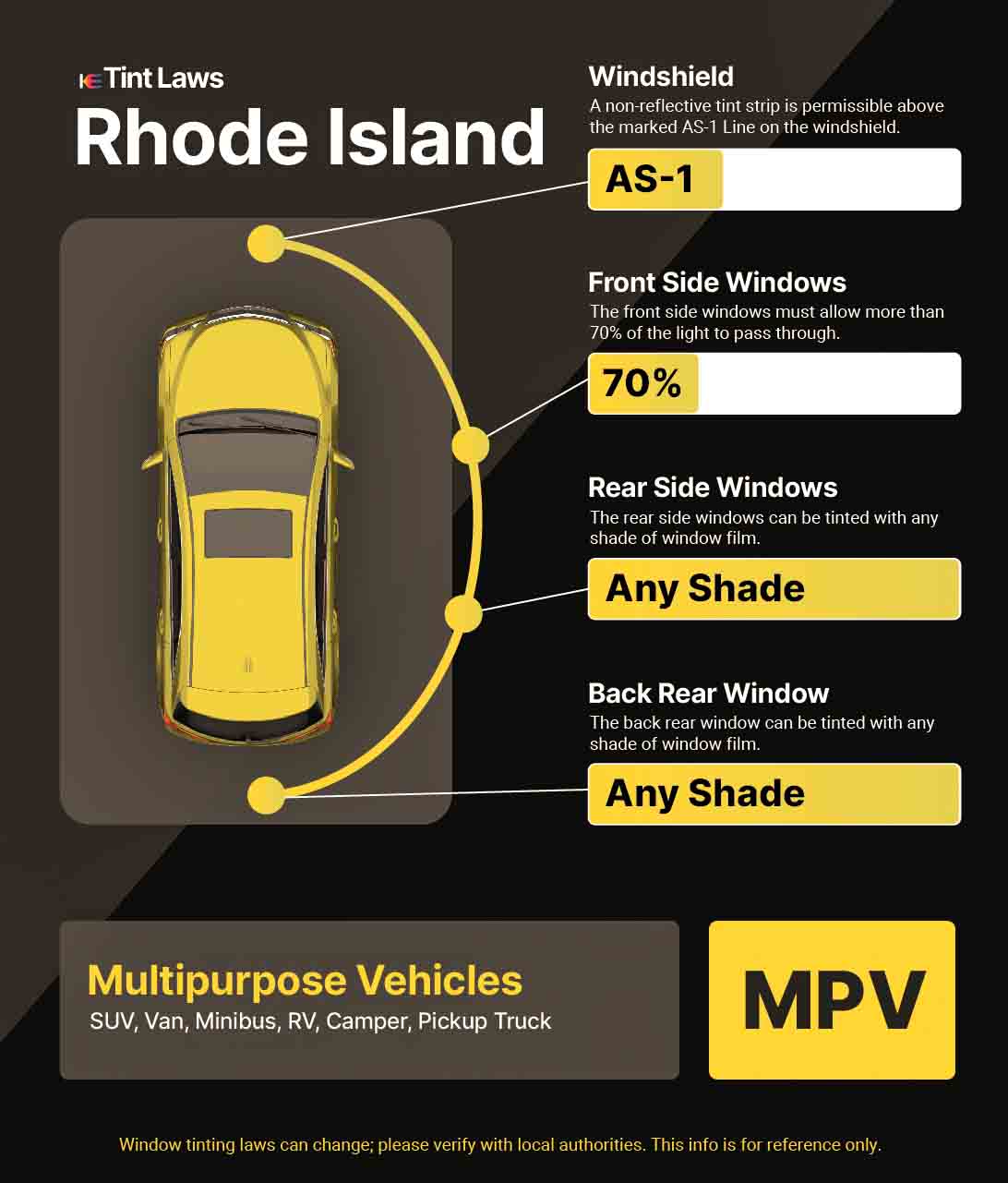
The front side windows in Rhode Island must allow more light in. The tint must let in at least 35% of visible light. This means the tint can be dark but not too dark. Drivers need good visibility on the sides for safe driving. This rule helps officers see inside the vehicle during stops.
Rear Side Windows
Rear side windows have fewer restrictions. Rhode Island allows any darkness level on these windows. You can choose very dark tint for privacy. This is helpful for passengers or cargo in the back. Darker tint here does not affect driver visibility as much.
Rear Window
The rear window also has relaxed tint rules. You can use any level of tint on the back window. Many drivers prefer darker tint here for privacy and to reduce glare. Just make sure your vehicle has side mirrors on both sides. This ensures you can see behind even with a dark rear window.
Windshield Tinting
The windshield rules are strict in Rhode Island. Only a small strip at the top of the windshield can be tinted. This strip is called the “AS-1 line.” Tint below this line is not allowed. The clear part of the windshield must let in most light. This keeps your view clear and safe while driving.
Visible Light Transmission
Visible Light Transmission (VLT) plays a key role in Rhode Island’s window tint laws. It determines how much light passes through your car windows. Understanding VLT helps you choose legal and safe tint levels. It balances visibility with heat and glare reduction.
Definition And Importance
Visible Light Transmission means the percentage of light allowed through window film. Higher VLT means more light enters the vehicle. Lower VLT means darker tint and less light. Rhode Island law sets minimum VLT levels to keep drivers safe. Proper VLT helps maintain good road visibility. It also reduces eye strain and glare. Knowing VLT prevents fines and keeps your car compliant.
Measurement Standards
VLT is measured using special meters or light sensors. The meter shines light through the window film. It calculates the percentage of light passing through. Rhode Island uses these measurements for legal checks. The front side windows must allow more light than rear windows. Law enforcement uses VLT meters during traffic stops. It ensures your tint meets the state’s safety rules. Always check your tint’s VLT before installation.
Exemptions And Exceptions
Rhode Island has specific rules about window tint darkness and reflectiveness. Yet, some vehicles and drivers are allowed exceptions. These exemptions help accommodate special needs or functions. Understanding these exceptions can prevent fines or legal trouble. Below are key exemptions in Rhode Island’s window tint laws.
Multi-purpose Vehicles
Multi-purpose vehicles, like vans or SUVs, often carry passengers or cargo. Rhode Island allows darker tint on rear windows of these vehicles. The law recognizes the need for privacy and sun protection in these cases. This exemption applies only to windows behind the driver’s seat. Front side windows must still follow standard tint limits.
Medical Exemptions
Drivers with certain medical conditions may qualify for a tint exemption. This includes conditions sensitive to sunlight or UV rays. A doctor’s note or certification is required to prove the need. Once approved, drivers can apply darker tint than normally allowed. This helps protect their health while driving safely.
Official Vehicles
Vehicles used by law enforcement or government officials have special tint rules. These vehicles can have darker tints for security and privacy reasons. The exemption supports the safety of officers and officials on duty. Official vehicles must be clearly marked or registered to qualify. This ensures the exemption is not misused.
Penalties And Enforcement
Rhode Island enforces strict rules on window tinting to ensure driver safety and visibility. Violating these laws can lead to penalties. The state uses fines and tickets to discourage illegal tinting. Police actively monitor window tints during traffic stops.
Understanding the penalties and enforcement helps drivers stay compliant and avoid trouble on the road.
Fines And Tickets
Drivers caught with illegal tint face fines. These fines vary depending on the severity of the violation. First-time offenders usually receive a warning or a small fine. Repeat offenders can pay larger fines. Tickets require drivers to fix the tint or face further penalties. Rhode Island may also require removing the illegal tint to pass inspections.
Police Enforcement Practices
Police officers check window tint during traffic stops or safety inspections. They use tools like light meters to measure tint darkness. Officers focus on front side windows and windshields, where limits are strictest. If the tint fails to meet legal standards, officers issue a citation. Enforcement aims to keep windows clear for safe driving and emergency visibility.
Common Violations
Many drivers violate tint laws by using film too dark for front windows. Others use reflective or mirrored tints banned by Rhode Island law. Some apply tint to the windshield beyond the allowed strip at the top. Non-compliant tint reduces visibility and raises safety risks. Being aware of these common mistakes helps avoid penalties.
Choosing Legal Tint
Choosing the right window tint in Rhode Island means knowing the legal limits. The law sets clear rules about how dark your tint can be. Staying within these rules avoids fines and keeps your car safe on the road.
Understanding these laws helps you pick the best tint. It balances your need for privacy with the law’s visibility requirements. Let’s explore some key points about choosing legal tint in Rhode Island.
Recommended Tint Percentages
Rhode Island allows different tint levels for each window. Front side windows must allow more light through than rear windows. Typically, front side windows need to have at least 35% visible light transmission. Rear side and back windows can be darker, often down to 20%.
Windshields can only have tint on the top few inches, known as the AS-1 line. Following these percentages helps you stay legal and avoid trouble with police.
Balancing Privacy And Visibility
Many drivers want privacy but must keep good outside visibility. Darker tints block more view from outside but reduce how much light comes in. Choosing a tint that is too dark can make it hard to see inside and outside the car.
Choosing a medium tint level offers privacy while keeping clear vision. This balance improves safety for you and others on the road. It also keeps your car cooler by blocking some sunlight.
Night Driving Considerations
Tints that are too dark can make night driving risky. Reduced light makes it harder to see road signs, pedestrians, and other vehicles. In Rhode Island, the law’s tint limits help keep night visibility safe.
Choosing tint with higher visible light transmission improves your vision at night. It reduces glare from headlights and streetlights. This choice makes night driving safer and more comfortable.
Credit: kepler-dealer.com
Aftermarket Tinting Risks
Aftermarket window tinting can seem like a great way to improve your vehicle’s look and comfort. It blocks heat and UV rays and adds privacy. Yet, tinting your windows in Rhode Island carries risks that many drivers overlook. Understanding these risks helps you avoid fines, poor visibility, and damage to your vehicle.
Compliance Challenges
Rhode Island has strict window tint laws. The law limits how dark your tint can be on different windows. Dark tints on front side windows are often not allowed. Many aftermarket tints do not meet these legal limits. This can lead to tickets or mandatory removal of the tint.
Law enforcement officers use tools to check tint darkness. Tints that block too much light fail these tests. Also, some states require a certificate to prove your tint is legal. Aftermarket tints often lack this documentation. This makes it harder to prove compliance during traffic stops.
Quality And Installation
Aftermarket tints vary widely in quality. Low-quality films may bubble, peel, or fade quickly. Poor installation worsens these problems. Bubbles or wrinkles reduce visibility and look bad. Bad installation can also cause damage to your car’s window seals.
Professional installation is key. Experts cut and apply tint films carefully. They ensure the tint meets legal standards. DIY tinting kits risk improper application. This can lead to early wear and legal issues. Choosing quality materials and skilled installers protects your investment.
How To Check Tint Legality
Checking the legality of your window tint in Rhode Island is important. The state has specific rules on how dark or reflective your tint can be. Ensuring your tint follows these laws helps you avoid fines and safety issues. There are simple ways to test and verify if your tint meets Rhode Island’s requirements.
Testing Methods
One common way to check tint legality is using a light meter. This device measures how much light passes through your windows. Rhode Island law sets a minimum visible light transmission (VLT) percentage. You can buy or borrow a light meter to see if your tint meets this limit. Some police officers also carry these meters during traffic stops.
Dmv Resources
The Rhode Island Department of Motor Vehicles (DMV) offers guidance on window tint laws. Their website lists allowed tint levels for each window. You can contact them to ask about specific rules or get a copy of the regulations. The DMV can also provide information on where to get your tint inspected officially.
Professional Inspection
Getting a professional inspection is a reliable way to check tint legality. Many tint shops have the tools and knowledge to measure your tint correctly. They can tell you if your tint passes state laws or needs adjustment. A professional report may also help if you face a ticket related to window tint.
Credit: www.cartintlaw.com
Frequently Asked Questions
What Does A 70 Tint Look Like?
A 70 tint looks almost clear with a subtle, faint film. It offers minimal darkening and high visibility, preserving a natural window appearance.
Is 35% Tint Considered Dark?
A 35% tint is moderately dark, offering good privacy without severely reducing visibility. It balances sun protection and night driving safety well. Many states allow 35% tint on front side windows as the darkest legal limit.
Can You Get Pulled Over For Tint In Ri?
Yes, police can pull you over in Rhode Island for illegal window tint. Tints must meet state brightness and reflectivity limits.
How Much Is A Tint Ticket In Rhode Island?
A tint ticket in Rhode Island costs $250. This fine applies for illegal or non-compliant window tinting.
Conclusion
Rhode Island’s window tint laws help keep drivers safe and comfortable. Knowing the allowed tint levels avoids fines and legal trouble. Choose tint that balances visibility, heat protection, and privacy. Always check the rules before applying any film to your windows.
Staying informed ensures a smooth driving experience and peace of mind. Remember, clear visibility saves lives on the road. Tint smartly and follow Rhode Island’s guidelines for best results.