Are you thinking about tinting your car windows in Minnesota? Before you head to the shop, it’s crucial to know the state’s window tint laws.
Understanding these rules can save you from costly fines, unexpected traffic stops, and even safety risks. In Minnesota, the darkness and placement of window tint are strictly regulated, and the limits might surprise you. This guide will walk you through everything you need to know—what’s allowed, what’s not, and how to stay on the right side of the law.
Keep reading to protect your vehicle and avoid trouble on the road.
Legal Tint Limits
Understanding Minnesota’s legal tint limits helps drivers avoid fines and stay safe. The state sets clear rules on how dark window tint can be. These rules vary by window type and vehicle category. Following them keeps your car legal and visible to police and other drivers.
Below are the specific legal tint limits for different windows on passenger vehicles and exemptions for larger vehicles.
Front Windshield Rules
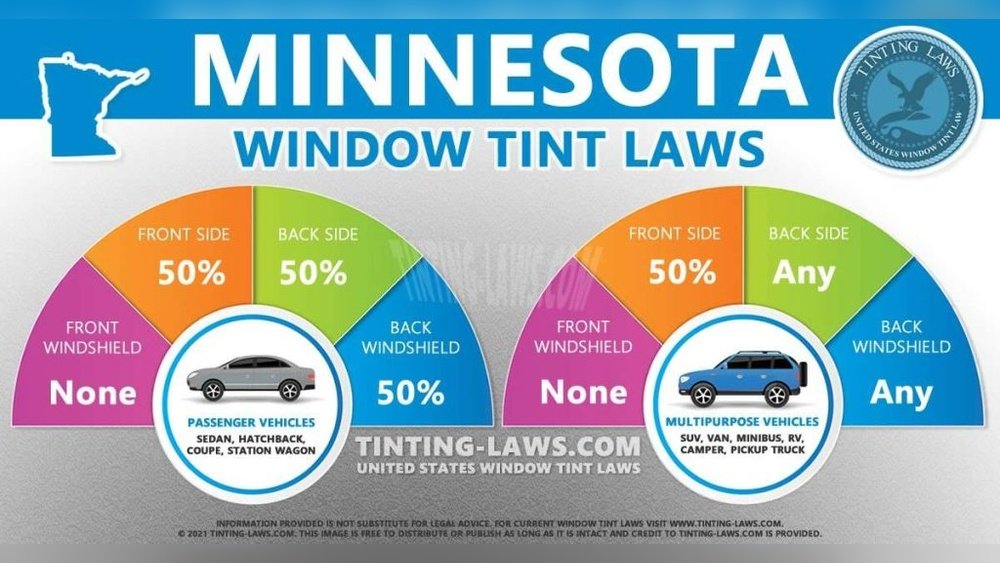
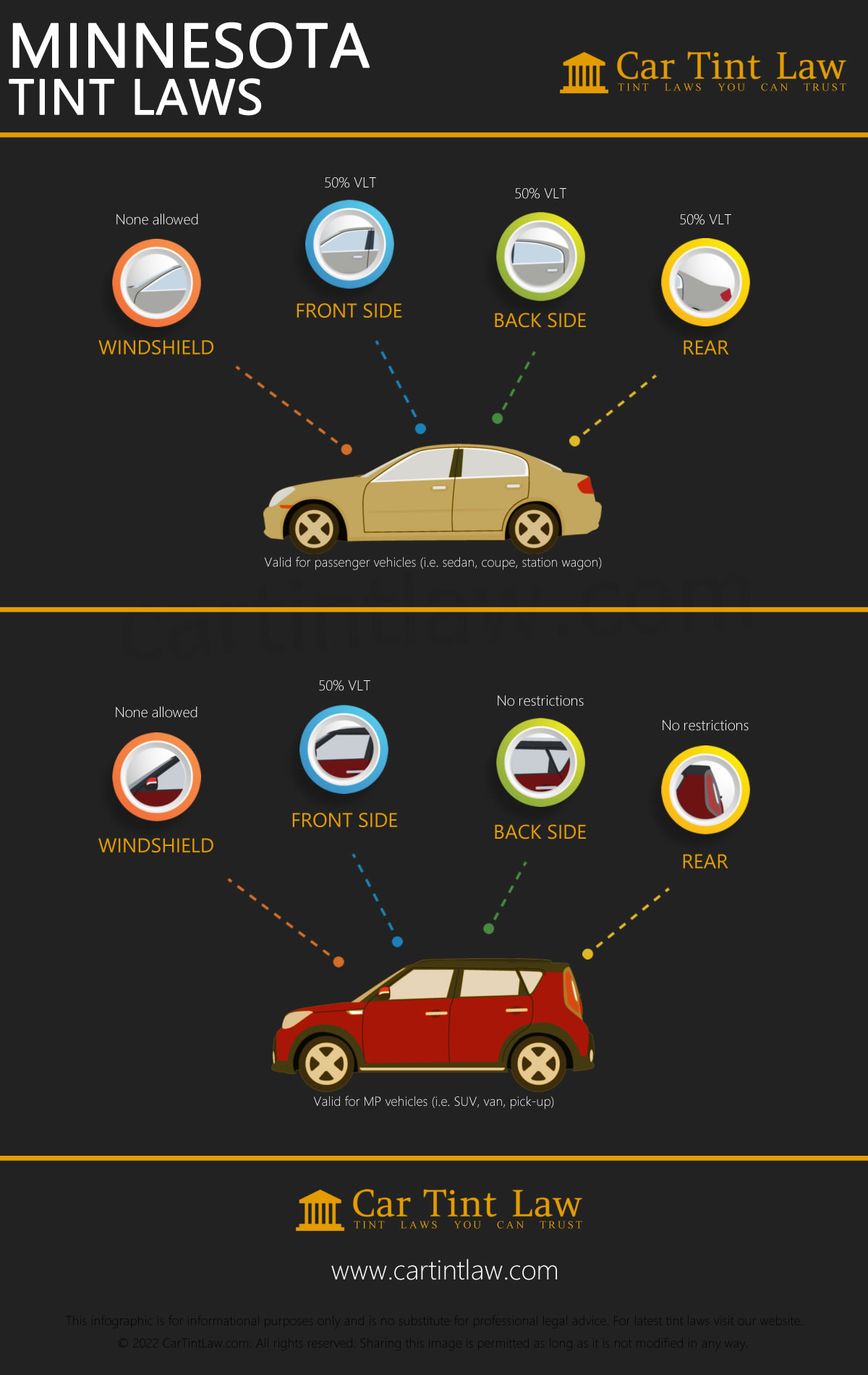
Minnesota bans tint on the front windshield except for a top strip. This strip can be no wider than 3 inches from the top edge. The rest of the windshield must remain clear. This rule ensures drivers have a clear view and police can see inside the car.
Front Side Windows
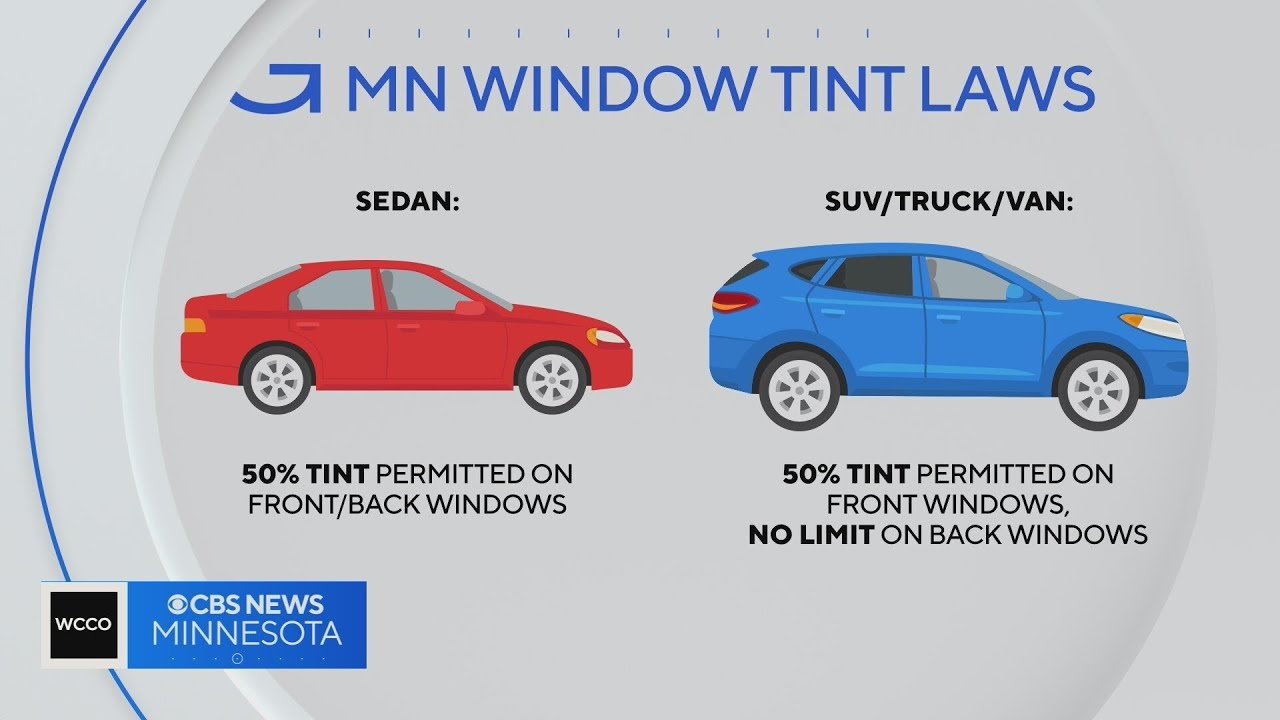
The front side windows must allow more than 50% of light to pass through. This means the tint cannot be darker than 50% VLT (Visible Light Transmission). The rule helps police see occupants inside the vehicle easily. Darker tint on these windows is illegal and can lead to a ticket.
Rear Side Windows And Back Window
Minnesota permits darker tint on rear side windows and the back window. There is no limit on how dark the tint can be here. This offers privacy for passengers and reduces glare. However, vehicles must have side mirrors on both sides to use dark tint on rear windows.
Suvs, Vans, And Trucks Exemptions
SUVs, vans, and trucks have different tint rules. These vehicles can have any level of tint on rear side windows and back windows. No light transmission minimum applies. This exemption recognizes the larger size and different use of these vehicles. They still must follow the front windshield and front side window rules.
Credit: www.youtube.com
Medical Exemptions
Medical exemptions allow certain Minnesota drivers to use darker window tints than normally permitted. These exemptions help people with specific health issues reduce sun exposure and glare. The state provides clear rules about who qualifies and what documentation is needed. Understanding these rules can help eligible drivers stay compliant with tint laws while protecting their health.
Eligibility And Prescription
To qualify for a medical exemption, a person must have a health condition sensitive to sunlight. Common conditions include lupus, skin cancer, or other light-triggered diseases. A licensed doctor must provide a written prescription stating the need for darker window tint. This prescription outlines the medical reason for the exemption and the recommended tint level.
Sticker Requirements
Drivers with a medical exemption must display a special sticker on their vehicle. This sticker shows that the car’s tint complies with the exemption rules. It helps law enforcement quickly identify exempt vehicles during traffic stops. The sticker must be placed on the inside of the driver’s side window where it is visible.
Renewal Process
Medical exemptions are not permanent and require renewal. Drivers must visit their doctor regularly to confirm the ongoing need for tint. The medical prescription and exemption sticker must be updated every year. Keeping up with this process ensures continued legal use of darker tint under Minnesota law.
Law Enforcement And Enforcement
Law enforcement in Minnesota strictly enforces window tint laws to ensure road safety. Police officers monitor vehicles for illegal tints that reduce visibility. Dark or non-compliant tints can lead to traffic stops. Understanding how law enforcement approaches tint violations helps drivers stay compliant and avoid fines.
Reasons For Being Pulled Over
Officers often pull drivers over if their window tint looks too dark. Dark tints can block the officer’s view inside the vehicle. This raises safety concerns during traffic stops. Police may also stop a vehicle if the tint does not meet Minnesota’s legal limits. Visible tint violations invite law enforcement attention.
Equipment Violations
Illegal window tint is considered an equipment violation in Minnesota. The law sets rules for how dark or reflective tint can be. Having tint outside these limits means the vehicle is not roadworthy. Officers can issue citations for these violations. Fixing illegal tints is necessary to pass vehicle inspections.
Probable Cause For Stops
Non-compliant window tint gives police probable cause to stop a vehicle. Probable cause means the officer has reasonable suspicion of a law violation. Dark tints reduce the officer’s ability to see inside the car. This increases safety risks during a stop. Therefore, illegal tint alone can justify a traffic stop.
Credit: www.cartintlaw.com
What To Do If Stopped
Getting stopped by law enforcement for window tint issues in Minnesota can be stressful. Knowing how to respond calmly helps avoid complications. Stay respectful and follow simple steps to handle the situation smoothly.
Testing Your Tint
Officers may use a tint meter to check your window’s light transmission. You can also get your tint tested at a local tint shop for free. This helps confirm if your tint complies with Minnesota’s laws. Keep the test results in your vehicle as proof.
Cooperating With Officers
Lower your windows before the officer reaches your car. Answer questions politely and clearly. Show your license, registration, and proof of tint testing if you have it. Avoid arguing or sudden moves to keep the interaction calm.
Avoiding Further Issues
If your tint is illegal, plan to fix it quickly. Remove or replace the tint to meet state rules. Keep your windows clean and clear to avoid drawing attention. Regularly check your tint’s compliance to prevent future stops.
Safety And Compliance
Understanding safety and compliance with Minnesota’s window tint laws helps drivers avoid problems. These laws protect all road users by ensuring clear visibility. Compliance also prevents fines and legal trouble. Following the rules keeps you and others safe on the road.
Purpose Of Tint Laws
Tint laws exist to maintain good visibility for drivers. They help police officers see inside vehicles during stops. Clear windows also reduce blind spots and improve reaction time. These laws balance privacy with safety needs on Minnesota roads.
Avoiding Tickets
Illegal window tint can lead to costly tickets. Police may stop drivers if tint looks too dark. Testing your tint’s Visible Light Transmission (VLT) helps avoid fines. Keep your tint within Minnesota’s legal limits to stay ticket-free.
Importance Of Sticker Display
Some tints require a special compliance sticker from the installer. Displaying this sticker proves your tint meets state standards. It helps officers quickly confirm your tint is legal during traffic stops. Always keep the sticker visible on your tinted windows.

Credit: www.change.org
State-to-state Tint Variations
Window tint laws differ widely across the United States. Each state sets its own rules on how dark or reflective tint can be. These variations can confuse drivers who travel between states. Minnesota has specific regulations that may not match neighboring states or distant ones.
Understanding these differences helps avoid fines and legal trouble. It also keeps drivers and passengers safe by ensuring proper visibility. Travelers should know how Minnesota’s laws compare and how to stay compliant across state lines.
Comparing Minnesota To Other States
Minnesota allows no tint on the front windshield except a small top strip. Front side windows must allow at least 50% of light through. Rear side and back windows can be very dark with no limit for SUVs, vans, and trucks.
Some states have stricter rules. For example, California requires front side windows to allow 70% of light. Florida has looser rules for rear windows but strict limits on front ones. These differences can cause confusion for drivers crossing state borders.
Impact On Travelers
Travelers with tinted windows may face stops and fines in states with stricter laws. Police can pull over vehicles for illegal tint as it may reduce visibility. This is true even if the tint is legal in the driver’s home state.
Interstate travelers should be cautious about tint levels. Some states may require drivers to remove or adjust tint to comply. Being unaware of these rules can lead to unexpected penalties during trips.
Interstate Compliance Tips
Check tint laws of all states on your travel route before starting. Many state DMV websites list their window tint regulations. Use this information to ensure your tint meets the strictest state rules you will encounter.
Consider removing or replacing illegal tint before long trips. Carry proof of legal tint compliance from your home state if available. When stopped, lower your windows to show officers your tint level clearly.
Regularly test your window tint’s visible light transmission (VLT) at a trusted shop. This helps confirm your tint stays within legal limits. Staying informed prevents fines and keeps your travels smooth and safe.
Common Violations And Fines
Understanding the common violations and fines related to window tint laws in Minnesota helps drivers avoid trouble. These laws control how dark or reflective window tints can be. Police officers check for compliance during traffic stops. Violations can lead to fines and other penalties.
Typical Infractions
Many drivers make common mistakes with window tinting. Tinting the front windshield beyond the allowed strip is a frequent violation. Front side windows with tint darker than 50% visible light transmission (VLT) also break the law. Rear side windows and back windows on cars have fewer restrictions but still must comply in some cases. Using reflective or mirrored tint is another typical offense. Not removing illegal tint after a ticket can cause additional fines.
Penalty Amounts
Fines for tint violations in Minnesota vary by county. Most tickets cost between $100 and $300. Repeat offenders may face higher fines or court fees. Some counties add extra charges for equipment violations. Police may also require drivers to remove illegal tint within a set time. Failure to comply can lead to further penalties or vehicle inspection issues.
How To Contest A Ticket
Drivers can dispute a window tint ticket in court. Gathering proof of legal tint or a recent test helps the case. Photos and tint shop certificates support your argument. Requesting a retest of your window tint may show compliance. Appearing in court and explaining your situation clearly improves chances. Some courts allow payment plans or reduced fines after contesting.
Frequently Asked Questions
What Is The Darkest Legal Tint In Mn?
The darkest legal tint in Minnesota allows no tint on the front windshield except a top strip. Front side windows must have at least 50% visible light transmission (VLT). Rear side and back windows on SUVs, vans, and trucks have no tint limits.
Can Cops Pull You Over For Tint In Mn?
Yes, Minnesota police can pull you over for illegal window tint. Front side windows must allow at least 50% light. Rear windows have no limit for SUVs and trucks. Illegal tint provides probable cause for a stop. Always ensure your tint complies with state laws.
In What State Is 20% Tint Legal?
20% tint is legal on front side windows in New Mexico. Most states require lighter tints; check local laws before applying.
Is 30% Tint Dark At Night?
A 30% tint is moderately dark but generally allows enough visibility at night. It balances privacy and safety well.
Conclusion
Minnesota’s window tint laws protect driver safety and visibility. Keep front windshield and front side windows clear or lightly tinted. Rear windows allow darker tint without limits. Police can stop you for illegal tint to ensure compliance. Always check your tint’s visibility level before driving.
Following these rules helps avoid fines and legal trouble. Stay informed and choose tint wisely for safety and legality. This knowledge keeps your vehicle within Minnesota’s legal standards. Drive safely with proper window tint today.