Thinking about tinting your car windows in Delaware? Before you head to the shop, you need to know the rules that protect you and keep you legal on the road.
Window tint laws in Delaware aren’t just about style—they’re designed to ensure safety and visibility for everyone. If you want to avoid fines or having to remove your tint, it’s crucial to understand exactly what’s allowed and what isn’t. This guide breaks down Delaware’s window tint laws in simple terms, so you can make smart choices for your vehicle.
Keep reading to discover the darkest legal tint, where tint is allowed, and important tips to stay compliant with Delaware’s regulations. Your next tint job depends on it!
Credit: kepler-dealer.com
Legal Tint Limits
Delaware has clear rules about how dark window tint can be on vehicles. These rules protect drivers and passengers by keeping windows visible enough for safety. Knowing the legal tint limits helps avoid fines and keeps your car compliant with the law. Below are the specific limits for different windows on your vehicle.
Front Side Windows
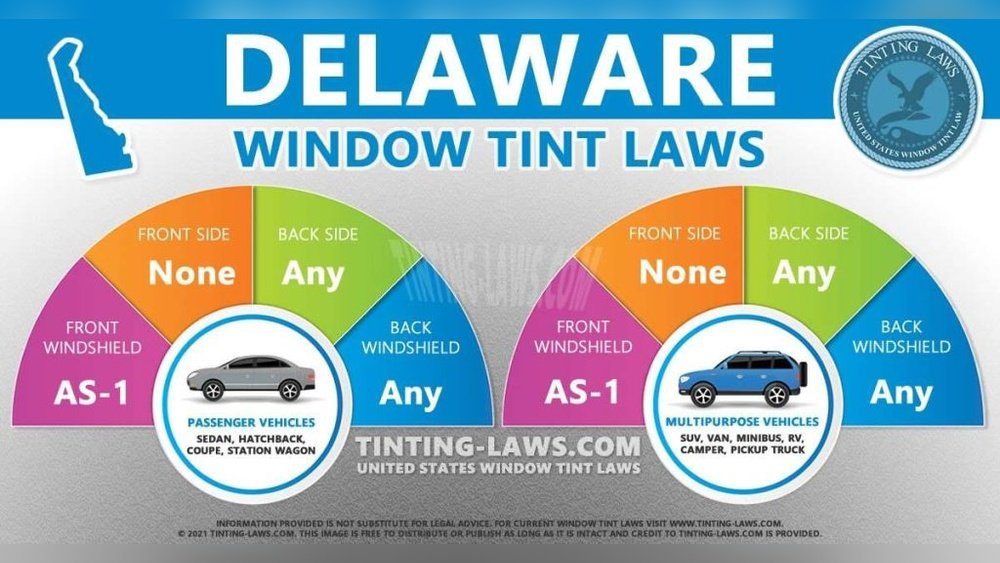
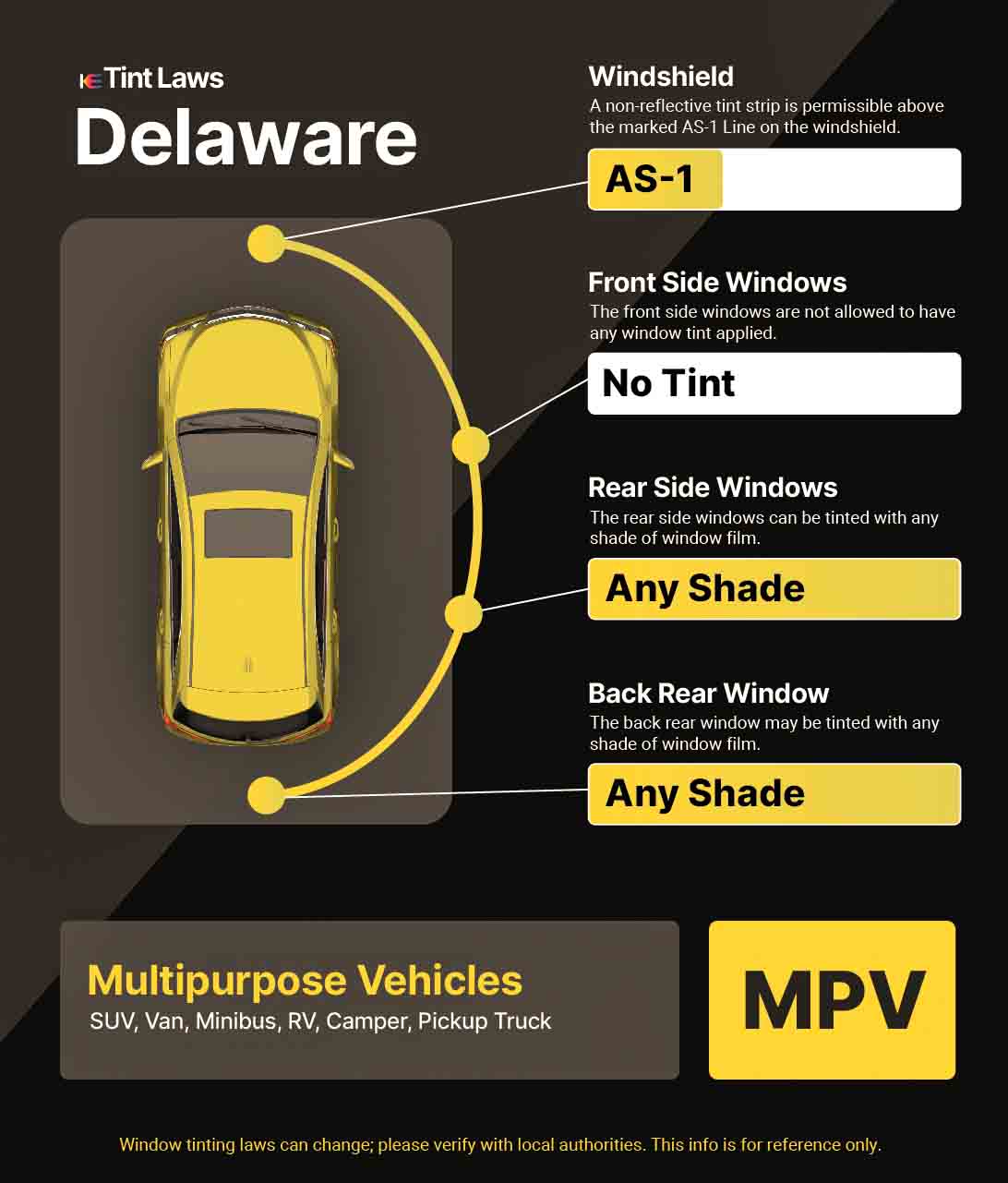
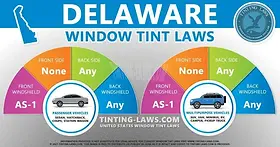
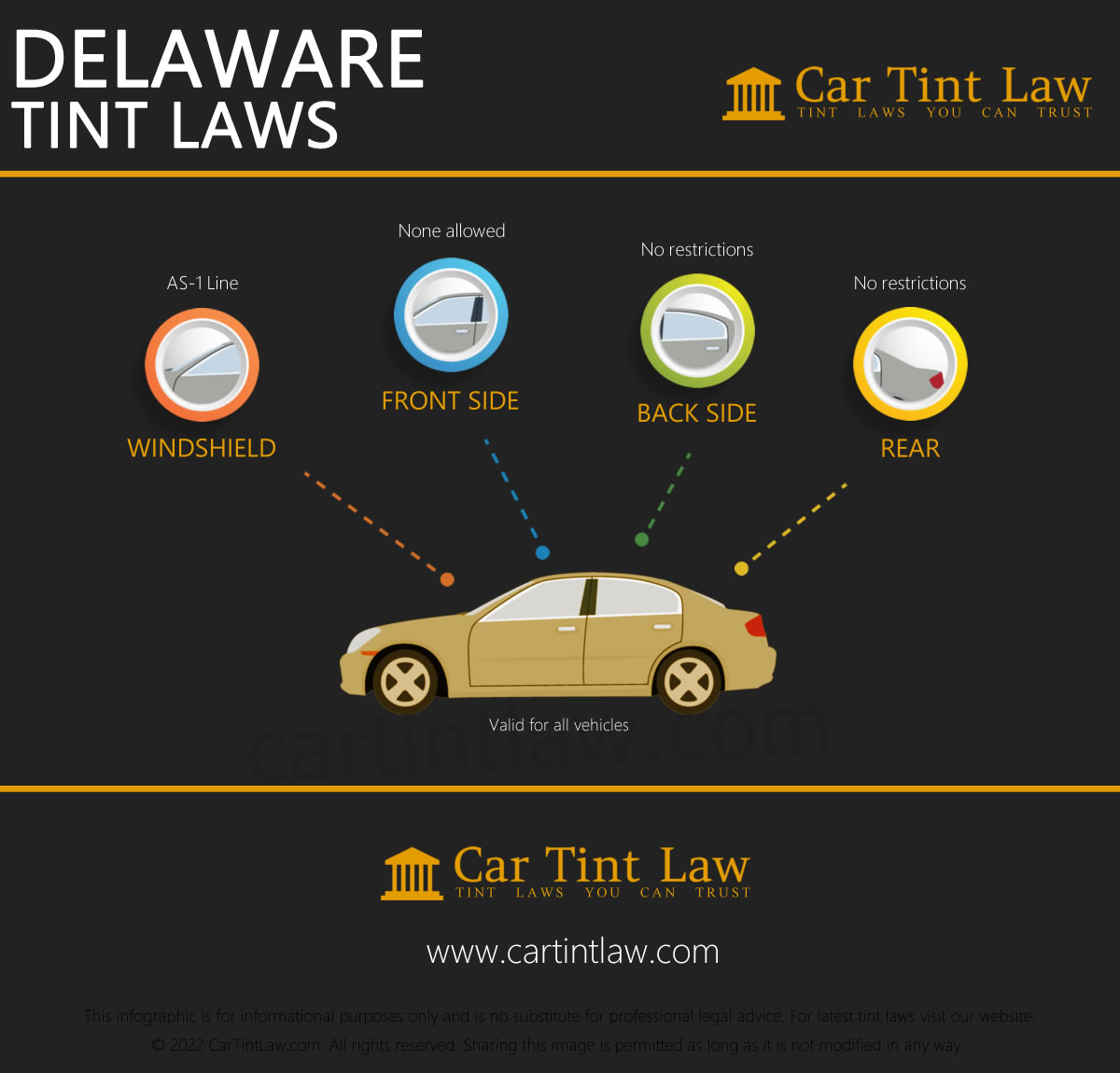
Delaware allows only light tint on front side windows. The tint must let at least 70% of light pass through. This means darker tints are not legal on the driver and front passenger windows. The rule ensures clear visibility for the driver and law enforcement.
Rear Windows And Back Windshield
Rear side windows and the back windshield can have darker tint in Delaware. There is no strict light transmission percentage required for these windows. This allows more privacy and protection from sun glare for passengers in the back. The tint used must not be reflective or mirror-like.
Windshield Tint Restrictions
Tinting on the front windshield is very limited in Delaware. Only the top few inches of the windshield, above the ASI (American Standards Institute) marking, may have tint. The tint here must be non-reflective and light enough not to block the driver’s view. Tint below this line is illegal.
Types Of Allowed Tint
Delaware has specific rules about the types of window tint allowed on vehicles. Understanding these rules helps drivers avoid fines and keep their windows legal. The state allows certain kinds of tint, mainly focusing on nonreflective materials and distinctions between factory-installed and aftermarket products. Knowing these details ensures your vehicle meets Delaware’s tint standards.
Nonreflective Tint Requirements
Delaware permits only nonreflective window tint. This means the tint should not create a mirror-like effect. The law limits how much light the tint can block. For front side windows, the tint must allow at least 70% of light to pass through. The windshield can only have tint on the top few inches, usually the AS-1 line or above. Rear windows may have darker tint, but it still must be nonreflective. This rule prevents glare that can distract other drivers.
Stock Vs Aftermarket Tint
Stock tint refers to the factory-installed tint on new vehicles. Delaware allows stock tint on front side windows even if it is darker than aftermarket limits. Aftermarket tint means any tint added after purchase. The state forbids aftermarket tint on the front side windows if it reduces light below 70%. Rear windows and the back windshield can have aftermarket tint without strict light transmission limits. Understanding this difference helps avoid illegal tinting and fines in Delaware.
Restrictions For Commercial Vehicles
Delaware enforces specific window tint restrictions for commercial vehicles. These rules ensure safety and visibility for all road users. Commercial vehicles must follow stricter guidelines than private vehicles. Understanding these rules helps avoid fines and legal trouble.
Commercial Plate Tint Rules
Commercial vehicles with a “C” plate have clear tint limits. No dark tint is allowed on front side windows. Delaware permits only minimal tint on windshields above the ASI marking. Rear windows and back windshields may have tint but must not reduce visibility.
These rules apply to trucks, vans, and other commercial vehicles. The goal is to keep driver visibility high. It helps law enforcement see inside commercial vehicles clearly.
Prohibited Tint On Commercial Vehicles
Delaware bans any reflective or mirrored tint on commercial vehicle windows. Dark tints on front doors and windshield below the top few inches are illegal. No aftermarket tint is allowed on front windows for commercial vehicles.
These restrictions prevent glare and improve road safety. Commercial drivers must ensure compliance before operating on Delaware roads. Violations can lead to fines and mandatory tint removal.
Inspection And Compliance
Understanding inspection and compliance rules helps Delaware drivers keep their vehicles legal. Window tint laws set clear limits on how dark and reflective your car’s windows can be. Regular vehicle inspections check these limits to ensure safety and lawfulness.
Following these rules avoids fines and vehicle inspection failures. Delaware’s regulations aim to balance driver privacy with road safety. Knowing what inspectors look for makes passing inspections easier.
Passing Vehicle Inspections
Delaware requires vehicles to meet specific window tint standards during inspections. The front side windows must allow at least 70% of light to pass through. Only a small strip at the top of the windshield may be tinted.
Rear windows have fewer restrictions, but tint must not be reflective. Inspectors use light meters to measure tint darkness. Clear visibility through the windows is essential for passing.
Keep documentation of factory tint if applicable. This helps prove compliance during inspections. Removing illegal tint before inspection avoids penalties and delays.
Common Inspection Challenges
Many drivers fail inspections due to overly dark tint on front windows. Using tint films that do not meet Delaware’s limits is a frequent issue. Reflective or mirrored tints on front windows also cause failures.
Another challenge is tint applied below the allowed area on the windshield. Inspectors may reject vehicles with uneven or bubbling tint films. Poor installation can affect light transmission and visibility.
Commercial vehicles face stricter rules and often cannot have tint at all. Understanding these limits helps prevent surprises at inspection. Correcting tint issues before inspection saves time and money.
Penalties For Violations
Delaware has strict rules about window tinting. Breaking these rules leads to penalties. These penalties help keep roads safe. Drivers must know what happens if they break tint laws.
Fines And Legal Consequences
Violating Delaware’s window tint laws leads to fines. The state charges a monetary penalty for illegal tint levels. Fines can range from small amounts to higher fees for repeat offenses. Police may also order removal of illegal tint. Ignoring these orders can cause more trouble. In some cases, drivers may face court hearings. This can result in additional penalties or fines.
Enforcement Practices
Law enforcement officers regularly check vehicle window tints. They use special tools to measure tint darkness. Police pull over vehicles with suspicious tint levels. Officers issue citations if tint does not meet legal standards. Some areas have stricter enforcement than others. Repeat offenders attract more attention from authorities. Police may also inspect commercial vehicles more closely. Staying within the legal tint limits avoids these problems.
Special Considerations
Delaware has specific rules for window tinting that drivers must follow. These rules include special cases that allow exceptions. Understanding these exceptions helps avoid fines and legal trouble. The state recognizes certain needs that require flexibility in tint laws.
Medical Exemptions
Delaware allows medical exemptions for window tinting. Drivers with certain health conditions can apply for special permits. These permits let them use darker tints than normally allowed. Conditions like lupus or skin allergies often qualify for this exemption. A doctor’s note and approval from the DMV are required. This helps protect individuals who need extra sun protection.
Temporary Permits And Waivers
Temporary permits allow short-term use of window tints beyond normal limits. They are useful for special circumstances like medical treatments or privacy needs. These permits must be requested and approved by the Delaware DMV. Drivers must carry the permit while driving with the tint. Waivers can also be granted for other unique situations. These options provide legal flexibility while keeping safety in mind.
Tips For Choosing Tint
Choosing the right window tint in Delaware requires attention to both style and legal limits. Proper selection ensures comfort, privacy, and compliance with the law. Follow these tips to pick the best tint for your vehicle.
Selecting Legal Tint Shades
Delaware law sets clear limits on window tint darkness. The front side windows must allow at least 70% of light inside. Rear windows and back windshields have fewer restrictions and can be darker. Avoid tints that reflect light or block too much visibility. Check the label to confirm the tint’s visible light transmission (VLT) percentage. Stay within legal limits to prevent fines and safety issues.
Professional Installation Advice
Professional installation ensures the tint fits perfectly and lasts longer. Experts remove bubbles and creases that hurt appearance and durability. They also apply tint in line with state rules, avoiding illegal coverage areas. DIY tinting often leads to mistakes and legal trouble. Choose a licensed installer familiar with Delaware’s window tint laws. This guarantees a smooth, clean finish that meets all regulations.
Credit: www.shoretintandmore.com
Recent And Upcoming Changes
Delaware has updated its window tint laws to improve road safety and clarity. Recent and upcoming changes aim to balance driver comfort with law enforcement needs.
These updates affect allowed tint darkness and which windows can be tinted. Knowing the new rules helps avoid fines and keeps drivers compliant.
2025 Law Updates
In 2025, Delaware will enforce stricter limits on front side window tint. The allowed visible light transmission (VLT) will increase to 70%. This means less dark tint is permitted on these windows.
Rear windows and back windshields can still have darker tints. Windshield tinting remains restricted to the top few inches only. Reflective or mirrored tint is banned on all windows.
Impact On Delaware Drivers
Drivers must check their vehicle tint to meet the new standards. Darker tints on front windows will need removal or replacement. This change improves officer visibility inside the vehicle.
Non-compliance may lead to tickets or vehicle inspection failures. Delaware drivers should update their knowledge of tint laws regularly. Proper tinting helps avoid legal issues and enhances road safety.
Credit: www.cartintlaw.com
Frequently Asked Questions
What Is The Darkest Legal Tint In Delaware?
The darkest legal tint in Delaware allows 70% visible light transmission on front side windows. Rear windows can have darker tints. Windshields may only have tint on the top few inches. Front windshield tinting below the ASI marking is prohibited.
Is 20% Or 35% Tint Darker?
A 20% tint is darker than a 35% tint. Lower percentage means less light passes through, resulting in a darker shade.
What Does 35% Legal Tint Look Like?
A 35% legal tint lets in 35% of light, appearing moderately dark with visible transparency. It reduces glare and heat while allowing clear visibility.
How Does 70 Percent Tint Look Like?
A 70 percent tint lets in 70% of light, appearing very light and almost clear. It reduces glare slightly while maintaining clear visibility. This tint is legal on front side windows in Delaware.
Conclusion
Understanding Delaware’s window tint laws helps you stay safe and legal. Keep front windshield tint minimal and avoid tinting front side windows. Rear windows allow darker tints, but always check specific limits. Following these rules prevents fines and ensures clear visibility.
Stay informed to protect yourself and others on the road. Remember, simple compliance makes driving stress-free and secure in Delaware.