Have you ever been stuck wondering whether your car trouble comes from a bad battery or a failing alternator? Knowing the difference can save you time, money, and stress.
Your car’s battery and alternator work closely together, but when one fails, the symptoms can seem confusing. Are you hearing clicking sounds when you try to start? Do your lights flicker or dim while driving? These clues can help you pinpoint the problem.
You’ll learn simple signs to watch for and an easy test you can do yourself to figure out if it’s your battery or alternator causing trouble. Keep reading to avoid costly mistakes and get your car back on the road faster.
Credit: www.aaa.com
Battery Failure Signs
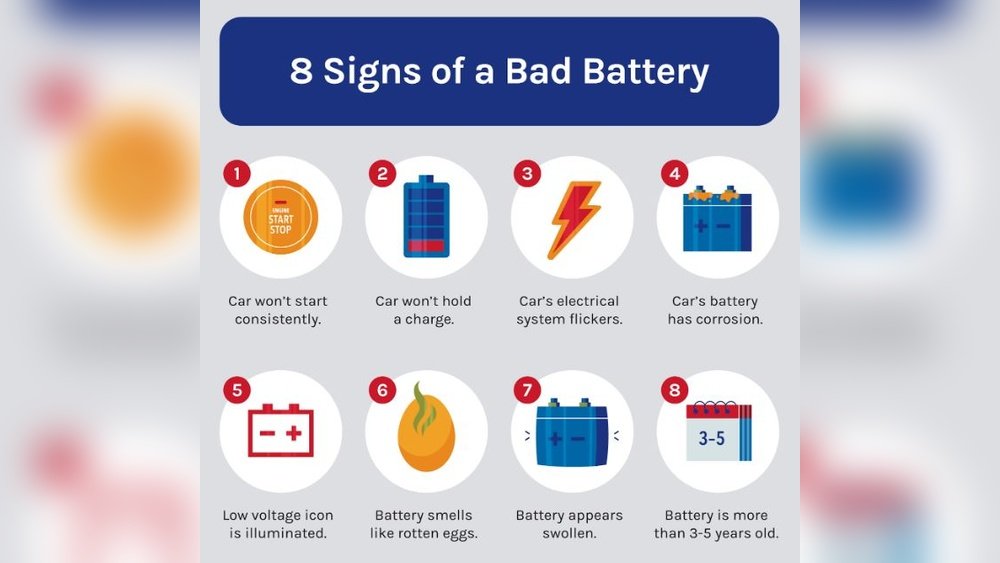
Recognizing battery failure signs helps prevent unexpected car troubles. A bad battery shows clear clues before the engine even starts. These signs warn you about power issues affecting your vehicle’s performance. Knowing them saves time and money on repairs.
Slow Or No Engine Crank
The engine turns over slowly or does not turn at all. This happens because the battery lacks enough power to start the engine. A slow crank means the battery is weak or dying. No crank usually means the battery is dead or disconnected.
Clicking Start Sound
You hear rapid clicking noises when trying to start the car. This sound comes from the starter motor struggling to get power. Clicking often means the battery voltage is too low. It could also indicate loose battery cables or corrosion.
Dim Or Fading Interior Lights
Interior lights appear weak, dim, or fade quickly after turning on. This happens because the battery cannot supply steady electrical power. Dim lights often show the battery is losing charge. It can also signal poor battery connections or terminals.
Battery Warning Light Activation
The battery warning light on the dashboard lights up or stays on. This light means the car’s electrical system detects a battery or charging issue. It can indicate a battery that needs replacement or trouble with the alternator. Do not ignore this warning to avoid breakdowns.
Credit: ultrabrightlightz.com
Alternator Failure Signs
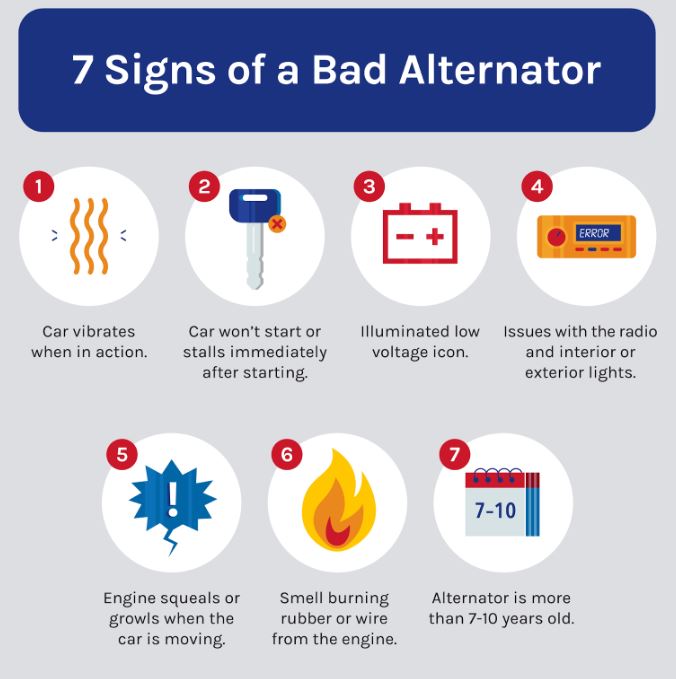
Recognizing alternator failure signs helps avoid car breakdowns. The alternator keeps the battery charged and powers electrical parts. When it fails, various warning signs appear. These signs affect your car’s performance and safety. Watch for these issues to know if the alternator needs repair or replacement.
Battery Or Check Engine Light On
The battery or check engine light often glows on the dashboard. This warning means the alternator is not charging the battery properly. The car computer detects low voltage and triggers these lights. Do not ignore these signals, as they point to electrical system problems.
Flickering Or Dimming Headlights
Headlights that flicker or dim while driving show alternator trouble. The alternator supplies power to these lights. If it fails, the lights may become weak or flicker with engine speed changes. This makes night driving unsafe and signals a failing alternator.
Engine Stalling Issues
The engine may stall or die unexpectedly due to alternator failure. The alternator powers the ignition and fuel systems. Without enough electrical power, the engine cannot run smoothly. This stalling can happen soon after starting or while driving, indicating alternator problems.
Malfunctioning Electrical Accessories
Electrical parts like power windows, radio, or dashboard controls may stop working well. The alternator powers all these accessories. If it fails, they may work slowly, erratically, or not at all. This can disrupt comfort and convenience during your drive.
Burning Smell Or Unusual Noises
A burning smell or strange noises may come from the alternator area. These signs suggest a worn belt, overheating, or internal damage. Ignoring these symptoms can lead to a complete alternator breakdown. Early detection can save costly repairs later.
Jump Start Quick Test
The jump start quick test helps identify whether a car battery or alternator is faulty. It is a simple, hands-on way to check the electrical system. The test uses jumper cables and another vehicle with a good battery. This method saves time and avoids unnecessary repairs.
Starting With Jumper Cables
First, connect the jumper cables to the dead battery and the good battery. Attach the red cable to the positive terminals. Attach the black cable to the negative terminal of the good battery and a metal ground on the dead car. Start the car with the good battery. Try to start the dead car after a few minutes.
Observing Engine After Cable Removal
Once the dead car starts, carefully remove the jumper cables in reverse order. Watch the engine closely. If the engine runs smoothly and stays on, the alternator likely works. If the engine dies immediately, the alternator may be bad. This shows the car cannot generate enough power alone.
Determining Battery Or Alternator Fault
If the car starts with a jump but dies soon after, the alternator is probably the problem. If the car struggles to start or does not start at all, the battery is likely bad. Look for dim lights or warning lights on the dashboard. These signs also help confirm the faulty part.

Credit: ultrabrightlightz.com
Additional Diagnostic Tips
Diagnosing car battery and alternator problems can be tricky. Both parts affect your vehicle’s power. Knowing extra diagnostic tips helps find the real issue fast. This section gives clear clues for better troubleshooting.
When Problems Occur: Starting Vs Driving
Battery issues usually show up before starting the engine. The car may crank slowly or not at all. Clicking sounds often happen when the battery is weak.
Alternator problems appear mainly while driving. The engine may stall or the car dies soon after a jump start. Watch for flickering headlights or dim dashboard lights during use.
Impact On Vehicle Electrical Systems
A bad battery causes weak or no power to electrical parts. Interior lights may dim or go out quickly. Electronics like radios or power windows might fail to work properly.
A failing alternator affects the entire electrical system while the car runs. Lights flicker or change brightness. Accessories may act strangely or stop working suddenly.
Common Misdiagnoses To Avoid
Do not confuse a bad battery with alternator failure just by the battery light. This light can mean either part has issues. Avoid assuming a slow crank always means the battery is dead.
Jump starting the car may hide alternator problems temporarily. The engine starting after a jump does not guarantee a good battery. Test both parts carefully to avoid costly mistakes.
Professional Testing Options
Professional testing options help identify if the issue lies with the car battery or alternator. Accurate testing avoids unnecessary part replacements and saves money. Various tools and services exist for precise diagnostics. These options range from free tests at local stores to advanced handheld devices. Knowing when to seek expert help ensures safe and correct repairs. Below are common professional testing methods for car batteries and alternators.
Free Battery And Alternator Tests
Many auto parts stores offer free battery and alternator testing. These tests take only a few minutes. A technician connects your car battery to a testing device. The device checks battery charge and overall health. Alternator tests measure output voltage while the engine runs. Free tests give quick insights into your car’s electrical system. They help decide if a battery or alternator replacement is necessary.
Using Handheld Diagnostic Tools
Handheld diagnostic tools provide detailed information about battery and alternator status. These portable devices measure voltage, current, and resistance. Some tools also read error codes from the car’s computer system. Mechanics and DIYers use these tools for accurate results. They detect subtle problems that free tests might miss. Using these tools requires basic knowledge of car electronics. They deliver fast, reliable data to pinpoint the problem.
When To Visit A Mechanic
Visit a mechanic if tests are inconclusive or complex issues arise. Professionals have advanced diagnostic equipment and expertise. They can inspect the battery, alternator, wiring, and other components. A mechanic identifies hidden faults and performs safe repairs. Complex electrical problems or repeated failures need expert attention. Trust a mechanic to ensure your car’s electrical system works properly and reliably.
Frequently Asked Questions
How To Know If An Alternator Or Battery Is Bad?
A bad battery causes slow or no engine crank and dim lights before starting. A bad alternator lets the car start but stalls soon after, with flickering lights or battery warning during driving. Jump start the car; if it dies when cables disconnect, the alternator is bad.
Can Autozone Tell Me If It’s My Battery Or Alternator?
AutoZone tests your battery and alternator to identify the problem. They use diagnostic tools to provide accurate results quickly.
How To Identify A Bad Car Battery Vs Alternator?
A bad battery causes slow or no crank when starting. A bad alternator lets the car start but stalls soon after. Flickering lights and battery warning lights indicate alternator issues. Battery problems appear before starting, alternator problems appear while driving.
What Are Common Signs Of A Bad Car Battery?
Slow or no engine crank, rapid clicking sounds, and dim interior lights often signal a bad battery. Sometimes, the battery warning light may come on. These symptoms mean the battery is low on charge or failing.
Conclusion
Understanding the difference between a bad car battery and a bad alternator helps avoid costly repairs. A battery problem usually shows before starting the car, with slow or no crank. Alternator issues appear while driving, causing flickering lights or stalling.
Simple tests like jump-starting can help identify the faulty part quickly. Knowing these signs keeps your car running smoothly and saves time. Stay alert to symptoms and get your vehicle checked promptly for safe driving.