
You’ve probably faced this dilemma: you want to buy a leather jacket, bag, or sofa, but how can you be sure it’s real leather and not a convincing fake? The difference matters—not just for quality and durability but also for style and value.
Real leather has a unique feel, smell, and look that fake leather tries to imitate but can’t fully replicate. In this guide, you’ll learn simple, practical ways to spot real leather from fake at a glance and by touch. By the end, you’ll shop smarter and never be fooled by imitation leather again.
Ready to become a leather expert? Let’s dive in.
Credit: curriersleather.com
Look And Feel
The look and feel of leather reveal much about its authenticity. Real leather shows natural imperfections and textures. Fake leather looks too perfect and uniform. By touching and examining the leather closely, you can spot key differences. These simple tests help you avoid fake materials and choose genuine leather.
Texture And Grain
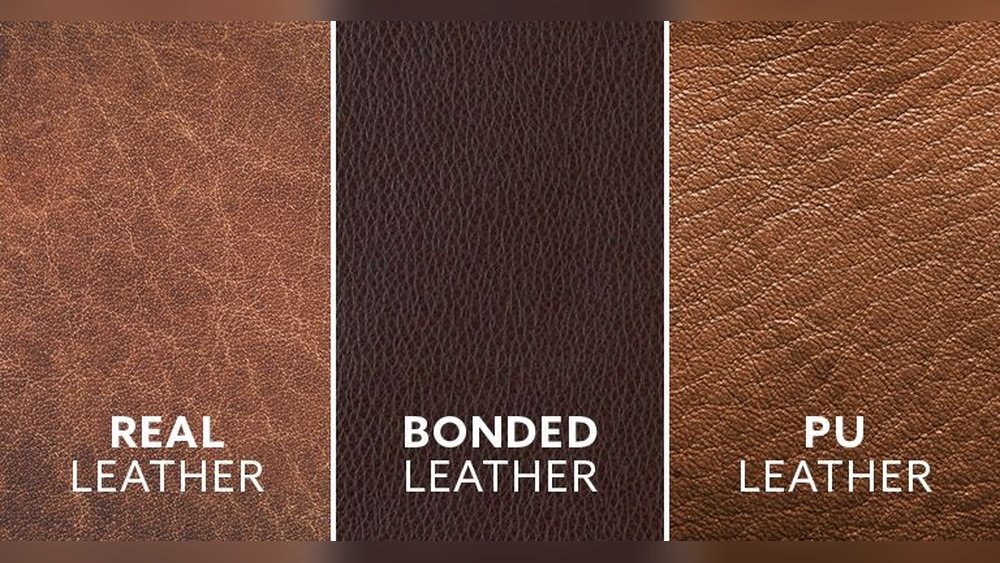
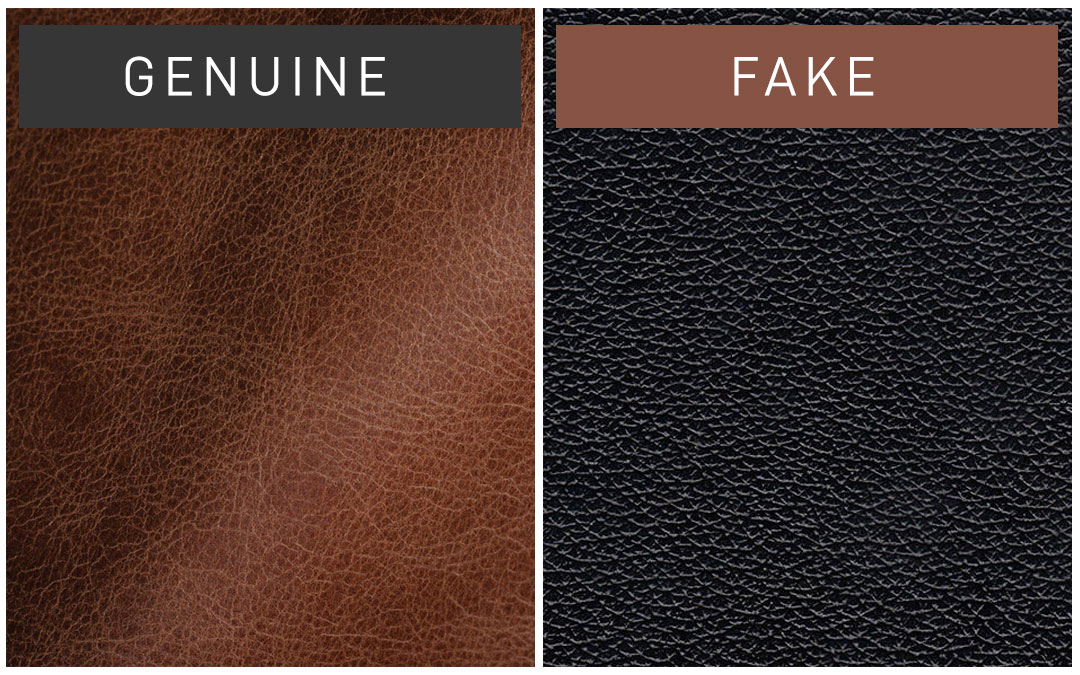
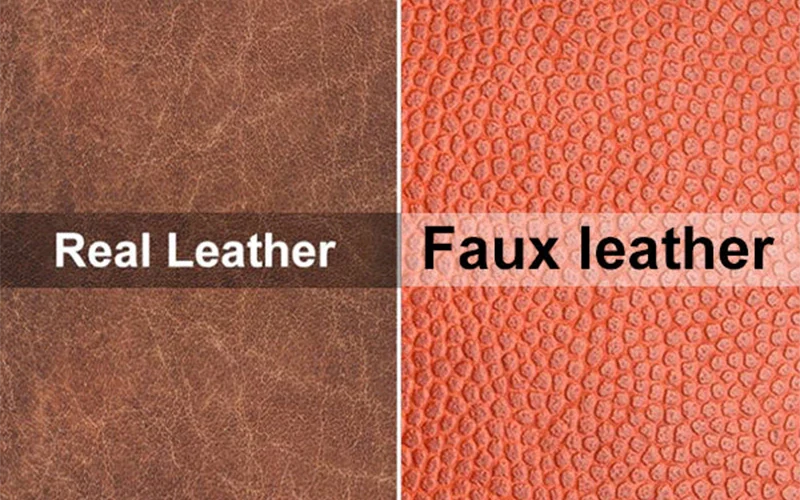
Real leather has uneven pores and slight marks. Its grain varies naturally across the surface. Fake leather often shows a repeating pattern. This pattern looks machine-made and too consistent. Run your hand over the surface to feel the difference. Real leather feels rich and complex, while fake feels flat and plastic-like.
Edges And Backside
Check the edges of the leather piece. Real leather edges are rough and fibrous. They look like natural animal skin cuts. Fake leather edges are smooth and perfect. Look under the leather too. Real leather has a suede-like, soft backside. Fake leather usually has a fabric or plastic backing that feels different.
Temperature Sensation
Touch the leather to sense its temperature. Real leather feels warm to the touch. It quickly warms from your hand’s heat. Fake leather feels cold and stays cool longer. This coldness comes from synthetic materials. Temperature difference is a simple test you can try anywhere.
Pinch And Wrinkle Test
Pinch the leather gently with your fingers. Real leather wrinkles and stretches like skin. The wrinkles look natural and soft. Fake leather stays stiff or creases sharply. It does not stretch well at all. This pinch test reveals how flexible and genuine the leather is.

Credit: isitleather.com
Smell And Absorption
Fake leather often tries to mimic the look of real leather. Yet, it shows clear signs that give it away. These signs help spot fake leather easily. Knowing these traits saves time and money. It also helps avoid low-quality purchases. Below are the common traits found in fake leather.
Uniform Appearance
Fake leather usually has a perfectly even look. Its surface often shows repeated patterns. The texture lacks the natural irregularities of real leather. Real leather has unique pores and small marks. Fake leather’s smoothness can feel unnatural. This uniformity is a strong clue it is fake.
Chemical Smell
Fake leather often smells like plastic or chemicals. This scent comes from artificial materials used in making it. Real leather has a warm, earthy smell. The chemical odor is sharp and easy to notice. Smell tests can quickly hint if leather is fake or real.
Plastic Feel
Fake leather tends to feel cold and stiff to touch. It may have a shiny, plastic-like surface. Real leather feels soft, warm, and flexible. Fake leather does not bend or stretch naturally. This plastic sensation is a key giveaway of fake leather.
Visual Clues
Quick testing tips help you spot real leather fast. These simple methods use touch and water to check the material. They are easy to try at home. No special tools needed. Just use your hands and a little water. These tests reveal key differences between real and fake leather. They are perfect for quick shopping checks or verifying your items.
Pinch Test Demo
Pinch the leather between your fingers. Real leather wrinkles naturally and feels soft. It stretches slightly, like human skin. Fake leather stays stiff or creases sharply. It does not stretch well. This test shows the material’s flexibility and texture. Real leather’s natural fibers allow easy bending. Fake leather often uses plastic layers that resist folding. Pinch test is quick and reliable for a first check.
Water Drop Demo
Place a small drop of water on the leather surface. Real leather absorbs water slowly. The drop darkens the leather as it soaks in. Fake leather repels water and the drop stays on top. It may bead up or slide off. This test reveals leather’s porous nature. Real leather’s pores take in moisture. Fake leather’s plastic coating blocks water. Water drop demo is a simple way to test leather authenticity.
Credit: www.rustictown.com
Frequently Asked Questions
How To Check If Leather Is Real Or Fake?
Check real leather by its natural imperfections, earthy smell, and flexible wrinkles. Fake leather looks uniform, smells chemical, feels cold, and creases stiffly. Real leather absorbs water and has a suede-like underside; fake repels water and often shows fabric backing.
What Does Fake Leather Look Like?
Fake leather looks too perfect with uniform grain and repetitive patterns. It feels cold, plastic-like, and creases stiffly. The surface lacks natural imperfections and has smooth, even edges. Its backside usually shows fabric or plastic, unlike real leather’s suede-like texture.
It often smells chemical or plasticky.
How Can I Tell If Something Is Synthetic Or Genuine Leather?
Check texture for natural pores and imperfections; real leather smells earthy, feels warm, and wrinkles when pinched. Fake leather is uniform, smells chemical, feels cold, and creases stiffly. Real leather absorbs water and has a suede-like back; fake leather repels water and has a fabric or plastic backing.
How To Test For Faux Leather?
Test faux leather by checking uniform texture, chemical smell, cold touch, stiff creases, fabric backing, and water beading on the surface.
Conclusion
Knowing how to spot real leather helps you make smart choices. Check texture, smell, edges, and how it feels. Real leather shows natural marks and wrinkles. Fake leather looks too perfect and feels cold or plastic-like. Use simple tests like the pinch and water drop tests.
These tips save money and avoid disappointment. Trust your senses and take your time. Now, you can confidently tell real from fake leather.














