Your tires are the only part of your car touching the road. That means their safety and performance depend heavily on one key factor: tread depth.
But how do you know if your tire tread is still good or if it’s time for new tires? Checking tire tread depth is simple, quick, and something you can do yourself at home. You’ll learn easy and reliable ways to measure your tire tread, including the penny test, the quarter test, and using a tread depth gauge.
Understanding these methods will help you avoid accidents, improve your car’s handling, and even save money in the long run. Keep reading to make sure your tires are road-ready and your drives stay safe.
Simple Coin Tests
Simple coin tests offer an easy and quick way to check your tire tread depth. You only need a penny or a quarter to do this at home. These tests help you see if your tires still have enough grip for safe driving. They are perfect for regular tire maintenance without special tools.
Using The Penny Test
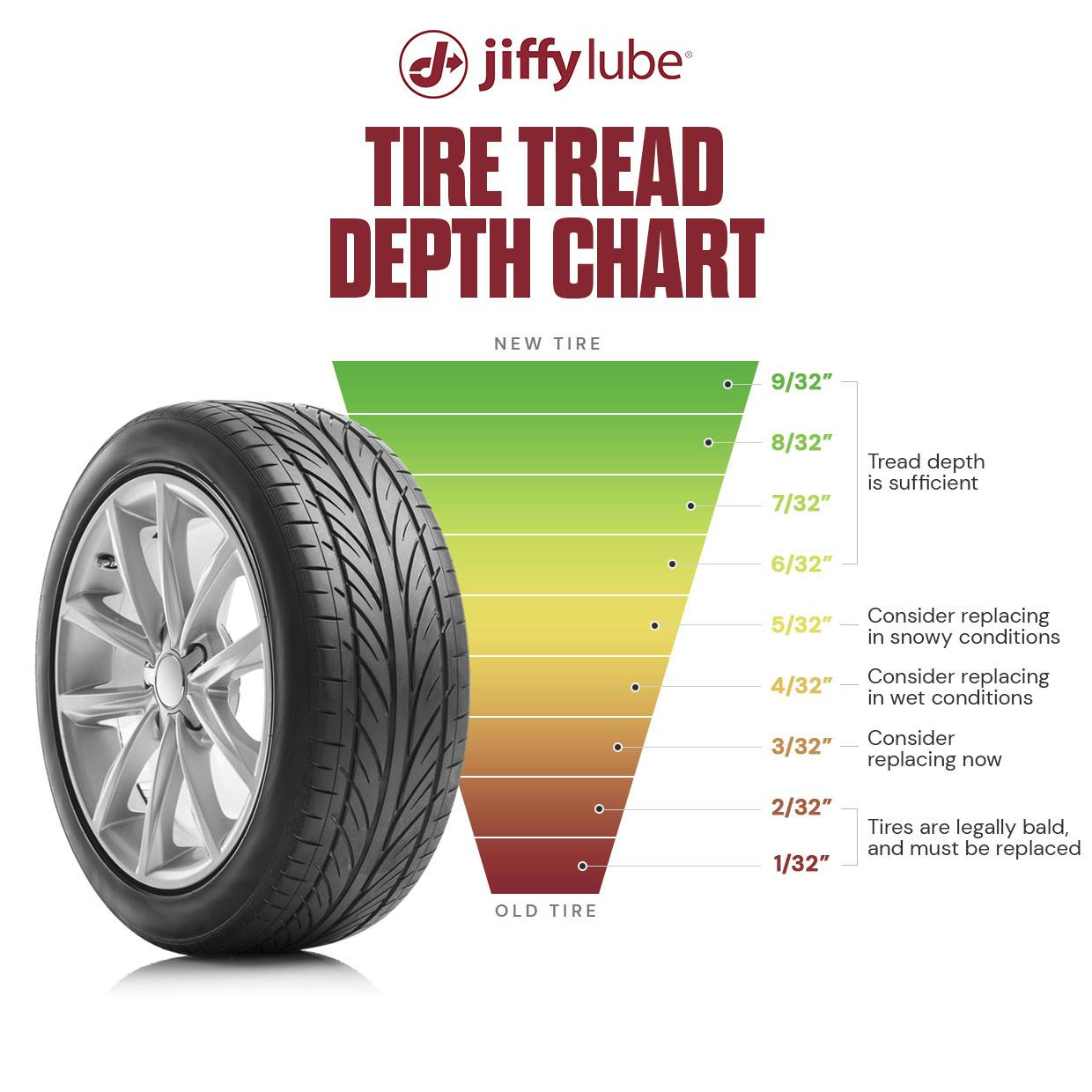
Take a penny and hold it with Lincoln’s head facing down. Insert the penny into the tire tread groove. If you see the top of Lincoln’s head, the tread is too shallow. This means the tire needs replacing. If part of the head is covered, the tread is still good. This test checks if your tread depth is below 2/32 of an inch.
Applying The Quarter Test
Grab a quarter and place it with Washington’s head pointing down. Put the quarter into the tread groove. If the top of Washington’s head is visible, the tread depth is less than 4/32 of an inch. This shows the tire is wearing out. If the head is partly hidden, the tread is in better condition. The quarter test gives a safer margin than the penny test.
Other Checking Methods
Besides the penny and quarter tests, other methods help check tire tread depth. These methods give a clear view of tire wear. They ensure your tires are safe and road-ready. Two common ways are tread wear indicators and tread depth gauges.
Tread Wear Indicators
Tread wear indicators are small bars inside the tire grooves. They show the minimum safe tread depth. When the tread wears down to these bars, it means the tire needs replacement. You can spot these indicators by looking closely at the tire. They are easy to find and use. No special tools are required to check them.
Tread Depth Gauge
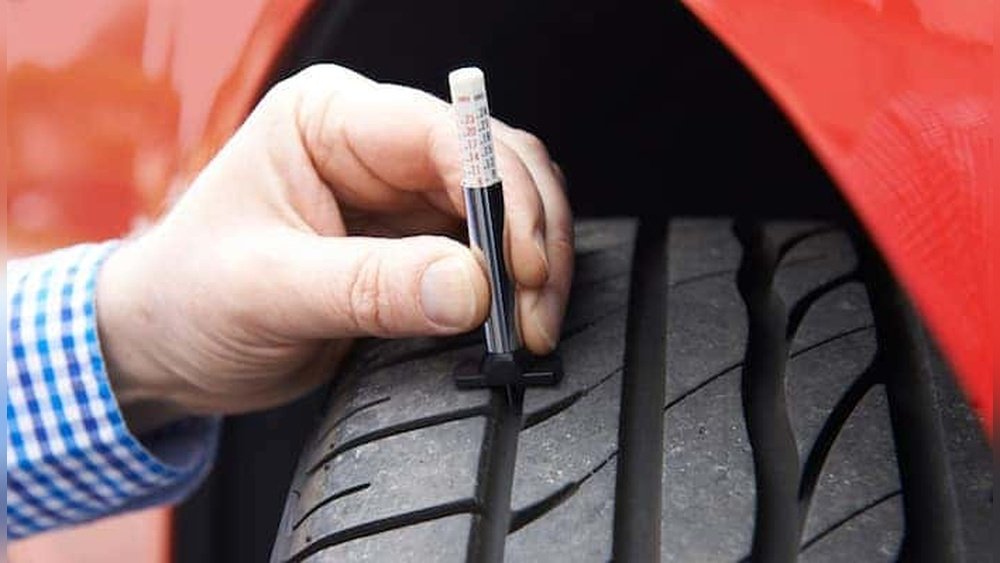
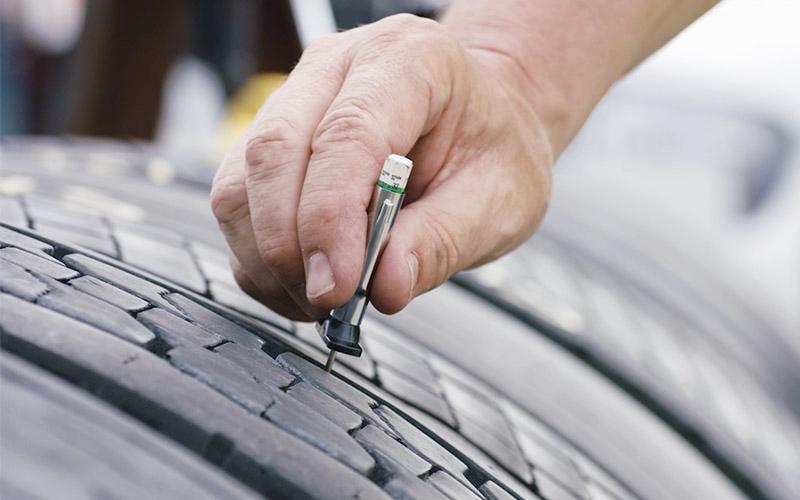
A tread depth gauge is a small tool for precise measurement. It gives the exact depth of the tire tread in millimeters or 32nds of an inch. To use it, insert the probe into the tire groove. Then, read the measurement from the scale. This method is more accurate than visual checks. It helps you track tire wear over time. Tread depth gauges are affordable and widely available.
Accuracy Of Coin Tests
Coin tests offer a simple way to estimate tire tread depth. They use common coins to measure how much tread remains. These tests are quick and require no special tools. Yet, their accuracy varies depending on the coin used. Understanding their strengths and weaknesses helps ensure safer driving.
Limitations Of The Penny Test
The penny test places Lincoln’s head inside the tire groove. If the top of his head is visible, tread is low. This test measures about 2/32 inch, the legal minimum tread depth. It only checks if tires are barely safe. It does not show if tread is in good condition. The penny test can miss small differences in wear. It also depends on how deep you insert the penny. This test is less accurate for newer tires with more tread.
Advantages Of The Quarter Test
The quarter test uses Washington’s head for measuring. It checks for a tread depth of about 4/32 inch. This is a safer level for wet roads and better grip. The quarter test catches worn tires sooner than the penny test. It helps drivers know when to replace tires earlier. This test is easy to do and more precise. It gives a better idea of tire health and safety. Using a quarter can prevent driving on unsafe tires.
Credit: www.jiffylube.com
Step-by-step Checking Guide
Checking your tire tread depth is crucial for safe driving. This step-by-step guide makes it simple. Follow these clear instructions to measure tread depth accurately. You will learn how to prepare your vehicle, perform the coin test, and use a tread depth gauge. Each method helps you know if your tires need replacement.
Preparing Your Vehicle
Park your vehicle on a flat, stable surface. Turn off the engine and engage the parking brake. Clean the tires to remove dirt and stones. This ensures clear visibility of the tread grooves. Check all four tires, as wear can differ between them.
Performing The Coin Test
Use a U.S. penny or quarter for a quick tread check. Insert the coin upside down into the tread groove. Look at how much of the coin’s head is visible. If the top of Lincoln’s head on a penny shows, tread depth is low. For a quarter, if Washington’s head is visible, your tread is shallow. This means it’s time to replace the tire.
Using A Tread Depth Gauge
Buy a tread depth gauge from any auto store. Place the gauge’s probe into the deepest groove of the tread. Press the base flat against the tire surface. Read the measurement on the scale. A depth below 2/32 inch means the tire is unsafe. Check multiple spots on the tire for an accurate reading.
Why Tread Depth Matters
Tire tread depth plays a vital role in vehicle safety and performance. It affects how your tires grip the road and handle different driving conditions. Shallow tread depth can lead to serious problems on wet, icy, or uneven surfaces. Understanding why tread depth matters helps keep your trips safe and smooth.
Impact On Safety
Good tread depth improves traction on wet or slippery roads. It helps prevent hydroplaning by channeling water away from the tire surface. Tires with worn tread struggle to grip the road, increasing the risk of accidents. Proper tread depth also aids in braking distance. Tires with shallow tread take longer to stop, especially in emergency situations.
Effects On Driving Performance
Tread depth affects how your car handles turns and curves. Tires with enough tread provide better stability and control. Worn tires can cause your vehicle to slide or skid more easily. Deep tread also helps reduce road noise and improve ride comfort. Keeping adequate tread depth ensures a safer, more comfortable driving experience.
Credit: schneiderjobs.com
When To Replace Tires
Knowing when to replace tires is crucial for safe driving. Tires wear down over time and lose their grip on the road. Worn tires increase the risk of accidents, especially in wet conditions. Regularly checking tread depth helps you decide when to replace your tires. Below are key points to help you understand tire replacement timing.
Legal Tread Depth Limits
Each state sets a minimum legal tread depth. In most places, the limit is 2/32 of an inch. Driving with tread below this depth is illegal and dangerous. Tires with worn tread struggle to grip wet or icy roads. Use a tread depth gauge or the penny test to check. Replace tires once they reach this limit to stay safe and legal.
Signs Of Tire Wear
Look for visible signs of wear on your tires. Cracks, cuts, or bulges in the sidewall show damage. Uneven tread wear means your tires may need balancing or alignment. Bald spots or smooth areas reduce traction. If your tires feel noisy or cause vibrations, they may be worn out. Replace tires showing these signs for better control and safety.
Maintaining Healthy Tires
Healthy tires improve safety and boost vehicle performance. Regular care helps tires last longer and avoid sudden issues. Checking tread depth is vital for good tire health. Maintaining tires is simple with small daily habits. These habits protect your car and save money on repairs.
Regular Inspections
Inspect tires every two weeks. Look for cuts, cracks, or bulges on the tire sidewalls. Check tread depth using a penny or tread gauge. Uneven wear may signal alignment or pressure problems. Remove stones or debris stuck in the tread. Clean tires to avoid damage from dirt and grime.
Proper Tire Care Tips
Keep tires inflated to the recommended pressure. Check pressure monthly, including the spare tire. Rotate tires every 5,000 to 7,000 miles for even wear. Balance and align wheels as needed to prevent vibrations. Avoid overloading the vehicle to reduce tire stress. Drive carefully to avoid potholes and curbs that damage tires.

Credit: wiygul.com
Frequently Asked Questions
What Is The Easiest Way To Check Tire Tread Depth?
The easiest way to check tire tread depth is the penny test. Insert a penny upside down into the tread groove. If Lincoln’s head is visible, the tread is too shallow and needs replacement. This quick method helps ensure safe driving by checking tread wear easily.
Is The Penny Test For Tires Accurate?
The penny test offers a quick, rough estimate of tire tread depth. It’s not highly accurate for precise safety assessment. For better results, use a quarter test or a tread depth gauge. Regular professional checks ensure tire safety and reliability.
How Do You Check The Tread Depth Of A Tire?
Insert a penny into the tire tread with Lincoln’s head upside down. If you see the top of his head, tread is too shallow. Use a tread depth gauge or the quarter test for more accuracy. Check regularly for safety.
What Is The 3% Tire Rule?
The 3% tire rule means replacing tires when tread depth reaches 3% of the original depth. It ensures safe driving and better traction.
Conclusion
Regularly checking tire tread keeps you safe on the road. Use simple tests like the penny or quarter method. These quick checks show when it’s time to replace tires. Good tread helps your car grip the road better. Don’t wait for signs of wear to appear.
Stay proactive and inspect tires often. Safe driving starts with healthy tires and proper care. Keep your vehicle running smoothly and avoid accidents. Tire tread depth matters for every trip you take.