If you want to keep your car looking fresh and protected for years, applying a ceramic or graphene coating is one of the best moves you can make. These coatings create a strong shield that repels dirt, water, and even minor scratches, making your car easier to clean and maintain.
But how do you apply them correctly to get the most out of their benefits? In this guide, you’ll learn simple, step-by-step instructions to apply a ceramic or graphene car coating yourself—no need to rely on expensive professionals. Stick with me, and by the end, you’ll have the confidence and know-how to give your car a lasting shine and protection that turns heads everywhere you go.

Credit: www.torquedetail.com
Preparing Your Car
Proper preparation is the key to a successful ceramic or graphene car coating. The coating bonds better to a clean, smooth surface. Dirt, oils, and imperfections can block the coating from adhering properly. Taking the right steps before application ensures a long-lasting finish and maximum protection for your car’s paint.
Washing And Decontaminating
Start with a thorough wash to remove loose dirt and grime. Use a car shampoo designed to lift contaminants without damaging the paint. Rinse well to avoid leaving any soap residue. After washing, use a dedicated decontamination product or iron remover. This step removes embedded particles that washing alone cannot clear.
Claying The Surface
Clay the paint to eliminate bonded contaminants and surface impurities. A clay bar glides over the paint, pulling out tiny particles stuck to the surface. Lubricate the area with a clay lubricant to prevent scratches. This step smooths the paint and prepares it for polishing.
Paint Correction And Polishing
Inspect the paint for scratches, swirl marks, or oxidation. Use a polishing compound to correct these imperfections. Polishing restores gloss and clarity, enhancing the final coating’s look. Work carefully in small sections and follow the polish instructions. This step creates a flawless base for the coating.
Final Cleaning And Drying
Clean the surface again with an isopropyl alcohol (IPA) solution. This removes oils and residues left by polishing. Use a clean microfiber towel to wipe down the paint thoroughly. Let the car dry completely in a dust-free environment before applying the coating. A spotless, dry surface is essential for the coating to bond well.
Choosing Between Ceramic And Graphene
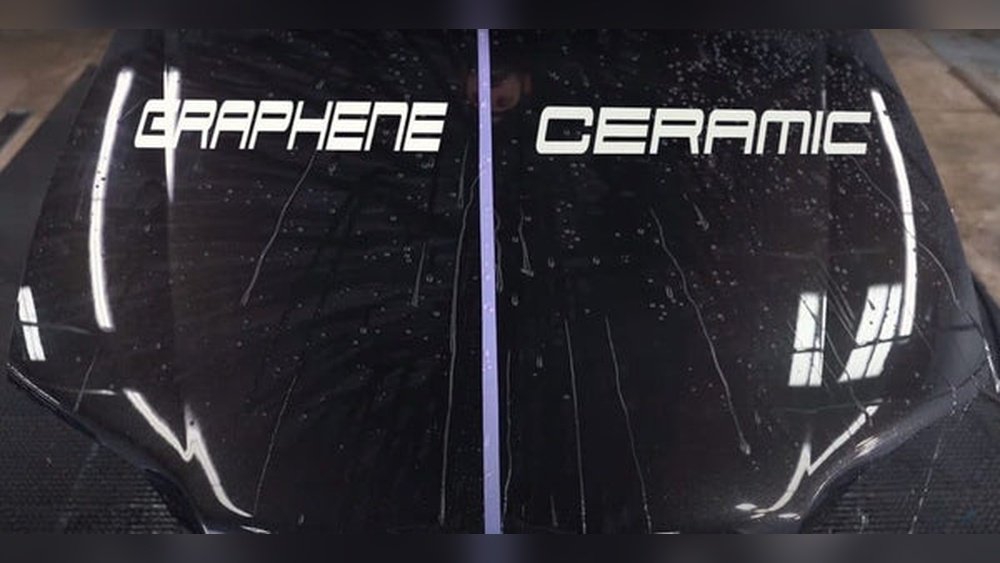
Choosing between ceramic and graphene coatings depends on your car care needs. Both offer strong protection, but they differ in key areas. Understanding these differences helps you decide which coating fits your vehicle best.
Differences In Composition
Ceramic coatings mainly use silicon dioxide (SiO2) for a hard, glass-like layer. Graphene coatings contain carbon-based particles arranged in a hexagonal lattice. This structure gives graphene unique properties such as better heat dissipation and flexibility. These differences affect how each coating performs on your car’s surface.
Durability And Protection Levels
Ceramic coatings protect against scratches, UV rays, and chemicals. Graphene coatings offer similar protection but often last longer. They resist water spotting and reduce static buildup better than ceramics. This means graphene can keep your car cleaner and safer for extended periods.
Cost Considerations
Ceramic coatings usually cost less than graphene options. The price gap is due to graphene’s advanced materials and newer technology. Consider your budget and how long you want the protection to last. Ceramic coatings provide good value, while graphene may justify its higher price with added benefits.
Surface Compatibility
Ceramic coatings work well on most car paints and clear coats. Graphene coatings also bond strongly but handle heat and chemical exposure better. Some graphene products suit matte and textured surfaces too. Check the product specifications to ensure the coating matches your vehicle’s finish.
Gathering Necessary Tools
Gathering the right tools is the first step to a smooth ceramic or graphene car coating application. Proper tools ensure a neat finish and protect your car’s surface. Preparation makes the process easier and safer. Below are the essential tools you need before starting.
Coating Product Selection
Choose a coating designed for your car’s needs. Ceramic coatings offer strong protection and shine. Graphene coatings add durability and reduce water spots. Pick a product with clear instructions. Check reviews for reliability and ease of use. Make sure the coating suits your climate and driving habits.
Applicator Pads And Towels
Use soft applicator pads to spread the coating evenly. Foam or suede pads work well for smooth application. Microfiber towels help remove excess coating and buff the surface. Keep several clean towels ready. Avoid any materials that can scratch your paint.
Gloves And Respirators
Wear nitrile gloves to protect your skin from chemicals. Coatings can irritate or stain hands. Use a respirator or mask to avoid inhaling fumes. Work in a well-ventilated area to reduce exposure. Safety gear is key for your health during application.
Lighting And Workspace Setup
Set up bright, even lighting to see all areas clearly. Natural light or LED lights work best. Clean your workspace to avoid dust settling on wet coating. Work in a shaded, dust-free area if possible. A good environment helps prevent mistakes and ensures a flawless finish.

Credit: www.feynlab.com
Applying The Coating
Applying a ceramic or graphene car coating requires careful steps to ensure maximum protection and shine. The process demands patience and precision. Proper application helps the coating bond well with your car’s paint. This section breaks down the key steps for applying the coating correctly.
Shaking And Preparing The Coating
Start by shaking the coating bottle well. This mixes all ingredients evenly. Proper mixing improves the coating’s effectiveness. Use a clean applicator pad for the next step. Avoid touching the coating with bare hands. Prepare a clean, dry surface before applying the coating.
Section-by-section Application
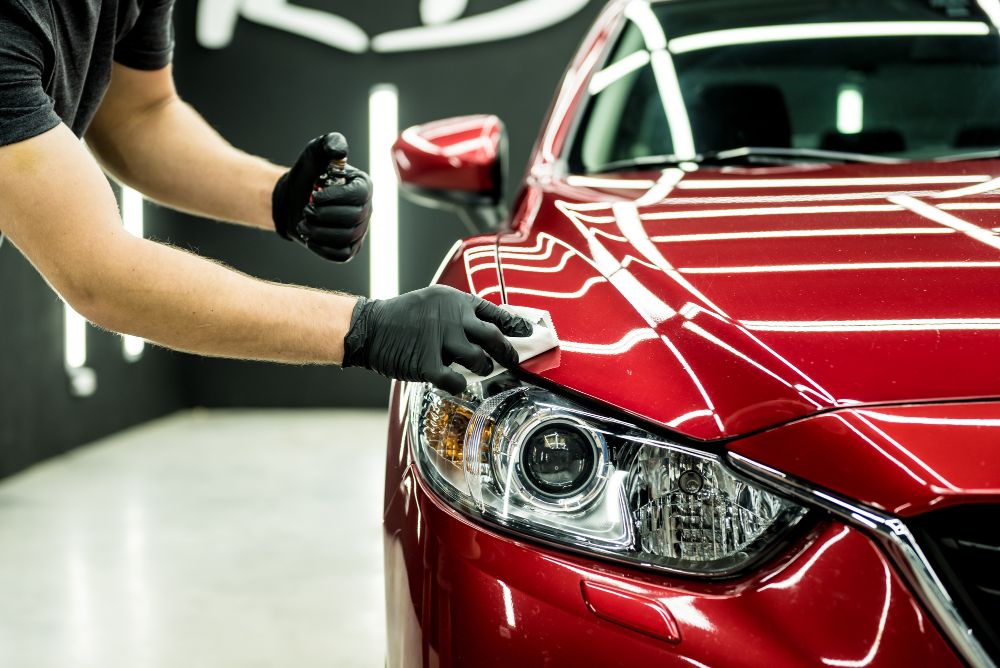
Work on small sections of the car at a time. This keeps the coating fresh and easy to spread. Apply the coating in a grid pattern for control. Cover each section fully before moving to the next. This method prevents missed spots and uneven layers.
Ensuring Even Coverage
Spread the coating evenly using light, circular motions. Avoid over-applying in one area. Thin, uniform layers dry better and last longer. Check your work under good light to spot streaks. Use a microfiber cloth to gently level out any excess coating.
Proper Layering Techniques
Allow the first layer to cure as per product instructions. Usually, this takes a few minutes. Apply additional layers only after the previous layer sets. Multiple thin layers build stronger protection than one thick layer. Follow recommended wait times to avoid smudging or streaking.
Curing And Maintenance
After applying a ceramic or graphene car coating, proper curing and maintenance are vital. These steps ensure the coating bonds well and protects your car for years. Neglecting this phase can reduce the coating’s effectiveness and durability.
Initial Curing Time
Allow the coating to cure without disturbance for the recommended time. This period usually lasts from 12 to 48 hours. During this time, avoid touching or washing the car. Keep the vehicle in a dry, dust-free area. Proper curing forms a strong, protective layer on the paint.
Avoiding Water And Contaminants
Water can interfere with the curing process. Do not expose the car to rain or moisture until curing completes. Dust, dirt, and pollutants can also weaken the coating. Park in a covered or garage space to keep the car clean. Protecting the surface during curing keeps the coating flawless.
Safe Washing Practices
Use gentle washing methods to preserve the coating. Avoid harsh chemicals and abrasive sponges or brushes. Choose pH-neutral car shampoos. Wash with soft microfiber cloths or mitts. Rinse thoroughly and dry with a clean towel. Regular washing removes contaminants without damaging the coating.
Long-term Care Tips
Maintain the coating by washing your car regularly. Apply a maintenance spray designed for ceramic or graphene coatings. This boosts the coating’s shine and durability. Avoid automatic car washes with brushes. Inspect the coating periodically for damage or wear. Proper care extends the coating’s life and keeps your car looking new.
Credit: www.thermalspray.com
Troubleshooting Common Issues
Troubleshooting is an important step when applying ceramic or graphene car coatings. Small mistakes can cause visible problems on your car’s surface. Fixing these issues quickly keeps the finish smooth and glossy. Understanding common problems helps you achieve a perfect coat that lasts long.
Read on to learn how to solve frequent coating issues and keep your car shining.
High Spots And Streaks
High spots appear as thick patches of coating on the surface. They happen if too much product is applied or not wiped evenly. Streaks are lines left by wiping motions. Use a clean microfiber cloth to gently buff high spots and streaks. Work in small sections and use light pressure. Avoid rubbing too hard to prevent removing the coating.
Dust And Contaminants
Dust or dirt can settle on the coating before it cures. This causes rough texture or tiny bumps. Apply coating in a clean, dust-free area. If dust appears, wait until the coating cures. Then, wash the car gently and check the surface. Use a clay bar or detailing spray to remove contaminants without harming the coating.
Uneven Gloss
Uneven gloss shows as dull or shiny patches on the surface. It happens when the coating is applied unevenly or wiped improperly. Ensure even product distribution and consistent wiping patterns. Buff the surface lightly with a clean cloth to blend gloss differences. Avoid applying thick layers that cause patchiness.
Removing And Reapplying Coating
Sometimes, you may need to remove and reapply the coating for best results. Use an isopropyl alcohol (IPA) solution to strip the old coating. Clean the surface thoroughly before reapplying. Follow the product instructions carefully for drying times and application steps. Proper surface prep ensures the new coating bonds well and looks flawless.
Benefits And Drawbacks
Applying a ceramic or graphene car coating offers many benefits but also has some drawbacks. Knowing these helps you decide if this protection suits your needs. Both coatings improve your car’s look and shield its paint. Yet, they differ in features, cost, and application limits.
Enhanced Gloss And Protection
Ceramic and graphene coatings create a shiny, glossy finish. This finish makes your car look newer for longer. They form a hard layer that protects the paint from scratches and minor damage. The coatings also resist UV rays, preventing color fade. This keeps your car’s surface vibrant and fresh.
Hydrophobic Properties
Both coatings make the car surface water-repellent. Water beads and rolls off easily, carrying dirt away. This effect reduces the need for frequent washing. It also helps prevent water spots and stains. The hydrophobic feature keeps the car cleaner and easier to maintain.
Cost Vs. Value
Ceramic coatings are generally less expensive than graphene options. Graphene coatings often cost more due to newer technology and added durability. Despite higher prices, both coatings offer long-term value. They save money by reducing the need for paint repairs and frequent waxing. Consider your budget and how long you plan to keep the car.
Limitations And Considerations
Applying these coatings requires a clean, smooth surface. Imperfections need correction before coating. Both coatings need proper curing time to bond well. They are not scratch-proof but add resistance to damage. Professional application can be costly and time-consuming. DIY kits are available but need careful attention to detail.
Professional Vs. Diy Application
Choosing between professional and DIY application of ceramic or graphene car coatings is crucial. Both methods have distinct advantages and challenges. Understanding these differences helps protect your car’s finish effectively.
Consider your skills, time, and budget before deciding. The right choice ensures a smooth, lasting coating that enhances your vehicle’s appearance.
Skill And Experience Requirements
Professional application demands advanced skills and experience. Experts know how to prepare the surface properly and apply the coating evenly. They avoid common mistakes that can ruin the finish.
DIY methods require careful reading of instructions and steady hands. Beginners may face challenges like streaks, uneven layers, or dust contamination. Practice and patience are essential.
Time Investment
Professionals complete the job quickly, usually within a few hours. They have the right tools and controlled environments to speed up the process.
DIY application takes longer. You must prepare the car, apply the coating carefully, and allow curing time. Rushing can lead to poor results and wasted product.
Cost Comparison
Professional services cost more upfront due to labor and expertise. This price includes surface preparation and warranty options.
DIY kits are cheaper but may require buying extra tools or products. Mistakes can lead to additional costs for repairs or reapplication.
When To Seek Professional Help
Choose professionals if you want guaranteed results and long-lasting protection. Complex surfaces or expensive cars benefit from expert care.
DIY suits those with time and willingness to learn. Small vehicles or older cars can be good starting points for home application.
Frequently Asked Questions
How To Apply A Graphene Ceramic Coating?
Wash and dry the car thoroughly. Shake the graphene coating bottle well. Apply a few drops to an applicator. Spread evenly on the surface in small sections. Allow it to cure as per instructions. Buff gently with a microfiber cloth for a smooth finish.
What Are The Disadvantages Of Graphene Coating For Cars?
Graphene coatings cost more than traditional wax or ceramic options. They require professional application for best results. Some users may find durability varies with environmental conditions. Maintenance can be more demanding compared to simpler protection methods. Limited long-term data exists on their performance and longevity.
Can You Do Graphene Coating Yourself?
Yes, you can apply graphene coating yourself using DIY kits. Clean and dry your car thoroughly before application. Follow product instructions carefully for best results.
Can I Go Through A Regular Car Wash With Ceramic Coating?
You can use regular car washes with ceramic coating, but avoid brushes as they may damage the coating. Hand washing is best.
Conclusion
Applying ceramic or graphene car coating protects your vehicle well. It creates a strong shield against dirt and scratches. The process takes time but is worth the effort. Regular care keeps the coating effective and your car shiny. Follow the steps carefully to avoid mistakes.
With patience, your car will look clean and new longer. Try this method to maintain your car’s finish easily. Your ride deserves this simple, lasting protection.