
Have you ever wondered why your car’s battery doesn’t run out after hours of driving? The secret lies in a small but mighty part called the alternator.
But what does an alternator do exactly, and why is it so important for your vehicle’s health? If your headlights flicker, your radio cuts out, or your engine stalls unexpectedly, it could be a sign that your alternator is struggling.
Understanding how this essential component works can save you from inconvenient breakdowns and costly repairs. Keep reading to discover the crucial role your alternator plays, how to spot when it’s failing, and what you should do to keep your car running smoothly.

Credit: www.autotechiq.com
Role Of An Alternator
The alternator plays a key role in a car’s operation. It acts as the heart of the vehicle’s electrical system. Without it, the battery would lose power quickly. The alternator keeps the battery charged and powers all electrical parts while the engine runs.
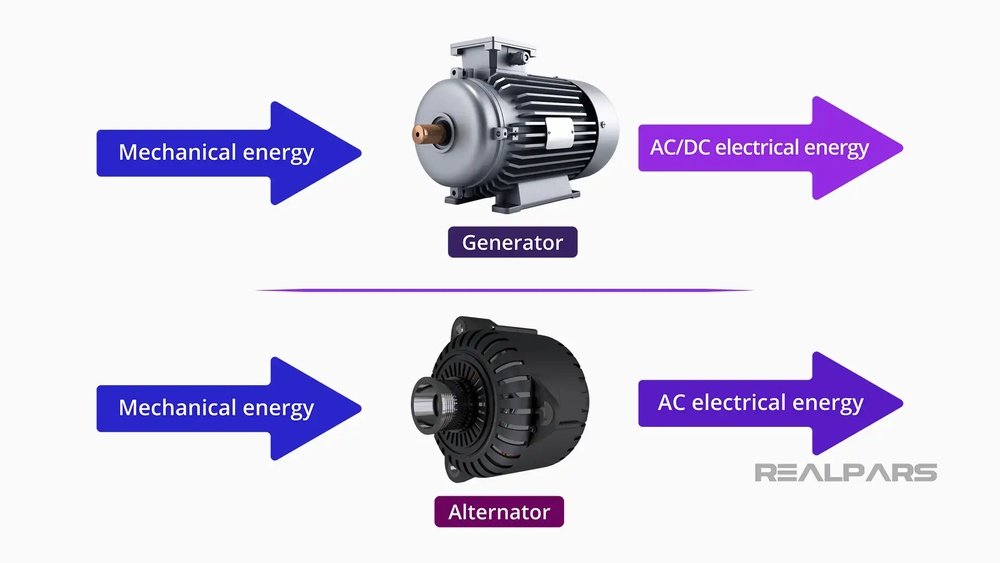
Understanding the role of an alternator helps you see why it is essential. It converts mechanical energy into electrical energy. This energy supports many systems inside your car every time you drive.
Power Generation In Cars
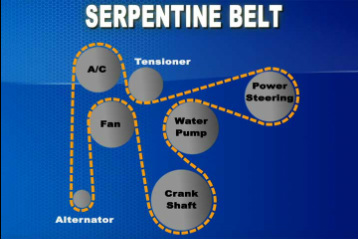
The alternator generates electrical power by spinning inside the engine. It uses a belt connected to the crankshaft. When the engine runs, the belt turns the alternator’s rotor. This movement creates an electric current.
This current is alternating current (AC). The alternator then changes AC into direct current (DC). DC is what the car’s battery and electrical components need to work properly.
Charging The Battery
The alternator charges the car’s battery while the engine runs. This keeps the battery full of energy. The battery stores power to start the engine and run systems when the engine is off.
Without the alternator, the battery would drain quickly. It would not have enough energy to start the car or power the lights and radio. The alternator ensures the battery stays charged for reliable performance.
Supporting Electrical Systems
The alternator supports all electrical systems in the vehicle. This includes headlights, dashboard lights, air conditioning, and entertainment systems. It provides power to these parts while the engine is on.
It prevents the battery from losing too much power during use. The alternator balances power needs and keeps all electrical components running smoothly. This support is crucial for safety and comfort in your car.
How Alternators Work
The alternator is a vital part of your vehicle’s electrical system. It changes the engine’s mechanical energy into electrical energy. This process keeps your battery charged and powers all electrical parts. Understanding how alternators work helps you see their importance in vehicle function.
Basic Components
An alternator has several key parts. The rotor spins inside the stator to create a magnetic field. The stator holds coils of wire that electricity flows through. A diode rectifier changes the current from alternating to direct. The voltage regulator controls the power sent to the battery and electrical system.
Conversion Of Mechanical To Electrical Energy
The engine turns the alternator’s rotor using a belt. The spinning rotor produces a magnetic field. This magnetic field moves past the stator coils. This movement creates alternating current (AC) electricity. The diode rectifier then converts AC to direct current (DC) for the car’s use.
Regulating Voltage Output
The voltage regulator keeps the electrical output steady. It stops the alternator from making too much or too little power. This protects the battery and electrical parts from damage. The regulator adjusts the rotor’s magnetic field to control voltage. This ensures the car’s electrical system works smoothly.
Signs Of Alternator Problems
The alternator is vital for keeping your car’s electrical system running. Signs of alternator problems often show up before the car breaks down. Spotting these early can save time and money.
Here are common signs that point to alternator issues. Watch for changes in electrical performance, unusual noises or smells, and trouble starting or running the engine.
Electrical Issues
Dim or flickering lights are a clear sign. Headlights and dashboard lights may change brightness, especially when using other devices like the heater or radio.
Power windows or seats may move slowly or stop working. Radios or other accessories might cut out or act strangely.
A battery warning light often appears on the dashboard. It may show as a battery icon or display letters like “ALT” or “GEN.”
Unusual Noises And Smells
Listen for whining or grinding sounds from the engine area. These noises may come from worn bearings or a failing alternator belt.
A burning smell, like hot wires or rubber, is a warning. It can mean the alternator is overheating or parts are damaged.
Starting And Running Difficulties
The engine might struggle to start or stall unexpectedly. This happens because the battery is not charging properly.
The car may run rough or lose power while driving. This can be a sign that the alternator is failing to supply enough electricity.
Common Symptoms Explained
Recognizing common symptoms helps spot alternator problems early. Alternators charge the battery and power electrical parts. When they fail, car systems act up. These signs warn of trouble ahead.
Dim Or Flickering Lights
Headlights and dashboard lights may dim or flicker. This often happens when you accelerate or use other electrical features. Flickering lights mean the alternator is not supplying steady power.
Slow Or Failing Accessories
Power windows may move slowly or stop working. Radios might cut in and out. Other electric parts can act strange or fail. These problems happen because the alternator can’t keep up.
Battery Warning Light
A battery-shaped light often appears on the dashboard. Sometimes it shows as “ALT” or “GEN.” This light signals the alternator is not charging properly. It warns you to check the electrical system soon.
Dead Battery And Engine Stalling
A bad alternator causes the battery to drain. A dead battery means the car won’t start. The engine may stall while driving due to low power. This is a serious sign that the alternator needs attention.
Diagnosing Alternator Issues
Diagnosing alternator issues helps keep your vehicle running smoothly. The alternator charges the battery and powers electrical parts while driving. When it fails, the battery drains and electrical systems act up. Identifying the problem early avoids breakdowns and costly repairs. Simple tests can show if the alternator works properly or if the battery is at fault.
Testing Alternator Output
Use a multimeter to check the alternator’s voltage. Start the engine and set the multimeter to DC voltage. Place the probes on the battery terminals. A healthy alternator shows between 13.8 and 14.4 volts. Below this range means the alternator may not charge the battery enough. Above this range could damage the battery and electrical parts.
Differentiating Battery And Alternator Problems
Dead battery symptoms and alternator issues often look alike. A battery that won’t hold charge could be the cause. Try jump-starting the car. If it starts and runs well, the battery is likely the problem. If it dies soon after, the alternator might not supply enough power. Check for dim lights or warning lights on the dashboard. These signs often point to alternator trouble.
When To See A Mechanic
Some alternator problems need expert help. Strange noises like whining or grinding come from worn parts inside the alternator. Burning smells suggest overheating or wiring issues. Electrical parts that work slowly or fail need professional checks. Visit a mechanic if tests show low voltage or if warning lights stay on. Early repair prevents bigger damage to your vehicle.
Credit: www.metroplexalternator.com
Alternator Replacement And Maintenance
Maintaining and replacing your alternator ensures your car’s electrical system runs smoothly. The alternator charges the battery and powers electrical parts while the engine runs. Over time, it can wear out and need replacement. Proper maintenance helps avoid unexpected breakdowns and costly repairs.
Replacement Costs
The cost of a new alternator varies by car model and brand. On average, parts range from $100 to $400. Labor charges add another $100 to $200. High-end vehicles may have higher replacement costs. Budgeting for alternator replacement helps you prepare for the expense.
Preventive Maintenance Tips
Check the alternator belt regularly for cracks or wear. Keep battery terminals clean and tight to ensure good connections. Listen for unusual noises like grinding or whining from the engine area. Inspect electrical systems for flickering lights or slow accessories. Address small issues early to extend alternator life.
Diy Vs Professional Service
Replacing an alternator yourself can save money but requires tools and skills. Safety is important because the alternator connects to the electrical system. Professional mechanics have experience and special tools to do the job quickly. Choose a professional if you lack experience or proper tools.
Can A Car Run Without An Alternator?
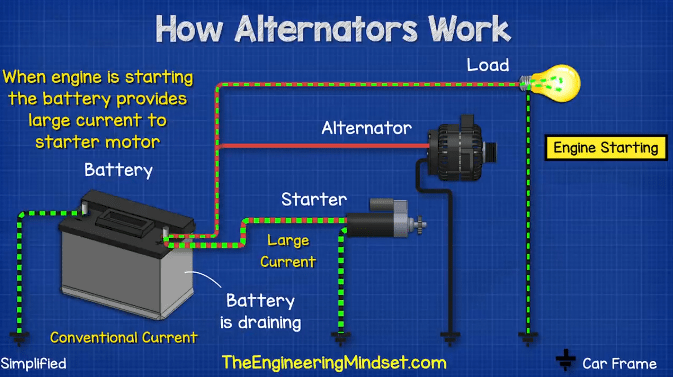
Many wonder if a car can run without an alternator. The alternator powers the car’s electrical system and charges the battery. Without it, the battery alone must supply all the electrical energy. This situation creates several challenges and risks. Let’s explore how the battery works alone, the limits, and emergency uses.
Role Of The Battery Alone
The battery stores electrical energy to start the engine. It powers lights, radio, and other devices when the engine is off. Once the engine runs, the alternator normally recharges the battery. Without an alternator, the battery provides all power while driving. This means the battery drains quickly. It cannot keep the car running for long.
Limitations And Risks
Running without an alternator drains the battery fast. Electrical systems like headlights and power steering may fail. The car may stall once the battery is empty. Other risks include dim lights and loss of engine control. Driving without an alternator is unsafe and can damage the battery. Repairs become more expensive if ignored.
Emergency Situations
A car can run briefly without an alternator in emergencies. The battery can power the car for a few minutes to reach safety. Turn off non-essential electrical devices to save battery power. Avoid long drives or high-speed travel without an alternator. Getting the alternator fixed quickly is essential for safe driving.
Credit: theengineeringmindset.com
Frequently Asked Questions
What Are The Symptoms Of A Bad Alternator?
Symptoms of a bad alternator include dim or flickering lights, battery warning light, dead battery, strange noises, burning smell, slow accessories, and engine stalling.
Can A Car Run Without An Alternator?
A car can run briefly without an alternator using battery power. The battery drains quickly, causing the engine to stall soon.
How Expensive Is A New Alternator?
A new alternator typically costs between $100 and $500, depending on the vehicle make and model. Labor charges may add $100 to $200. Prices vary by location and part quality. Always compare prices from trusted auto shops or online retailers for the best deal.
What Happens To A Car When The Alternator Goes Out?
A failing alternator stops charging the battery, causing dim lights, electrical issues, engine stalling, and eventual car shutdown.
Conclusion
An alternator keeps your car’s battery charged and powers electrical parts. Without it, the battery would drain quickly. Signs of a bad alternator include dim lights, strange noises, or engine problems. Paying attention to these signs can help avoid breakdowns.
Regular checks keep your vehicle running smoothly. Understanding what an alternator does helps you care for your car better. It’s a small part with a big job.