Are you struggling to tell the difference between chrome, stainless steel, and aluminum? You’re not alone.
These metals often look similar, but knowing which one you’re dealing with can save you time, money, and frustration—whether you’re fixing something at home, shopping for kitchenware, or working on a project. You’ll discover simple, practical tips to quickly and confidently identify each metal.
By the end, you’ll never second-guess your choice again. Ready to master this handy skill? Let’s dive in!

Credit: www.youtube.com
Magnet Test
The magnet test is a simple way to tell chrome stainless steel from aluminum. It uses magnetic properties to find out what metal you have. This test is quick and easy. You only need a small magnet and the metal item.
The magnet test works because metals have different reactions to magnets. Some metals attract magnets strongly. Others do not attract magnets at all. Knowing these differences helps identify the metal type.
Magnetic Properties Of Chrome
Chrome is not a metal by itself. It is a shiny coating on other metals, often steel. The magnetic property depends on the base metal under the chrome. If the base metal is steel, a magnet will stick to it.
Chrome plating looks bright and mirror-like. You may see slight rust if the base metal is steel. The magnet test can reveal the hidden steel beneath the chrome layer.
Magnetism In Stainless Steel
Stainless steel may or may not be magnetic. It depends on the type of stainless steel used. Some stainless steels have iron, which attracts magnets. Others have less iron and are not magnetic.
Most common stainless steel kitchen items attract a magnet weakly. The magnet test can help check if the metal is stainless steel by the strength of attraction.
Non-magnetic Aluminum
Aluminum does not attract magnets. It is a lightweight metal with no iron content. The magnet will not stick to aluminum at all. This makes the magnet test very useful.
If the magnet does not stick, the metal is likely aluminum. This test is helpful for quick metal identification without tools or chemicals.
Visual Differences
Visual differences offer quick clues to identify chrome stainless steel and aluminum. These metals look similar but have distinct traits. Observing color, shine, surface texture, and signs of wear helps separate them. This section focuses on easy visual checks anyone can do.
Color And Shine Variations
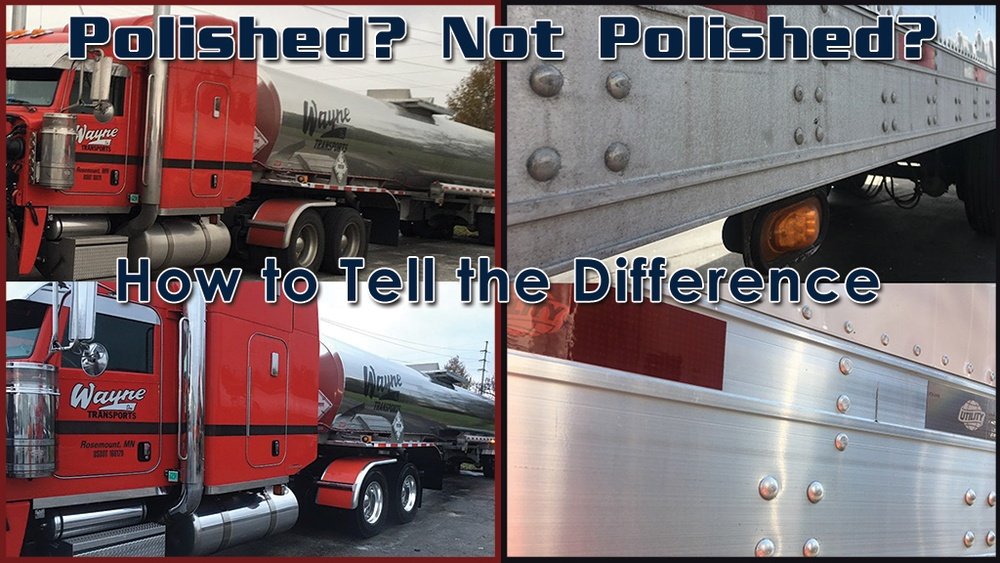
Chrome stainless steel has a bright, mirror-like shine. It reflects light sharply and looks almost like a mirror. Aluminum shows a duller, softer silver color. Its shine is less intense and appears more matte or brushed. Chrome is cooler and bluish in tone. Aluminum often has a warmer, grayish tint.
Surface Finish And Texture
Chrome stainless steel feels very smooth and hard to the touch. The surface is polished and uniform. Aluminum may show fine scratches or a slightly rougher texture. It often has a brushed or matte finish. Chrome is thicker and feels heavier. Aluminum is lighter and may feel softer or more flexible.
Rust And Corrosion Signs
Chrome stainless steel resists rust and corrosion well. It rarely shows any rust spots. Aluminum never rusts but can develop white, powdery corrosion called oxidation. This corrosion looks chalky or powdery on the surface. Chrome surfaces tend to keep their shine longer. Aluminum surfaces dull faster over time.
Weight And Density
Weight and density are key factors to tell the difference between chrome stainless steel and aluminum. These metals feel different when held. Their heaviness and thickness reveal what type of metal you have. Understanding these traits helps you identify them correctly.
Comparing Heaviness
Chrome stainless steel feels heavier than aluminum. This is due to its higher density. Even small pieces of stainless steel weigh more than aluminum of the same size. Aluminum is light and easy to carry. It is often used when weight is a concern. If the metal feels surprisingly heavy, it is likely stainless steel.
Thickness And Material Feel
Aluminum usually has a thicker appearance. It feels softer and less rigid than stainless steel. Stainless steel is thinner but harder. It has a smooth, cold touch. Aluminum feels warmer and may bend slightly under pressure. The thickness and firmness can guide you in telling these metals apart. Touch and pressure tests can be helpful.
Sound Test
One simple way to tell the difference between chrome stainless steel and aluminum is by using a sound test. This test involves tapping the metal and listening closely to the sound it makes. The two metals produce very different sounds due to their unique physical properties. This method is quick, requires no special tools, and can often be done with just a finger or a small object.
Ping Vs. Thud Sounds
Chrome stainless steel usually gives a clear, sharp ping sound when tapped. This is because it is dense and hard. The sound lasts a little longer and has a ringing quality. Aluminum, on the other hand, produces a dull thud. The sound is softer and does not ring out. This happens because aluminum is lighter and less dense than stainless steel. You can try tapping the metal lightly with your fingernail or a small metal object to hear the difference.
Interpreting Acoustic Clues
Pay close attention to how the sound fades. Stainless steel’s ping lasts longer and has a higher pitch. Aluminum’s thud is short and low pitched. The difference is easy to notice in a quiet room. The sound test works best on flat, clean surfaces. Dirt or coatings may change the sound slightly. Practice a few times to get used to the sounds. This simple test can help you quickly identify the metal type without any tools.
Spark Test Method
The spark test method helps distinguish metals by observing sparks they produce. This test reveals differences between chrome stainless steel and aluminum. It uses a grinder to create sparks, which vary in color and pattern depending on metal type. The method is quick and effective for metal identification.
Using A Grinder Safely
Wear safety glasses and gloves before starting the test. Use a grinder with a clean, sharp wheel to get clear sparks. Hold the metal piece firmly and grind a small area. Keep sparks away from flammable materials. Work in a well-ventilated place to avoid dust buildup.
Identifying Spark Patterns
Chrome stainless steel produces bright, white sparks that branch out. These sparks last longer and show many small bursts. Aluminum, by contrast, creates few or no sparks. If sparks appear, they are short, dull, and soft in color. Observing these patterns helps tell the metals apart quickly.
Credit: classiccarmaintenance.com
Practical Applications
Understanding the practical uses of chrome, stainless steel, and aluminum helps identify each metal in real life. Each metal suits different tasks due to its unique properties. Knowing these applications makes it easier to tell them apart.
Common Uses For Chrome
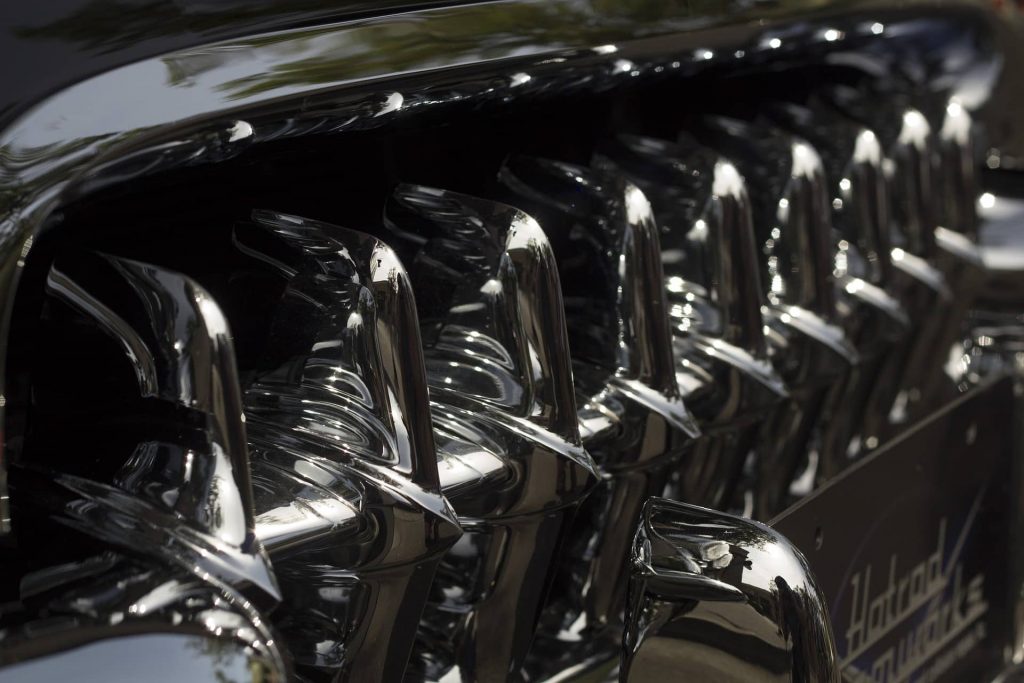
Chrome is mostly used as a finish over other metals. It adds shine and protects against rust. You find chrome on car parts, bathroom fixtures, and tools. Its bright, mirror-like surface stands out. Chrome plating makes items look new and clean.
Where Stainless Steel Shines
Stainless steel works well in places needing strength and rust resistance. It is common in kitchen appliances, cutlery, and medical instruments. This metal handles heat and moisture without corroding. Stainless steel often has a dull silver look, less shiny than chrome.
Typical Aluminum Uses
Aluminum is lightweight and easy to shape. It is popular in packaging, like cans and foil. You also see it in airplanes and bicycles due to its low weight. Aluminum resists rust but dents more easily than stainless steel. Its dull gray color helps identify it quickly.
Expert Tips
Distinguishing between chrome stainless steel and aluminum can be tricky. Expert tips help make the process clear and reliable. Use simple tests and observations together to identify the metal correctly. These tips reduce errors and improve your confidence in telling them apart.
Combining Tests For Accuracy
Relying on one test might not be enough. Combine several methods to confirm the metal type. Start with the magnet test. Chrome stainless steel usually attracts magnets. Aluminum does not. Next, check the weight. Aluminum is lighter than stainless steel. Also, look at the surface. Chrome is shinier and more reflective. Stainless steel is less bright but still polished. Aluminum has a duller, matte finish. Use sound tests too. Tap the metal gently. Stainless steel makes a higher-pitched ping. Aluminum sounds softer and duller.
Avoiding Common Mistakes
Do not judge the metal by color alone. Chrome and stainless steel can look similar. Avoid relying only on the magnet test. Some stainless steel grades are not magnetic. Do not confuse thickness with metal type. Aluminum can be thick or thin. Check multiple features before deciding. Handle the metal carefully to avoid damage. Misreading tests leads to wrong conclusions. Take your time and observe closely for best results.

Credit: www.youtube.com
Frequently Asked Questions
How To Tell If It’s Chrome Or Aluminum?
Test with a magnet: chrome attracts strongly, aluminum doesn’t. Chrome feels harder and shinier, aluminum is lighter and duller.
How To Tell If Something Is Chrome Or Stainless Steel?
Use a magnet: chrome is magnetic and shiny, stainless steel is less magnetic with a duller finish. Chrome looks brighter and more reflective.
How Can You Tell If It’s Stainless Steel Or Aluminum?
Test with a magnet: stainless steel may attract weakly; aluminum won’t attract at all. Check weight—aluminum is lighter. Stainless steel looks shinier and sounds like a ping when tapped; aluminum sounds duller and feels softer.
Will A Magnet Stick To Stainless Steel Or Aluminum?
A magnet usually does not stick to aluminum as it is non-magnetic. Some stainless steel types attract magnets weakly, while others do not.
Conclusion
Knowing the difference between chrome, stainless steel, and aluminum helps you choose the right metal. Each metal has unique features like weight, color, and magnetism. Chrome feels heavy and shiny, stainless steel is strong and slightly dull, while aluminum is light and non-magnetic.
Simple tests, like using a magnet or tapping the metal, make identification easy. Understanding these basics saves time and avoids confusion. Keep these tips in mind when working with metals for clear, confident decisions.