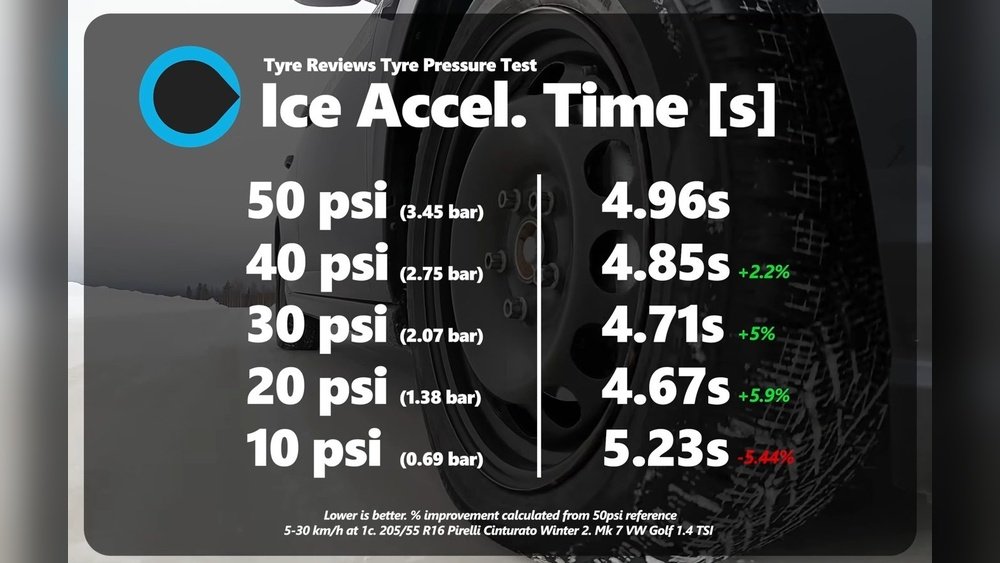
When winter rolls in and temperatures drop, you might notice your car’s tire pressure warning light flickering on. But have you ever wondered what your tire pressure should really be during those cold months?
Getting this right isn’t just about avoiding that annoying warning—it’s about keeping you safe on icy roads, ensuring better control, and even saving you money on fuel and tire wear. You’ll discover exactly how winter affects your tire pressure, why sticking to the right PSI matters, and simple tips to keep your tires properly inflated all season long.
Keep reading to learn how a small adjustment can make a big difference in your winter driving experience.
Ideal Tire Pressure In Winter
Maintaining the ideal tire pressure in winter is crucial for safe driving. Cold temperatures cause tire pressure to drop. This can affect your vehicle’s handling and fuel efficiency. Checking and adjusting tire pressure helps keep your tires performing well in winter conditions.
Manufacturer’s Recommended Psi
Always follow the tire pressure recommended by your vehicle’s manufacturer. This information is usually found on a sticker inside the driver’s door or in the owner’s manual. The recommended PSI ensures the best balance of safety, comfort, and tire wear. Avoid guessing or using the number on the tire’s sidewall, which is the maximum pressure, not the ideal pressure.
Avoiding Over-inflation
Do not over-inflate tires to compensate for cold weather. Over-inflation reduces the tire’s contact with the road. This lowers traction and can cause uneven tire wear. Stick to the recommended PSI for the best grip and control on icy or snowy roads. Over-inflated tires also increase the risk of damage from road hazards.
Cold Weather Adjustments
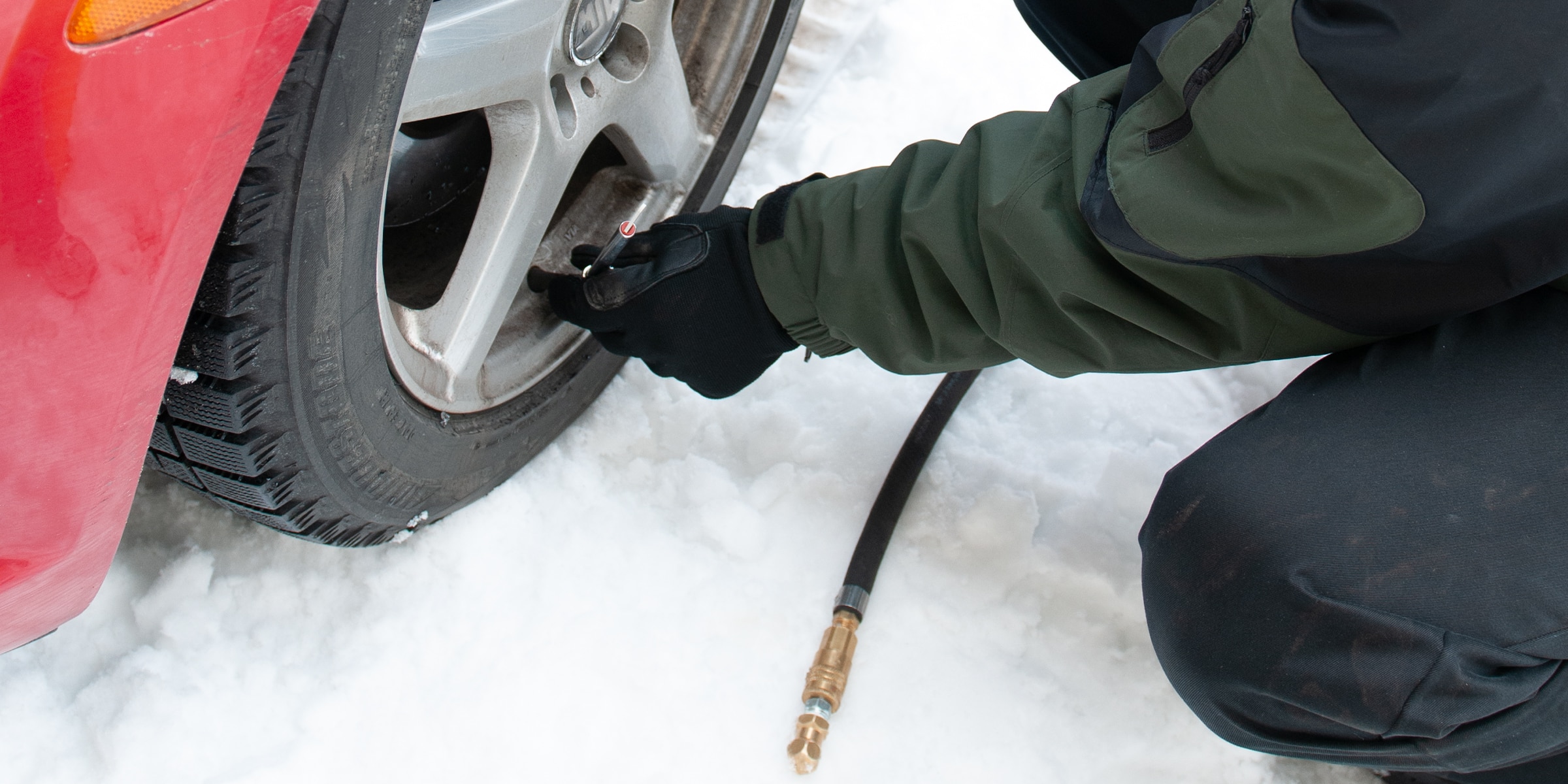
Tire pressure drops about 1 PSI for every 10 degrees Fahrenheit the temperature falls. Check tire pressure more often during winter months. Inflate tires to the recommended PSI when they are cold, before driving. Avoid checking pressure right after driving, as heat can raise PSI readings. Regular checks help maintain safe tire pressure throughout the cold season.
Credit: www.tirerack.com
Why Tire Pressure Drops In Cold
Tire pressure often falls during cold weather. This drop happens because air inside tires reacts to temperature changes. Understanding why tire pressure drops helps keep your vehicle safe in winter.
Effect Of Temperature On Air Molecules
Air molecules move slower in cold temperatures. Slower movement means molecules take up less space. This lowers the pressure inside the tire. Cold air is denser, causing the tire to feel less inflated.
Boyle’s Law And Tire Pressure
Boyle’s Law explains the link between pressure and volume. When temperature drops, air pressure inside a tire decreases if volume stays the same. Tires do not change size much, so pressure must drop. This law helps predict how much pressure loss happens in cold.
Typical Pressure Loss Rates
Tire pressure drops about 1 to 2 psi for every 10°F decrease in temperature. A 30°F drop can cause a 3 to 6 psi loss. This means checking tires often in winter is very important. Proper inflation keeps tires safe and improves fuel efficiency.
Checking And Maintaining Pressure
Properly checking and maintaining tire pressure in winter is crucial for safe driving. Cold temperatures cause air inside tires to contract, lowering pressure. Low tire pressure reduces grip, increases wear, and risks tire damage. Regular checks help keep pressure at the recommended level for your vehicle.
Frequency Of Pressure Checks
Check tire pressure at least once a week during winter months. Pressure can drop quickly on cold days, so frequent checks prevent unsafe driving conditions. Also, check after long trips or when carrying heavy loads.
Best Time To Measure Psi
Measure tire pressure when tires are cold, ideally before driving in the morning. Driving heats up tires and increases pressure, giving false readings. Cold measurements ensure accurate pressure matching the manufacturer’s recommendation.
Using Accurate Pressure Gauges
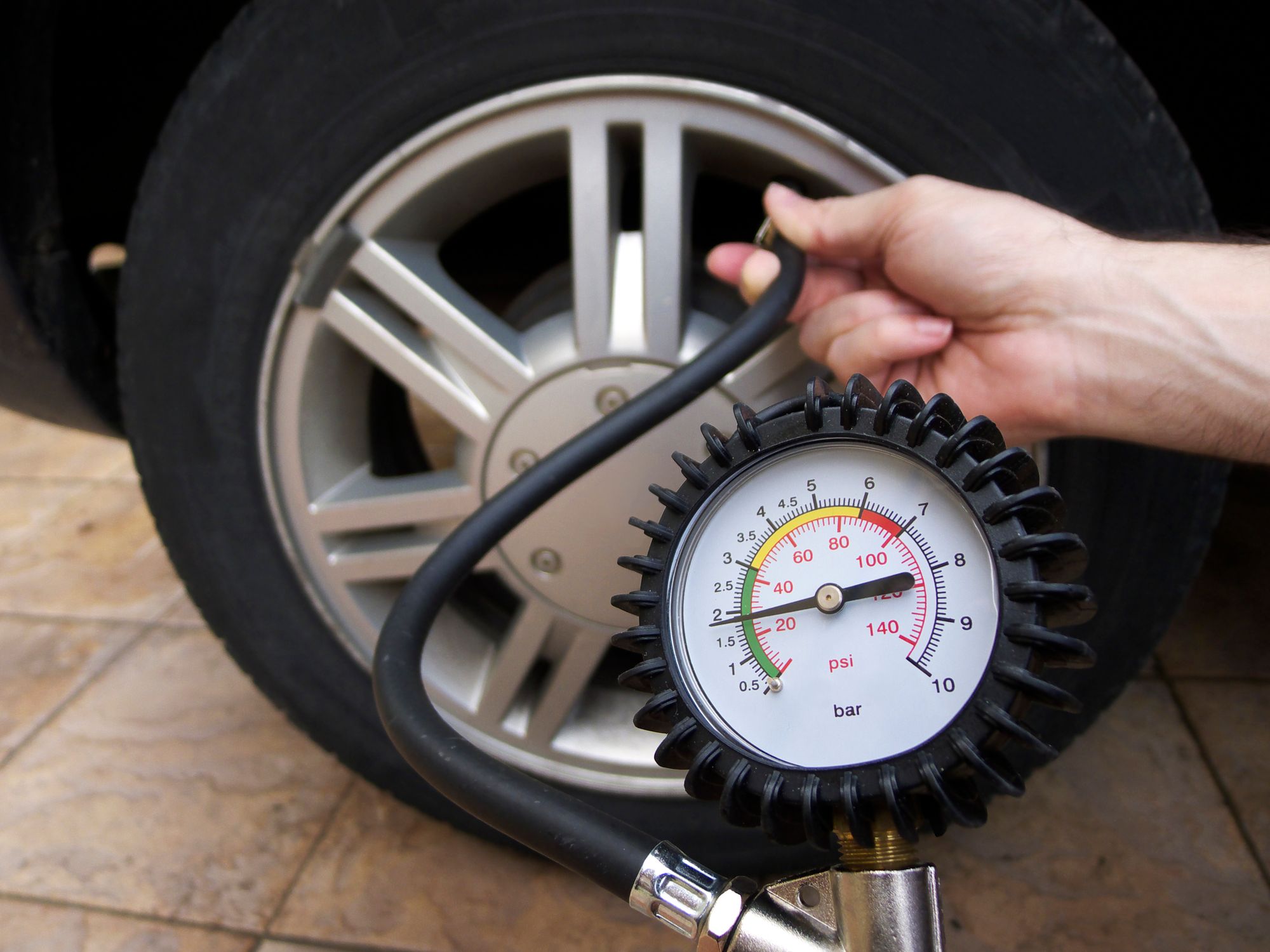
Use a reliable and precise pressure gauge for accurate readings. Digital or high-quality analog gauges work best. Avoid using built-in gas station gauges, as they often give inaccurate results. Keep your gauge clean and store it properly.

Credit: www.youtube.com
Filling Tires During Winter
Proper tire inflation is vital for safe winter driving. Cold air causes tire pressure to drop. This can lead to poor traction and uneven tire wear. Regularly checking and filling tires ensures better control on icy roads.
Maintaining correct tire pressure helps your tires perform as designed. It also improves fuel efficiency and extends tire life. Follow these tips to fill your tires correctly during winter months.
Inflating When Tires Are Cold
Always measure tire pressure when tires are cold. Tires heat up during driving, increasing pressure temporarily. Checking pressure after the car has been parked for hours gives accurate readings. This helps avoid under or over-inflation.
Avoiding Over-correction
Do not add too much air to compensate for cold weather. Over-inflated tires reduce traction and cause uneven wear. Stick to the manufacturer’s recommended pressure found in the owner’s manual or door sticker. Adjustments should be small and gradual.
Choosing Proper Air Sources
Use reliable air pumps at gas stations or invest in a home compressor. Avoid cheap or uncalibrated pumps that give false readings. A quality pressure gauge ensures accurate inflation. Proper tools make filling tires easier and safer in winter.
Risks Of Underinflated Tires
Underinflated tires pose serious risks during winter driving. Cold weather causes tire pressure to drop, leading many drivers to overlook proper inflation. Driving on underinflated tires affects your vehicle’s performance and safety. It also increases costs and shortens tire life. Knowing these risks helps you maintain safe tire pressure in winter.
Reduced Traction And Safety
Underinflated tires have less contact with the road. This reduces traction on slippery winter surfaces. Your car may slide more easily on ice or snow. Braking distances increase, raising the chance of accidents. Handling becomes less predictable, making it harder to control the vehicle. Proper tire pressure ensures better grip and safer driving.
Increased Fuel Consumption
Low tire pressure increases rolling resistance. Your engine must work harder to move the car. This leads to higher fuel consumption and more emissions. Over time, underinflated tires cost you more money at the pump. Keeping tires inflated to the recommended level saves fuel and reduces environmental impact.
Premature Tire Wear
Underinflation causes uneven tire wear, especially on the edges. This shortens the tire’s lifespan and performance. You may need to replace tires sooner than expected. Worn tires also reduce safety and comfort. Maintaining correct pressure helps tires wear evenly and last longer in winter conditions.
Credit: wrench.com
Winter Tire Benefits
Winter tires offer key benefits that improve driving safety in cold weather. They are specially designed to work well on ice, snow, and wet roads. Their unique features help maintain control and reduce risks during winter months.
Softer Rubber For Better Grip
Winter tires use a softer rubber compound than all-season tires. This material stays flexible in cold temperatures. Flexible rubber grips icy and snowy surfaces better. It prevents tires from hardening and losing traction. This grip helps drivers keep control on slippery roads.
Improved Handling In Snow
The tread patterns on winter tires are deeper and wider. They dig into snow and slush to provide better stability. This design helps the vehicle respond smoothly to steering inputs. Drivers can handle turns and curves with more confidence. Improved handling reduces the chance of skidding or sliding.
Enhanced Braking Performance
Winter tires shorten stopping distances on ice and snow. The special tread blocks and grooves channel water and slush away. This prevents the tires from hydroplaning. Enhanced braking lets drivers stop safely and quickly. It lowers the risk of accidents on slippery surfaces.
When To Switch Tires
Knowing the right time to switch your tires improves safety and vehicle performance. Changing tires with the seasons helps maintain proper tire pressure and traction. It also prevents uneven tire wear and potential damage. Let’s explore the best moments to switch tires for winter and summer conditions.
Fall To Winter Transition
Switch to winter tires before temperatures drop below 45°F (7°C). Winter tires perform better in cold weather and on snow. Changing too early wastes tire life. Changing too late risks poor grip and unsafe driving. Check local weather forecasts for first frost or snow. Plan your tire change around these dates.
Spring To Summer Transition
Switch back to summer or all-season tires when temperatures rise above 45°F (7°C). Winter tires wear faster on warm roads. Using summer tires improves fuel efficiency and handling. Changing at the right time saves money and keeps your vehicle safe. Look for signs like melting snow and warmer days.
Performance Considerations
Tire pressure changes with temperature. Cold air reduces tire pressure, so check it regularly in winter. Proper tire pressure ensures good traction and reduces accidents. Use the vehicle manufacturer’s recommended tire pressure. Adjust pressure after switching tires. This keeps your car stable and responsive.
Frequently Asked Questions
What Should My Tire Pressure Be In Cold Weather?
Maintain tire pressure at the vehicle manufacturer’s recommended PSI in cold weather. Check monthly and inflate tires when cold. Cold air reduces tire pressure, so add air to reach the proper PSI on your door jamb sticker. Proper inflation ensures better traction and safety in winter conditions.
Is It Better To Have Higher Or Lower Tire Pressure In The Winter?
Maintain tire pressure at the vehicle manufacturer’s recommended level in winter. Cold air lowers pressure, so check and adjust regularly. Avoid overinflating or underinflating to ensure optimal traction, safety, and tire performance during cold weather.
What Is The 7’7 Rule For Winter Tires?
The 7’7 rule for winter tires means maintaining tire pressure at 7 PSI above the recommended level when temperatures drop below 7°F. This helps prevent pressure loss and ensures optimal traction and safety in cold weather conditions.
Do I Need To Put More Air In My Tires When It’s Cold?
Yes, cold air contracts and lowers tire pressure. Check and add air to reach the recommended PSI in cold weather.
Conclusion
Maintaining proper tire pressure in winter keeps your drive safe and smooth. Cold weather lowers tire pressure, so check it often. Follow the vehicle manufacturer’s recommended PSI for best performance. Correct pressure helps tires grip icy and snowy roads better.
Don’t let low tire pressure cause poor handling or faster wear. A simple pressure check can prevent accidents and save money. Stay safe by making tire pressure a winter driving priority.