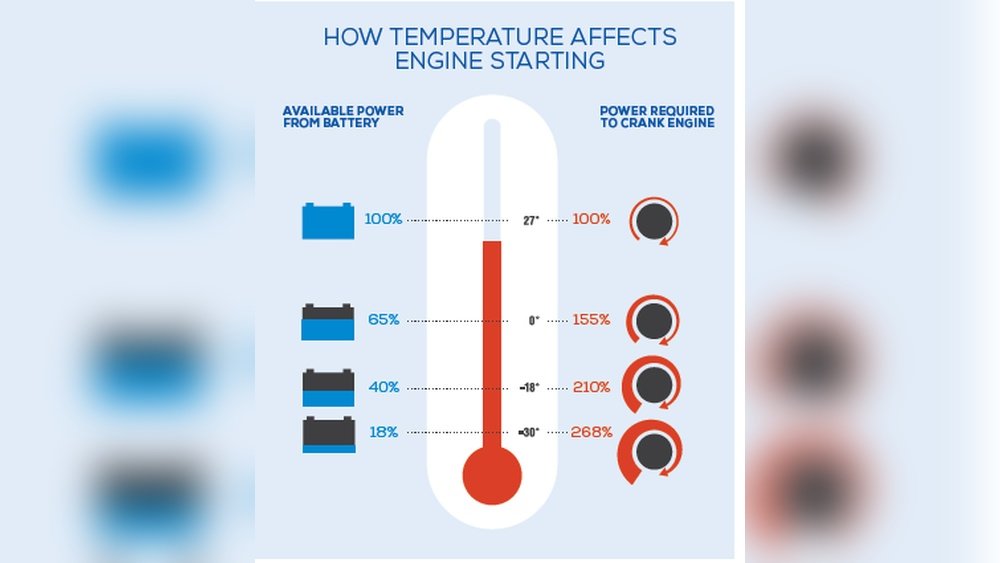
When cold weather hits, your car battery faces a tough challenge. The chill makes it harder for your battery to deliver the power your engine needs to start.
If you’ve ever been stuck with a car that won’t start on a frosty morning, you know how frustrating it can be. But here’s the good news: with the right care, you can keep your battery strong all winter long.
You’ll discover simple, practical tips to maintain your car battery during cold weather—so you’re never left stranded. Ready to protect your ride and save yourself from unexpected breakdowns? Let’s dive in.
Credit: www.firestonecompleteautocare.com
Car Battery Challenges In Cold Weather
Cold weather presents serious challenges for car batteries. Low temperatures affect battery performance and can cause unexpected failures. Knowing these challenges helps protect your car during winter months.
Effects Of Low Temperatures On Battery Chemistry
Cold weather slows the chemical reactions inside a car battery. This reduces the battery’s ability to produce power. The battery’s capacity drops by almost half at freezing temperatures. Thickened engine oil also makes the battery work harder to start the car. These combined effects lead to weaker starts and faster battery drain.
Signs Of A Weak Battery In Winter
Slow engine cranking is a common sign of a weak battery. The car may take longer to start or fail to start at all. Dim headlights and electrical accessories that work poorly also indicate battery issues. Frequent jump-starts or warning lights on the dashboard warn of battery problems. Early detection helps avoid being stranded in cold weather.
Credit: www.crownbattery.com
Routine Driving And Battery Health
Routine driving plays a key role in maintaining your car battery’s health during cold weather. Regular use helps keep the battery charged and prevents it from weakening. Cold temperatures slow down the battery’s chemical reactions, making it harder to start the car. Driving allows the alternator to recharge the battery and keeps engine fluids moving. Understanding how daily driving affects battery life can save you from unexpected breakdowns in chilly weather.
Benefits Of Daily Use
Driving your car every day helps maintain a strong battery charge. The alternator recharges the battery while you drive. This prevents the battery from losing power over time. Regular use also keeps the engine oil warm and flowing. Warm oil reduces strain on the battery during start-up. Daily driving reduces moisture buildup inside the battery. This lowers the risk of corrosion and battery failure.
Risks Of Short Trips
Short trips do not give the battery enough time to recharge. Starting the engine uses more power than short drives replace. Over time, this leads to a weak and drained battery. Cold weather makes this problem worse. The battery works harder to start a cold engine. Repeated short trips can cause your battery to die quickly. Avoid using the car only for quick errands in winter.
Driving Tips For Battery Maintenance
Drive for at least 20 minutes to fully recharge the battery. Avoid turning off the engine immediately after starting; let it run briefly. Keep your headlights and accessories off when the engine is off. Park your car in a garage to protect it from extreme cold. Regularly check the battery terminals for corrosion and clean them. Consider using a battery maintainer if you drive less often during winter.
Managing Batteries In Infrequently Used Cars
Managing batteries in cars that are not used often requires special care during cold weather. Cold temperatures reduce a battery’s ability to hold charge. Without regular use, the battery can drain quickly and fail to start the car. Simple steps help maintain battery life and avoid unexpected problems. Understanding battery needs is key to keeping your car ready.
Importance Of Regular Starts
Starting the engine regularly keeps the battery active. It prevents the battery from losing its charge completely. Even a short start helps the battery stay healthy. Without starts, the battery slowly loses power. This can lead to a dead battery during cold weather. Regular starts also allow the car’s systems to run properly.
How Driving Recharges The Battery
Driving the car recharges the battery through the alternator. The alternator produces electricity while the engine runs. This electricity restores the battery’s energy. Longer drives are better for a full recharge. Short trips may not recharge the battery enough. Consistent driving prevents battery failure on cold mornings.
Dealing With Thickened Oil And Fluid Circulation
Cold weather makes engine oil and fluids thicker. Thick oil increases engine resistance during startup. This extra load requires more battery power to start the engine. Driving warms up the oil and fluids, improving flow. Proper circulation reduces stress on the battery and engine. Keeping fluids flowing helps maintain overall car health.
Battery Charging Solutions For Cold Months
Cold months demand special care for car batteries. Low temperatures slow down chemical reactions inside batteries. This reduces their ability to hold and deliver power. Using the right charging solutions keeps your battery healthy and ready to start your car. Several devices help maintain proper charge without overloading the battery.
Using Battery Maintainers And Tenders
Battery maintainers and tenders keep your battery charged during long idle periods. They supply a low, steady current to prevent discharge. These devices monitor battery voltage and adjust charging automatically. This avoids overcharging and battery damage. They are ideal for cars not used daily in winter. Simply connect the maintainer and leave it plugged in.
Smart Chargers For Safe Continuous Use
Smart chargers offer advanced control over charging cycles. They detect battery condition and provide the right charge level. These chargers switch to maintenance mode after full charge. This helps keep the battery at optimal voltage safely. Smart chargers also protect against short circuits and reverse polarity. They extend battery life and improve performance in cold weather.
Trickle Chargers And Their Benefits
Trickle chargers provide a very low, constant current to the battery. This slowly restores charge without stressing the battery. They are simple devices but very effective for winter care. Trickle chargers prevent deep discharge during long periods of inactivity. Using one reduces the risk of no-start problems on cold mornings. They are affordable and easy to operate for all drivers.
Parking Strategies To Protect Your Battery
Parking your car properly during cold weather helps protect the battery. Cold temperatures make batteries work harder and lose power faster. Choosing the right parking spot can reduce battery drain and extend its life. Simple parking strategies can keep your battery strong through winter months.
Advantages Of Garage Parking
Parking in a garage shields your car from cold wind and frost. The temperature inside a garage stays higher than outside. This warmth prevents the battery from freezing or losing charge quickly. It also protects the battery from snow and ice buildup. Garage parking means your car starts easier on cold mornings.
Avoiding Temperature Extremes
Extreme cold or heat can damage your battery. Parking away from open areas reduces exposure to harsh weather. Find a spot near buildings or walls to block cold wind. Avoid parking under trees where falling ice or branches may harm the car. Keeping the battery at a stable temperature helps it last longer.
Preventing Cold Weather Battery Damage
Cold weather can harm your car battery in many ways. Preventing damage helps keep your vehicle reliable. Knowing the risks and signs of battery issues is key. Early action protects your battery and avoids costly repairs.
Follow simple steps to maintain battery health during freezing temperatures. This section explains how to prevent cold weather battery damage.
Risks Of Electrolyte Freezing
Car batteries contain liquid electrolyte. When temperatures drop, this liquid can freeze. Frozen electrolyte expands and may crack the battery case. Cracks cause leaks and reduce battery power. Low battery charge increases freezing risk. Keep your battery fully charged to lower this risk.
Signs Of Internal Battery Damage
Damaged batteries often show warning signs. Slow engine cranking is a common symptom. The battery may fail to hold a charge. Swollen battery casing indicates internal freezing. Corrosion on battery terminals can also appear. Watch for dim lights or electrical issues. These signs mean the battery needs attention.
When To Replace Your Battery
Battery life shortens in cold weather. Replace your battery every three to five years. Test your battery regularly before winter arrives. Replace it if tests show weak performance. Choose a battery rated for cold climates. Timely replacement prevents unexpected breakdowns.
Special Tips For Electric Vehicle Batteries
Electric vehicle (EV) batteries need special care in cold weather. Cold temperatures reduce battery efficiency and range. Taking simple steps can help keep your EV battery healthy and ready to go. Proper maintenance prevents unexpected power loss and extends battery life.
Preconditioning While Plugged In
Preconditioning warms the battery before driving. This helps the battery reach an ideal temperature. Always plug in your EV before preconditioning. The vehicle uses grid power, not battery power, to heat the battery. This saves battery charge for driving. Preconditioning improves performance and range in cold weather.
Maintaining Charge During Cold Weather
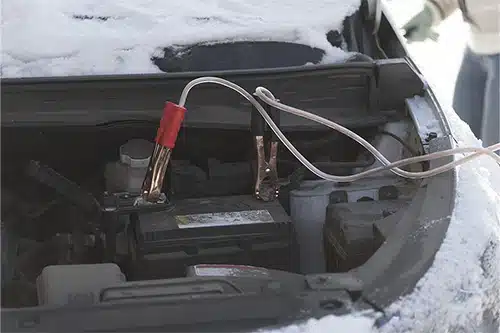
Keep your EV battery charged between 20% and 80%. Avoid letting the battery drop too low or stay full for long. Charge your vehicle regularly, especially during very cold days. Use a home charger or public station to maintain charge. A well-charged battery handles cold better and lasts longer.
Credit: bockauto.com
Frequently Asked Questions
How To Maintain A Car Battery In Cold Weather?
Maintain a car battery in cold weather by keeping it fully charged and using a battery maintainer. Park in a garage to reduce cold exposure. Avoid short trips to prevent frequent discharging. Regularly check battery terminals for corrosion and clean them.
Precondition electric vehicle batteries while plugged in.
How Often Should I Start My Car To Keep The Battery Charged In Cold Weather?
Start your car at least once every 3-5 days in cold weather to keep the battery charged. Use a battery maintainer if unused longer.
Does Cold Weather Permanently Damage Car Batteries?
Cold weather can freeze battery electrolyte, causing internal damage and loss of charge. This damage is often permanent.
Can You Leave A Trickle Charger On A Battery All Winter?
Yes, you can leave a smart trickle charger on a lead-acid battery all winter. It prevents discharge safely. Avoid using basic chargers without float mode to prevent overcharging and damage.
Conclusion
Cold weather can drain your car battery quickly. Regular checks keep your battery healthy and strong. Use a battery maintainer if the car sits long. Park in a garage to shield it from cold. Start your car often to keep the battery charged.
These simple steps help avoid unexpected battery failure. Stay prepared and protect your car this winter. Your battery will thank you with a reliable start every time.