
Have you ever wondered how many amps your car battery actually provides? Whether you’re dealing with a stubborn engine that won’t start or simply curious about your vehicle’s power, understanding the amps in a car battery is key.
Knowing this can help you choose the right battery, avoid unexpected breakdowns, and keep your car running smoothly. You’ll discover exactly what amps mean for your car battery, why they matter, and how to make the best decisions when it comes to your vehicle’s electrical needs.
Keep reading to unlock the secrets behind your car’s power source—it’s simpler than you think!
Car Battery Amps Explained
A car battery’s amps tell how much electric current it can deliver. Amps measure the flow of electricity, showing the battery’s strength. Knowing about amps helps understand how well a battery starts a car. This knowledge also guides in choosing the right battery for your vehicle.
Car batteries have different amp ratings. Each rating describes a specific power aspect. These ratings include peak current, cold cranking amps, and amp hours. Each value affects battery performance in unique ways.
Peak Current And Cold Cranking Amps
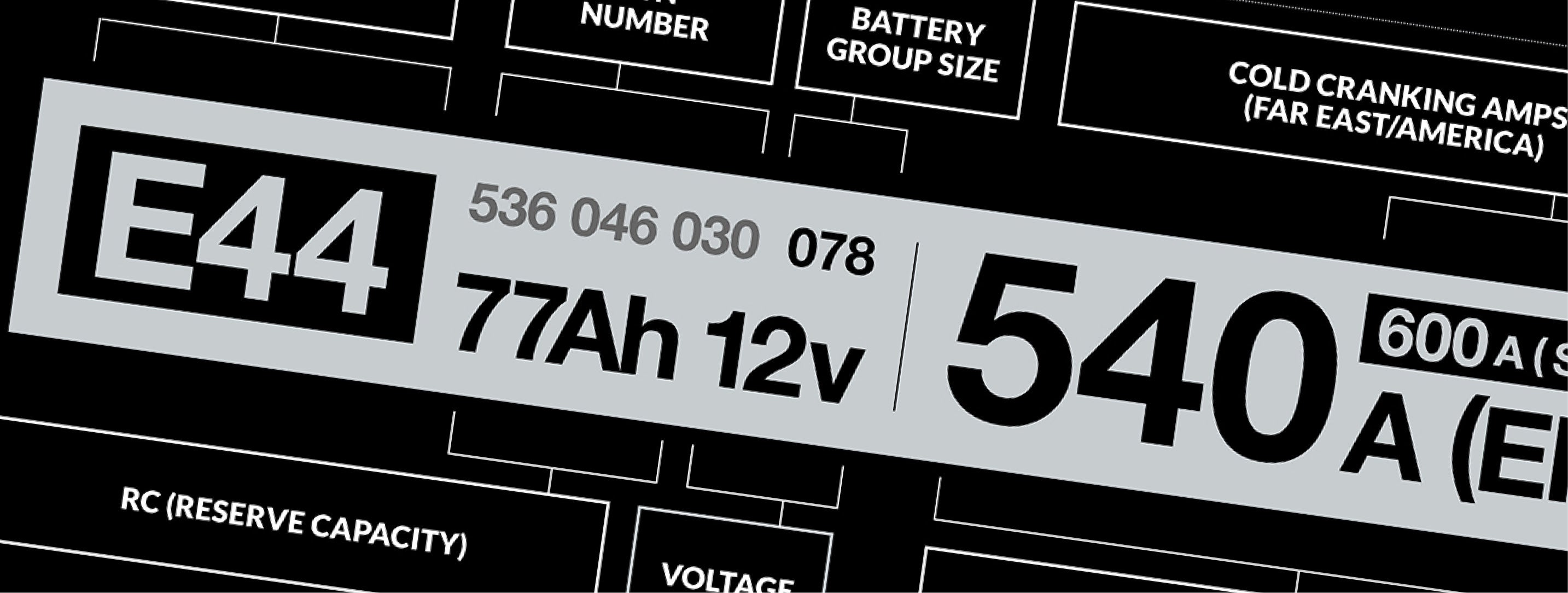
Peak current is the highest current a battery can give for a short time. It shows the battery’s max power. Cold Cranking Amps (CCA) measure the current a battery provides at 0°F. CCA is important for starting engines in cold weather. Higher CCA means better starting power in cold conditions.
Amp Hours And Battery Capacity
Amp hours (Ah) show how long a battery can supply a certain current. It measures battery capacity over time. For example, a 50 Ah battery can provide 1 amp for 50 hours. Higher Ah means the battery lasts longer between charges. Amp hours are key for devices using power steadily.
Cranking Amps Vs Cold Cranking Amps
Cranking Amps (CA) measure current at 32°F. Cold Cranking Amps (CCA) measure current at 0°F. CCA is always lower because cold reduces battery performance. CA is useful in milder climates. Both ratings help match a battery to engine needs and weather conditions.
Credit: us.haynes.com
Amps Needed To Start A Car
Starting a car needs a strong burst of power from the battery. This power is measured in amps. The number of amps required depends on several factors. Knowing the amps needed helps choose the right battery for your vehicle. It also ensures the car starts smoothly every time.
Engine Size And Power Demand
The size of the engine affects the amps needed to start the car. Bigger engines need more power. This means the battery must supply higher amps to crank the engine. Smaller engines require fewer amps. The power demand depends on the engine’s design and fuel system. High-performance engines often need batteries with higher cold cranking amps (CCA) ratings.
Impact Of Temperature On Starting Current
Cold weather increases the amps needed to start a car. Low temperatures make the engine oil thicker. This creates more resistance in the engine parts. The battery must work harder to turn the engine. At freezing temperatures, the starting current can be twice as high. Warm temperatures reduce the starting amps needed. Batteries with a high CCA rating perform better in cold climates.
Charging And Alternator Role
The charging process and the alternator’s role are vital for a car battery’s performance. The battery stores electrical energy, but it needs a steady charge to stay ready. The alternator supplies this charge while the engine runs. It converts mechanical energy into electrical energy. This keeps the battery at the right power level. Understanding how charging amps and alternator capacity affect the battery helps maintain its health and efficiency.
Charging Amps And Battery Size
Charging amps refer to the current flowing into the battery during charging. The size of the battery, measured in amp-hours (Ah), affects how many amps it needs. Larger batteries require higher charging amps to fill up in a reasonable time. For example, a 60Ah battery might need around 6 amps for safe charging. Charging with too many amps risks overheating and damage. Too few amps can result in slow charging and poor battery life.
Alternator Capacity And Battery Life
The alternator must produce enough amps to power the car and recharge the battery. Its capacity is measured in amps and varies by vehicle type. A small car may have an alternator rated at 70 amps, while trucks might have 100 amps or more. If the alternator is too weak, the battery may never fully charge. This shortens battery life and reduces vehicle reliability. Proper matching of alternator capacity and battery size ensures longer battery life and stable power supply.

Credit: www.carparts.com
Battery Size And Fit Considerations
Choosing the right battery size and fit is vital for your car’s performance. A battery that does not fit well can cause damage or fail to start your vehicle properly. Understanding the physical size and how it fits in the battery tray helps prevent installation problems. Checking terminal locations ensures cables connect securely without strain. These factors protect your car’s electrical system and keep it running smoothly.
Physical Dimensions And Tray Compatibility
Battery sizes vary by length, width, and height. Measure your car’s battery tray to find a battery that fits tightly. A battery too large may not close the hold-down clamp. Too small means it can move during driving, causing damage. Always compare dimensions with your original battery. This avoids space issues and keeps the battery stable.
Terminal Location And Cable Fit
Battery terminals come in different positions, such as top post or side post. The positive and negative terminals must match your car’s cable layout. If terminals are on the wrong side, cables may be too short or stretch too far. This can cause loose connections or electrical shorts. Check terminal types and location before buying to ensure a perfect fit.
Battery Types And Amperage
Understanding the types of car batteries helps clarify their amperage ratings. Battery types differ in chemistry and design. These differences affect how much current they provide and how they perform under stress.
Amperage is a key factor in choosing the right battery. It impacts starting power and overall reliability. Let’s explore the common battery types and their amperage characteristics.
Lead-acid Vs Lithium Batteries
Lead-acid batteries have been the standard for years. They are heavy and contain liquid acid inside. These batteries provide strong bursts of current needed to start engines.
Lithium batteries are lighter and more modern. They use lithium ions to store energy. Lithium batteries offer higher efficiency and longer life but usually cost more.
Both types serve the same purpose but differ in weight, size, and maintenance needs. Their chemistry also influences how they deliver amps during engine start-up.
Amperage Differences By Battery Type
Lead-acid batteries typically deliver cold cranking amps (CCA) between 300 and 800 amps. This range suits most gasoline and diesel engines. The CCA rating shows the battery’s ability to start an engine in cold weather.
Lithium batteries can provide similar or higher amps despite being smaller. They maintain stable voltage and current output under load. This makes them ideal for vehicles with high electrical demands.
Choosing a battery means matching amperage to your vehicle’s needs. A battery with too low amps might struggle to start the engine. Too high amps usually do not harm but add unnecessary cost and weight.

Credit: electronics.stackexchange.com
Matching Battery Amps To Vehicle Needs
Choosing the right battery amps is vital for your car’s performance. The battery must deliver enough power to start the engine. It also needs to support the electrical components while driving. Using a battery with correct amps ensures reliability and avoids damage.
Each vehicle has specific power requirements based on its engine size and design. Matching the battery amps to these needs keeps your car running smoothly. It also helps extend the battery’s life by preventing overload or underperformance.
Manufacturer Recommended Cca
Cold Cranking Amps (CCA) is a key rating for car batteries. It measures the battery’s ability to start the engine in cold weather. Car makers set a minimum CCA for each model. This rating ensures the battery can start the car even in low temperatures.
Always check the vehicle’s manual for the recommended CCA. Using a battery with lower CCA than recommended can cause starting problems. A battery with equal or higher CCA than required is safe and reliable.
Effects Of Using Higher Or Lower Amps
Using a battery with higher amps than needed might seem better. It can provide extra power reserve for additional electronics. But a much larger battery may not fit properly in the battery tray. It might also strain the charging system.
On the other hand, a battery with lower amps can fail to start the engine. It may also wear out faster because it works harder. This mismatch leads to frequent battery replacements and possible car breakdowns.
Choosing a battery with the correct amps keeps your vehicle safe. It ensures efficient starting and supports all electrical systems. This balance helps your car perform well in all conditions.
Battery Drain When Car Is Off
Car batteries lose power even when the vehicle is off. This slow loss is normal but can cause problems if the drain is too high. Understanding battery drain helps protect your battery life and avoid surprises when starting your car.
Parasitic Draw Explained
Parasitic draw means small electrical current flows while the car is off. Electronics like clocks, alarms, and computers use this power. Usually, the draw is very low and does not harm the battery.
Problems occur when a part uses too much power. This extra drain can kill the battery in days or weeks. Finding and fixing high parasitic draw keeps your battery healthy and reliable.
Typical Amp Draw Rates
Most cars have parasitic draw between 20 to 50 milliamps (0.02 to 0.05 amps). This level is safe for the battery over time. Modern cars with many electronics may have higher draws but still under 100 milliamps.
If the draw rises above 100 milliamps, the battery may drain quickly. A fully charged car battery holds about 48 amps per hour. Even a small extra drain can reduce battery life fast.
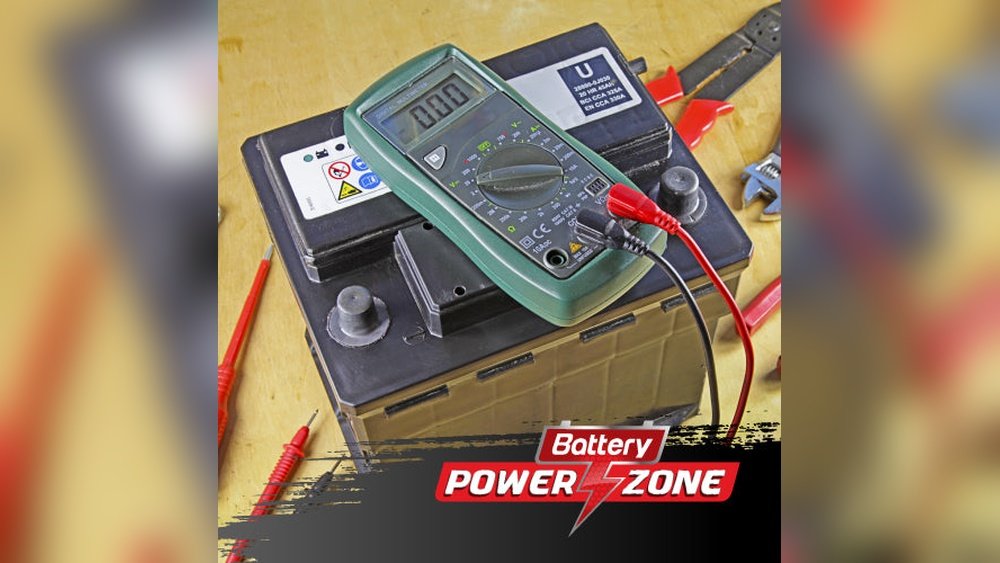
Regular checks help spot abnormal drain early. Use a multimeter to measure current draw and protect your battery investment.
Testing And Measuring Battery Amps
Testing and measuring the amps of a car battery helps understand its health and power capacity. These tests tell if the battery can deliver enough current for starting and running the vehicle. Proper tools and clear interpretation are essential for accurate results.
Using Multimeters And Load Testers
A multimeter measures voltage and current in a battery. To test amps, set the multimeter to the correct current range. Connect the meter’s leads to the battery terminals carefully. This method shows how much current flows without heavy load.
A load tester simulates the battery’s working condition. It applies a high current load for a few seconds. This test checks if the battery can maintain voltage under stress. Proper safety gear is important to avoid sparks or damage.
Interpreting Test Results
After testing, check the voltage and current values. A healthy battery shows stable voltage above 12.4 volts at rest. During load testing, voltage should not drop below 9.6 volts. Lower readings indicate a weak or failing battery.
Compare the results to the battery’s cold cranking amps (CCA) rating. CCA is the max current the battery can deliver in cold conditions. If measured amps fall short, the battery may struggle in cold starts. Regular testing helps avoid unexpected battery failure.
Frequently Asked Questions
How Many Amps Is A 12-volt Car Battery?
A 12-volt car battery typically provides 45 to 100 amp-hours (Ah). Its peak current is measured by cold cranking amps (CCA), usually 400-800 amps.
Is A Car Battery 6 Amp Or 12 Amp?
A typical car battery is rated around 12 volts and provides between 45 to 100 amp-hours. It is not rated in just 6 or 12 amps.
How Many Amps Does A Battery Need To Start A Car?
A car battery typically needs 300 to 600 cold cranking amps (CCA) to start an engine. The exact amps depend on engine size and temperature. Higher CCA ratings ensure reliable starts, especially in cold weather. Always match the battery’s CCA to the vehicle manufacturer’s recommendation for best performance.
Can I Put A 100ah Battery In My Car?
Yes, you can install a 100Ah battery if it fits physically and meets your car’s CCA requirements. Ensure terminals align properly. A higher Ah battery provides more reserve power but may take longer to charge. Always match or exceed the original battery’s cold cranking amps for reliable starts.
Conclusion
A car battery’s amps depend on its size and type. Most car batteries deliver between 400 to 700 cold cranking amps (CCA). This rating shows how much current the battery can provide to start the engine. Higher CCA means better starting power, especially in cold weather.
Always choose a battery with the right amp rating for your vehicle. Proper care and regular checks help maintain battery life. Understanding amps helps you pick the best battery and avoid starting problems. Simple knowledge keeps your car running smoothly and reliably every day.