
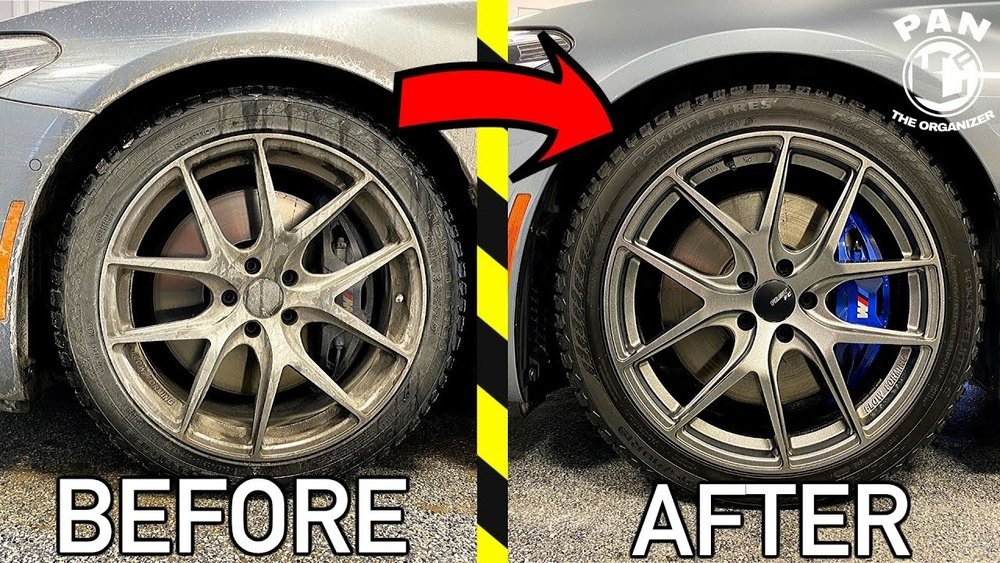
Your wheels and tires face dirt, brake dust, and grime every day. If you want your car to look sharp and well cared for, cleaning them properly is a must.
But how do you get that deep, lasting clean without damaging your rims or tires? In this guide, you’ll discover simple, effective steps to make your wheels and tires shine like new. Whether you’re a beginner or just looking for better results, this post will give you the tips you need to clean your wheels and tires quickly and safely.
Keep reading to unlock the secrets that professional detailers use—and transform your ride’s look today!
Credit: cleantools.net
Tools And Supplies
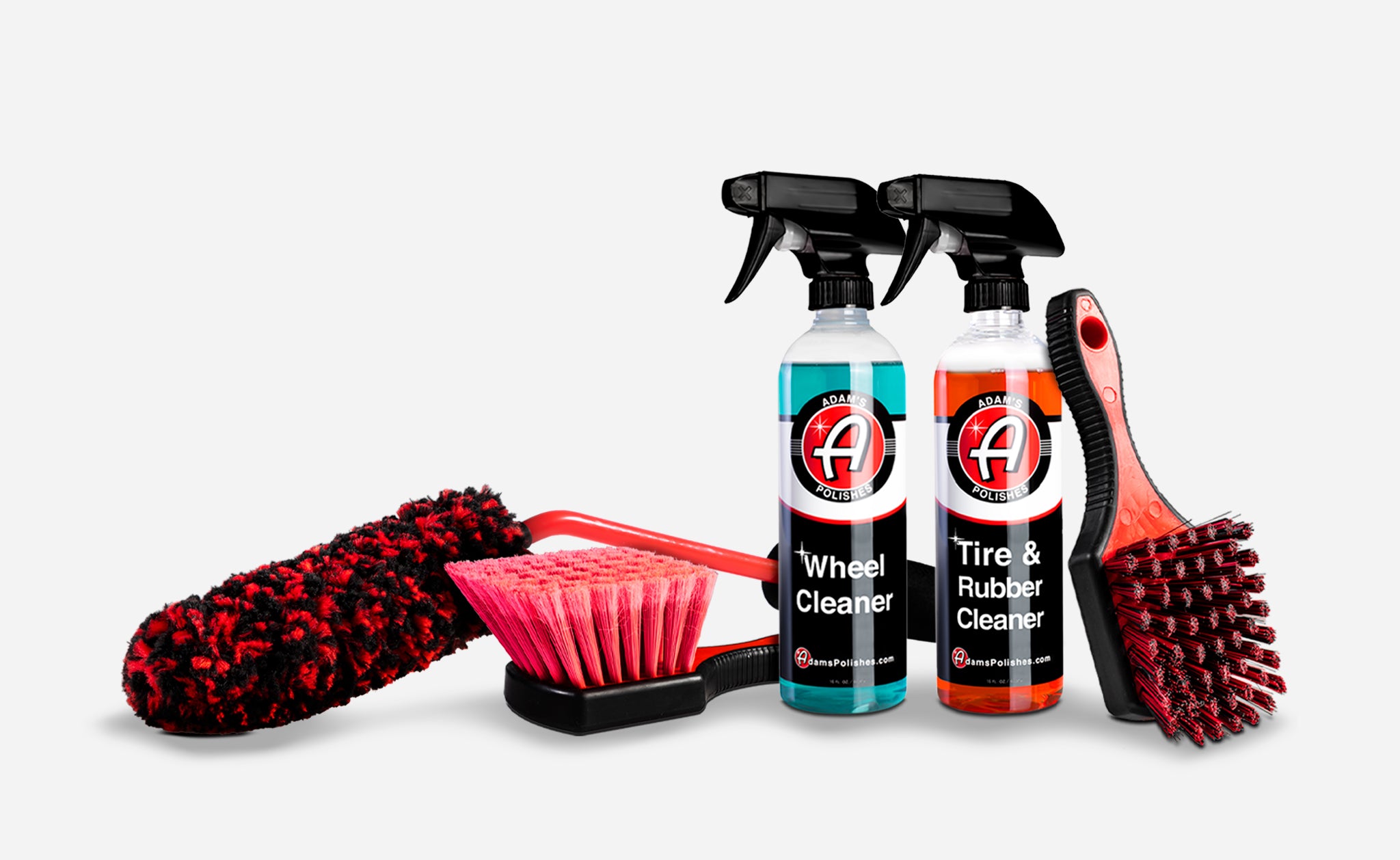
Cleaning your wheels and tires requires the right tools and supplies. Having proper products and equipment makes the task easier and more effective. Using the correct items protects your wheels and tires from damage while removing dirt and grime. This section covers essential cleaning products, brushes, cloths, and protective gear needed for the job.
Essential Cleaning Products
Start with a quality wheel cleaner designed for your wheel type. Choose a non-acidic cleaner for alloy or painted wheels to avoid damage. Tire cleaner helps remove dirt and old tire dressing. Use a mild soap or car shampoo for general cleaning. Avoid harsh chemicals that can harm the finish. Water is necessary for rinsing away dirt and cleaner residue.
Recommended Brushes And Cloths
Use a soft-bristle brush to clean delicate wheel surfaces. A stiff-bristle brush works well on tires to remove grime and brake dust. Detail brushes help reach tight spots and crevices. Microfiber cloths are ideal for wiping and drying wheels without scratching. Avoid rough or abrasive materials that can damage finishes.
Protective Gear
Wear gloves to protect your hands from chemicals and grime. Safety glasses shield your eyes from splashes. Use old clothes or aprons to keep your skin and clothing clean. Good ventilation helps prevent inhaling fumes from cleaning products. Taking precautions keeps the cleaning process safe and comfortable.
Preparing Wheels And Tires
Preparing your wheels and tires is the first important step in cleaning them well. It helps protect the surfaces and makes cleaning easier. Taking time to prepare can save effort and prevent damage. Follow these simple steps to get ready before applying any cleaner or scrub.
Ensuring Wheels Are Cool
Always make sure your wheels and tires are cool before cleaning. Hot wheels can cause cleaning products to dry too fast, leaving spots. Heat may also damage some cleaners or harm the wheel finish. Wait at least 30 minutes after driving for the wheels to cool down.
Removing Loose Dirt And Debris
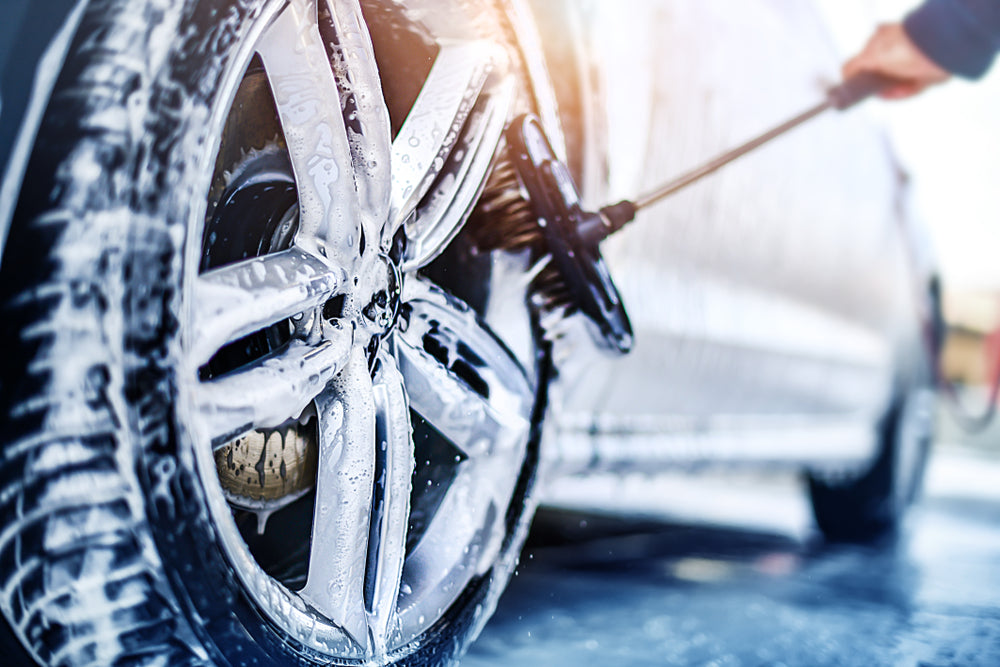
Start by rinsing your wheels and tires with water. Use a hose or pressure washer to wash away loose dirt, dust, and debris. This step prevents scratching the surface during scrubbing. Make sure to clean inside the wheel spokes and around the lug nuts.
Protecting Surrounding Areas
Cover brake parts and delicate areas near the wheels with plastic or cloth. Protect paint and trim from harsh cleaners or splashes. This simple action keeps your car safe while cleaning wheels and tires. It also helps focus cleaning only where needed.
Cleaning Techniques
Cleaning wheels and tires needs the right techniques. Proper methods remove dirt, brake dust, and grime without damaging surfaces. Use gentle but effective cleaning steps for lasting shine. Each technique suits different cleaning needs and stain levels. Follow simple tips to keep wheels and tires looking fresh and new.
Using Dish Soap For Light Cleaning
Dish soap works well for light dirt and dust. Mix a small amount of soap with water in a bucket. Use a soft sponge or cloth to clean wheels and tires. Rinse thoroughly to remove soap and dirt. Avoid harsh scrubbing to protect wheel finishes. This method is good for regular quick cleaning.
Applying Dedicated Wheel Cleaners
Dedicated wheel cleaners target tough brake dust and grime. Choose a cleaner safe for your wheel type. Spray the cleaner evenly on the surface. Let it sit for a few minutes to break down dirt. Do not let the cleaner dry on wheels. Rinse well to wash away all residue and dirt.
Scrubbing Methods For Tough Stains
Use a soft-bristle brush or sponge to scrub tough stains. Focus on areas with brake dust and road grime. Avoid metal brushes or steel wool to prevent scratches. Circular motions help lift dirt without damage. Repeat scrubbing and rinsing until wheels look clean and bright.
Cleaning Tight Spots And Crevices
Tight spots collect dirt and require special attention. Use an old toothbrush or small detailing brush. Gently scrub crevices, lug nuts, and around spokes. This clears hidden dirt and prevents buildup. Rinse carefully to remove loosened grime. Dry wheels and tires to finish the cleaning process.
Handling Brake Dust And Grime
Brake dust and grime build up fast on wheels and tires. They come from the tiny metal particles and dirt from your brakes. This dust sticks to the wheel surface and can harm the finish if not cleaned well. Handling this grime properly keeps wheels looking great and lasts longer. Use safe methods and the right products to remove it without damage.
Choosing The Right Cleaner
Select a cleaner made for wheels and brake dust. Some cleaners are acid-based and work fast on tough grime. Others are gentle and safe for all finishes. Look for pH-balanced cleaners if your wheels have a delicate coating. Avoid harsh chemicals that can fade or damage the paint or chrome. Test the cleaner on a small area first to check for any reaction.
Safe Removal Strategies
Start by rinsing wheels with water to remove loose dirt. Apply your chosen cleaner and let it sit for a few minutes. Use a soft brush or sponge to scrub brake dust gently. Focus on tight spots and corners where dust hides. Rinse the wheels well to wash away all residue. Repeat the process if needed, but avoid scrubbing too hard.
Avoiding Damage To Wheel Finish
Do not use steel wool or abrasive pads; they scratch surfaces. Avoid cleaners with strong acids on painted or coated wheels. Clean wheels when they are cool to prevent streaks and damage. Dry wheels with a soft microfiber cloth to stop water spots. Regular cleaning helps prevent brake dust from baking onto the wheels, keeping them safe and shiny longer.
Tire Cleaning Tips
Cleaning your tires properly keeps your vehicle looking sharp and helps maintain tire health. Tires collect dirt, grime, and sometimes mold release agents from manufacturing. Using the right methods ensures a clean, fresh appearance without damage. Follow these simple tire cleaning tips for the best results.
Removing Mold Release Agents
Mold release agents leave a slippery, oily residue on new tires. They prevent tires from sticking to molds during production but attract dirt later. Use a strong tire cleaner or degreaser to break down this residue. Spray it evenly and let it sit for a few minutes. Then scrub gently with a stiff brush. Rinse thoroughly with water to remove all cleaner and residue.
Scrubbing Tire Sidewalls
Tire sidewalls need special care to avoid damage. Use a soft to medium-bristle brush for scrubbing. Apply a tire cleaner and work the brush in circular motions. Focus on removing dirt, brake dust, and road grime. Avoid harsh chemicals or abrasive pads that can harm the rubber. Rinse the tires well after scrubbing to clear all cleaner and loosened dirt.
Using Tire Dressings Safely
Tire dressings enhance the black shine and protect tires from cracking. Choose water-based dressings for safer use and less mess. Apply dressings with a foam applicator or soft cloth, spreading evenly on dry tires. Avoid spraying on wheel rims or brakes to prevent damage. Use dressings sparingly to prevent buildup and keep tires looking natural.
Credit: adamspolishes.com
Rinsing And Drying
Rinsing and drying wheels and tires is a key step in the cleaning process. This step removes loose dirt and soap residue. Proper rinsing ensures that all grime is washed away. Drying prevents water spots and helps keep the wheels shiny. Using the right techniques and tools makes this job easier and more effective.
Thorough Rinse Techniques
Start rinsing at the top of the wheel to push dirt downward. Use a strong stream of water to remove stuck grime. Pay attention to wheel spokes and tire edges. Avoid spraying too close to avoid damage. Rinse each wheel and tire completely before drying.
Preventing Water Spots
Water spots form when water dries on the surface. To prevent spots, dry wheels quickly after rinsing. Avoid letting water air dry on hot wheels. Use a clean microfiber towel to soak up water. Dry all surfaces, including tight spots and tire grooves.
Drying Tools And Methods
Microfiber towels work best for drying wheels and tires. They absorb water without scratching surfaces. Use a separate towel for wheels and tires. Air blowers can help reach hard areas. Soft brushes can remove water from crevices before drying.
Protecting Wheels After Cleaning
Protecting your wheels after cleaning is essential for lasting shine and durability. Clean wheels look great, but without protection, dirt and brake dust can quickly build up again. Applying a protective layer helps keep wheels cleaner longer and makes future cleaning easier. It also shields the finish from harsh elements like road salt and UV rays. This section explains how to protect your wheels after cleaning for the best results.
Reapplying Wax And Sealants
After cleaning, apply a quality wax or sealant to your wheels. These products form a thin barrier over the surface. The barrier repels water, dirt, and brake dust. Wax provides a glossy finish and makes dirt easier to wash off. Sealants offer longer-lasting protection and are more resistant to heat. Use a soft cloth to apply wax or sealant evenly. Let it dry as per instructions, then buff to a shine. Reapplying wax or sealants regularly keeps your wheels looking fresh.
Benefits Of Wheel Protectants
Wheel protectants save time and effort in the long run. They reduce the need for harsh scrubbing and strong cleaners. Protectants guard against brake dust, road grime, and corrosion. They help maintain the wheel’s original color and finish. Using protectants also minimizes damage from salt and chemicals during winter months. This protection extends the life of your wheels and keeps them looking new. Protectants create a smooth surface, making future cleaning quick and simple.
Frequency Of Protection Maintenance
Maintain wheel protection every few weeks for best results. Apply wax or sealant after every thorough wheel cleaning. In harsh weather or frequent driving, increase the frequency. Check your wheels regularly for signs of dirt or dullness. Reapply protectants if you notice water no longer beads on the surface. Consistent maintenance ensures your wheels stay shielded and beautiful. Set a reminder to protect your wheels as part of your regular car care routine.
Common Mistakes To Avoid
Cleaning wheels and tires seems easy. Yet, many make simple mistakes that harm surfaces or reduce shine. Avoiding these errors keeps wheels looking fresh longer. Careful cleaning protects finish and tire rubber. Below are common mistakes to skip.
Using Abrasive Materials
Abrasion scratches wheel surfaces. Avoid steel wool, rough brushes, or harsh pads. These can damage paint and clear coats. Use soft cloths, sponges, or gentle brushes instead. Soft tools clean dirt without scratching or dulling finish.
Cleaning Hot Wheels
Wheels get hot after driving. Cleaning them while hot causes streaks and spots. Heat speeds drying, leaving marks. Wait for wheels to cool before washing. Cool wheels allow cleaners to work better and rinse off easily.
Overusing Tire Shine Products
Tire shine adds a fresh look but too much is bad. Excess product attracts dust and dirt quickly. Overapplication can cause tires to look oily or sticky. Apply tire shine sparingly and evenly. A light coat lasts longer and looks natural.
Special Considerations
Cleaning wheels and tires requires more than just soap and water. Different materials need special care to keep them looking good and lasting longer. Using the wrong cleaner or method can cause damage. Understanding your wheel type helps you choose the best cleaning approach. This section covers key tips for handling various wheel materials safely.
Cleaning Different Wheel Materials
Wheels come in many materials, each with unique cleaning needs. Painted wheels need gentle cleaners to avoid scratches. Powder-coated wheels resist chemicals but still need soft tools. Avoid harsh brushes that can strip coatings or cause dullness. Always use a cleaner designed for your wheel type. Test any product on a small area first.
Handling Chrome And Alloy Wheels
Chrome wheels need extra care to prevent rust and pitting. Use mild soap and a soft cloth to clean them. Avoid acidic or abrasive cleaners that damage the shiny surface. Alloy wheels collect brake dust quickly. Choose a pH-balanced wheel cleaner to break down grime. Rinse thoroughly to remove all cleaner residue. Dry chrome and alloy wheels with a microfiber towel to prevent water spots.
Dealing With Plastic And Steel Rims
Plastic wheel covers require gentle cleaning to avoid scratches. Use a soft brush or sponge with mild soap. Steel rims can rust if not cared for properly. Use a cleaner that removes rust and dirt without damaging the metal. After cleaning, apply a protective wax or sealant to steel rims. This helps prevent corrosion and keeps rims looking fresh.
Tips For A Long-lasting Shine
Keeping your wheels and tires shining bright takes more than just a good wash. Follow smart tips to keep that fresh look longer. Regular care protects your investment and keeps your vehicle looking great every day. Small habits make a big difference in maintaining a clean, glossy finish on wheels and tires.
Regular Maintenance Schedule
Set a weekly or biweekly cleaning routine for your wheels and tires. Frequent washing prevents brake dust and grime buildup. Use a gentle wheel cleaner and soft brushes for best results. Dry the wheels completely after washing to avoid water spots. Consistent care stops dirt from hardening and damaging the finish.
Spot Cleaning Between Washes
Check your wheels after every drive for dirt or brake dust. Use a quick detailer spray or mild soap solution to remove spots. Clean small areas before grime sets in. This stops stains and corrosion from forming. Spot cleaning keeps wheels looking fresh without full washes all the time.
Storing Wheels Properly
If you remove wheels for storage, clean them thoroughly first. Store them in a cool, dry place away from direct sunlight. Avoid stacking wheels directly on each other to prevent scratches. Use wheel bags or covers to protect the finish. Proper storage preserves shine and extends wheel life.
Credit: www.youtube.com
Frequently Asked Questions
What Can I Use To Clean Wheels And Tires?
Use a dedicated wheel cleaner or mild soap like Dawn dish soap with water. Scrub gently with a soft brush or sponge. Rinse thoroughly and dry to prevent spots. Avoid abrasive tools to protect finishes. Reapply wax or sealant after cleaning for added protection.
Can Dawn Dish Soap Clean Rims?
Yes, Dawn dish soap effectively cleans rims by cutting grease and grime. Use a mild solution, rinse well, and dry immediately. Avoid harsh scrubbing to protect finishes. It may remove wax, so reapply protective coatings after cleaning. For heavy brake dust, consider specialized wheel cleaners.
Can I Use Wd-40 To Clean My Wheels?
WD-40 can clean wheels but may leave oily residue and attract dirt. Use specialized wheel cleaners for best results.
How To Make Your Rims Look Brand New?
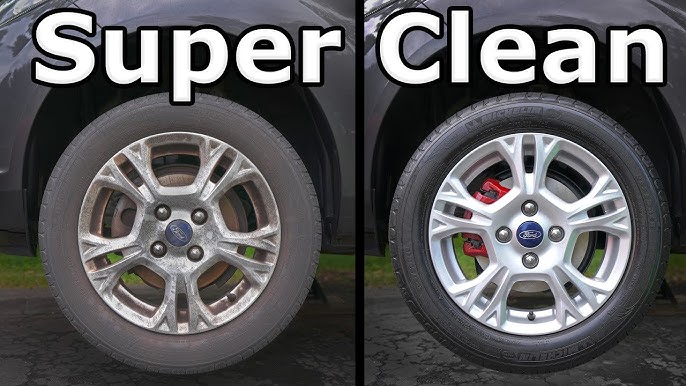
Clean rims by rinsing off dirt, scrubbing with mild soap and a soft brush, then rinsing thoroughly. Dry immediately. Reapply wax to protect finish and maintain shine. Avoid abrasive tools to prevent scratches. Use dedicated cleaners for heavy brake dust.
Regular cleaning keeps rims looking brand new.
Conclusion
Cleaning your wheels and tires keeps your vehicle looking fresh and cared for. Regular cleaning removes dirt, brake dust, and grime effectively. Use gentle tools and cleaners to protect finishes. Rinse and dry thoroughly to avoid spots and damage. Reapply wax or sealant to maintain shine and protection.
Following simple steps saves time and effort while enhancing your car’s appearance. Keep your wheels and tires clean for a smoother, safer drive every day.














