
Ready to bring your car back to its original shine? Stripping paint from a car might seem like a tough job, but knowing the right method can save you time, effort, and frustration.
Whether you’re prepping for a fresh coat or restoring a classic, choosing the best way to strip paint ensures a smooth, clean surface every time. In this guide, you’ll discover practical, easy-to-follow techniques tailored for your needs—helping you achieve professional results without the guesswork.
Stick with me, and by the end, you’ll have the confidence to strip your car’s paint the right way.
Methods To Strip Car Paint
Stripping paint from a car requires choosing the right method for your project. Different techniques suit various types of paint and car surfaces. Understanding these methods helps you remove paint effectively and prepare your car for repainting or restoration.
Sanding Techniques
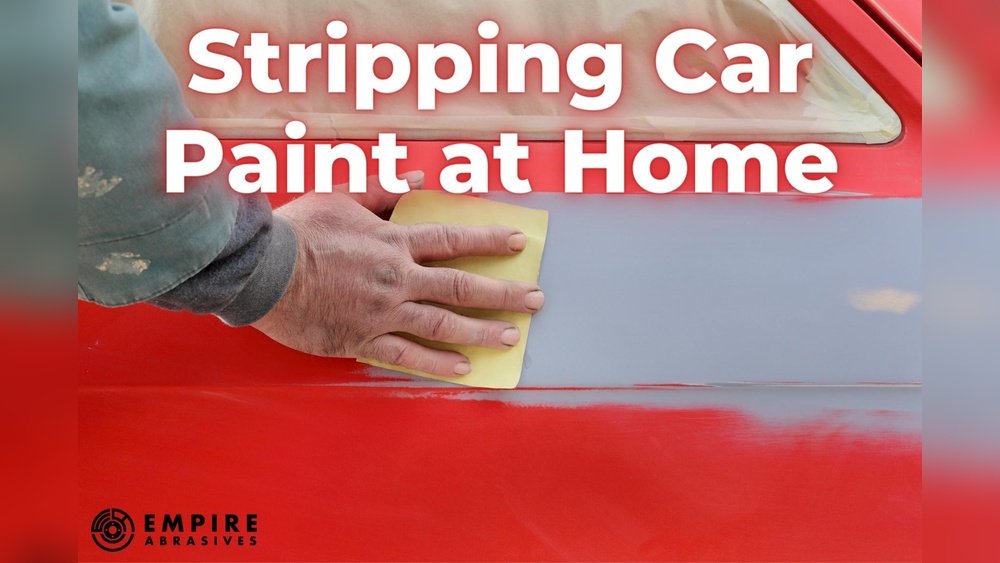
Sanding is a common way to remove paint. It works by grinding away the paint layers. You can use sandpaper or power sanders. Hand sanding is slow but precise. Power sanders speed up the process but need control. Start with coarse grit to remove paint fast. Finish with fine grit to smooth the surface. Always wear a mask to avoid dust inhalation.
Chemical Strippers
Chemical strippers dissolve paint without heavy sanding. Apply the stripper with a brush or spray. Let it sit for the time recommended on the label. The paint will bubble and lift off. Use a plastic scraper to remove the loosened paint. Clean the surface with water or solvent after stripping. Chemical strippers work well on detailed areas and curves.
Media Blasting Options
Media blasting uses high-pressure air to blast abrasive materials. Common media includes sand, glass beads, or baking soda. This method removes paint quickly and reaches tight spots. It also cleans rust and old coatings. Media blasting requires special equipment and safety gear. It is best done outdoors or in a professional shop. This method leaves a clean surface ready for primer.
Heat Gun Usage
Heat guns soften paint for easy removal. Hold the gun a few inches from the surface. Move it slowly to warm the paint evenly. Once the paint bubbles, scrape it off with a putty knife. Heat guns work well on thick paint layers. Avoid overheating to prevent damaging the metal. Use gloves and eye protection for safety.

Credit: www.youtube.com
Tools For Paint Removal
Removing paint from a car requires the right tools. Choosing the best tool speeds up the job. It also protects the car’s surface from damage. Various tools fit different needs and skill levels. Some work better on large areas. Others are ideal for detailed spots. Understanding these tools helps you pick the right one for your project.
Each tool has unique features. Some use power to remove paint quickly. Others use gentle media to avoid harming metal. Learning about these tools ensures a smoother paint removal process.
Power Sanders
Power sanders are electric tools that remove paint fast. They have different grit sandpapers to suit rough or fine sanding. These tools save time on big surfaces. Users must control them carefully to avoid sanding too deep. Power sanders work well for thick paint layers.
Dual-action Sanders
Dual-action sanders spin and orbit at once. This action reduces swirl marks on the car’s surface. They offer better control for beginners. These sanders are good for medium paint removal jobs. They balance speed and surface safety well.
Rotary Sanders
Rotary sanders spin in one direction only. They remove paint faster than dual-action sanders. Experts often use them for heavy paint stripping. They need steady hands to avoid gouging the metal. Rotary sanders are powerful but require experience.
Plastic Media Blasters
Plastic media blasters use soft plastic pellets to strip paint. This method is gentle on the car’s body. It removes paint without damaging metal underneath. Plastic media blasting is eco-friendly and clean. It works well for delicate areas and old cars.
Step-by-step Paint Stripping Process
Stripping paint from a car requires care and the right steps. Following a clear process ensures the best results. This step-by-step guide shows how to remove paint safely and effectively. Each phase prepares the car for the next. The goal is a clean, smooth surface ready for painting or repair.
Preparing The Car Surface
Start by washing the car thoroughly. Remove dirt, grease, and wax using soap and water. Dry the surface completely. Cover areas not to be stripped with masking tape and plastic sheets. Wear gloves and safety glasses. Work in a well-ventilated area. Sand the paint lightly to help the stripper stick better.
Applying Paint Stripper
Choose a paint stripper made for automotive use. Apply it evenly with a brush or spray. Follow the product instructions for the right thickness. Let the stripper sit and soften the paint. This usually takes 15 to 30 minutes. Avoid letting the stripper dry on the surface. Work in small sections to control the process.
Mechanical Removal
Use a plastic scraper to lift the softened paint gently. Avoid metal tools to protect the metal under the paint. For stubborn spots, use a wire brush or sanding block carefully. Electric tools like a dual-action sander can speed this step. Take breaks to check the progress and avoid damage. Remove all loose paint before moving to the next step.
Cleaning And Inspecting
Wash the car again to remove all stripper residue. Use water and a mild detergent. Dry the surface with a clean cloth. Inspect the metal for rust or damage. Repair any issues before repainting. The surface should be smooth and bare. This step ensures the new paint will stick well and last longer.

Credit: www.hotrod.com
Safety Tips And Precautions
Stripping paint from a car involves strong chemicals and physical work. Safety is the top priority to avoid injuries and health risks. Follow these key tips and precautions to protect yourself and the environment during the process.
Protective Gear
Wear gloves to protect your skin from harsh chemicals. Use safety goggles to shield your eyes from splashes. A respirator mask helps prevent inhaling toxic fumes. Long sleeves and pants reduce skin exposure. Proper gear lowers the chance of accidents and health issues.
Handling Chemicals Safely
Read all labels on paint strippers and solvents carefully. Use only the recommended amount to avoid spills. Keep chemicals away from heat and flames. Avoid mixing different chemicals; it can cause dangerous reactions. Store products in a cool, dry place out of children’s reach.
Ventilation Importance
Work outdoors or in a well-ventilated area. Open windows and doors to allow fresh air. Use fans to move air away from your work zone. Good ventilation reduces harmful fumes in the air. It helps you breathe easier and stay alert.
Disposal Of Paint Waste
Collect paint chips and chemical waste carefully. Do not pour leftovers down drains or on the ground. Follow local regulations for hazardous waste disposal. Use designated containers for paint waste. Proper disposal protects the environment and avoids fines.
Common Challenges And Solutions
Stripping paint from a car can be tricky. Various challenges may arise during the process. Understanding common problems helps avoid mistakes. Effective solutions make the job easier and safer. This section covers frequent issues and how to solve them.
Dealing With Cracked Or Peeling Paint
Cracked or peeling paint often needs gentle handling. Start by softening the paint using a chemical stripper. Let it sit as directed to loosen the layers. Use a plastic scraper to remove paint carefully. Avoid metal scrapers that can scratch the surface. Work slowly to prevent damaging the underlying metal or primer.
Removing Paint Transfer
Paint transfer happens when another color sticks to your car’s surface. Use a mild solvent or rubbing compound to dissolve the transfer. Apply with a soft cloth and rub gently. Test on a small area first to check for damage. Repeat as needed but do not scrub too hard. This preserves the original paint underneath.
Avoiding Damage To Metal
Protecting the metal body is crucial during paint removal. Avoid harsh chemicals that can corrode or weaken metal. Always wear gloves and eye protection to stay safe. Use plastic tools instead of metal ones to scrape paint. Keep the surface wet when sanding to reduce heat and dust. Monitor the process to stop before bare metal gets scratched.
Speeding Up The Process
Stripping paint fast saves time and effort. Choose a chemical paint stripper designed for cars. Apply a thick layer evenly over the surface. Use a heat gun carefully to speed up softening, but avoid burning the paint. Work in small sections for better control. Clean the area regularly to remove loosened paint and check progress.
Comparing Paint Stripping Methods
Choosing the right method to strip paint from a car affects cost, time, and results. Various techniques work differently on old or new paint. Some methods suit specific car types better than others. Understanding these differences helps pick the best solution for your project.
Cost And Time Efficiency
Sanding is low-cost but takes more time and effort. Chemical strippers cost more but speed up paint removal. Media blasting falls between, with moderate cost and faster results. Consider your budget and how quickly you need the job done.
Effectiveness On Old Paint
Old paint can be tough and thick. Chemical strippers dissolve layers well, making removal easier. Sanding wears down old paint slowly. Media blasting removes old paint quickly and evenly. Choose a method that handles stubborn layers effectively.
Environmental Impact
Chemical strippers may contain harmful substances and require careful disposal. Sanding creates dust that can harm health without protection. Media blasting uses abrasive materials but produces less toxic waste. Pick an option that fits local environmental rules and personal safety.
Suitability For Different Car Types
Classic cars with delicate surfaces benefit from gentle chemical stripping. Hard metal bodies handle sanding and blasting well. Plastic or fiberglass parts may be damaged by harsh methods. Match the stripping technique to your car’s material for best care.

Credit: www.youtube.com
Frequently Asked Questions
Is It Better To Strip Paint Or Sand It Off?
Stripping paint chemically removes layers quickly and preserves surfaces. Sanding offers control but requires more effort and time. Choose stripping for speed and sanding for precision.
What Is Best For Stripping Car Paint?
The best method for stripping car paint combines chemical paint strippers and power sanding. Media blasting also works well. These remove paint efficiently and prepare the surface for refinishing. Use protective gear and follow safety instructions for best results.
What Is The Quickest Way To Strip Paint?
The quickest way to strip paint uses chemical paint strippers combined with scraping. Power sanding or media blasting also speeds removal effectively.
What Is The Best Way To Strip A Car Down To Bare Metal?
Use chemical paint strippers to soften layers, then remove with a scraper. Follow with sanding or media blasting to reach bare metal. Always wear protective gear and work in a ventilated area for safety and effectiveness.
Conclusion
Stripping paint from a car takes patience and the right tools. Choose a method that fits your skill and car condition. Chemical strippers work well but need careful handling. Sanding can be tiring but gives good control. Media blasting removes paint quickly but requires special equipment.
Always protect yourself with safety gear. Clean the surface thoroughly before repainting. Taking these steps ensures a smooth, clean finish. Your car will look fresh and ready for its new paint job.














