Your car is more than just a way to get from point A to point B—it’s an investment that deserves care and attention. But with so many parts and systems, it’s easy to feel overwhelmed about where to start.
That’s why you need the ultimate car maintenance checklist. This simple guide puts everything you need to know right at your fingertips. From checking your tires to changing fluids, it helps you catch small problems before they become costly repairs.
Ready to save money, avoid breakdowns, and keep your ride running smoothly? Keep reading, because this checklist will change the way you care for your car—starting today.

Credit: detailtheworld.com
Routine Fluid Checks
Routine fluid checks keep your car running smoothly. Fluids lubricate parts, cool the engine, and ensure safety. Checking fluids often helps catch problems early. It prevents costly repairs and breakdowns. Simple checks save time and money. Follow this guide to inspect key fluids regularly.
Engine Oil Levels
Engine oil lubricates moving parts inside the engine. Check oil levels using the dipstick under the hood. Pull it out, wipe clean, then reinsert fully. Pull it out again to read the level. The oil should be between the minimum and maximum marks. Low oil can cause engine damage. Top up with the correct oil type if needed.
Coolant And Antifreeze
Coolant stops the engine from overheating. It also prevents freezing in cold weather. Locate the coolant reservoir and check the level. The fluid should be between the “low” and “full” marks. Never open the radiator cap when the engine is hot. Add a 50/50 mix of antifreeze and water if the level is low.
Brake Fluid Status
Brake fluid transfers force when you press the brake pedal. Check the brake fluid reservoir for proper level. The fluid should be clear or light yellow. Dark or dirty fluid means it needs changing. Low brake fluid can cause brake failure. Refill with the type specified in your owner’s manual.
Power Steering Fluid
Power steering fluid makes steering easier and smoother. Find the power steering fluid reservoir under the hood. Check the fluid level against the marks on the container. Add fluid if it is below the minimum mark. Use the recommended fluid type for your vehicle. Low fluid can cause noisy or stiff steering.
Tire Care Essentials
Proper tire care keeps your car safe and improves fuel efficiency. Tires are the only contact between your vehicle and the road. Regular checks prevent accidents and save money on repairs. Follow these essential steps to maintain your tires in top condition.
Tire Pressure Monitoring
Check tire pressure monthly using a reliable gauge. Inflate tires to the manufacturer’s recommended level. Correct pressure improves handling and reduces wear. Underinflated tires increase fuel consumption and risk of blowouts. Overinflated tires can cause uneven wear and a harsh ride.
Tread Depth Inspection
Inspect tread depth to ensure good traction. Use a tread depth gauge or the penny test. Insert a penny into the tread with Lincoln’s head upside down. If you see the top of his head, replace the tire. Worn tread reduces grip on wet and slippery roads.
Tire Rotation Schedule
Rotate tires every 5,000 to 8,000 miles to promote even wear. Follow your vehicle’s rotation pattern, such as front-to-back or cross-rotation. Regular rotation extends tire life and improves performance. It also helps maintain balanced handling and smooth ride quality.
Seasonal Tire Changes
Switch tires according to the season and driving conditions. Use winter tires in cold, snowy weather for better traction. Summer tires perform best on dry, warm roads. Changing tires seasonally enhances safety and maximizes tire lifespan.
Battery Health Tips
Filters play a vital role in keeping your car running smoothly. They protect the engine and interior from dust, dirt, and harmful particles. Regular filter maintenance improves performance and extends vehicle life. Neglecting filters can reduce fuel efficiency and cause engine problems. Below are key filter checks every car owner should know.
Air Filter Replacement
The air filter stops dust and debris from entering the engine. A clean air filter helps the engine breathe better. Replace it every 12,000 to 15,000 miles or as stated in your car manual. A dirty air filter lowers fuel economy and power. Check the filter visually and swap it if it looks clogged or dirty.
Cabin Air Filter Check
The cabin air filter cleans the air inside your car. It removes pollen, dust, and pollutants. A dirty cabin filter causes bad odors and reduces airflow. Inspect the filter every 15,000 to 20,000 miles. Replace it if you notice less air or strange smells inside the car.
Fuel Filter Inspection
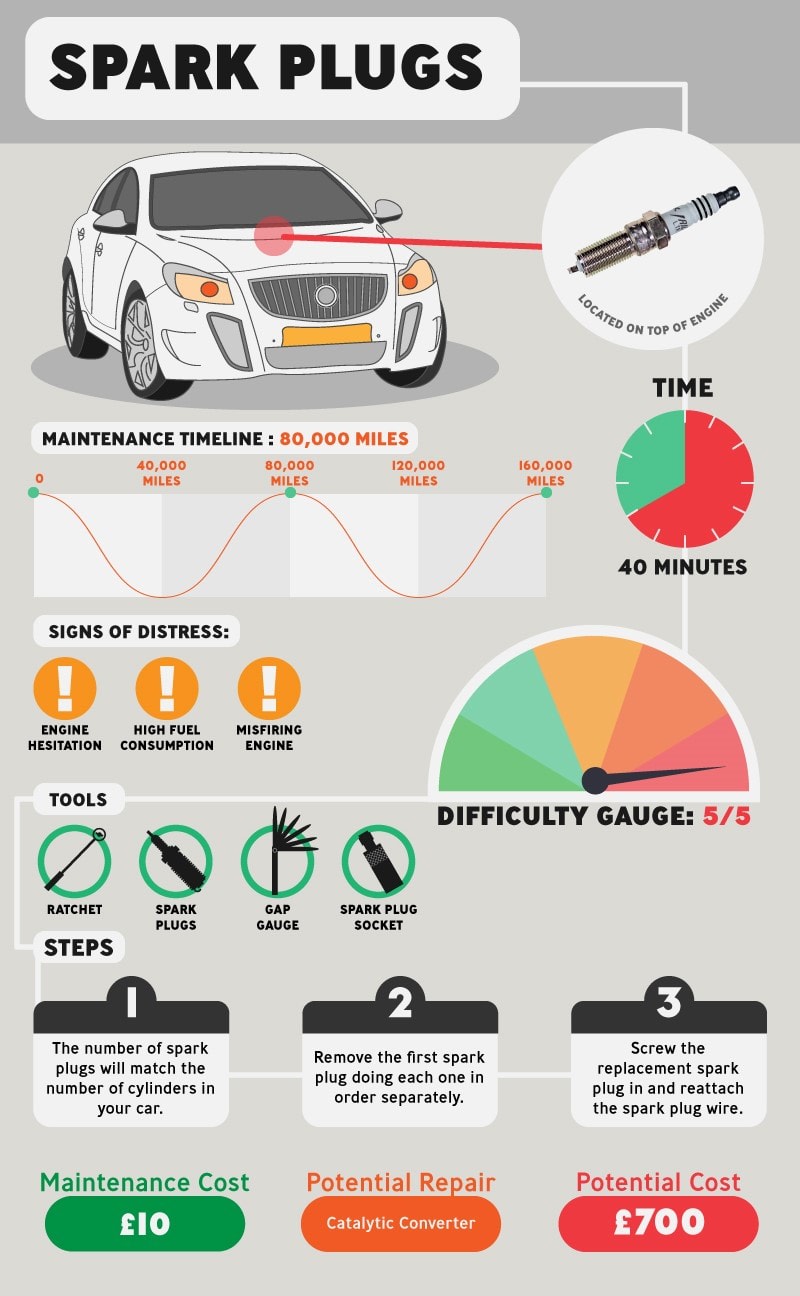
The fuel filter keeps dirt from reaching the engine fuel system. A clean fuel filter ensures smooth fuel flow and engine performance. Most cars need a fuel filter change every 20,000 to 40,000 miles. Signs of a clogged fuel filter include engine stalling and poor acceleration. Have a mechanic check and replace it if needed.
Credit: www.selectcarleasing.co.uk
Filter Maintenance
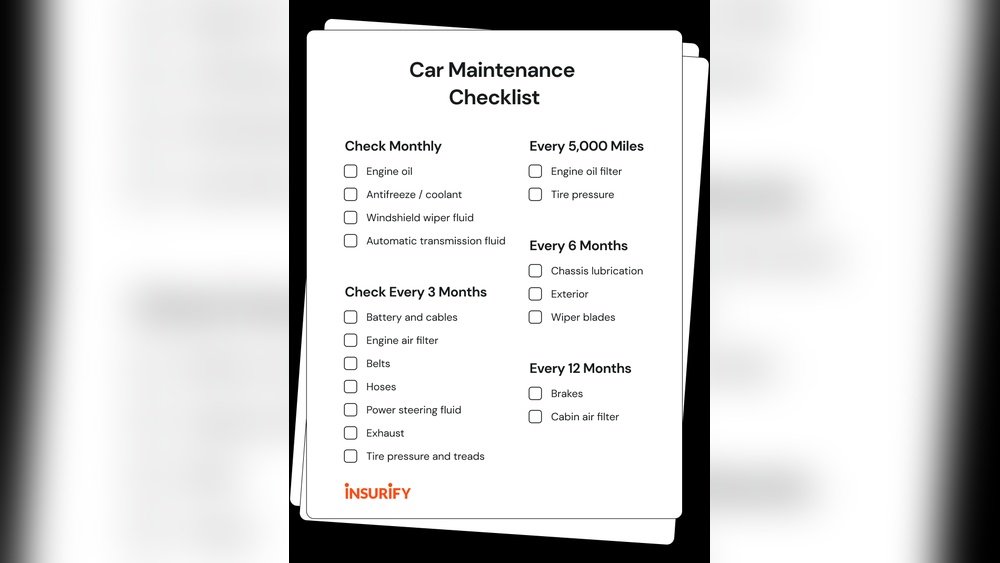
Lighting and electrical systems keep your car safe and reliable. They help you see the road and alert others to your actions. Faulty lights or electrical problems can cause accidents or fines. Regular checks ensure everything works well and lasts longer.
Check all lights and electrical parts often. Replace bulbs or fuses as needed. Pay attention to any dim or flickering lights. Keep the battery and connections clean and secure. These small steps improve safety and avoid costly repairs.
Headlight And Taillight Check
Headlights and taillights must be bright and clear. Test them in a dark area or ask someone to help. Replace burnt-out bulbs quickly. Clean the lenses to remove dirt or fog. Proper lights improve night visibility and signal your presence.
Turn Signals And Brake Lights
Turn signals and brake lights warn other drivers of your moves. Check all signals on both sides of the car. Press the brake pedal and watch the brake lights. Replace any bulbs that do not light up. Working signals reduce the risk of collisions.
Dashboard Indicator Monitoring
Dashboard lights show the status of your car’s systems. Watch for warning lights like battery, engine, or oil alerts. Do not ignore these signs. Address issues early to avoid bigger problems. Keep your car running smoothly and safely.

Credit: insurify.com
Frequently Asked Questions
How Often Should I Perform Car Maintenance Checks?
Regular car maintenance checks should be done every 3,000 to 5,000 miles or as recommended by your vehicle’s manual. Frequent inspections help prevent costly repairs and ensure your car runs smoothly.
What Are The Essential Items On A Car Maintenance Checklist?
Key items include checking oil and coolant levels, inspecting brakes, tires, filters, lights, and battery health. Seasonal checks and fluid replacements are also crucial for optimal performance.
How Can I Tell If My Car Needs An Oil Change?
Signs include dark or dirty oil, engine noise, or the oil change light on your dashboard. Typically, oil should be changed every 3,000 to 7,500 miles depending on your car and oil type.
Why Is Tire Maintenance Important For My Vehicle?
Proper tire care improves fuel efficiency, safety, and tire lifespan. Regularly check tire pressure, tread depth, and alignment to avoid uneven wear and potential accidents.
Conclusion
Keeping your car in good shape takes regular care. Follow this checklist to stay on track. Check fluids, tires, and lights often. Replace worn parts before they cause trouble. Clean your car inside and out for better performance. Small steps now save big expenses later.
Drive safer and enjoy your vehicle longer. Stay consistent, and your car will thank you.