
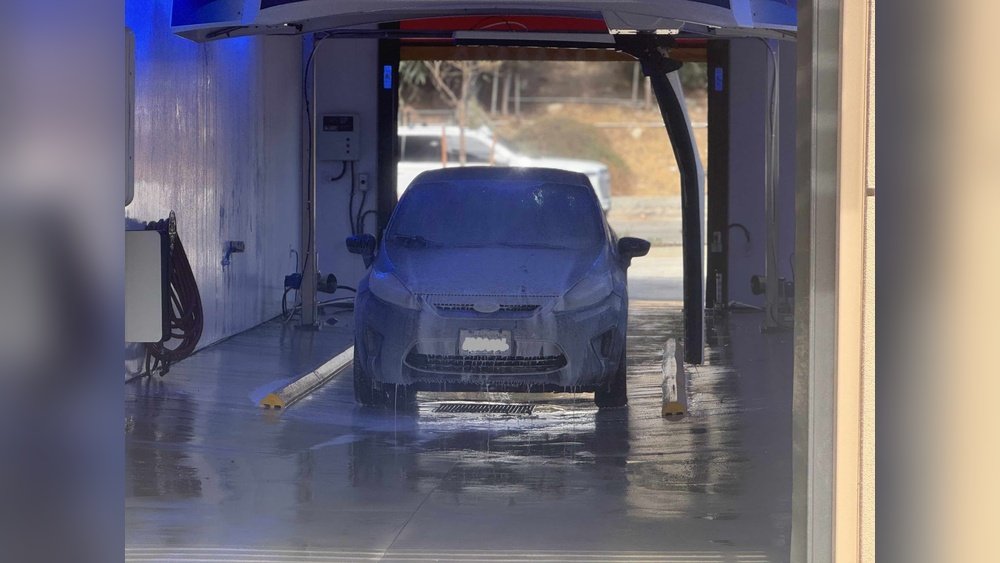
You want your car to look clean and fresh without spending too much time or risking damage to its paint. That’s where a touchless car wash comes in—a modern solution designed to protect your vehicle while giving it a quick, effective clean.
But how well do these washes actually work? Can they handle tough dirt, or are they only good for light cleaning? You’ll discover how touchless car washes operate, their advantages, and where they might fall short. By the end, you’ll know exactly when a touchless car wash is the right choice for your vehicle and when you might need something more thorough.
Keep reading to make the best decision for your car’s care.

Credit: zoomcarwash.com.au
How Touchless Car Washes Work
Touchless car washes clean your vehicle without any brushes or cloths. They rely on powerful water jets and special detergents to remove dirt safely. This method reduces the risk of scratches and swirl marks on your car’s paint. Understanding how these car washes work helps you choose the right option for your vehicle.
High-pressure Water Jets
High-pressure water jets spray strong streams of water on the car. These jets blast away loose dirt and grime from the surface. The pressure helps reach tight spots and corners easily. This step prepares the car for the cleaning chemicals to work better.
Strong Detergents
Special detergents break down stubborn dirt and grease. These soaps are designed to work without scrubbing. They dissolve road film, bugs, and light tar. The chemicals are balanced to clean well without harming your car’s paint or trim.
No Contact Cleaning
No brushes or cloths touch the car during the wash. This means no scratches from abrasive particles caught in brushes. The car stays protected from micro-scratches and swirl marks. The process is gentle but effective for regular cleaning.
Benefits Of Touchless Car Washes
Touchless car washes offer a modern way to clean vehicles without physical contact. This method uses powerful water jets and special detergents to remove dirt safely. Many drivers prefer it for its gentle care and speed. It fits well into busy schedules and helps keep cars looking fresh.
These car washes suit daily maintenance and light cleaning needs. They reduce the risk of scratches and protect your car’s paint. Below are some key benefits of touchless car washes.
Protects Paint Finish
Touchless car washes avoid brushes or cloths on your car’s surface. No scrubbing means fewer scratches and swirl marks. This method uses water pressure and chemicals to clean gently. It keeps the paint smooth and shiny longer. Your vehicle stays in better condition over time.
Quick And Convenient
These car washes clean cars fast, often in just a few minutes. No waiting for brushes to move or dry times. Just drive in, and the system does the work. It saves time on car care and fits busy lifestyles. Perfect for quick visits and regular cleaning.
Ideal For Light Dirt
Touchless washes work best on dust, pollen, and light road grime. They rinse away loose dirt without harsh scrubbing. For heavy mud or sticky bugs, they may not clean fully. Still, they keep your car looking neat between deeper washes. Use them often to maintain a clean look.
Limitations Of Touchless Car Washes
Touchless car washes offer a convenient and scratch-free cleaning method. They use high-pressure water and chemicals to clean vehicles without physical contact. Despite these benefits, there are some limitations to consider. These can affect the overall cleaning quality and car surface condition.
Struggles With Heavy Grime
Touchless car washes often find it hard to remove thick dirt and stubborn stains. Mud, bugs, tar, and tree sap may not come off completely. Without brushes, the cleaning relies on water pressure and chemicals alone. This can leave a film of dirt or residue on the car’s surface.
Use Of Harsh Chemicals
Strong detergents are necessary to break down tough grime without scrubbing. These harsh chemicals can damage sensitive parts like plastic trims and rubber seals. Over time, repeated exposure may cause fading or cracking. Some users may prefer gentler cleaning methods for delicate vehicle areas.
Potential Water Spots
Touchless washes often use recycled water that contains minerals. After washing, these minerals can leave water spots on the car. Without proper drying, the spots may become visible and affect the car’s appearance. This issue is common in many automatic wash systems, not just touchless ones.
Touchless Vs Soft-touch Car Wash
Choosing between a touchless and a soft-touch car wash depends on your cleaning needs and care for your vehicle. Both types offer unique benefits and some drawbacks. Understanding their differences helps pick the right option for your car.
Cleaning Effectiveness
Touchless car washes use high-pressure water and strong detergents. They quickly remove light dirt and dust. Soft-touch washes add gentle brushes or cloths. These help scrub off tougher grime, bugs, and tar. Soft-touch washes often clean deeper than touchless ones.
Risk Of Vehicle Damage
Touchless washes avoid physical contact with your car. This lowers the chance of scratches or swirl marks. Soft-touch washes use soft brushes that are less abrasive than old-style brushes. Still, dirty brushes might cause minor scratches. Touchless washes are safer for delicate paint finishes.
Chemical Impact
Touchless washes rely on stronger chemicals to break dirt without scrubbing. These chemicals can harm plastic trims or rubber if used often. Soft-touch washes use milder soaps because brushes help remove dirt. This makes soft-touch washes gentler on your vehicle’s materials.
Best Practices For Using Touchless Car Washes
Using a touchless car wash correctly helps keep your vehicle clean and safe. These washes use strong water pressure and special soaps. They clean without touching the car’s surface, which prevents scratches. Still, knowing when and how to use them is key for the best results.
When To Choose Touchless
Touchless car washes work well for light dirt and dust. They clean gently without harming paint or trim. Use touchless washes after short drives or daily commutes. They save time and avoid scratches caused by brushes. This method is perfect for cars with delicate finishes or recent paint jobs.
When To Opt For Hand Wash
Hand washing suits cars with heavy dirt, mud, or bug stains. It removes tough grime better than touchless systems. Choose hand wash for deep cleaning or if your car has sticky substances. A gentle hand wash also lets you check for damage or scratches. It takes more time but gives a thorough clean.
Combining Wash Methods
Mixing touchless and hand wash methods works well. Start with a touchless wash to remove loose dirt. Follow with a hand wash for spots and stubborn grime. This approach keeps your car safe and clean. It balances convenience with detailed care, helping your vehicle look its best.

Credit: www.juboinc.com
Common Myths About Touchless Car Washes
Many people have doubts about touchless car washes. These doubts often come from myths rather than facts. Clearing up these myths helps car owners choose the right wash for their vehicle. Below are some common myths about touchless car washes and the real answers.
Are They Ineffective?
Some believe touchless car washes do not clean well. This is not true. They use high-pressure water jets and strong detergents. These tools remove most dirt and dust safely. However, they might struggle with heavy grime or stubborn stains like bugs or tar. For regular cleaning, touchless washes work fine. For deep cleaning, other methods may be better.
Do They Damage Trim?
A common fear is that chemicals in touchless washes harm car trim. Most modern touchless systems use safe detergents. They are tested to avoid damage to plastics and rubber. Still, very strong chemicals used too often might cause wear over time. Using touchless washes occasionally is safe for your car’s trim. Avoid harsh cleaners or frequent use to protect delicate parts.
Residue And Film Concerns
Some worry that touchless washes leave a residue or film on the car’s surface. This can happen if the water is not rinsed properly or if recycled water has minerals. Residue is more common with heavy dirt or poor drying. Using a good drying method after the wash helps. Touchless car washes generally do not leave harmful films if done right.
Choosing The Right Touchless Car Wash Service
Choosing the right touchless car wash service ensures your vehicle stays clean and protected. Not all touchless washes are equal. Some use harsh chemicals that can harm your car’s finish. Others may have water with high mineral content that leaves spots. It is important to consider several factors before deciding. These include the quality of chemicals used, water standards, and feedback from local customers.
Checking Chemical Quality
Good touchless car washes use gentle, effective chemicals. These detergents break down dirt without damaging paint or trim. Avoid places that use strong acids or alkalis. Such chemicals can wear down your car’s surface over time. Ask the service about their soap types. Look for biodegradable and eco-friendly options. Safe chemicals protect your car and the environment.
Water Quality Considerations
Water quality plays a big role in the final result. Hard water with many minerals can leave spots after drying. Some car washes use filtered or softened water to avoid this. Others recycle water but include treatments to reduce minerals. Choose a service that manages water quality well. Spot-free water means a cleaner, shinier car. It also reduces the need for extra drying or wiping.
Local Service Reviews
Reviews from nearby customers offer real insights. They reveal how well the car wash cleans and cares for vehicles. Pay attention to comments about paint protection and spot issues. Look for consistent positive feedback over time. Negative reviews about chemical damage or poor cleaning are red flags. Local reviews help find trustworthy and reliable touchless car washes near you.

Credit: tommys-express.com
Maintaining Your Car Between Washes
Maintaining your car between washes helps keep it looking fresh and protects its finish. Regular care reduces dirt buildup and prevents damage from contaminants. Simple steps make a big difference in preserving your car’s shine and value.
Regular Dust Removal
Dust can settle quickly on your car’s surface. Use a soft microfiber cloth or a gentle car duster to remove dust daily. This prevents dirt from becoming sticky or abrasive. Avoid wiping with dry hands or rough materials that can cause scratches.
Protective Coatings
Applying wax or sealant adds a protective layer to your paint. It repels water, dirt, and UV rays. Protective coatings make future cleaning easier and keep your car shiny longer. Reapply wax every few months for best results.
Spot Cleaning Tips
Remove bird droppings, bug splatter, and tree sap quickly. Use a mild car cleaner and a soft cloth to spot clean. Avoid harsh scrubbing that can damage paint. Prompt cleaning prevents stains and permanent marks.
Frequently Asked Questions
Do Touchless Car Washes Really Work?
Yes, touchless car washes use high-pressure water and strong detergents to clean without brushes. They protect paint but may not remove heavy grime effectively. Ideal for light dirt and quick washes, but hand or soft-touch washes suit deep cleaning better.
What Are The Negatives Of A Touchless Car Wash?
Touchless car washes may leave residue and water spots. They struggle with heavy grime like mud, bugs, and tar. Strong chemicals can damage trim over time. They suit light cleaning but not deep dirt removal.
Are Touchless Car Washes Hard On Your Paint?
Touchless car washes reduce scratches by avoiding brushes but use strong detergents that may harm trim over time. They suit light cleaning but struggle with heavy grime, requiring occasional hand or soft-touch washes for deep cleaning.
How Much Does An Automatic Touchless Car Wash Cost?
An automatic touchless car wash typically costs between $7 and $15. Prices vary by location and services included.
Conclusion
Touchless car washes offer a fast, gentle way to clean your vehicle. They avoid scratches by using water jets and special soaps. These washes work well for light dirt and daily upkeep. Tough grime like mud or bugs may need extra attention.
Using touchless washes often keeps your paint safe and shiny. For a deep clean, try hand washing or soft-touch washes. Choose the right wash based on your car’s condition and needs. Keeping your car clean has never been easier or safer.














