You want your car to look stunning and stay protected for years to come. Ceramic coating is the secret weapon that can give your vehicle a glossy, showroom shine while shielding it from dirt, UV rays, and harsh weather.
But how do you apply it yourself without making costly mistakes? This guide breaks down the process into simple, easy steps you can follow at home. Keep reading, and you’ll discover how to transform your car’s appearance and protect your investment like a pro—no expensive detailer needed.
Ready to make your car shine like never before? Let’s dive in!
Credit: ethoscarcare.com
Benefits Of Ceramic Coating
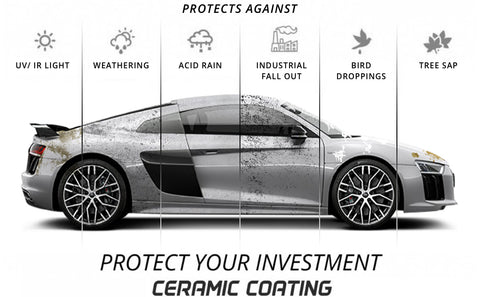
Ceramic coating offers many benefits that protect and improve your car’s appearance. This protective layer bonds with the paint, creating a strong shield. It helps keep your car looking new for longer. The benefits go beyond just protection, adding value and ease to car care.
Long-lasting Paint Protection
Ceramic coating creates a durable barrier against scratches and dirt. It resists damage from UV rays and harsh weather. This protection helps prevent fading and oxidation. The coating lasts for years, unlike wax or sealants. Your car’s paint stays safe and vibrant.
Enhanced Gloss And Shine
The coating adds a deep, glossy finish to your paint. It enhances the color and makes it look wet and shiny. This shine stands out even after washing. It gives your car a fresh, polished look all the time.
Easier Cleaning And Maintenance
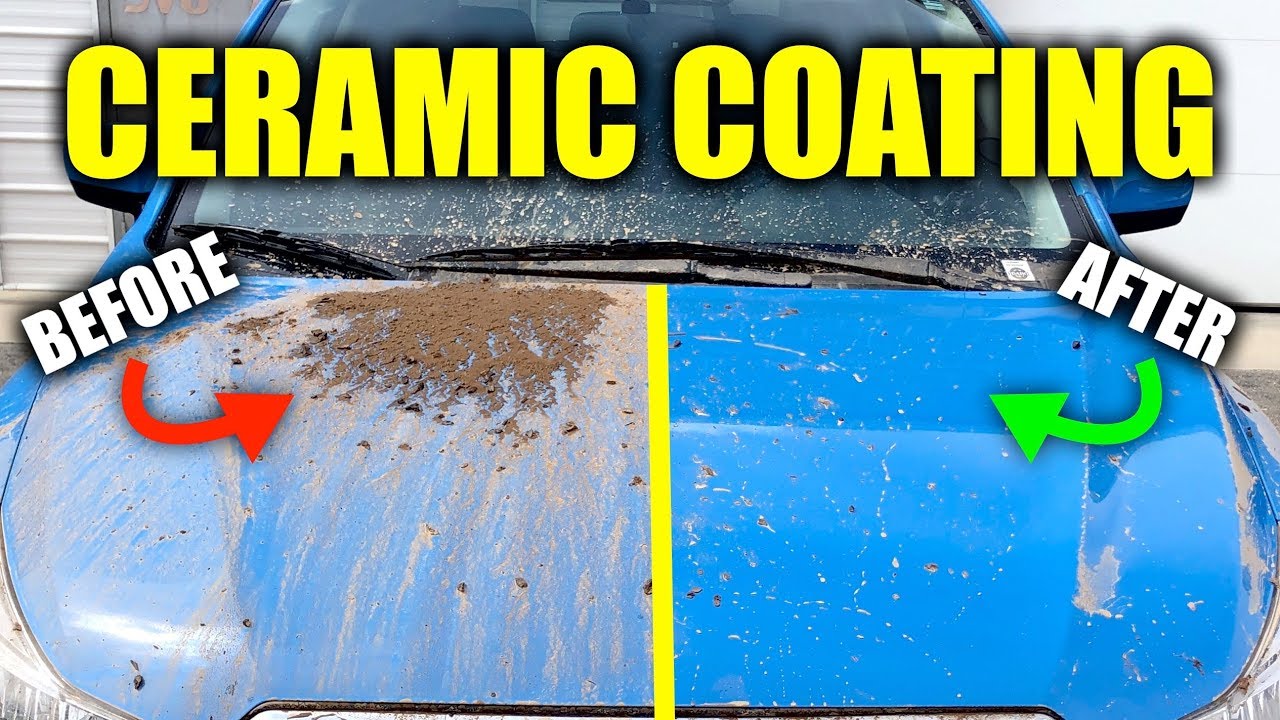
Water and dirt slide off easily from the coated surface. This reduces the time and effort needed for washing. The coating repels stains and contaminants. You spend less time scrubbing and more time enjoying your car.
Preserving Resale Value
A well-maintained exterior keeps your car looking newer longer. Ceramic coating protects against damage that lowers value. Buyers notice a shiny, protected paint job. This can help you get a better price when selling.
Essential Tools And Materials
Ceramic coating your car needs specific tools and materials. These items help apply the coating evenly and protect your vehicle’s paint. Preparing well ensures a smooth process and long-lasting results.
Gather all essentials before you start. This saves time and avoids interruptions during application. The right products and tools also improve the coating’s durability and shine.
Ceramic Coating Products
Choose a high-quality ceramic coating product. Look for brands with good reviews and clear instructions. Pick a product that matches your car’s paint type. Some coatings suit matte finishes, while others work best on glossy paint.
Check the product’s durability and protection level. Most coatings protect against scratches, UV rays, and dirt. A good ceramic coating will keep your car shiny for months or years.
Cleaning Supplies
Clean your car thoroughly before applying the coating. Use car shampoo designed to remove dirt without damaging paint. A clay bar helps remove tiny particles stuck on the surface. This step is crucial for smooth coating adhesion.
Use isopropyl alcohol or a panel wipe to remove oils and residues. Make sure the surface is dry and spotless before moving to the next step. Cleanliness affects how well the ceramic coating bonds to the paint.
Application Tools
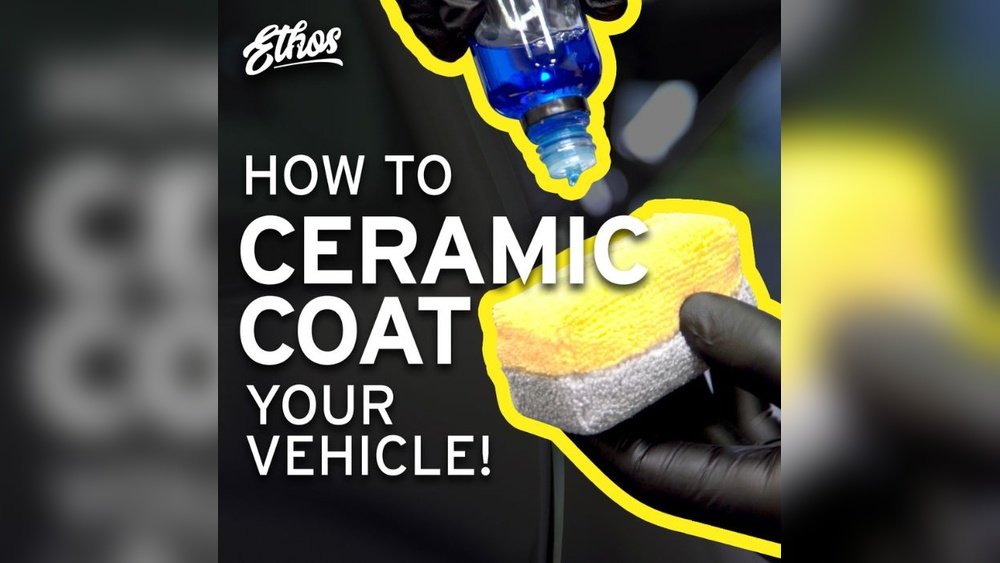
Use a foam applicator pad to apply the ceramic coating. These pads spread the product evenly without wasting it. Microfiber towels help wipe off excess coating and buff the surface.
Have several clean microfiber cloths ready. Avoid using old or dirty towels to prevent scratches. A small spray bottle with distilled water can help control the coating’s spread.
Protective Gear
Wear nitrile gloves to protect your hands from chemicals. Ceramic coatings contain strong solvents that can irritate skin. Use safety glasses to shield your eyes from splashes.
Work in a well-ventilated area to avoid breathing in fumes. A mask can add extra protection, especially indoors. Proper safety gear keeps you safe and comfortable during application.
Preparing Your Car
Preparing your car is the most important step before applying a ceramic coating. It ensures the coating bonds well and lasts longer. Clean and smooth surfaces create the best results.
Skipping preparation can trap dirt or oils under the coating. These imperfections can damage the paint over time. Proper prep helps your car look shiny and new.
Thorough Washing
Start with a deep wash using car shampoo and water. Remove all loose dirt and grime from the surface. Use a soft sponge or mitt to avoid scratches. Rinse well to remove soap residues. Dry the car with a clean microfiber towel.
Clay Bar Treatment
Use a clay bar to remove bonded contaminants. These include tar, tree sap, and industrial fallout. Spray lubricant on a small area and gently rub the clay bar. This step leaves the paint feeling smooth and clean. It prepares the surface for the next steps.
Paint Correction
Fix swirl marks, scratches, and oxidation with paint correction. Use a polishing compound and a machine polisher or hand applicator. Work in small sections and wipe off residue. This step restores the paint’s shine and clarity.
Surface Decontamination
Apply a surface prep solution or panel wipe. This removes oils, polish residues, and dust left on the paint. Use a clean microfiber cloth to wipe the car panel by panel. The surface must be free of any contaminants before coating.
Application Process
The application process is a key step in ceramic coating your car. It demands attention and care to achieve the best results. Proper preparation and method can protect your vehicle’s paint for years. Each phase affects the coating’s durability and shine.
Choosing The Right Environment
Select a clean, dust-free area to apply the coating. Avoid direct sunlight and wind. A shaded, well-ventilated garage works best. Stable temperature between 60°F and 75°F helps the coating bond properly. High humidity or cold can cause poor curing.
Applying The Coating
Use a microfiber applicator or foam pad for smooth application. Apply a few drops of ceramic coating on the applicator. Work in small sections, about 2×2 feet each. Spread the coating evenly with light pressure. Overlap strokes to avoid missed spots.
After applying, wait 1-2 minutes for the coating to flash. Flashing looks like a rainbow or haze on the paint. Use a clean microfiber cloth to gently buff off excess coating. Do not leave any residue, as it can harden and cause streaks.
Curing Time And Conditions
Allow the coating to cure without disturbance. Avoid water, dust, or touching the surface for at least 24 hours. Ideal curing time is 48 hours for full hardness. Keep the car indoors or under cover during this time. Proper curing ensures maximum protection and gloss.
Multiple Layer Application
Applying multiple layers boosts durability and shine. Wait at least 1 hour between layers for the first 2-3 coats. Some brands allow up to 24 hours between layers. Follow the product’s instructions exactly. More layers mean better protection but need careful application.
Each layer adds depth and strengthens the coating’s resistance. Avoid rushing or applying too thick layers. Thin, even coats work best for long-lasting results.
Aftercare And Maintenance
After you apply a ceramic coating to your car, proper aftercare is essential. This step keeps the coating strong and your car looking shiny longer. Neglecting maintenance can reduce the coating’s effectiveness. Follow simple care routines to protect your investment and maintain a glossy finish.
Proper Washing Techniques
Use a pH-neutral car shampoo to wash your vehicle. Avoid strong detergents that can harm the coating. Always rinse the car with clean water before washing. Use a soft microfiber mitt to gently clean the surface. Dry the car using a microfiber towel to prevent water spots. Wash your car regularly to remove dirt and contaminants.
Avoiding Harsh Car Washes
Steer clear of automatic car washes with brushes. These can scratch and weaken the ceramic coating. Touchless car washes are safer but may still leave residue. Hand washing is the best way to preserve the coating. Avoid abrasive sponges or dirty cloths during cleaning. Protect your car from harsh chemicals or acid rain as much as possible.
Regular Inspections
Check your car’s surface often for dirt, stains, or damage. Look for water spots or small scratches. Early detection helps prevent bigger problems. Use a flashlight to inspect the coating in the shade. Note any areas where the coating looks dull or worn. Address issues quickly to keep your car protected.
Touch-ups And Reapplications
Some ceramic coatings need reapplication after months or years. Follow the manufacturer’s instructions for timing. Clean the surface thoroughly before applying new coating layers. Use a small amount of product for touch-ups on worn spots. Regularly refreshing the coating extends protection and shine. Keep a bottle of ceramic coating for easy maintenance.
Credit: www.youtube.com
Common Mistakes To Avoid
Ceramic coating your car can protect its paint and keep it shiny longer. Avoiding common mistakes helps the coating last and look its best. Many people make simple errors that reduce the coating’s effectiveness. Understanding these mistakes leads to better results and saves time and money.
Skipping Prep Work
Preparation is the most important step before ceramic coating. Dirt, grease, and old wax must be removed first. Skipping this step causes poor coating adhesion. The coating will peel or show uneven spots. Always wash, clay bar, and use a panel wipe. Clean paint means a smooth, lasting finish.
Applying In Direct Sunlight
Applying ceramic coating under direct sunlight causes problems. The heat makes the coating dry too fast. This leads to streaks and hard-to-remove spots. Work in a shaded or indoor area for best results. Cooler surfaces allow the coating to bond properly and cure evenly.
Using The Wrong Tools
Using incorrect tools can ruin the coating process. Avoid cheap or dirty applicators. Use soft microfiber cloths and proper foam applicators. These tools spread the coating evenly without scratching. Clean tools also prevent dust and debris from getting trapped.
Rushing The Process
Patience is key when ceramic coating your car. Rushing causes missed spots and poor coverage. Follow the product instructions carefully. Allow proper curing time between layers. Slow, steady application ensures a smooth, durable protective layer.
Cost Considerations
Understanding the costs involved in ceramic coating your car is important. It helps you plan your budget and choose the best option. Costs vary depending on how you apply the coating, the products you use, and the time you spend. Knowing these factors can save you money and ensure a good finish.
Diy Vs Professional Application
Applying ceramic coating yourself costs less upfront. You only pay for the product and supplies. You avoid labor fees charged by professionals. Yet, it requires careful work and patience. Mistakes can reduce the coating’s effectiveness.
Professional application costs more. Experts charge for skill, equipment, and time. They prepare your car’s surface thoroughly. The result is usually more durable and even. This option suits those who want convenience and quality.
Product Pricing
Prices for ceramic coating products vary widely. Basic kits start around $50 to $100. Premium brands can cost $150 or more. Higher-priced products may offer better protection and shine. Choose a product that matches your needs and budget.
Consider additional supplies like applicator pads and panel wipes. These small costs add up but improve application results. Avoid the cheapest products that may not last long.
Time Investment
DIY ceramic coating takes several hours or even days. Surface cleaning and paint correction add to the time. Each coat needs time to cure properly. Rushing can cause poor adhesion and spots.
Professional services usually complete the job in one or two days. They have experience and tools to work faster. This saves you time but increases the price.
Comparing Ceramic Coating With Other Options
Ceramic coating offers strong protection for your car’s paint. It lasts longer than many other options and creates a hard, shiny layer. Understanding how ceramic coating compares with wax and paint protection film helps you decide the best choice for your vehicle. Each option has unique features and benefits.
Choosing the right protection depends on your needs, budget, and how much time you want to spend on maintenance. The following sections explain key differences between ceramic coating, wax, and paint protection film.
Wax Vs Ceramic Coating
Wax is a traditional choice for paint protection. It gives a nice shine but wears off quickly. You must apply wax every few weeks or months.
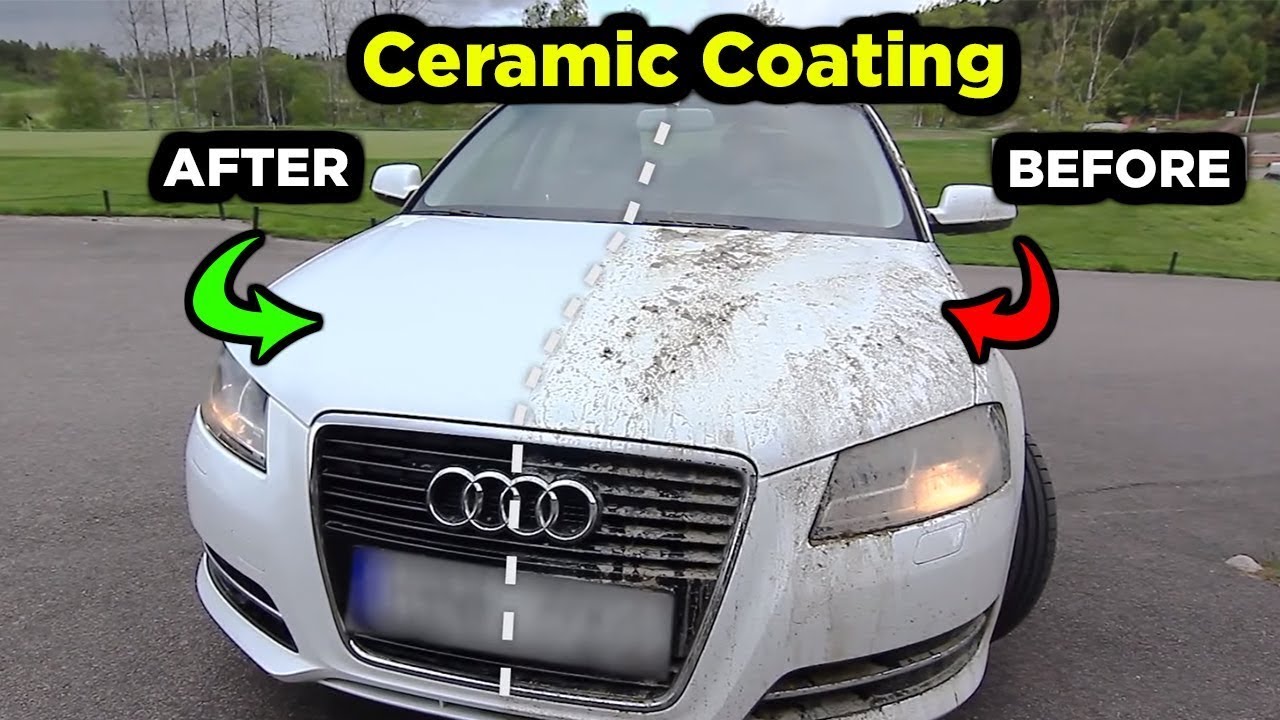
Ceramic coating lasts much longer, often years with proper care. It forms a hard, protective layer that resists dirt, water, and minor scratches better than wax. Ceramic coating also makes cleaning easier.
Wax is cheaper and simple to use. Ceramic coating costs more and needs careful application. The investment in ceramic coating pays off in durability and less frequent reapplication.
Paint Protection Film Vs Ceramic Coating
Paint protection film (PPF) is a clear, thick plastic layer applied to the car’s surface. It protects against rock chips and deep scratches effectively.
Ceramic coating does not prevent all damage but adds a strong, glossy finish. It guards against light scratches, UV rays, and chemical stains.
PPF is usually more expensive and harder to install. It requires professional help. Ceramic coating can be applied at home with proper preparation.
Both can be used together for maximum protection. PPF handles physical damage, and ceramic coating protects the paint and adds shine.
Credit: www.carwashgenie.com
Frequently Asked Questions
Can I Do Car Ceramic Coating Myself?
Yes, you can ceramic coat your car yourself. Clean, clay bar, decontaminate, dry thoroughly, then apply coating as per instructions.
Can I Go Through A Regular Car Wash With Ceramic Coating?
Avoid regular automatic car washes with brushes as they can damage ceramic coating. Opt for hand washing or touchless washes to preserve its durability and shine.
Is It Worth Getting A Ceramic Coating On A Car?
Ceramic coating protects paint with a durable, glossy layer that repels dirt and water. It eases cleaning and preserves your car’s appearance longer. Though it costs upfront, it enhances shine and maintains resale value, making it a worthwhile investment for many car owners.
What’s The Cost To Ceramic Coat A Car?
Ceramic coating a car typically costs between $500 and $2,000, depending on size and quality. Premium packages may exceed $2,500.
Conclusion
Applying a ceramic coat protects your car’s paint and keeps it shiny. Clean the surface well before starting the coating process. Use gentle, even strokes for the best results. Let the coating cure fully to ensure strong protection. Regular maintenance helps your ceramic coat last longer.
This simple step improves your car’s look and durability. Ceramic coating adds value and saves time on cleaning. Try it yourself and enjoy a cleaner, brighter car every day.