If you’ve ever applied a ceramic coating to your car, you know how amazing it can make your vehicle look—shiny, smooth, and protected. But what if you need to remove it?
Maybe the coating is old, damaged, or just not performing as you expected. Removing ceramic coating isn’t as simple as washing your car. It takes the right approach to avoid harming your paint and to restore your car’s surface properly.
You’ll discover easy, effective ways to remove ceramic coating from your car. Whether you want to start fresh or fix a coating gone wrong, these tips will guide you step-by-step. Keep reading to learn how to get your car’s finish back to perfect condition.
Reasons To Remove Ceramic Coating
Removing ceramic coating from your car can be necessary for several reasons. Understanding why you might need to do this helps you choose the right removal method. This section covers the main reasons that lead car owners to strip off the coating.
Coating Damage And Wear
Ceramic coatings can wear down over time. Harsh chemicals or rough cleaning tools may damage the coating. Exposure to UV rays and contaminants also weakens it. When the coating loses its protective qualities, removal becomes important. This allows for reapplication or full restoration of the paint.
Surface Appearance Issues
Sometimes, the surface looks dull or uneven despite the coating. Poor application can cause spots or streaks. Dirt and grime may stick more than expected. These issues affect the car’s shine and smoothness. Removing the coating helps fix surface flaws and restore a clear finish.
Upgrading Or Changing Coatings
New ceramic coatings with better technology become available. Some car owners want a different look or stronger protection. To apply a new product, the old coating must be removed first. This ensures the new coating bonds well and performs at its best.

Credit: avalonking.com
Signs Your Coating Needs Removal
Knowing when to remove the ceramic coating from your car helps keep your vehicle looking its best. Over time, coatings wear down and lose their protective qualities. Watching for certain signs can prevent damage and restore your car’s shine.
Here are the key indicators your ceramic coating needs removal.
Loss Of Hydrophobic Properties
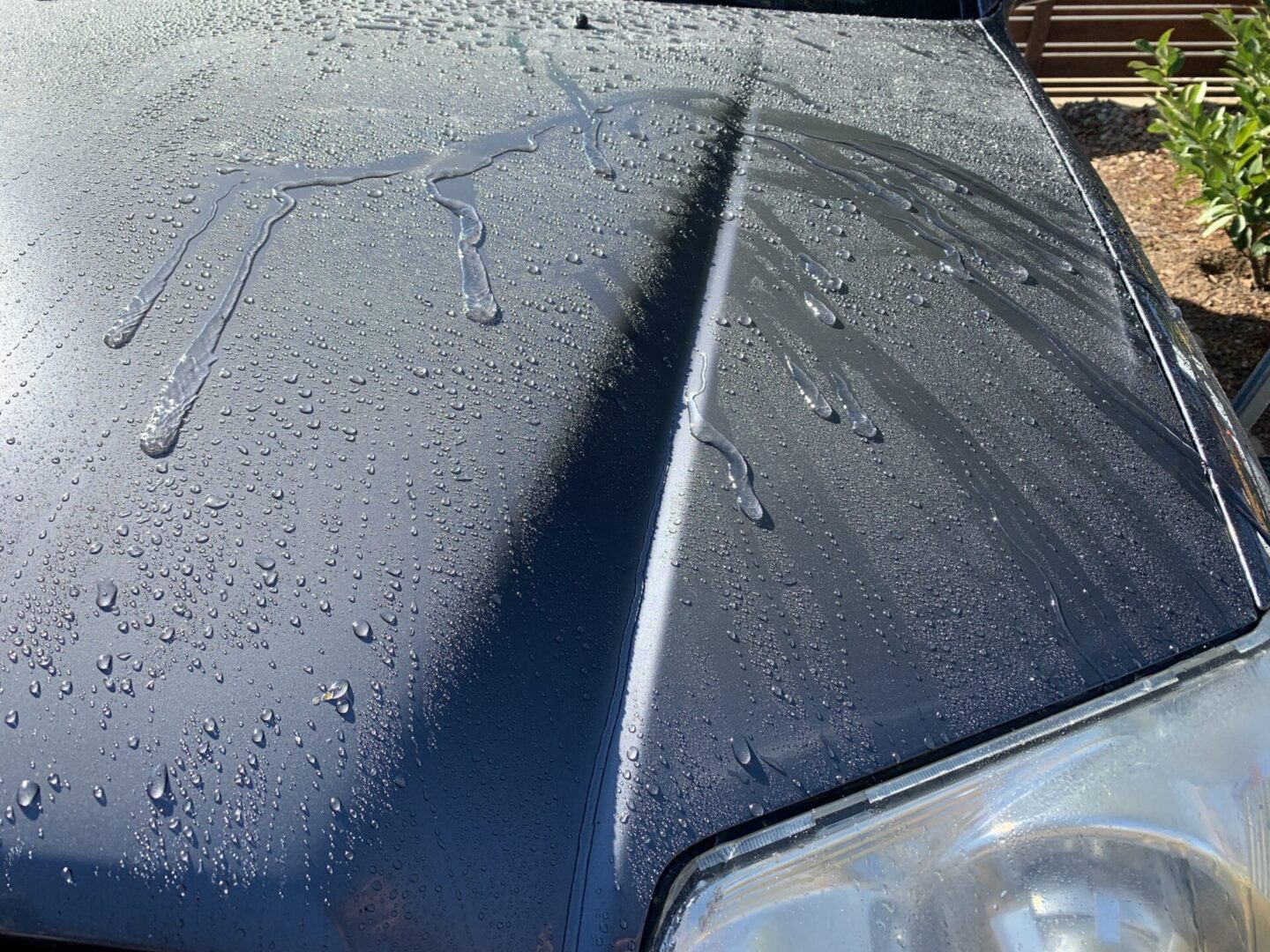
The ceramic coating makes water bead and slide off easily. When water stops beading or forms flat spots, the coating is failing. This means dirt and grime will stick more, increasing cleaning time. Loss of hydrophobic effect signals the coating no longer protects well.
Surface Etching And Contamination
Exposure to bird droppings, tree sap, and hard water spots can etch the coating’s surface. These contaminants cause small marks or stains that won’t wash off. Surface etching weakens the coating and may lead to paint damage. If you see these marks, removal may be necessary.
Fading Or Dulling Finish
A fresh ceramic coating gives a deep, glossy shine. Over time, the finish can fade or look dull. Using waxes or sealants on top can also reduce shine and cause buildup. A faded or dull finish shows the coating is past its prime and might need stripping.
Chemical Removal Methods
Chemical removal methods offer an effective way to strip ceramic coating from your car. These methods use special products designed to break down the coating layer. Chemical solutions can reach areas polishing tools might miss. Choosing the right chemical approach helps protect your car’s paint.
Using Coating Strippers
Coating strippers are products made to dissolve ceramic coatings safely. Apply the stripper evenly over the surface using a microfiber cloth or applicator pad. Let the chemical sit for a few minutes to soften the coating. Wipe the area clean with a fresh cloth to remove residue. Repeat the process if some coating remains. Always follow the manufacturer’s instructions for best results.
Safe Household Chemicals To Avoid
Many household chemicals can damage your car’s paint. Avoid using bleach, ammonia, or acid-based cleaners. These chemicals can harm the clear coat and paint beneath the ceramic layer. Dish soap and vinegar may seem gentle but can strip waxes and weaken coatings. Stick to products designed specifically for automotive use. This helps prevent unwanted damage during removal.
Precautions During Chemical Use
Wear gloves and eye protection when handling coating removers. Work in a well-ventilated area to avoid inhaling fumes. Test the chemical on a small, hidden spot before full application. Keep pets and children away from treated areas. Do not mix different chemicals together. Follow disposal instructions for used cloths and leftover liquids. These steps keep you safe and protect your car’s finish.
Mechanical Removal Techniques
Mechanical removal techniques offer a hands-on approach to strip ceramic coating from your car. These methods use abrasion to wear down and remove the coating layer. They vary in intensity, allowing for light touch-ups or deep removal depending on the coating’s strength and condition.
Choosing the right mechanical method helps protect your car’s paint underneath. Careful application ensures effective removal without damage. The following techniques explain how to proceed.
Light Abrasive Polishing
Light abrasive polishing uses a gentle abrasive polish to wear away the top layer of ceramic coating. It helps remove minor imperfections or thin coatings without harming the paint. This method is best for newer or thinner coatings.
Apply the polish with a dual-action polisher or by hand using a foam pad. Work in small sections with moderate pressure. Check progress frequently to avoid over-polishing. Finish with a clean microfiber cloth to remove residue.
Heavy Abrasive Compounding
Heavy abrasive compounding targets thicker or older ceramic coatings that resist light polishing. It uses stronger compounds with coarse abrasives to cut through the coating faster. This method requires more skill to avoid paint damage.
Use a rotary or dual-action polisher with a cutting pad for best results. Move steadily and avoid staying too long in one spot. After compounding, follow up with a finer polish to restore gloss. Always test on a small area first.
Tools And Materials Needed
Gather these items before starting mechanical removal:
- Dual-action or rotary polisher
- Foam polishing pads (cutting and finishing)
- Abrasive polishing compounds (light and heavy)
- Microfiber towels for cleaning and buffing
- Isopropyl alcohol or panel wipe to remove oils
- Protective gloves and eye protection
Having the right tools ensures safe and effective removal of ceramic coating. Proper preparation reduces risks and improves results.
Step-by-step Removal Process
Removing ceramic coating from your car requires careful attention to detail. Follow a clear, step-by-step process to avoid damaging the paint underneath. This guide covers preparing the surface, using chemical strippers, polishing, and final cleaning. Each stage helps ensure the coating is fully removed and your car looks its best.
Preparing The Vehicle Surface
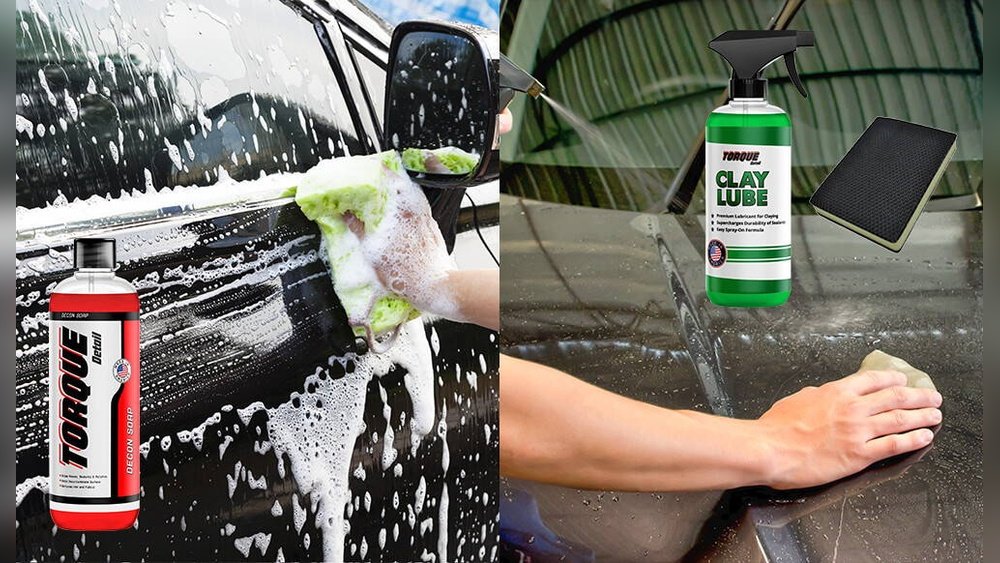
Start by washing your car thoroughly. Use a gentle car shampoo to remove dirt and grime. Dry the vehicle completely with a microfiber towel. Inspect the surface for any damage or imperfections. This step ensures the chemicals and polish work effectively on a clean surface.
Applying Chemical Strippers
Select a chemical stripper designed for ceramic coatings. Wear gloves and work in a well-ventilated area. Apply the stripper evenly using a foam applicator or microfiber cloth. Let it sit for the recommended time on the product label. Use a soft cloth to wipe away the dissolved coating gently. Repeat if necessary until the coating softens.
Polishing And Buffing Steps
Use a dual-action polisher with a foam pad for best results. Apply a mild abrasive polish to break down any remaining coating. Work in small sections using slow, overlapping passes. Wipe away polish residue with a clean microfiber towel. Check the surface regularly to avoid over-polishing or damaging the paint.
Final Cleaning And Inspection
Rinse the car with clean water to remove polish and chemical residue. Dry it carefully with a fresh microfiber cloth. Inspect the paint for any missed areas or damage. If the coating remains, repeat polishing or chemical stripping. Finish by applying a paint sealant or wax to protect the bare surface.
Common Mistakes To Avoid
Removing ceramic coating from your car can be tricky. Many people make mistakes that damage the paint or waste time. Knowing what to avoid helps you protect your car’s surface and finish. Here are common errors that can cause problems during removal.
Using Harsh Chemicals Incorrectly
Harsh chemicals can strip ceramic coating quickly. Yet, using them wrong harms your car’s paint. Strong acids or alkalis can etch or dull the surface. Always use products made for automotive use. Follow the instructions carefully to avoid damage.
Over-abrasive Polishing Risks
Polishing removes coating but can wear paint if too rough. Using heavy abrasives or aggressive pads causes swirl marks or scratches. Choose a mild polish and soft pads. Work slowly and check your progress often. Less pressure is safer for your car’s finish.
Skipping Surface Prep
Skipping prep makes coating removal harder. Dirt, grease, or wax block products from working well. Wash and dry the car fully before starting. Use a clay bar to remove embedded contaminants. Clean surfaces help chemicals and polish work better and faster.
After Removal Care
After removing the ceramic coating from your car, proper care is essential to protect the bare paint. The removal process can leave the surface vulnerable to scratches, contaminants, and fading. Taking the right steps ensures your car stays clean and looks its best until you decide on the next protective layer.
Surface Protection Options
With the coating gone, the paint needs protection. Applying a quality wax or sealant helps shield the surface from dirt and UV damage. These products create a thin barrier that repels water and grime. They do not last as long as ceramic coatings but offer good short-term protection. Another option is a paint protection film, which guards against chips and scratches.
Proper Washing And Maintenance
Wash your car gently and often to keep it clean. Use a soft mitt and pH-neutral car shampoo. Avoid automatic car washes with harsh brushes that can scratch the paint. Dry the surface with a clean microfiber towel to prevent water spots. Regular maintenance removes contaminants that can damage the paint over time.
When To Reapply Coating
Reapply ceramic coating when the paint shows signs of wear. Look for water spots that no longer bead or a dull appearance. Usually, coatings last between one to three years depending on quality and care. Proper washing extends coating life, but eventual reapplication restores full protection and shine. Plan the reapplication in a clean, dust-free environment for best results.
Credit: thetrackahead.com

Credit: www.youtube.com
Frequently Asked Questions
Can Ceramic Coating Be Removed From A Car?
Ceramic coating can be removed using chemical strippers, clay bars, or polishing techniques. Strong or aged coatings need abrasive polishing.
What Dissolves Ceramic Coating?
Harsh chemicals like high or low pH cleaners, household soaps, and abrasive washing dissolve ceramic coating. Environmental contaminants and improper maintenance also damage it.
Does Ceramic Coating Come Off Easily?
Ceramic coating does not come off easily under normal conditions. Harsh chemicals, abrasive washing, or neglect can degrade it over time. Proper maintenance helps preserve its durability and shine.
Does Isopropyl Alcohol Remove Ceramic Coating?
Isopropyl alcohol can weaken or remove ceramic coating if used frequently or in high concentrations. Use it sparingly for surface prep only.
Conclusion
Removing ceramic coating from your car needs patience and care. Use gentle products first to avoid paint damage. Polishing helps if the coating is strong or old. Always follow safety steps and test a small area. Proper removal restores your car’s original shine.
Take your time; rushing can cause mistakes. Keep your car clean to prevent buildup after removal. This guide helps maintain your vehicle’s beauty and value.