You want your car to shine like new and stay protected from the harsh Austin sun and everyday dirt. Waxing your car is one of the best ways to keep that fresh, glossy finish while guarding the paint.
But how do you wax your car properly without missing a step or wasting time? Whether you’re a first-timer or looking to improve your technique, this guide breaks down the simple, effective process of waxing your car. By following easy tips and tricks, you’ll learn how to bring out your car’s best look and maintain it longer.
Ready to make your ride sparkle? Let’s dive in and show you exactly how to wax your car like a pro.
Credit: ethoscarcare.com
Car Washing Basics
Washing your car is the first step before waxing. It removes dirt and grime that can scratch your paint. Clean surfaces help wax stick better. Follow simple car washing basics to protect your car’s finish.
Use the right products and methods. This keeps your paint safe and shiny. Start with the right soap, use careful washing techniques, and dry your car well.
Choosing The Right Soap
Pick a soap made for cars. Household cleaners can strip wax and damage paint. Car wash soaps are gentle and remove dirt without harming the finish. Look for pH-balanced, biodegradable soaps. Avoid soaps with harsh chemicals or wax additives.
Washing Techniques
Use two buckets: one with soap, one with clean water. Rinse your sponge or mitt in clean water before dipping into soap. This reduces dirt scratches. Wash from top to bottom. The bottom has the most dirt. Use soft, circular motions. Avoid scrubbing hard to protect the paint.
Drying Methods
Dry your car quickly after washing. Use a clean microfiber towel. Microfiber absorbs water and prevents scratches. Pat dry instead of wiping harshly. Use a blower or chamois for hard-to-reach spots. Drying prevents water spots and prepares the surface for waxing.
Wax Types And Uses
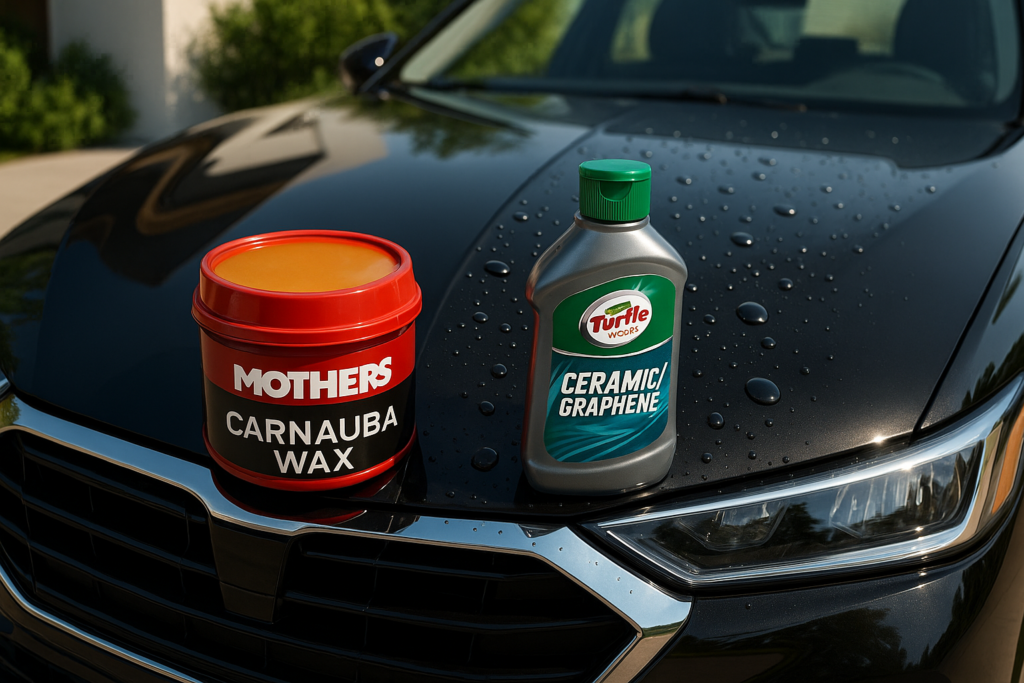
Choosing the right wax for your car is key to protecting its paint and keeping it shiny. Different wax types serve different needs. Understanding their uses helps you pick the best one for your car’s condition and your time.
Traditional Paste And Liquid Waxes
Traditional waxes come in paste or liquid form. They create a strong, long-lasting protective layer on your car’s paint. These waxes need a clean, dry surface to work well.
Apply them in thin, even layers on small sections. Wait for the wax to haze before buffing it off with a microfiber cloth. This process seals the paint and adds a deep shine.
Spray And Wet Waxes
Spray and wet waxes offer quick, easy application. You can apply them on a wet or dry car, depending on the product. They help dry the car faster and add shine instantly.
These waxes are ideal for quick touch-ups or when you don’t have much time. Simply spray the wax and wipe it off immediately with a clean towel.
Pros And Cons
Traditional waxes last longer and protect better but take more time and effort. They are perfect for detailed care and deep protection.
Spray and wet waxes save time and are easy to apply. They provide good shine but need more frequent reapplication. These waxes work well for quick maintenance.
Preparation Before Waxing
Proper preparation makes waxing your car easier and more effective. It helps the wax stick well and protects your paint. Skipping steps can cause streaks or trapped dirt. Follow simple steps to ready your car for waxing.
Removing Dirt And Grime
Start by washing your car thoroughly. Use a car shampoo and water to remove dirt. Avoid household soaps as they can damage the paint. Rinse well to get rid of all soap and grime.
After washing, dry the car fully with a soft microfiber towel. Any water left can cause spots under the wax. Check for stubborn dirt and clean it gently.
Working In The Shade
Always wax your car in a shaded area. Sunlight heats the surface and dries the wax too fast. This can cause uneven application and streaks.
Choose a cool, covered spot like a garage or under a tree. The shade keeps the wax from drying too quickly. It allows better control and a smoother finish.
Gathering Tools And Materials
Collect all items before you start waxing. You will need car wax, applicator pads, and microfiber towels. Some waxes come with applicators, but having extras helps.
Use clean, soft cloths to avoid scratching the paint. Prepare buckets for washing and rinsing. Having everything ready saves time and keeps the process smooth.
Credit: ethoscarcare.com
Applying Wax Properly
Applying wax properly is key to protecting your car’s paint and making it shine. The right technique helps the wax bond well and gives an even, smooth finish. Taking your time and using the correct tools will make the process easier and more effective.
Using Foam Applicators
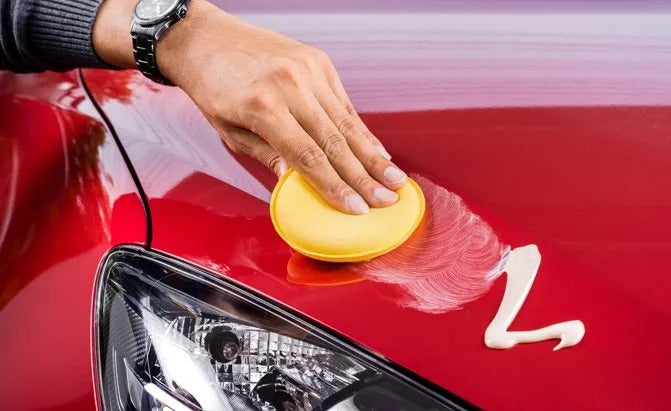
Foam applicators spread wax smoothly and evenly on the car’s surface. They hold the right amount of wax without dripping or wasting product. Use a clean, soft foam pad to avoid scratching the paint. Apply wax in small amounts to the applicator for better control.
Section-by-section Application
Work on one section of the car at a time. This helps you focus and avoid missing spots. Start with a small area, like a door or hood panel. Apply wax evenly, then move to the next section. This method keeps the wax from drying too fast and becoming hard to remove.
Applying Even Coats
Spread the wax in thin, even coats for best results. Thick layers take longer to dry and can leave streaks. Use gentle, circular motions to cover the surface fully. Check for missed spots and smooth them out before the wax dries. Even coats make buffing easier and improve the final shine.
Buffing And Polishing
Buffing and polishing are key steps after applying wax to your car. These steps help remove excess wax and bring out a deep shine. Proper buffing protects your paint and enhances the wax’s durability. Taking time here improves your car’s appearance significantly.
Waiting For The Wax To Haze
After applying wax, wait for it to dry and turn hazy. This usually takes a few minutes but depends on the product used. The wax will change from wet and shiny to dull and cloudy. This haze means the wax is ready to be buffed off. Avoid rushing this step to ensure proper bonding and a smooth finish.
Choosing The Right Towels
Use clean microfiber towels for buffing and polishing your car. Microfiber is gentle and won’t scratch your paint. Avoid rough or dirty cloths that can cause swirl marks. Have multiple towels ready to switch when one gets too saturated. Soft towels make the buffing process easier and more effective.
Buffing Techniques
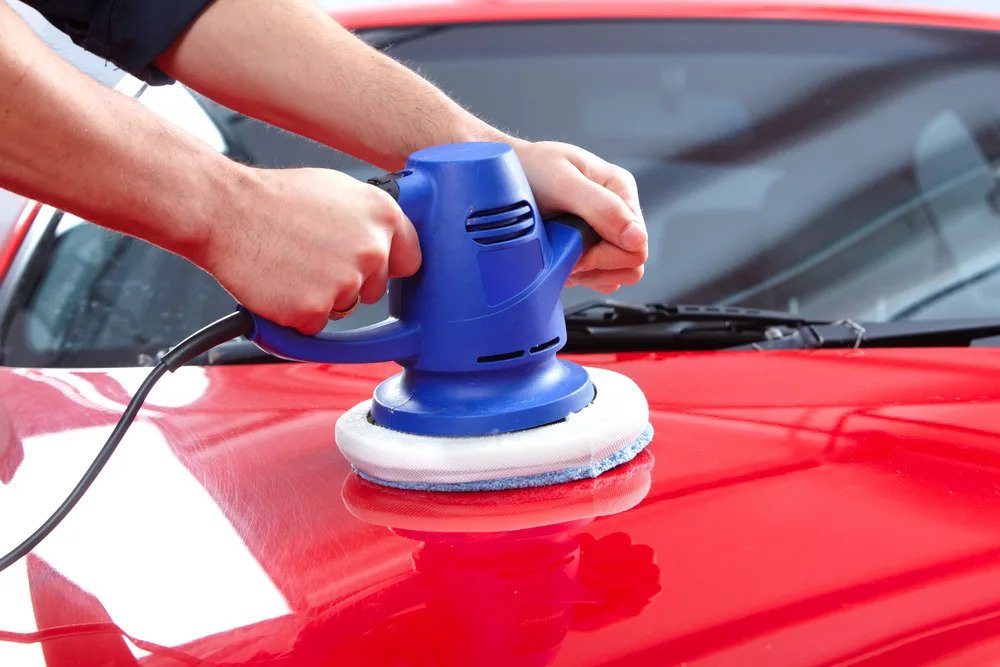
Buff your car using light, circular motions. Apply gentle pressure to remove the wax haze without damaging the paint. Work in small sections to ensure even polishing. Flip the towel to a clean side as it picks up wax residue. Keep buffing until the surface shines and feels smooth to the touch.
Waxing Tips For Longevity
Waxing your car protects the paint and keeps it looking new. Proper waxing extends the life of the wax. Follow simple tips to make your wax last longer. These steps help maintain your car’s shine and protect it from damage.
Frequency Of Waxing
Wax your car every three to four months. This timing keeps the wax layer strong. Avoid waxing too often, as it can cause build-up. Less frequent waxing may reduce protection. Stick to a regular schedule for best results.
Avoiding Harsh Conditions
Park your car in shade when possible. Sunlight can break down the wax faster. Avoid parking under trees to prevent sap and bird droppings. Wash off dirt and contaminants quickly. Harsh weather like acid rain can damage the wax layer.
Maintaining Shine Between Waxes
Use a quick detailer spray to refresh shine. Lightly clean your car to remove dust and water spots. Avoid harsh soaps that strip wax protection. Regular washing with gentle car shampoo helps maintain the wax. This keeps your car looking polished longer.
Common Mistakes To Avoid
Waxing your car protects its paint and keeps it shiny. Avoiding common mistakes makes waxing easier and better. Many beginners make errors that reduce wax effectiveness or harm the paint. Knowing what to avoid helps you get the best results every time.
Waxing Dirty Surfaces
Never wax a dirty car. Dirt and dust can scratch the paint during waxing. Always wash and dry your car first. This removes grime and prevents damage. Wax sticks better to clean surfaces. Your car looks smoother and shines longer.
Using Too Much Wax
Applying too much wax creates a thick layer. It takes longer to dry and buff off. Excess wax can leave streaks and residue. Use a small amount and spread it evenly. Thin layers dry faster and polish easily. This saves time and gives a better shine.
Waxing In Direct Sunlight
Waxing under the sun causes the wax to dry too fast. This makes it hard to buff and remove. Hot surfaces may also cause uneven application. Choose a shaded spot or wax early morning or late evening. Cooler conditions help the wax cure properly. Your car will have a smooth, glossy finish.
Quick Waxing With Spray Products
Quick waxing with spray products offers a fast and easy way to keep your car shiny. These sprays work well for regular maintenance and minor touch-ups. They save time and effort compared to traditional waxes. Using spray wax can protect your paint and improve your car’s look in minutes. Spray waxes are ideal for busy people who want quick results without heavy work.
When To Use Spray Wax
Use spray wax on a clean car with light dust or dirt. It works best between full wax jobs. Spray wax is perfect for quick shine before events or trips. Avoid using it on very dirty or rough surfaces. Use spray wax when you need a fast, easy, and light wax layer.
Application Steps
- Wash your car to remove loose dirt and grime.
- Spray the wax evenly on a small section of the car.
- Use a clean microfiber cloth to wipe and spread the wax.
- Buff the area with a dry microfiber towel to shine.
- Repeat for each panel until the whole car is done.
Benefits And Limitations
Spray wax is quick and simple to use. It dries fast and leaves a glossy finish. You can apply it anytime, even in shade or light sun. Spray wax keeps your car looking fresh between deep waxes.
It does not last as long as paste or liquid wax. Spray wax offers less protection from harsh weather. It is not for very dirty cars or heavy paint damage. For long-term care, use traditional wax products.
Diy Vs Professional Waxing
Choosing between waxing your car yourself or hiring a professional can affect the final look and care of your vehicle. Each option has unique benefits and challenges. Understanding these differences helps you decide the best method for your needs and budget.
Cost Considerations
DIY waxing requires buying wax and tools. These costs add up but are usually lower than professional fees. Professionals charge for labor and materials, which can be expensive. However, professionals might use higher-quality products. This can save money over time by reducing the need for frequent waxing.
Time And Effort
Waxing your car at home takes several hours. You must clean, apply wax, wait, and buff each section carefully. This process needs patience and some skill. Professionals complete the job faster. They have experience and special equipment that speeds up the process. This saves your time and effort but requires booking an appointment.
Results Comparison
DIY waxing gives good results if done correctly. It protects paint and adds shine but may miss some spots. Professional waxing often results in a more even and deeper shine. Professionals can reach tight areas and remove minor imperfections. Their work tends to last longer, keeping your car looking newer for more time.

Credit: www.youtube.com
Frequently Asked Questions
Is It Better To Wax A Car Wet Or Dry?
Wax your car dry for traditional waxes to ensure proper bonding and durability. Use wet waxes on a damp surface for quick, easy application but shorter protection.
Can I Wax My Car By Myself?
Yes, you can wax your car by yourself. Clean and dry your car thoroughly before applying wax. Use thin, even layers and buff with a microfiber towel for best results. DIY waxing saves money and protects your paint effectively.
How Long Should You Leave Car Wax On Before Wiping It Off?
Leave traditional car wax on for 5 to 10 minutes until it hazes before wiping off. Wipe gently with a clean microfiber towel.
What To Do Before Waxing A Car?
Thoroughly wash your car to remove dirt and grime. Dry it completely with a microfiber towel. Inspect for contaminants or scratches. Ensure the surface is cool and shaded. This prep helps wax bond properly and enhances shine.
Conclusion
Waxing your car keeps its paint shiny and protected. Clean your car well before starting. Apply wax in small sections for even coverage. Use a microfiber towel to buff the wax gently. Traditional wax lasts longer but takes more time.
Spray or wet wax works fast for quick shine. Regular waxing helps your car look newer longer. Take your time and enjoy the process. Your car will thank you with a great finish. Keep waxing as part of your car care routine.