Have you ever noticed uneven wear on your tires and wondered what it means? Understanding tire wear patterns is key to keeping your vehicle safe and performing at its best.
The way your tires wear down can tell you a lot about problems like misalignment, improper inflation, or suspension issues that you might not even realize are happening. By learning to recognize these wear patterns, you can catch issues early, save money on costly repairs, and avoid dangerous driving situations.
Keep reading to discover how your tires are silently communicating with you and what steps you should take to keep your ride smooth and safe.
Credit: www.jiffylube.com
Common Tire Wear Patterns
Tire wear patterns reveal important clues about your vehicle’s condition. Recognizing these patterns helps you spot problems early. Uneven tire wear can affect safety and fuel efficiency. Understanding common wear types keeps your tires in good shape.
Center Wear
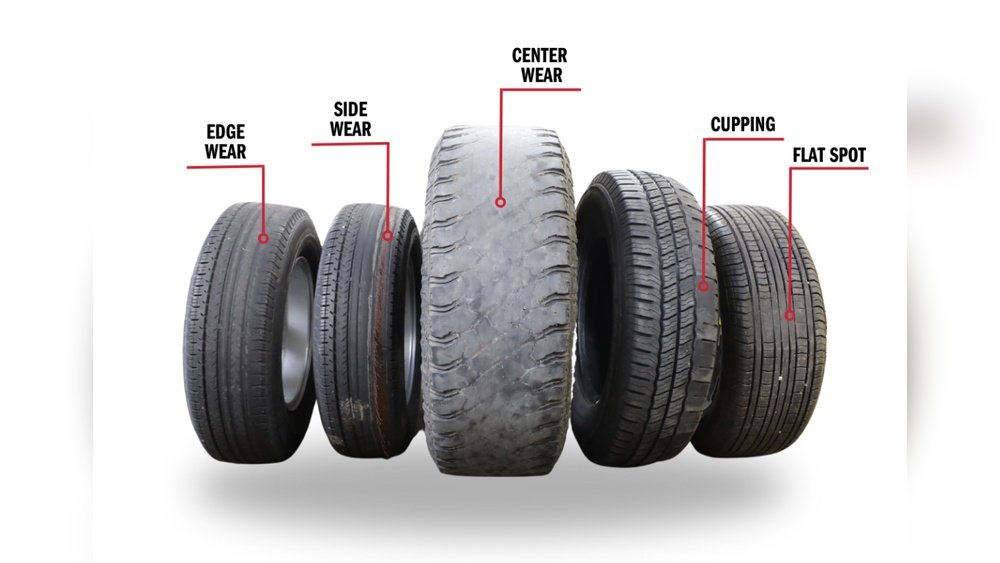
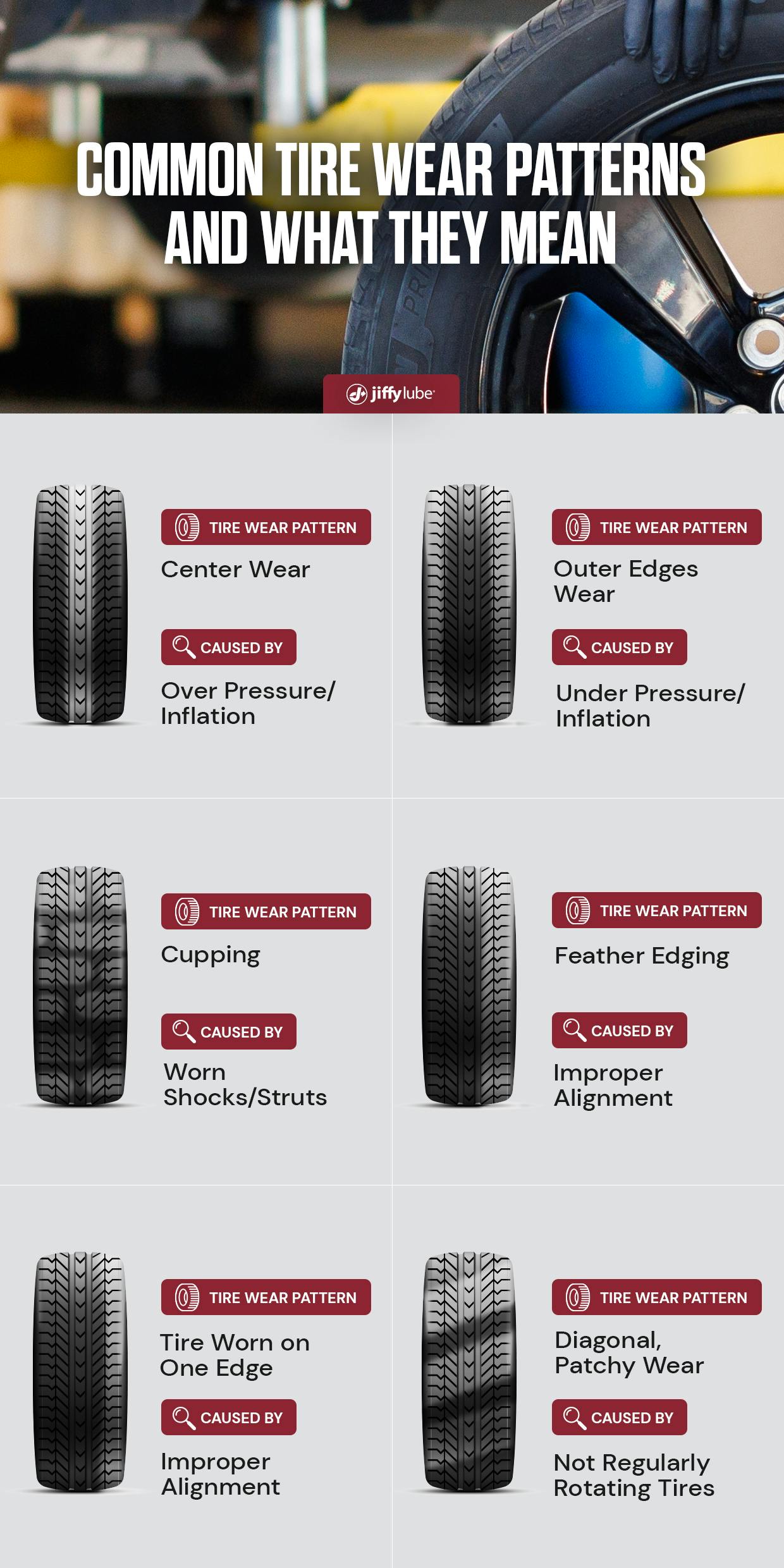
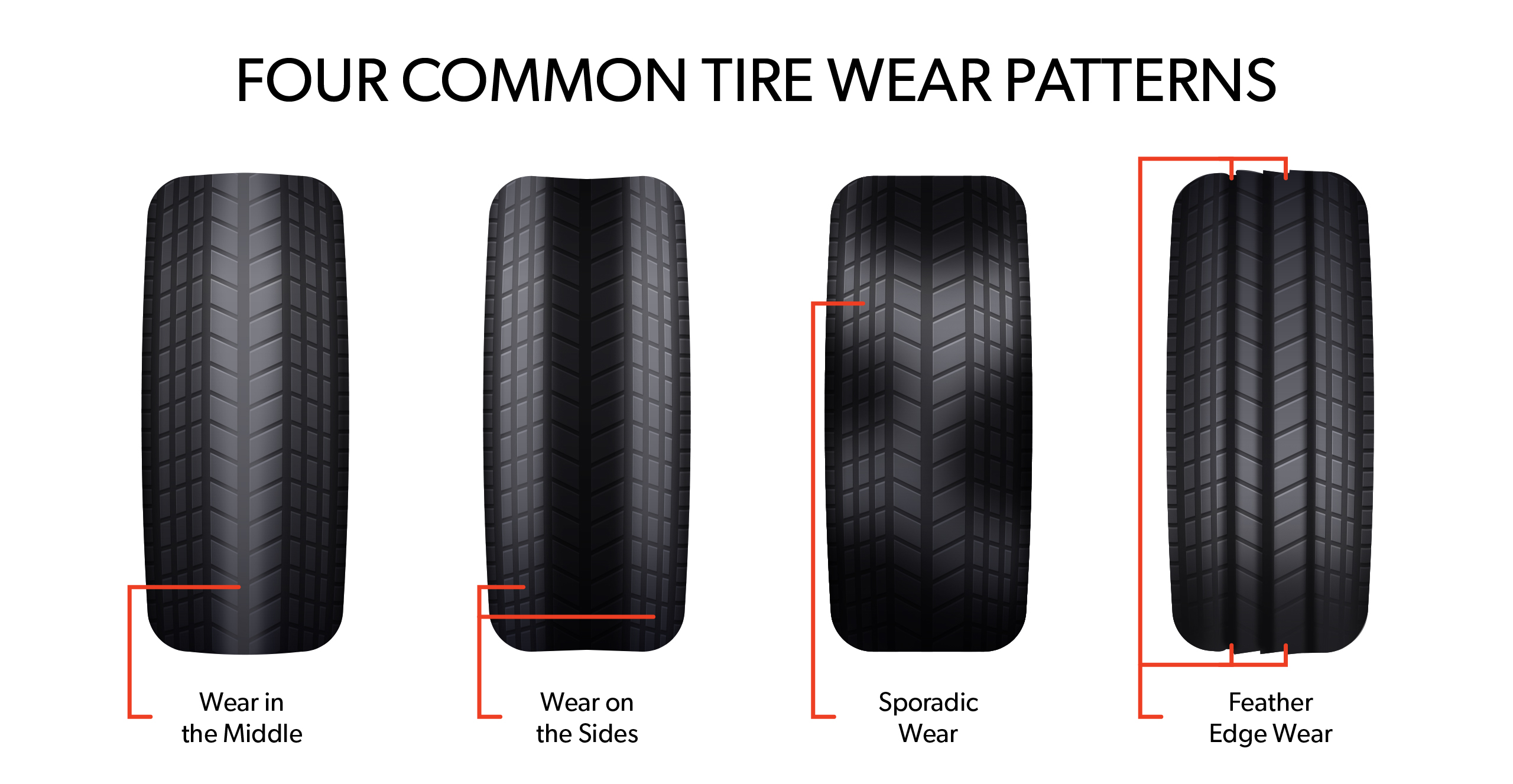
Center wear happens when the tire’s middle wears faster. This usually means the tire is overinflated. Too much air pressure pushes the tire’s center to touch the road more. Over time, this causes the center tread to wear out quickly. Check tire pressure regularly to avoid this issue.
Edge Wear
Edge wear appears when the tire’s outer edges wear faster than the center. This often shows underinflation. Low air pressure makes the tire edges press harder on the road. It can also indicate problems with wheel alignment. Inspect tire pressure and alignment to prevent edge wear.
Cupping And Scalloping
Cupping creates high and low spots on the tire surface. It looks like dips or scallops around the tire tread. This pattern often results from worn suspension parts or unbalanced tires. Cupping causes noise and vibration while driving. Have your suspension checked if you notice these signs.
Feathering
Feathering means the tread ribs feel smooth on one side and sharp on the other. This happens due to misaligned wheels. Feathered tires cause uneven contact with the road. This wear type reduces tire life and can affect handling. Correcting alignment fixes feathering quickly.
Causes Of Tire Wear
Tire wear happens for many reasons. Knowing what causes uneven wear helps you keep tires safe and lasting longer. Tire wear patterns tell a story about your vehicle’s health. They reveal problems that need fixing fast. Understanding these causes can save money and improve driving safety.
Alignment Issues
Misaligned wheels cause uneven tire wear. Tires may wear more on one side than the other. This happens because the tires do not point straight ahead. Poor alignment reduces fuel efficiency and makes handling difficult. Regular alignment checks keep tires wearing evenly and extend their life.
Improper Inflation
Incorrect tire pressure leads to uneven wear. Overinflated tires wear more in the center. Underinflated tires wear more on the edges. Both conditions reduce traction and increase the risk of tire failure. Check tire pressure monthly to keep it at the recommended level.
Suspension Problems
Worn or damaged suspension parts cause unusual tire wear. Tires may show cupping or scalloping patterns. Suspension issues affect how tires contact the road. Fixing suspension problems improves ride quality and tire performance. Regular inspections help spot suspension faults early.
Driving Habits
Aggressive driving causes fast tire wear. Hard braking and sharp turns wear tires unevenly. Frequent speeding and quick starts also reduce tire life. Gentle driving helps tires wear evenly and last longer. Smooth driving protects tires and improves safety on the road.
Checking Tire Tread Depth
Checking tire tread depth is crucial for safe driving. Worn tires reduce grip and increase stopping distance. Regular checks help spot wear early and avoid accidents.
Measuring tread depth is simple and can be done at home. Different methods vary in accuracy and ease. Understanding these methods lets you choose the best one for your needs.
Penny Test Limitations
The penny test is a common quick check. Insert a penny into the tread with Lincoln’s head down. If you see the top of his head, tread is too low.
This test only shows when tires are nearly bald. It does not measure safe tread depth for wet conditions. It can miss early wear signs and risks false safety.
Advantages Of The Quarter Test
The quarter test is a better home method. Use a quarter with Washington’s head down in the tread. If part of his head is covered, tread is safer.
This test warns earlier about low tread than the penny test. It helps avoid driving on tires that are still legal but unsafe. It is easy and free to do.
Using A Tread Depth Gauge
A tread depth gauge gives the most accurate reading. Insert the gauge into the tread grooves and read the measurement. It shows exact depth in 32nds of an inch.
Gauges are inexpensive and simple to use. They help track tread wear over time. Professionals use them to ensure tires meet safety standards.
Credit: www.telletire.com
Interpreting Tire Wear Signs
Interpreting tire wear signs helps keep your vehicle safe and efficient. Understanding these signs shows if tires need repair or replacement. It also points to possible issues with alignment or suspension. Checking tires regularly can save money and prevent accidents.
Inner Vs Outer Edge Wear
Wear on the inner or outer edge means alignment problems. If the inside edge wears faster, the wheels may be tilted inward. Outer edge wear shows wheels are tilted outward. This uneven wear reduces tire life and affects handling. Fixing alignment stops this type of wear.
Uneven Tread Wear
Uneven tread wear means tires are not contacting the road properly. It can be caused by imbalanced tires or suspension issues. Patches of wear appear in random spots around the tire. This can make the ride rough and unsafe. Balancing and suspension checks help correct uneven wear.
Visible Cords Or Metal
Seeing cords or metal means tires are dangerously worn. The tread is too thin, exposing the tire’s internal structure. Driving on these tires risks blowouts or accidents. Replace tires immediately if cords or metal show. This sign is a critical safety warning.
Preventing Tire Damage
Preventing tire damage is key to keeping your vehicle safe and efficient. Tires wear out over time, but many problems can be avoided with simple care steps. Paying attention to how your tires wear helps you spot issues early. This saves money and extends tire life.
Regular Tire Rotation
Rotating tires moves them to different positions on the car. This balances the wear between tires. Front tires often wear faster because they steer and carry more weight. Rotating every 5,000 to 7,000 miles helps tires wear evenly. Even wear means longer tire life and better grip on the road.
Maintaining Proper Inflation
Proper tire pressure is crucial. Over-inflated tires wear in the center, while under-inflated tires wear on the edges. Check tire pressure monthly using a reliable gauge. Keep tires inflated to the car maker’s recommended level. Correct pressure improves fuel efficiency and prevents uneven wear.
Wheel Alignment Checks
Misaligned wheels cause tires to wear unevenly and quickly. Signs include pulling to one side or uneven tread wear. Have alignment checked yearly or after hitting potholes or curbs. Proper alignment keeps tires straight and extends their life. It also improves handling and safety.
Balanced Driving Techniques
Aggressive driving wears tires faster. Hard braking, fast cornering, and rapid acceleration cause damage. Drive smoothly and avoid sudden stops or sharp turns. Gradual acceleration and braking reduce stress on tires. Balanced driving keeps tires healthy and improves your ride comfort.
When To Replace Tires
Knowing when to replace tires is key to safe driving. Tires wear down over time and lose grip. Driving on worn tires increases risk of accidents. Regular checks help spot problems early. This guide helps understand when tire replacement is necessary.
Legal Tread Depth Limits
Each state sets a minimum tread depth by law. In most places, the limit is 2/32 of an inch. Tires below this depth are illegal to use. Use a tread depth gauge to measure accurately. Some use the quarter test as a quick check. Place a quarter in the tread with Washington’s head down. If the top of his head is visible, tread is too low.
Safety Considerations
Low tread reduces tire grip on wet roads. This causes longer stopping distances and more skidding. Tires with shallow tread cannot disperse water well. Hydroplaning risk rises greatly with worn tires. Replace tires before they reach the legal limit for better safety. Check tires more often in rainy or snowy areas.
Signs Of Irreparable Damage
Look for sidewall cuts, bulges, or cracks. These can cause sudden tire failure. Uneven wear patterns may show alignment or suspension issues. Tires with deep cracks or exposed cords must be replaced. Do not drive on tires with visible damage. Such tires cannot be repaired safely and pose danger.
Impact Of Tire Size On Wear
Choosing the right tire size affects how tires wear over time. Different sizes can change the contact area between tire and road. This impacts grip, handling, and wear patterns. Using a tire size not recommended by the vehicle maker can cause uneven wear. Understanding these effects helps keep tires lasting longer and working safely.
Effects On Speedometer Accuracy
Tire size changes affect your speedometer reading. Larger tires cover more ground per rotation. This makes your speedometer show slower speeds than actual. Smaller tires do the opposite, showing faster speeds. Incorrect speed readings can lead to speeding tickets. They also affect your trip meter and fuel economy data.
Compatibility With Vehicle Systems
Modern cars use systems like ABS and traction control. These systems rely on tire size to work correctly. Using wrong tire sizes can confuse sensors. This may cause warning lights or system errors. It also reduces the effectiveness of safety features. Always match tire size with your vehicle’s specs.
Mechanical Fitment Concerns
Not all tire sizes fit every wheel or car body. Larger tires may rub against fenders or suspension parts. Smaller tires might cause loose fitment on the rim. Both cases risk damage to tires and vehicle parts. Poor fitment can lead to rapid tire wear. Always check clearance and wheel specifications before changing sizes.

Credit: www.jiffylube.com
Frequently Asked Questions
What Tire Wear Patterns Indicate A Problem?
Uneven wear on inner or outer edges signals alignment issues. Center wear suggests over-inflation. Edge wear indicates under-inflation. Cupping or scalloping points to suspension problems. Patchy wear may mean balancing or mechanical faults. Address these patterns promptly to ensure safety and tire longevity.
Is The Penny Test For Tires Accurate?
The penny test provides a quick, basic check for tire tread wear but lacks precision. For accurate results, use a tread depth gauge or the quarter test.
What Is The 3% Rule For Tires?
The 3% rule for tires means tire diameter should not differ more than 3% from the original size. This ensures accurate speedometer readings and proper vehicle handling.
Can I Drive With Tire Threads Showing?
Driving with tire threads showing is unsafe and illegal. Worn tread reduces traction, increasing accident risk. Replace tires promptly for safety.
Conclusion
Tire wear patterns reveal important clues about your vehicle’s health. Uneven wear often signals alignment or inflation issues. Regularly check your tires to spot problems early. Proper maintenance helps extend tire life and ensures safety. Understanding wear patterns keeps your driving smooth and secure.
Don’t ignore unusual tire wear signs; act promptly. Simple checks can prevent costly repairs and accidents. Stay aware, stay safe on the road.