Are you thinking about tinting your car windows in Arkansas? Before you head to the shop, it’s important to know the state’s window tint laws.
These rules are designed to keep you safe while driving and help law enforcement do their job. But if you don’t follow them, you could face fines or be forced to remove your tint. Wondering how dark your tint can be?
Curious about which windows you can tint and what colors are allowed? This guide breaks down everything you need to know about window tint laws in Arkansas—clearly and simply—so you can protect your vehicle and avoid trouble. Keep reading to make sure your tint is legal and right for you.
Arkansas Tint Limits
Arkansas has specific rules for window tinting. These rules control how dark the tint can be on different windows. The goal is to keep drivers safe while allowing some privacy and sun protection. Understanding the tint limits helps avoid fines and ensures your vehicle meets the law.
Windshield Rules
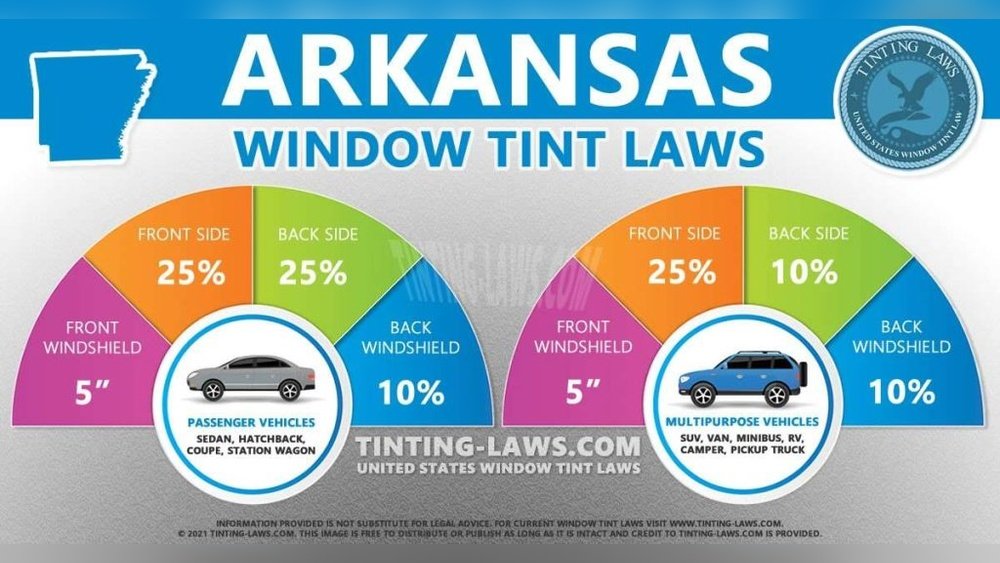
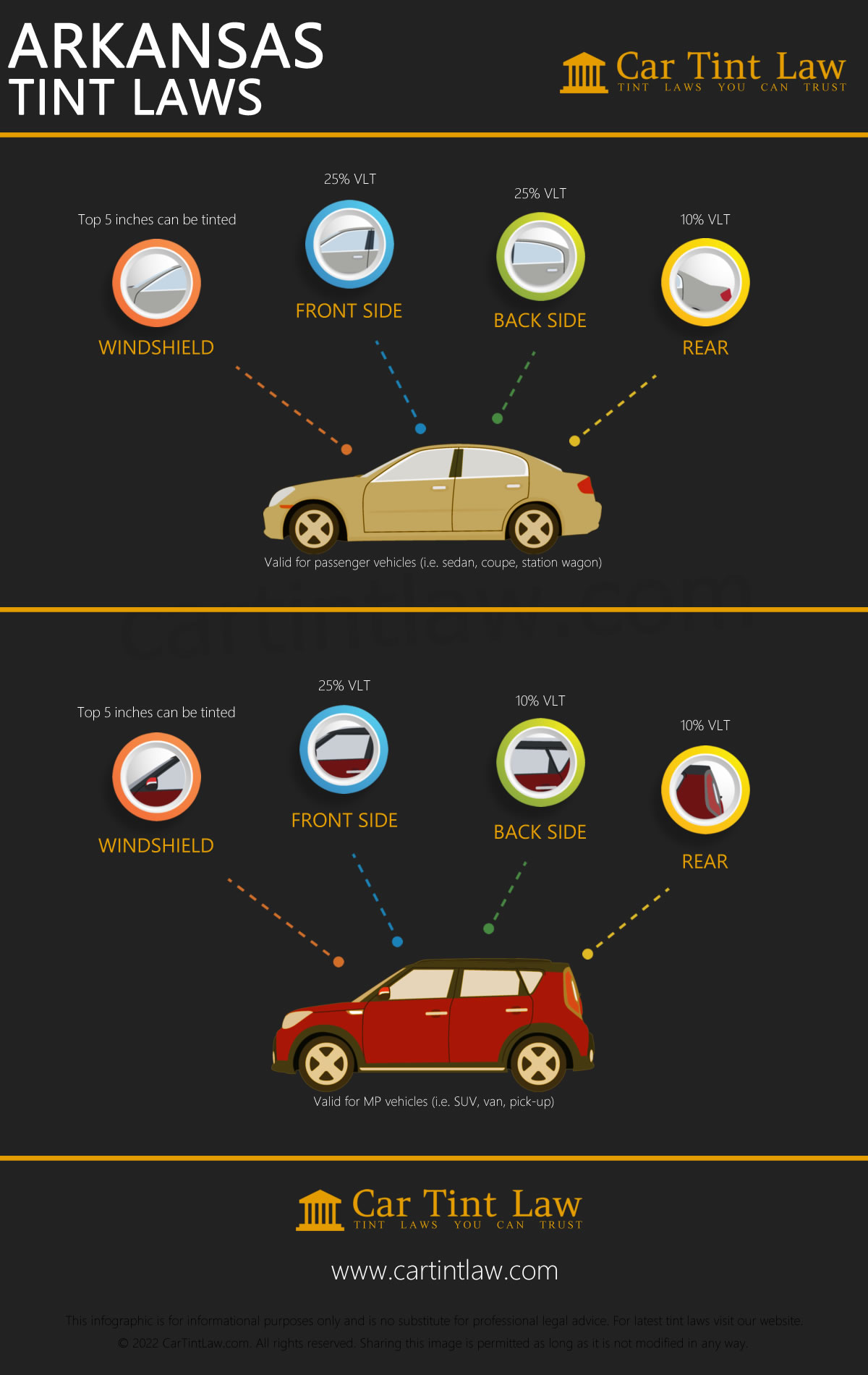
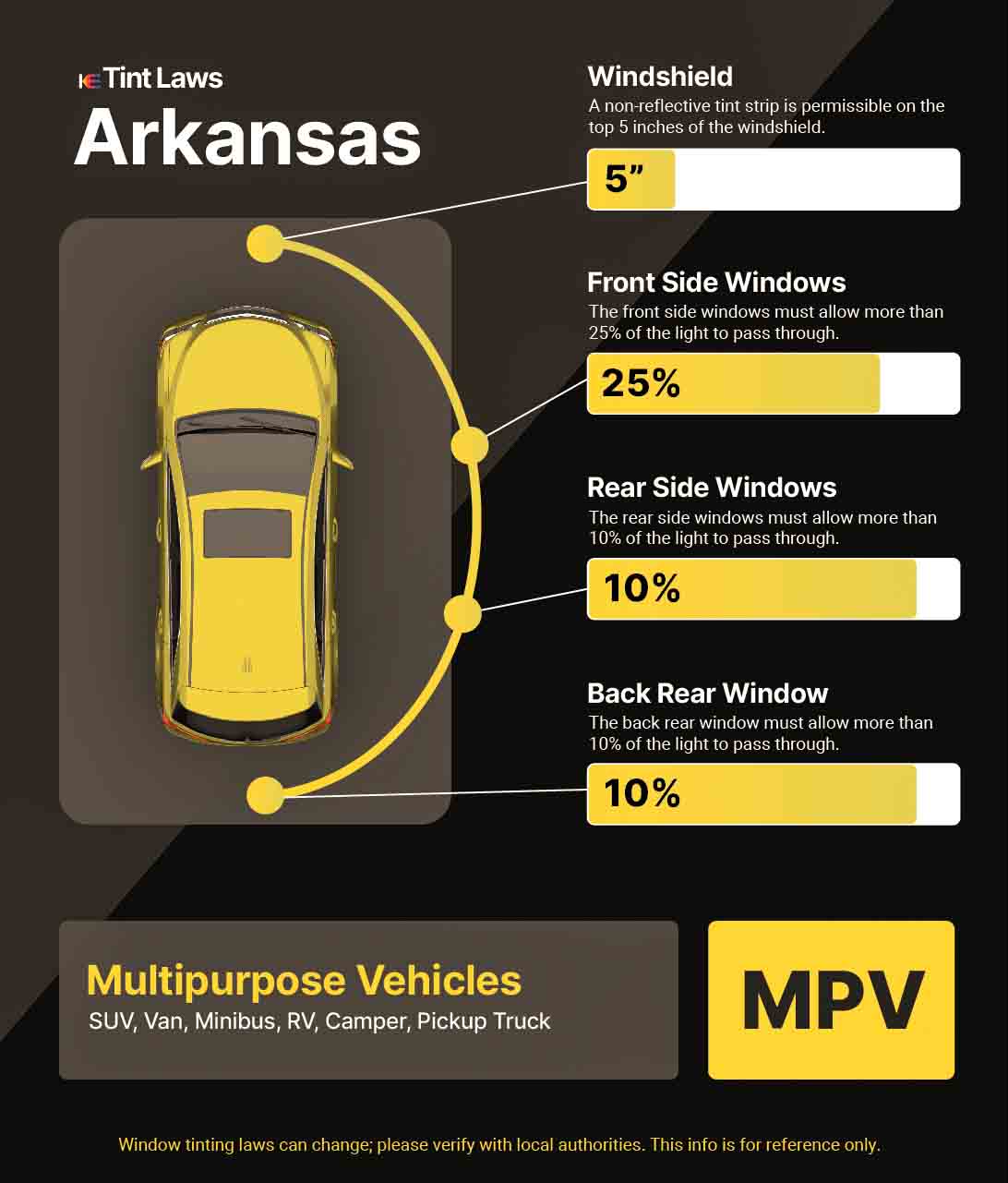
The windshield can only have a tint strip at the top. This strip must not extend below the manufacturer’s AS-1 line. No dark tint is allowed on the main part of the windshield. This ensures clear visibility for safe driving.
Front Side Windows
Front side windows must allow more than 25% of light to pass through. This means the tint cannot be too dark. The limit keeps these windows clear enough for police and other drivers to see inside.
Rear Side Windows And Rear Window
Rear side windows and the rear window can have any darkness level. This rule applies to all passenger vehicles, including SUVs and vans. It gives drivers more freedom to choose darker tints in these areas.

Credit: kepler-dealer.com
Allowed Tint Darkness
Arkansas has clear rules on how dark your window tint can be. These rules protect drivers and ensure safety on the road. The allowed tint darkness varies by the type of window and vehicle. Understanding these limits helps avoid fines and keeps your car legal.
Visible Light Transmission Levels
The law measures tint darkness by Visible Light Transmission (VLT). VLT is the amount of light that passes through the window. Lower VLT means darker tint. Arkansas requires at least 25% VLT on front side windows. This means the tint must let in 25% or more of the light. Rear side windows and the back window have no VLT limit. But the tint cannot be reflective or mirror-like.
Differences For Suvs And Vans
SUVs and vans have different rules than regular cars. These vehicles can have darker tints on rear side windows and back windows. Arkansas allows any darkness on these windows for SUVs and vans. Front side windows must still follow the 25% VLT rule. This difference helps with privacy and heat control in larger vehicles.
Prohibited Tint Types
Arkansas has clear rules about which window tint types are not allowed on vehicles. These restrictions help maintain safety and ensure drivers have good visibility. Certain tint styles can cause glare or hide a driver’s view, which is why they are prohibited. Understanding these banned tint types can keep you within the law and avoid fines.
Reflective And Mirrored Films
Reflective and mirrored window tints are not allowed in Arkansas. These films create a shiny surface that reflects light. This reflection can blind other drivers and police officers. The law bans any tint that looks like a mirror. These films also reduce the ability to see inside the vehicle. This reduces safety for law enforcement and emergency responders.
Restricted Colors
Arkansas law prohibits using red, amber, or blue tinted films on car windows. These colors can confuse other drivers and emergency personnel. Red and blue colors are often linked to emergency vehicles. Using these tints on personal vehicles may cause misunderstandings on the road. Only neutral colors are allowed to keep clear communication between drivers.
Credit: www.cartintlaw.com
Medical Exemptions
Arkansas allows medical exemptions for window tint laws. These exemptions help people with certain health issues protect their skin and eyes from harmful sunlight. The state requires proper documentation to grant these exemptions. Understanding the process is important for those who need darker tints.
Qualifying Conditions
Certain medical conditions qualify for tint exemptions in Arkansas. These include lupus, skin cancer, and other light-sensitive diseases. People with severe photophobia or similar issues may also qualify. A doctor must confirm the condition to meet legal requirements.
Obtaining A Doctor’s Note
To get a medical exemption, you need a doctor’s note. The note must state your diagnosis clearly. It should explain why darker window tint is necessary. The doctor’s signature and contact details must be included for verification.
Applying For Exemption
After receiving the doctor’s note, submit it to the proper authorities. This step often involves filling out a form and providing identification. Keep a copy of the exemption with you while driving. Show it if stopped by law enforcement for tint checks.
Sticker And Certification Rules
Arkansas has specific rules about window tint stickers and certifications. These rules help law enforcement check if a vehicle’s tint is legal. Drivers must follow these rules to avoid fines or having to remove their tint. Understanding these sticker and certification requirements is important for all car owners in Arkansas.
Tint Identification Stickers
Arkansas requires a tint identification sticker on the driver’s side window. This sticker shows the tint’s visible light transmission (VLT) percentage. The VLT tells how much light passes through the window film. Law enforcement uses this sticker to verify if the tint meets state limits.
The sticker must be placed where it is easy to see. Removing or covering the sticker is illegal. If the sticker is missing, police may issue a ticket or require the tint to be removed. Always keep the tint identification sticker intact and visible to stay compliant.
Film Manufacturer Certification
Arkansas does not require window tint film manufacturers to certify their products by law. However, using certified tint films is recommended. Certified films meet safety and quality standards. They often come with a warranty and proper documentation.
Certified films provide proof that the tint meets Arkansas’s legal limits. Some installers offer certification cards or labels with the tint film. These documents help avoid disputes during traffic stops. Choosing certified tint helps protect your investment and ensures legal compliance.
Enforcement And Penalties
Arkansas enforces window tint laws to ensure driver safety and visibility. Authorities actively check tint levels. Violations can lead to penalties and mandatory corrections. Understanding enforcement methods and penalties helps drivers avoid trouble.
Police Stop And Inspection
Police officers may stop vehicles suspected of having illegal tint. During the stop, they inspect the window tint with special tools. Officers check if tint allows enough light through. Non-compliant tint can cause further legal action. Drivers must cooperate during inspection to avoid escalation.
Ticketing And Fines
Violating Arkansas tint laws often results in a ticket. Fines vary depending on the tint darkness and location. Repeat offenders face higher fines or court appearances. Tickets may also add points to the driver’s record. Paying fines quickly avoids additional penalties or fees.
Removal Requirements
Drivers with illegal tint may be ordered to remove it. Removal must happen within a set time frame, usually days or weeks. Failure to remove illegal tint can lead to more severe penalties. Professional removal is recommended to avoid damage to windows. After removal, proof may be required to clear the violation.
Special Rules For Trucks And Commercial Vehicles
Arkansas has specific window tint rules for trucks and commercial vehicles. These rules differ from those for regular passenger cars. They focus on safety and visibility for larger vehicles.
Front Side Window Tint Limits For Trucks
Trucks in Arkansas must allow more light through front side windows. The law requires at least 35% visible light transmission. This means the tint cannot be too dark. The rule helps drivers see well and keeps roads safer.
Rear Side And Rear Window Tint Rules
For commercial trucks, rear side and rear windows have fewer restrictions. Darker tints are usually allowed on these windows. This provides privacy and reduces glare. Still, the tint must not be reflective or colored illegally.
Windshield Tinting Regulations
Only the top few inches of the windshield may have tint. This is called the “AS-1 line” area. Tint below this line is not allowed. The tint must not block the driver’s view or create glare issues.
Medical Exemptions For Truck Drivers
Arkansas allows medical exemptions for window tint. Drivers must get a doctor’s note to qualify. The note should explain the medical reason for darker tint. This helps drivers with light sensitivity or skin conditions.
Commercial Vehicle Identification And Stickers
Some commercial vehicles must display a tint compliance sticker. This proves the window tint meets Arkansas laws. The sticker is often placed on the driver’s side window. It helps law enforcement verify legal tint quickly.
Recent Changes In Arkansas Tint Laws
The recent changes in Arkansas window tint laws affect drivers across the state. These updates clarify the allowed tint darkness and improve enforcement guidelines. Understanding these changes helps avoid fines and ensures compliance.
Arkansas has adjusted tint limits for different vehicle windows. The new rules specify visible light transmission (VLT) percentages more clearly. These changes aim to balance driver safety with privacy and heat reduction benefits.
Updated Visible Light Transmission (vlt) Percentages
The new law sets clear VLT levels for front and rear windows. Front side windows must allow at least 25% of light through. Rear side windows and the rear windshield can have any darkness for SUVs and vans. This update provides more flexibility for certain vehicles.
Restrictions On Reflective And Colored Tints
Reflective or mirrored tints remain banned under the new rules. The law also forbids red, amber, and blue tint colors. These restrictions aim to maintain visibility and avoid distractions for other drivers.
Medical Exemptions For Darker Tints
Drivers with medical conditions like lupus can apply for exemptions. A doctor’s signed note is required to qualify. This allows installation of darker tints beyond the standard limits legally.
Enforcement And Compliance Updates
Police have clearer authority to stop vehicles with illegal tint. Even if inspections do not check tint regularly, officers can issue tickets. Drivers must remove illegal tint if ordered to avoid penalties.
Choosing A Trusted Installer
Choosing a trusted installer for window tinting in Arkansas ensures your vehicle meets state laws. Proper installation protects you from fines and legal issues. It also guarantees the tint lasts longer without bubbling or peeling. A skilled installer understands Arkansas tint laws and follows them closely.
Importance Of Compliance
Compliance with Arkansas window tint laws is crucial. Installers who know these rules prevent illegal tint application. Illegal tint can cause tickets or force removal. Trusted installers use films that meet Arkansas standards. This keeps your vehicle safe and legal on the road.
Verifying Installer Credentials
Check installer credentials before choosing their service. Look for certifications from reputable tint film manufacturers. Read customer reviews to gauge quality and reliability. Confirm the installer has experience with Arkansas tint laws. A verified installer offers peace of mind and quality work.
Credit: kepler-dealer.com
Frequently Asked Questions
What Is The Darkest Legal Tint In Arkansas?
Arkansas allows any darkness on rear side and rear windows for SUVs and sedans. Front side windows must have at least 25% visible light transmission. Reflective, mirrored, red, amber, or blue tints are illegal. Medical exemptions may permit darker tints.
What Does 35% Legal Tint Look Like?
A 35% legal tint allows 35% of light to pass through, appearing moderately dark. It reduces glare while maintaining visibility and compliance with Arkansas laws.
Is 15% Or 30% Tint Darker?
A 15% tint is darker than a 30% tint. Lower percentages allow less light through, creating a darker shade.
How To Get A Tint Exemption In Arkansas?
To get a tint exemption in Arkansas, obtain a doctor’s signed note proving medical necessity. Present it to a licensed tint installer before application.
Conclusion
Knowing Arkansas window tint laws helps keep you safe and legal on roads. Dark tints have limits on front windows but fewer on rear ones. Medical exemptions allow darker tints with proper documents. Avoid colors like red, blue, or amber, and no mirrored films.
Police can stop and ticket for illegal tint even if inspections miss it. Always check local rules before tinting your car windows. Stay informed to avoid fines and enjoy the benefits of window tinting safely.