Are you thinking about tinting your car windows in Idaho? Before you take that step, it’s important to understand the state’s window tint laws.
Knowing these rules can save you from costly fines and keep you safe on the road. Idaho has specific limits on how dark your window tint can be, depending on which windows you want to tint. Plus, there are extra rules if you drive a truck or need a medical exemption.
You’ll get clear, easy-to-follow details about Idaho’s window tint laws—so you can make the right choice for your vehicle without any guesswork. Keep reading to protect yourself and your ride.
Idaho Tint Limits
Idaho has specific rules about how dark car window tint can be. These rules help keep drivers safe and ensure clear visibility. The allowed tint darkness depends on which window you tint. It is important to know these limits before tinting your car windows.
Front Side Windows
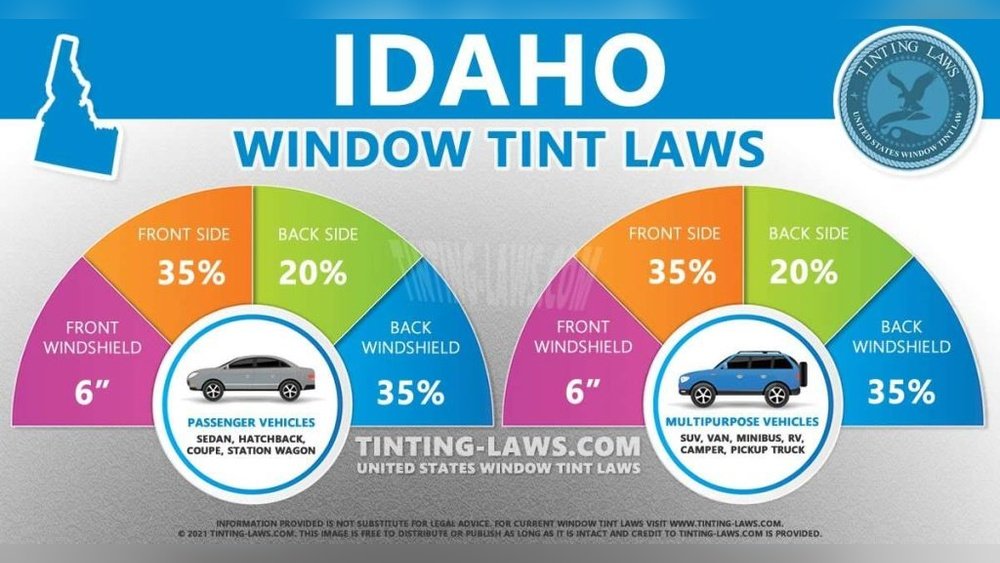
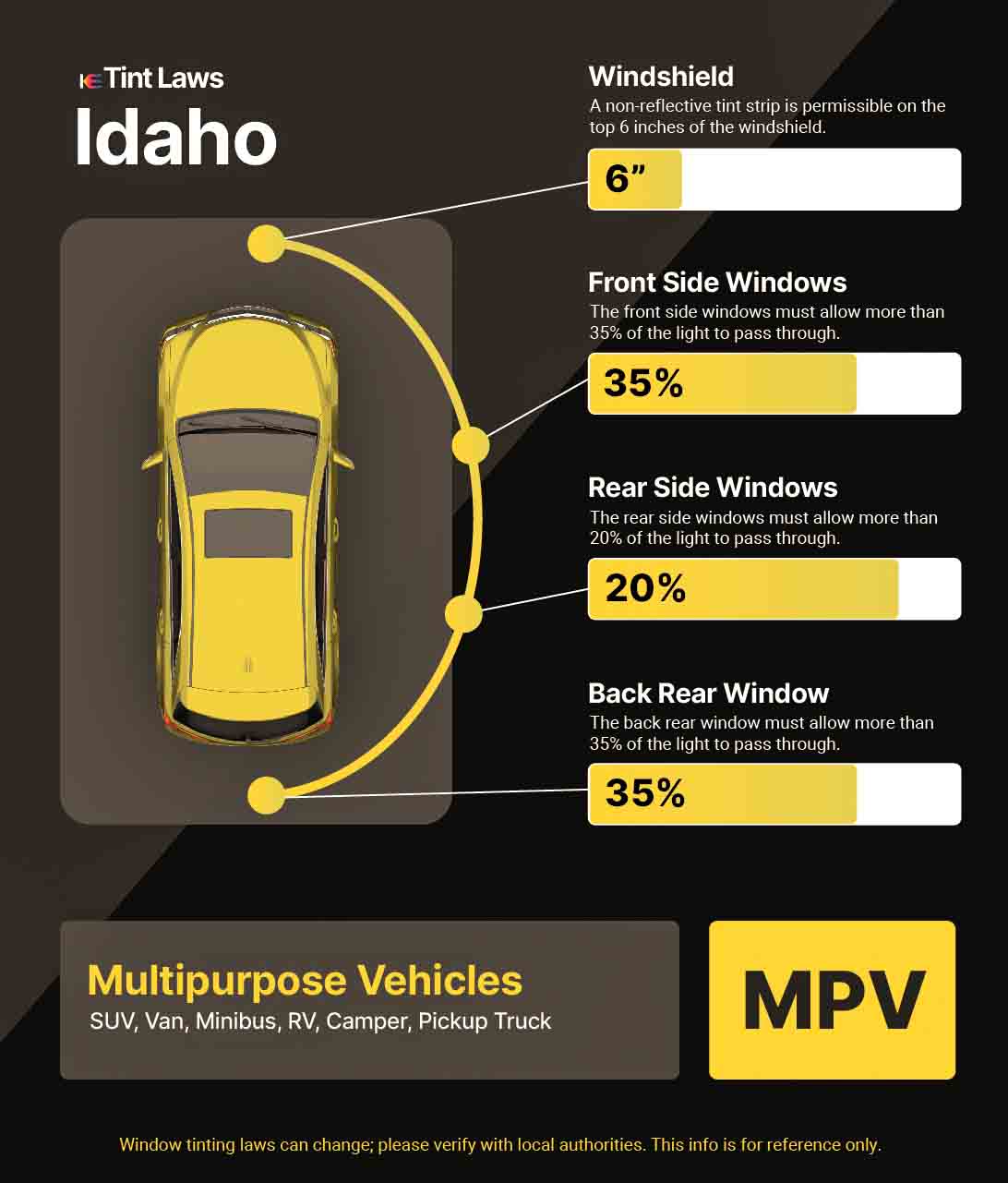
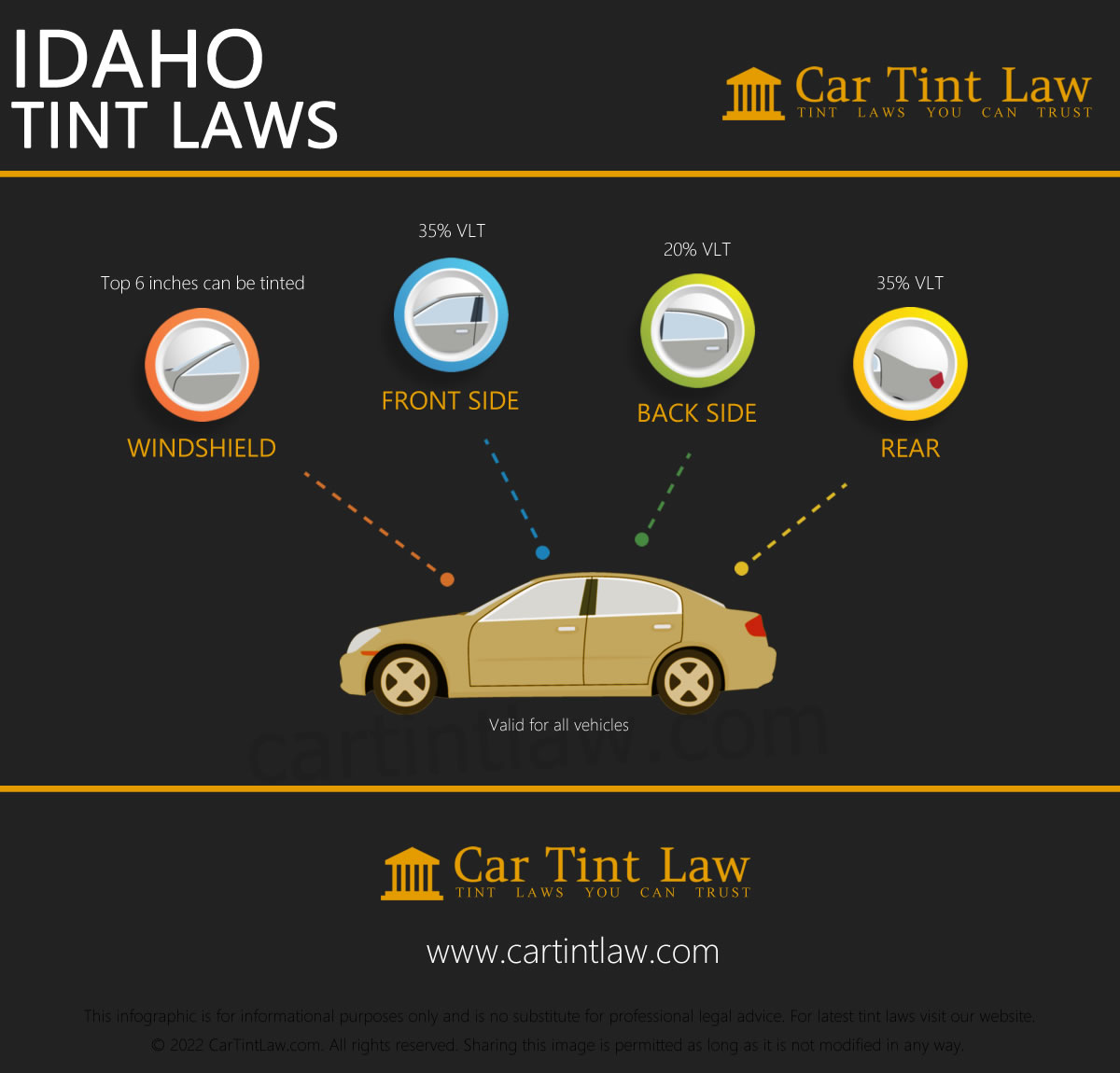
Idaho law requires front side windows to allow more light. The tint must let in at least 35% of visible light. This means the tint cannot be too dark on these windows. Clear visibility helps drivers see other cars and pedestrians.
Rear Side Windows
There is no limit on how dark tint can be on rear side windows. However, if the rear side windows are tinted dark, you must have outside mirrors on both sides of the vehicle. These mirrors help the driver see behind and beside the car clearly.
Rear Window
Similar to rear side windows, the rear window can have any darkness of tint. But outside mirrors must be present on both sides if the rear window is tinted dark. This rule helps keep good visibility while driving.
Windshield Tinting Rules
Idaho only allows tinting on the top 5 inches of the windshield. This tinted strip is called the “sun visor strip.” Tinting below this area is not allowed. The windshield must let in most visible light for safety reasons.

Credit: baminjurylaw.com
Tint Rules For Trucks
Tint rules for trucks in Idaho protect drivers and others on the road. The law sets clear limits on how dark truck window tints can be. These rules help maintain good visibility and safety for truck drivers.
Window Tint Percentages
Idaho allows certain tint levels on truck windows. The front side windows must allow more than 35% of light in. Rear side windows and the back window can have any darkness. This means truck owners can choose darker tints for rear windows.
Light Transmission, or VLT, is the key measure. A 35% VLT means 35% of outside light passes through. Lower percentages mean darker tint. Front windows need lighter tint for better visibility.
If trucks have dark tint on rear or side windows, the law needs outside mirrors. Trucks must have two outside mirrors. These mirrors help drivers see behind and beside the truck. This is important when rear windows are very dark or tinted.
Special Provisions
There are exceptions for medical reasons. Drivers with certain eye conditions may get permission for darker tint. This requires a doctor’s note and state approval. Emergency vehicles and certain commercial trucks have different rules.
Trucks with factory-installed tint are usually allowed if they meet state rules. Always check the tint percentage and mirror setup before driving.
Medical Exemptions
In Idaho, some people need darker window tints for medical reasons. The state allows special medical exemptions for them. These exemptions help people with certain health issues protect their eyes. Understanding the rules for medical exemptions can save you from legal trouble and help maintain safety.
Qualifying Conditions
Idaho allows medical exemptions mainly for light-sensitive conditions. People with lupus, albinism, or severe photophobia may qualify. Certain eye diseases like retinitis pigmentosa also meet the criteria. A doctor’s note is required to prove the condition. Only approved medical conditions get an exemption.
Application Process
To apply, get a written statement from your doctor. The statement must explain the medical need for tinting. Submit the form to the Idaho Department of Motor Vehicles (DMV). Include any required fees with the application. Wait for approval before installing the tint.
Exemption Benefits
Approved medical exemptions allow darker window tint than usual. This helps reduce glare and protect sensitive eyes. Drivers with exemptions avoid fines for darker tint. The exemption also permits tinting on windows normally restricted. It improves comfort and safety for people with special needs.
Credit: kepler-dealer.com
Enforcement And Penalties
Idaho enforces window tint laws to maintain road safety and clear visibility. Drivers must follow these rules or face penalties. The state police regularly check vehicles for illegal tint levels. Penalties help discourage unsafe tinting and keep drivers aware.
Common Violations
Many drivers tint front side windows darker than allowed. Windshield tinting beyond the top strip is another frequent issue. Rear window tint without proper mirrors also breaks the law. These violations reduce driver visibility and increase risk.
Fines And Tickets
Violating tint laws in Idaho leads to fines and tickets. The cost varies but usually starts around $75. Repeat offenses may result in higher fines. Officers may require removal of illegal tint after a ticket. Paying the fine does not legalize the tint.
Police Enforcement Trends
Idaho police actively enforce window tint rules during traffic stops. Enforcement is stricter in urban areas and during safety campaigns. Officers use tint meters to measure light transmission. They focus on front windows and windshield tints. Consistent checks promote safer driving conditions statewide.
Choosing The Right Tint
Choosing the right window tint in Idaho means understanding local laws and practical options. Your choice affects safety, visibility, and legal compliance. Picking the proper tint helps avoid fines and keeps your vehicle looking great. Here is a clear guide to help you select the right tint for your car windows.
Vlt Explained
VLT stands for Visible Light Transmission. It shows how much light passes through your tinted windows. A higher VLT means lighter tint. Idaho law sets limits on VLT levels for different windows. For example, front side windows must allow more light than rear windows. Knowing VLT helps you choose a tint that meets Idaho’s rules and keeps your car safe.
Non-reflective Tint Options
Non-reflective tints reduce glare without creating mirror-like surfaces. These tints keep your windows dark but still let you see clearly. Idaho allows non-reflective tints as long as they follow VLT limits. This type of tint suits drivers who want a subtle look. It also helps reduce heat and UV rays inside the car.
Balancing Style And Compliance
Window tint can boost your car’s style and comfort. Dark tints look sleek but must fit Idaho’s legal limits. Choose tints that balance appearance with safety rules. Consider how much light you want inside your car. Also, check state laws often, as rules can change. This balance helps you enjoy your car and avoid legal trouble.
Mirror Requirements
Understanding mirror requirements is essential for legal window tinting in Idaho. These rules ensure drivers maintain clear visibility and safety on the road. Idaho law specifies when mirrors are needed if certain windows are tinted dark. Knowing these details helps avoid tickets and keeps your vehicle compliant.
When Mirrors Are Needed
Idaho law requires outside mirrors on both sides if the rear side windows or rear window have tint that reduces visibility. This rule applies when the tint is dark enough to limit the driver’s view. Without these mirrors, you cannot legally have dark tint on these windows. The mirrors help provide necessary visibility to the sides and rear of the vehicle.
Types Of Allowed Mirrors
The law allows only outside mirrors mounted on the driver’s and passenger’s sides. These mirrors must provide a clear view of the road behind the vehicle. Interior mirrors alone do not meet the requirement if your rear side or rear window tint is dark. The outside mirrors must be in good condition and properly adjusted to ensure safe driving.
Credit: www.cartintlaw.com
Frequently Asked Questions
What Is The Darkest Legal Tint In Idaho?
The darkest legal tint in Idaho allows 35% Visible Light Transmission (VLT) on front side windows. Rear windows have no VLT limit but require outside mirrors if tinted. Windshield tint must not extend below the AS-1 line.
Is 20% Window Tint Darker Than 35%?
Yes, 20% window tint is darker than 35%. Lower percentages mean less visible light passes through, creating a darker shade.
How Much Is A Tint Ticket In Idaho?
A tint ticket in Idaho typically costs between $50 and $100. Fines vary by violation severity and county.
Can You Still See Through 20% Tint?
Yes, you can see through 20% tint, but visibility is reduced, appearing darker from outside while still allowing some light inside.
Conclusion
Understanding Idaho’s window tint laws helps you stay safe and avoid fines. Each vehicle window has specific tint limits to follow. Proper tinting improves comfort without breaking the law. Always check the latest rules before tinting your windows. Staying informed protects you and other drivers on the road.
Respecting these laws ensures clear visibility for everyone. Remember, compliance keeps your vehicle legal and safe.