Are you thinking about tinting your car windows in Alabama? Before you get started, it’s important to know the state’s window tint laws.
These rules can be tricky, and if you don’t follow them, you might face fines or other penalties. But don’t worry—understanding the laws will help you enjoy the benefits of window tinting without any surprises. You’ll learn exactly what Alabama allows, how dark your tint can be, and what happens if you don’t comply.
Keep reading to protect yourself and your vehicle while making the most of your window tint!
Credit: lglcustoms.com
Alabama Tint Limits
Alabama has specific rules about how dark window tint can be on different parts of a vehicle. These rules protect drivers, passengers, and law enforcement officers. Knowing the limits helps avoid fines and keeps everyone safe on the road.
Front Side Windows
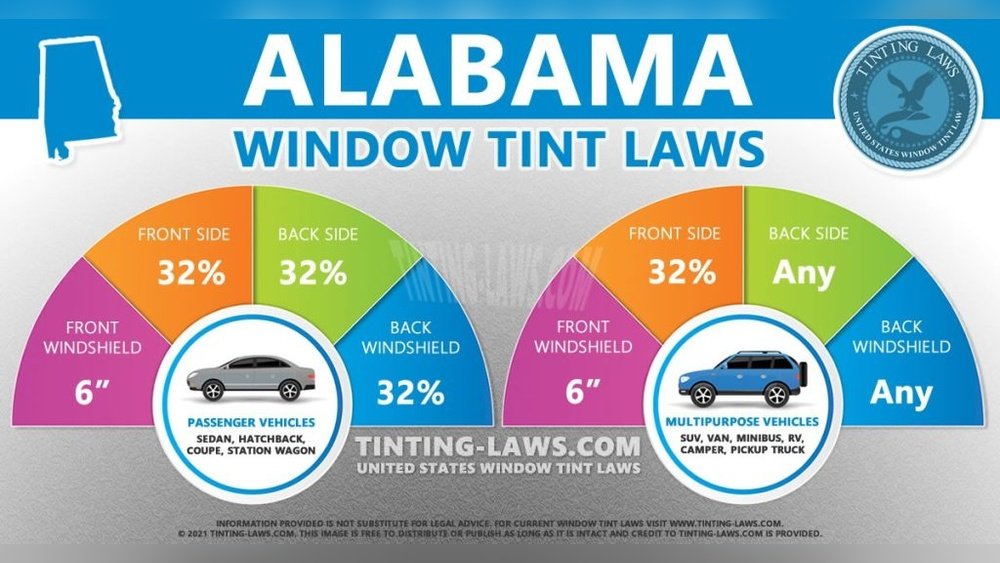
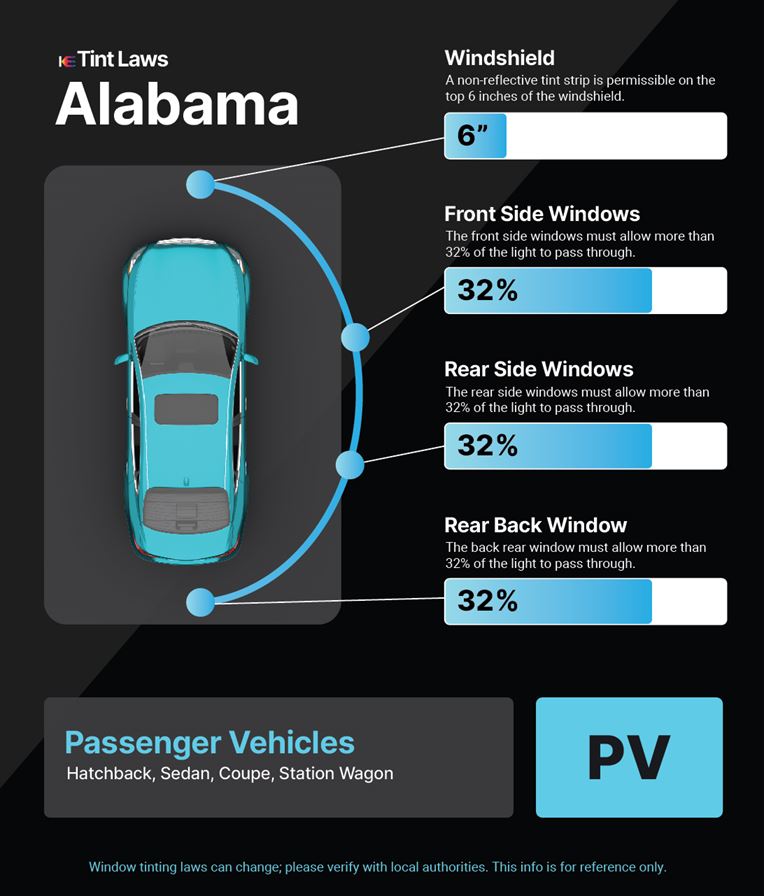
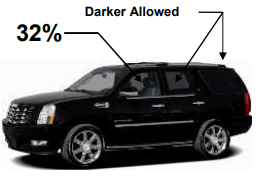
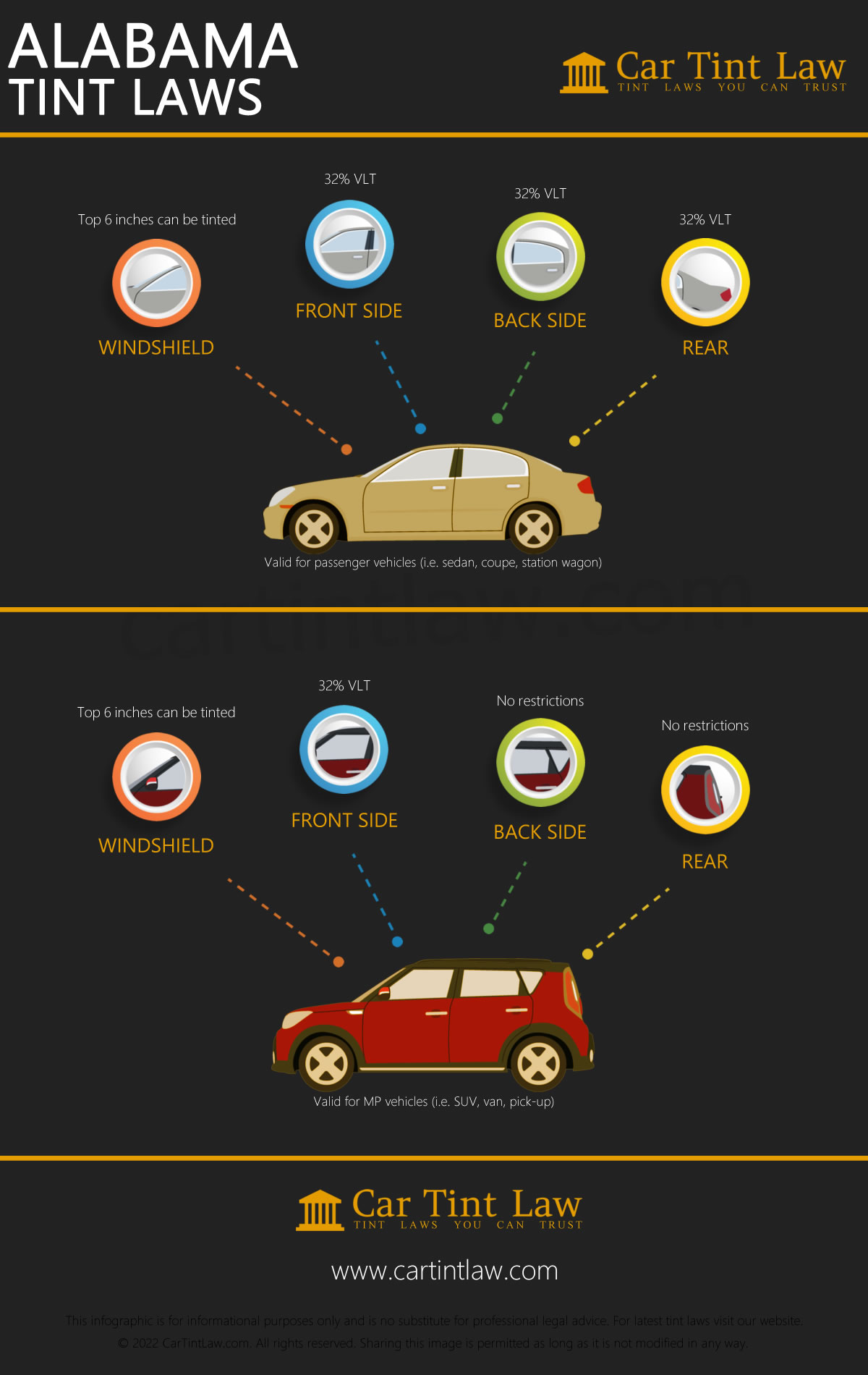
In Alabama, the front side windows must allow more light to pass through. The tint must let in at least 32% of visible light. This means the tint cannot be too dark on these windows. It helps drivers see clearly and lets police see inside the car.
Rear Side Windows And Windshield
The rear side windows can have darker tint than the front. Alabama allows any darkness on these windows, so drivers can choose their preferred shade. The rear windshield also follows the same rule. It can have any level of tint, but vehicles must have side mirrors on both sides.
Windshield Restrictions
Alabama law says only the top few inches of the windshield can be tinted. This tinted area must be above the manufacturer’s AS-1 line. Tinting below this line is not allowed. It ensures the driver has a clear view of the road ahead.
Tint Darkness Explained
Understanding tint darkness is key to following Alabama’s window tint laws. Tint darkness refers to how much light the film lets through your car windows. The darker the tint, the less light passes through. Alabama sets limits on tint darkness to keep drivers safe and visible on the road.
Knowing these limits helps you avoid fines and penalties. It also ensures your driving experience stays safe, day or night. Below, we explain important terms and factors about tint darkness in Alabama.
Visible Light Transmission (vlt)
Visible Light Transmission, or VLT, measures how much light passes through your tinted window. It is shown as a percentage. A 50% VLT means 50% of light can pass through the tint. Alabama law requires at least 32% VLT on front side windows. This means the tint cannot block more than 68% of light.
Lower VLT percentages mean darker tints. Dark tints can reduce visibility for drivers and police officers. Alabama uses VLT to balance privacy and safety on the road.
Common Tint Shades
Tint shades come in various darkness levels. Common options range from light 50% VLT to very dark 5% VLT. Many drivers choose 35% or 50% VLT for a good mix of style and legality. The front side windows must follow the 32% VLT rule strictly.
Rear windows and the back windshield have fewer restrictions. People often use darker tints there for privacy and sun protection. Always check local laws before applying very dark tints.
Impact On Night Driving
Dark tints can make night driving harder. They reduce the amount of light entering the car. This can lower visibility of the road and obstacles. It may cause eye strain or delayed reaction times. Alabama’s tint laws aim to keep night driving safe.
Choosing a tint with enough light transmission helps drivers see clearly in low light. Consider lighter tints if you drive often at night. Safe visibility protects you, your passengers, and others on the road.
Legal Consequences
Violating Alabama’s window tint laws leads to serious legal consequences. The state enforces strict rules to ensure driver safety and visibility. Ignoring these rules can result in fines, court appearances, and higher costs for repeat offenses. Understanding these penalties helps drivers avoid trouble and comply with the law.
Fines And Penalties
Alabama issues fines for illegal window tint levels. The amount depends on the tint darkness and location of the violation. First-time offenders usually pay a base fine. Police officers may issue a citation on the spot. Fines serve as a deterrent to prevent unsafe tinting.
Repeat Offense Costs
Costs rise with each repeat offense. The law imposes higher fines for multiple violations within a set period. Repeat offenders might face additional penalties beyond the initial fine. These increased costs encourage drivers to follow tint regulations strictly.
Court Appearance Requirements
Some tint violations require a court appearance. Courts handle cases where fines are contested or serious violations occur. Failing to appear may result in extra penalties or license suspension. Attending court ensures the driver can explain or resolve the issue legally.
Credit: www.alea.gov
Insurance Implications
Window tint laws in Alabama do more than regulate your vehicle’s appearance. They also impact your car insurance in important ways. Knowing these effects helps you avoid surprises and extra costs.
Illegal tinting can lead to penalties that affect your insurance record. Insurance companies may view tint violations as a risk factor. This can influence your rates and coverage options.
Effect On Rates
Getting a ticket for illegal window tint may increase your insurance premiums. Insurers see traffic violations as signs of risky behavior. Even a minor tint violation can raise your costs. Maintaining legal tint levels helps keep your rates stable.
Handling Tickets
If you receive a tint ticket, act quickly. Pay the fine or appear in court if required. Ignoring the ticket could lead to more penalties. These penalties can then impact your insurance record. Timely handling helps limit the damage to your insurance.
Insurance Reporting
Law enforcement may report tint violations to insurance companies. This report becomes part of your driving record. Insurance companies use this information to assess risk and set rates. Keeping your tint legal reduces the chance of negative reports.
Local Vs State Laws
Understanding window tint laws in Alabama requires knowing the difference between local and state regulations. The state sets general rules, but cities and counties can add their own restrictions. This means tint rules might change depending on where you drive. Being aware of both helps avoid fines and legal trouble.
Municipal Variations
Some cities in Alabama have stricter tint laws than the state. For example, a city might allow less tint on front windows than the state permits. These local rules aim to improve safety or law enforcement visibility. Drivers must follow these local limits inside city boundaries. Ignoring municipal variations can lead to tickets even if state laws are met.
Statewide Enforcement
Alabama’s state law sets the basic tint limits for all vehicles. Law enforcement officers use these rules to check window tint during stops. State police can issue citations if a vehicle does not meet the minimum visible light transmission. Statewide enforcement means rules apply across all counties. Knowing the state baseline helps drivers stay compliant everywhere.
How To Check Local Rules
To find local tint laws, start by visiting the city or county official websites. Local police departments may also provide information on window tint regulations. Calling the local DMV or municipal court can give clear answers. Checking local rules before tinting saves money and hassle. Always confirm local laws along your common routes.
Choosing The Right Tint
Choosing the right window tint for your vehicle in Alabama requires careful thought. It is important to meet state laws while enjoying the benefits of tinting. The right tint can improve privacy, reduce heat, and protect from UV rays. It also must keep your visibility clear and safe while driving. Understanding legal limits and options helps you pick the best film for your needs.
Balancing Privacy And Visibility
Privacy is a key reason many choose tinted windows. Darker tints block views into the car, offering security and comfort. But too dark a tint can reduce visibility, especially at night. Alabama law sets limits to keep driver sight clear. Finding a tint that protects your privacy without hurting your view is vital. Choose a shade that allows enough light inside the car. This balance keeps you safe and within legal rules.
Popular Legal Tint Choices
Alabama law allows different tint levels on each window. The front side windows must let in at least 32% of light. Rear side and back windows have no restriction on darkness. Many drivers pick a medium tint for front windows and darker for rear ones. Common choices include ceramic, metallic, and dyed films. Ceramic tints offer good heat rejection and clear views. Metallic films reflect heat but may interfere with electronics. Dyed tints are affordable and provide good privacy but less heat control.
Certified Tint Films
Using certified tint films ensures quality and legal compliance. Certified films meet standards for light transmission and safety. They often come with a warranty and proof of compliance. Alabama law may require installers to provide certification documents. Certified films reduce the risk of fines and problems during inspections. Always ask for certified products from trusted dealers. This choice protects your investment and keeps your vehicle legal on the road.
How To Handle A Ticket
Receiving a window tint ticket in Alabama can feel overwhelming. Understanding how to handle the ticket helps reduce stress and avoid further issues. This section explains the steps to take after getting a ticket for illegal window tint. Clear actions keep you informed and prepared.
Paying Fines
Most window tint tickets require paying a fine. The ticket will state the exact amount due. Paying on time avoids extra penalties and court appearances. Some courts allow online or mail payments for convenience. Keep the payment receipt as proof.
Court Procedures
Sometimes you must appear in court. The ticket will specify the court date and location. Arrive early and dress appropriately. Be respectful to the judge and officers. Present any evidence or documents that support your case. Listen carefully to the judge’s instructions.
Appealing A Ticket
You may appeal a window tint ticket if you believe it was unfair. File a written request with the court before the deadline. Prepare your case with facts and evidence. Attend the appeal hearing and explain your side clearly. The judge will decide to uphold or dismiss the ticket.
Resources For Compliance
Understanding Alabama’s window tint laws is crucial for all vehicle owners. Following the rules keeps you safe and avoids fines. Resources for compliance help you know the exact legal limits. They also guide you on how to install tints properly. Use these resources to stay informed and compliant.
Official State Agencies
The Alabama Law Enforcement Agency (ALEA) provides official information on tint laws. Their website has detailed rules and updates. You can contact them for any clarifications about tint limits. ALEA also enforces the regulations across the state. Checking their resources ensures you meet the legal standards.
Legal Advice Contacts
Legal professionals in Alabama offer advice on window tint regulations. They explain how laws apply to your situation. Lawyers can help if you receive a tint violation ticket. Some offer free initial consultations to discuss your case. Getting legal advice prevents costly mistakes and misunderstandings.
Tint Installation Services
Choose tint installers who know Alabama’s laws well. Certified professionals ensure your window tint meets legal requirements. They use quality materials and follow state guidelines strictly. Many services provide warranty and advice on maintenance. Proper installation reduces the risk of fines or removal orders.
Credit: www.cartintlaw.com
Frequently Asked Questions
How Much Is A Tint Ticket In Alabama?
A tint ticket fine in Alabama typically ranges from $50 to $150. Court fees can increase the total cost. Repeat offenses may lead to higher fines. Check your citation or local court for exact amounts. Illegal tinting can also affect your car insurance rates.
In What State Is 20% Tint Legal?
New Mexico allows 20% tint on front side windows legally. Most states restrict front tint to lighter shades. Check local laws before tinting.
Is 35% Tint Considered Dark?
A 35% tint is considered medium-dark. It offers moderate privacy and sun protection while maintaining good night visibility. Many states allow 35% as the darkest legal tint for front side windows. It balances style, comfort, and legality without appearing overly dark or blacked out.
Can You Still See Through 20% Tint?
Yes, you can see through 20% tint. It offers moderate privacy while maintaining clear daytime and nighttime visibility.
Conclusion
Understanding Alabama’s window tint laws helps you stay safe and legal. Always check tint limits for each window type. Avoiding illegal tinting can save money on fines and insurance hikes. Keep your vehicle compliant to prevent court visits and penalties.
Clear knowledge makes choosing tint easier and worry-free. Stay informed, follow rules, and enjoy your drive with confidence.