Are you thinking about tinting your car windows in Illinois? Before you get started, it’s important to know the state’s window tint laws to avoid fines or even getting pulled over.
Illinois has specific rules about how dark and reflective your window tint can be, and these rules vary depending on the type of vehicle you drive—whether it’s a sedan, SUV, or truck. Plus, there are special medical exemptions if you need extra protection from sunlight.
Understanding these laws will help you stay safe, legal, and comfortable while on the road. Keep reading to get the clear facts you need about window tint laws in Illinois and make the best choice for your vehicle.
Legal Tint Limits
Illinois has clear rules for window tint darkness. These rules keep drivers safe and visible. Tint limits depend on the vehicle type. Understanding these legal limits helps avoid fines and issues.
Sedans And Cars
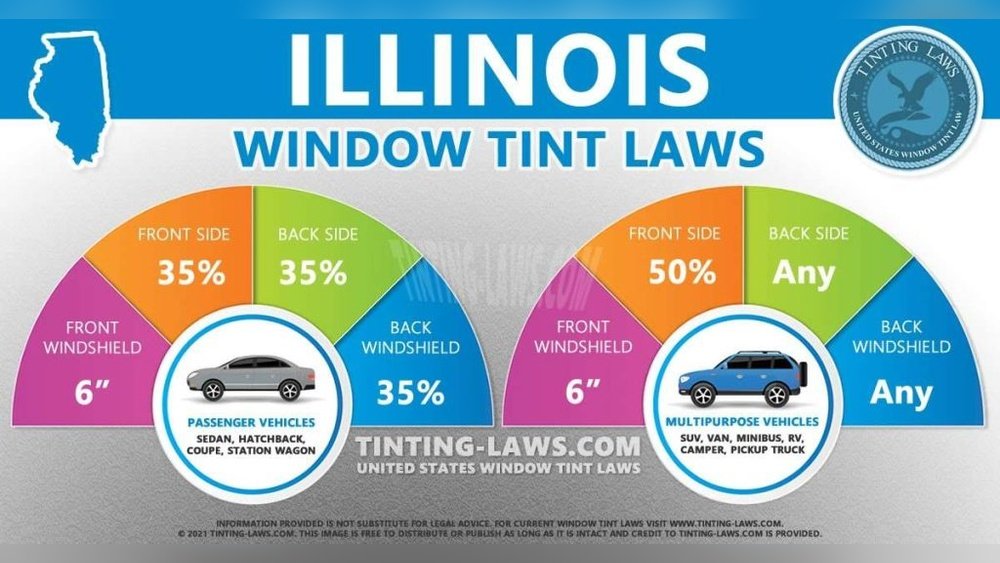
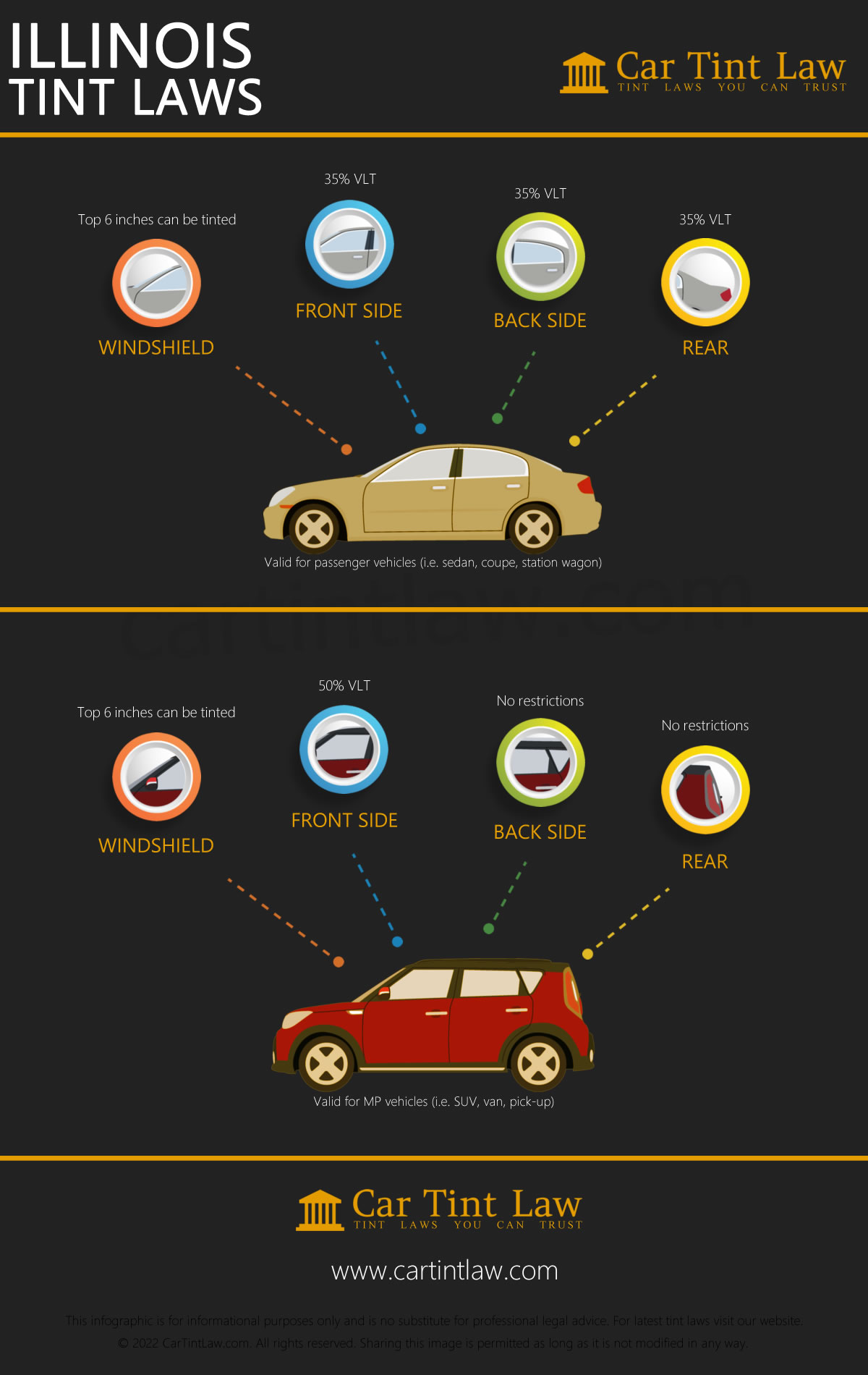
Front side windows must let in more than 35% of light. This means tint cannot be too dark. Rear side windows can have any tint darkness. The rear window also allows any tint. All tint must be non-reflective to avoid glare.
Suvs And Vans
Front side windows must allow at least 35% of light. Rear side windows and the rear window can have any darkness. This rule gives more flexibility for tint on the back windows. Reflective tint is not allowed on any window.
Trucks
Trucks follow the same rules as sedans. Front side windows need 35% or more visible light transmission (VLT). Rear side windows and back window tint can be very dark. The tint must not reflect light back at drivers or others.

Credit: kepler-dealer.com
Visible Light Transmission Rules
Visible Light Transmission (VLT) rules control how much light passes through tinted windows. These rules help keep drivers safe and ensure law enforcement can see inside vehicles. Illinois has clear limits on VLT to balance privacy and visibility.
Different vehicle types have different VLT requirements. Sedans and SUVs have specific rules for front and rear windows. Understanding these rules prevents fines and keeps your tint legal.
Vlt Requirements For Sedans
Sedans must have at least 35% VLT on front side windows. This means 35% or more of outside light must pass through. Rear side windows and back windows can have any darkness level. The tint cannot be reflective or mirror-like on any window.
Vlt Rules For Suvs And Vans
SUVs and vans have more flexibility. Front side windows still need at least 35% VLT. Rear side windows and back windows can be tinted darker. No reflectivity is allowed on any window. These rules apply to multi-purpose vehicles as well.
Non-reflective Tint Requirements
All window tints in Illinois must be non-reflective. Reflective tint can cause glare and affect other drivers. This rule helps maintain clear visibility and road safety. Avoid any tint that looks like a mirror or shiny surface.
Medical Exemptions For Tinted Windows
Some drivers qualify for medical exemptions. A doctor’s note is needed to apply for special tinted window permits. This helps people with light sensitivity or other medical issues. The exemption allows darker tints beyond normal limits.
Reflectivity Restrictions
Reflectivity restrictions in Illinois window tint laws control how shiny or mirror-like the tint can appear. These rules help keep roads safe by ensuring drivers and law enforcement have clear visibility through vehicle windows. Illinois requires that all window tints must be non-reflective, which means the tint cannot reflect light like a mirror.
The goal of these restrictions is to reduce glare for both drivers and other motorists. Reflective tints can cause distractions and block the view of drivers trying to see inside or outside a vehicle. Illinois strictly prohibits any tint that creates a mirror effect on the front and rear side windows.
What Does Non-reflective Mean?
Non-reflective tint means the film should not shine or sparkle in bright light. It must look matte or flat, without a metallic or glassy finish. This rule helps prevent glare that can affect other drivers on the road.
Which Windows Are Affected By Reflectivity Rules?
The reflectivity rules apply mainly to front and rear side windows. Tints on these windows must not be reflective. Rear windows and back side windows on SUVs and vans have more lenient rules, but the tint still cannot be shiny or mirror-like.
Penalties For Violating Reflectivity Restrictions
Using reflective tint can result in fines or orders to remove the tint. Police officers may stop vehicles with illegal tint for safety concerns. Always choose tint films that meet Illinois standards to avoid legal trouble.
Medical Exemptions
Illinois allows medical exemptions for window tint laws. These exemptions help drivers with certain health issues use darker tints. This can protect their skin and eyes from harmful sunlight. The process requires official proof and approval from state authorities.
Eligibility Criteria
To qualify, a person must have a medical condition affected by sunlight. Common conditions include lupus, skin cancer, and severe photosensitivity. A licensed doctor must confirm the condition. The medical statement should explain why tinting is necessary. Only approved conditions receive exemptions. The tint must still meet some safety standards.
Application Process
The driver must get a written certification from a licensed physician. This document states the medical need for tinted windows. The certification goes to the Illinois Secretary of State office. The applicant submits a form along with the doctor’s statement. After approval, the state issues a special license or permit. This permit allows the use of darker window tints legally.
Enforcement And Penalties
Illinois enforces window tint laws strictly to ensure driver safety and clear visibility. Law enforcement officers regularly check vehicles for compliance during traffic stops. Violations can lead to fines and other penalties. Understanding enforcement helps drivers avoid costly consequences.
How Enforcement Works
Police officers use special tools to measure tint darkness. They check visible light transmission (VLT) percentages on windows. If tint is darker than allowed, officers issue a citation. Enforcement focuses mostly on front side windows and windshield.
Common Penalties For Violations
Fines vary but usually start around $150 for first offenses. Repeat violations can increase fines and lead to court appearances. Officers may require removal of illegal tint. Failure to comply can result in additional fines or vehicle impoundment.
Medical Exemption Enforcement
Illinois allows medical exemptions for certain conditions. Drivers must carry a certified letter from a doctor. Police verify exemption documents during stops. Without proper proof, drivers face penalties like any other violation.
Credit: www.cartintlaw.com
Recent Law Changes
Illinois recently updated its window tint laws to improve clarity and safety. These changes affect tint darkness limits and where tint can be applied. Vehicle owners must know the new rules to avoid fines and keep their cars compliant.
Updated Visible Light Transmission (vlt) Limits
The state raised the minimum VLT percentage for front side windows to 35%. This means tint must allow at least 35% of light through. Rear side windows and rear windshield rules remain more flexible, especially for SUVs and vans.
Non-reflective Tint Requirements
All window tints must be non-reflective to prevent glare. Reflective tints that mirror light are no longer allowed on front and rear side windows. This change helps improve driver visibility and safety on the road.
Medical Exemptions Clarified
People with certain medical conditions can apply for special tinting permissions. A doctor’s written certification is required to get this exemption. The Illinois Secretary of State issues a tinted window license for these cases.
Impact On Different Vehicle Types
Sedans must follow stricter rules on front window tint darkness. SUVs and vans have more lenient options for rear windows. Truck owners should check specific limits that apply to their vehicle type.
Tips For Compliance
Following Illinois window tint laws keeps you safe and avoids fines. Knowing key tips helps you stay within the legal limits. These tips guide you through the rules simply and clearly.
Choose The Right Tint Darkness
Illinois law requires front side windows to allow at least 35% of light through. Rear side windows and back windows have more freedom, especially on SUVs and vans. Always check the exact Visible Light Transmission (VLT) percentage before buying tint film.
Use Non-reflective Tint
Tints must not be reflective or mirror-like on any window. Reflective tint can cause glare and is illegal in Illinois. Select films that clearly state they are non-reflective to comply with the law.
Keep Medical Exemptions Ready
If you have a medical condition requiring darker tint, get a doctor’s written statement. Apply for a special tinted window license plate through the Illinois Secretary of State. Always carry this certification in your vehicle to avoid penalties.
Get Professional Installation
Proper installation prevents bubbles, peeling, and uneven coverage. Professionals know legal limits and use quality materials. This reduces the risk of needing costly rework or receiving fines.
Regularly Inspect Your Tint
Over time, tint can fade or get damaged. Check your windows regularly to ensure the tint still meets legal standards. Replace or repair tint as soon as you notice any issues.

Credit: www.atrstl.com
Frequently Asked Questions
What Is The Darkest Legal Tint In Illinois?
The darkest legal tint for front side windows in Illinois is 35% Visible Light Transmission (VLT). Rear windows on sedans and SUVs can have any darkness. All tint must be non-reflective. Medical exemptions allow darker tints with a doctor’s certification.
Is 20% Window Tint Darker Than 35%?
Yes, 20% window tint is darker than 35%. Lower percentages mean less light passes through, creating a darker shade.
What Is The Legal Tint Darkness In Illinois?
Illinois law allows a minimum of 35% Visible Light Transmission (VLT) on front side windows of sedans. Rear side and rear windows can have any darkness for SUVs and vans. All tint must be non-reflective to comply with the law.
Are Reflective Window Tints Allowed In Illinois?
No, Illinois law prohibits reflective window tints on all vehicle windows. The tint must be non-reflective to avoid glare that can impair other drivers’ vision. This rule applies to both front and rear side windows.
Conclusion
Knowing Illinois window tint laws helps you stay legal and safe. Sedans have a 35% visible light transmission limit on front side windows. SUVs and vans allow darker tints on rear windows. All tints must be non-reflective to avoid fines.
Medical exemptions exist with proper doctor certification. Always check the latest rules before tinting your car. Following these laws prevents tickets and keeps you protected. Stay informed and tint your windows responsibly in Illinois.