Are you thinking about tinting your car windows in Oklahoma? Before you head out to get that sleek, dark look or extra sun protection, it’s important to know the state’s window tint laws.
These rules aren’t just about style—they’re designed to keep you safe and avoid costly tickets. In Oklahoma, there are specific limits on how dark your tint can be, where it can be applied, and even what colors are allowed. If you want to enjoy the benefits of window tinting without running into legal trouble, keep reading.
This guide breaks down everything you need to know about Oklahoma’s window tint laws, so you can make informed decisions and drive with confidence.
Credit: kepler-dealer.com
Legal Tint Limits
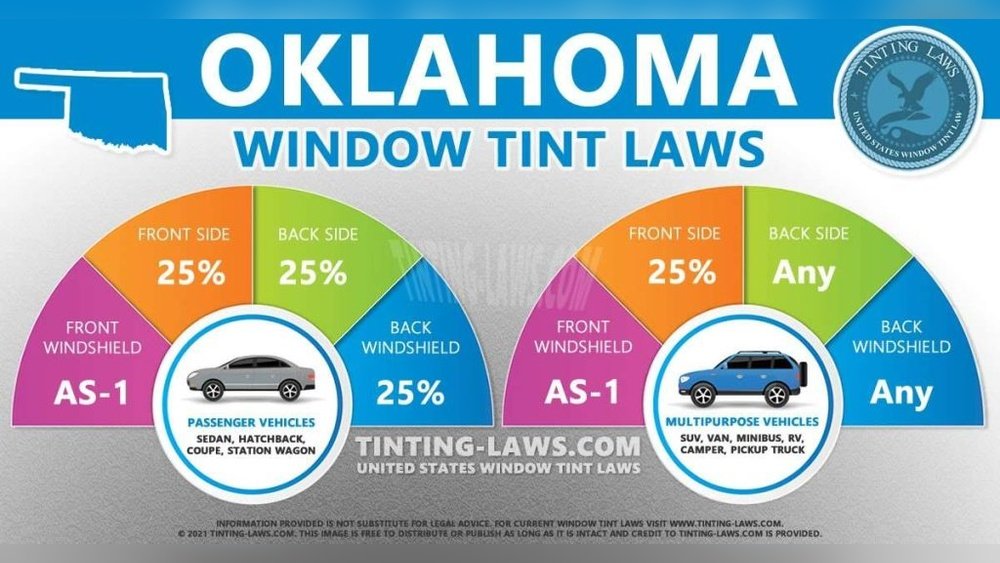
Oklahoma has clear rules about how dark your window tint can be. These rules protect drivers and officers by keeping visibility safe. Each window type has different limits. Knowing the legal tint limits helps avoid fines and keeps your car legal.
Windshield Tint Rules
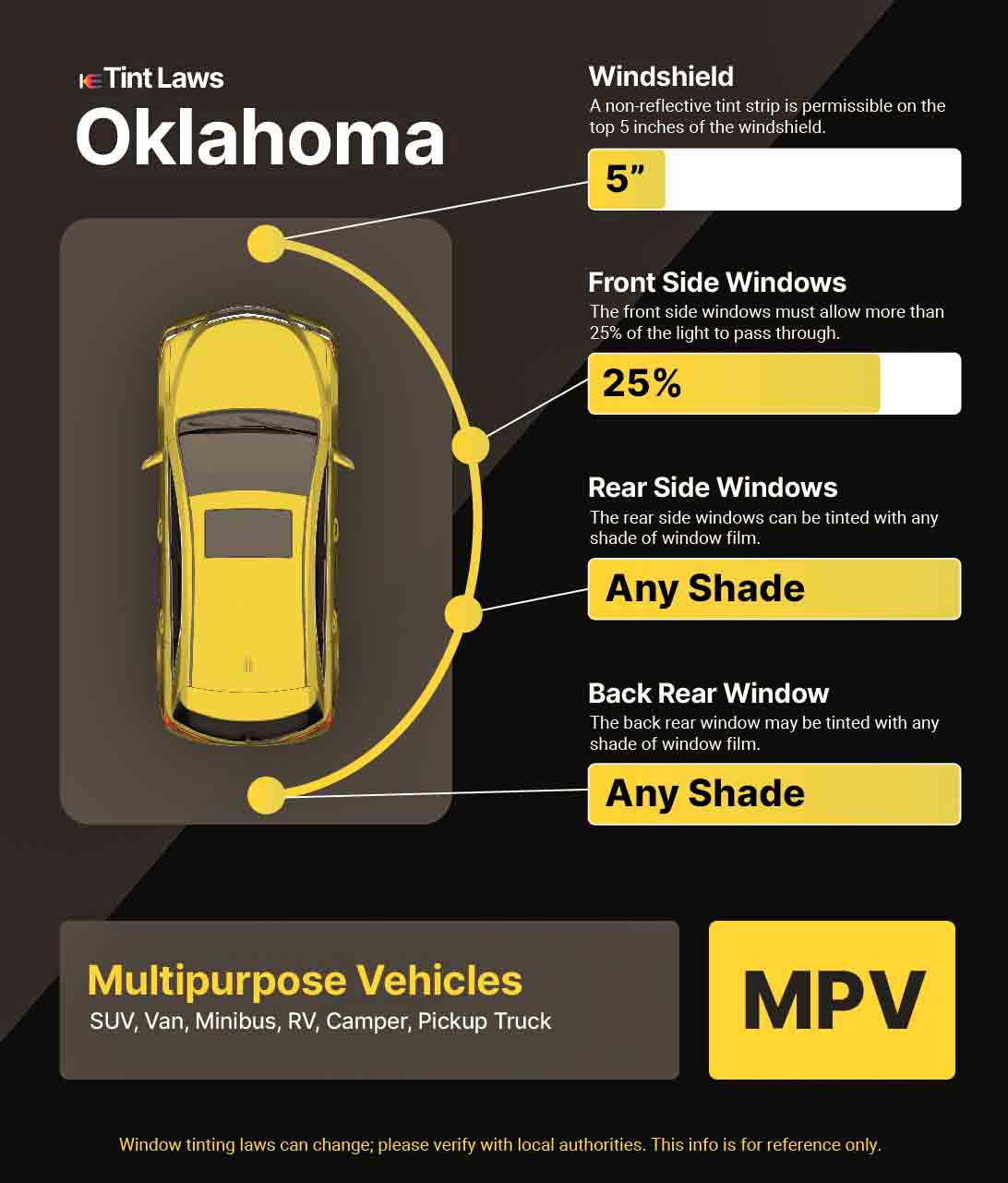
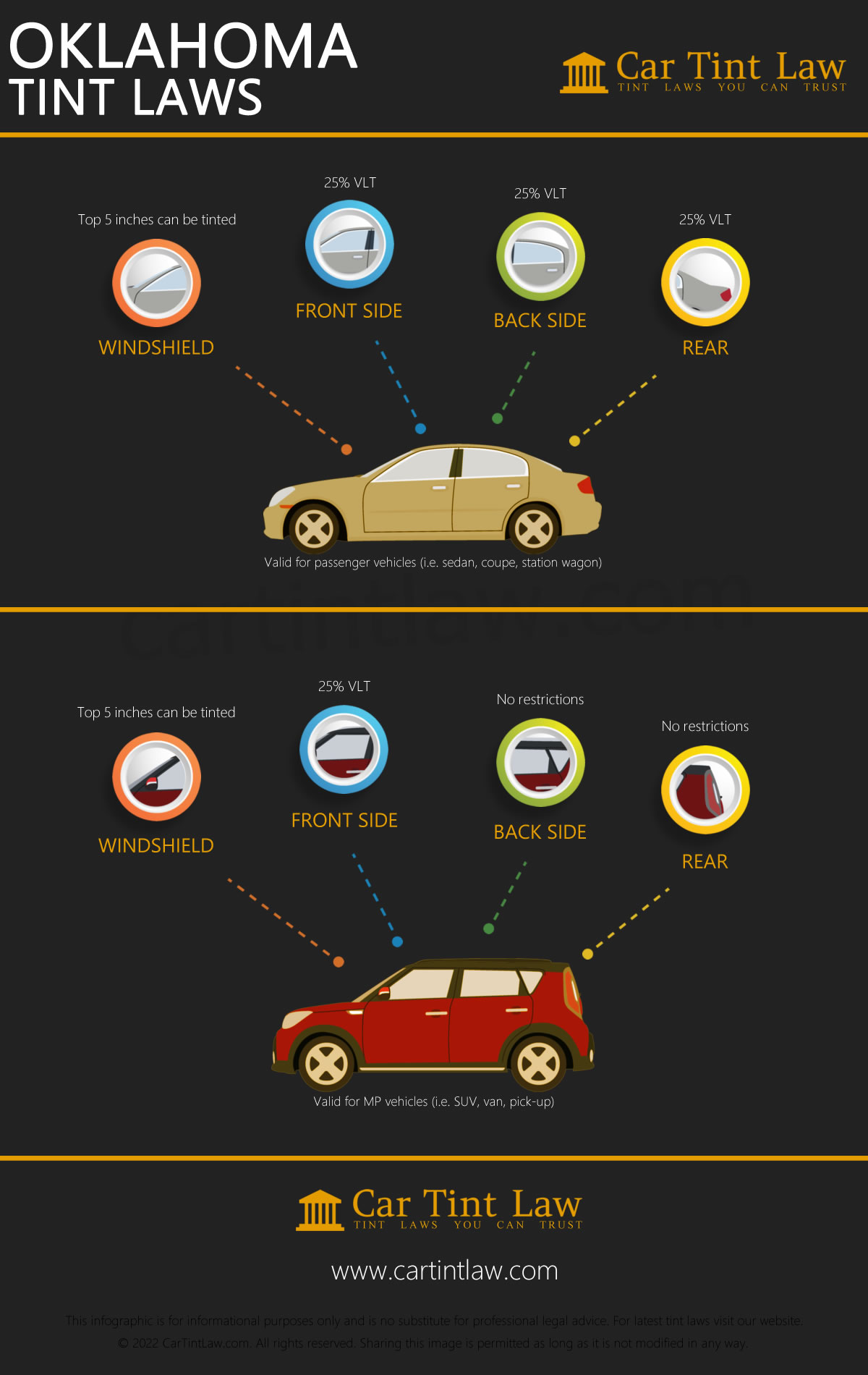
Only the top 6 inches of the windshield can have tint. This tint must be non-reflective. Dark tint on the main part of the windshield is not allowed. The goal is to keep the driver’s view clear and safe.
Front Side Window Limits
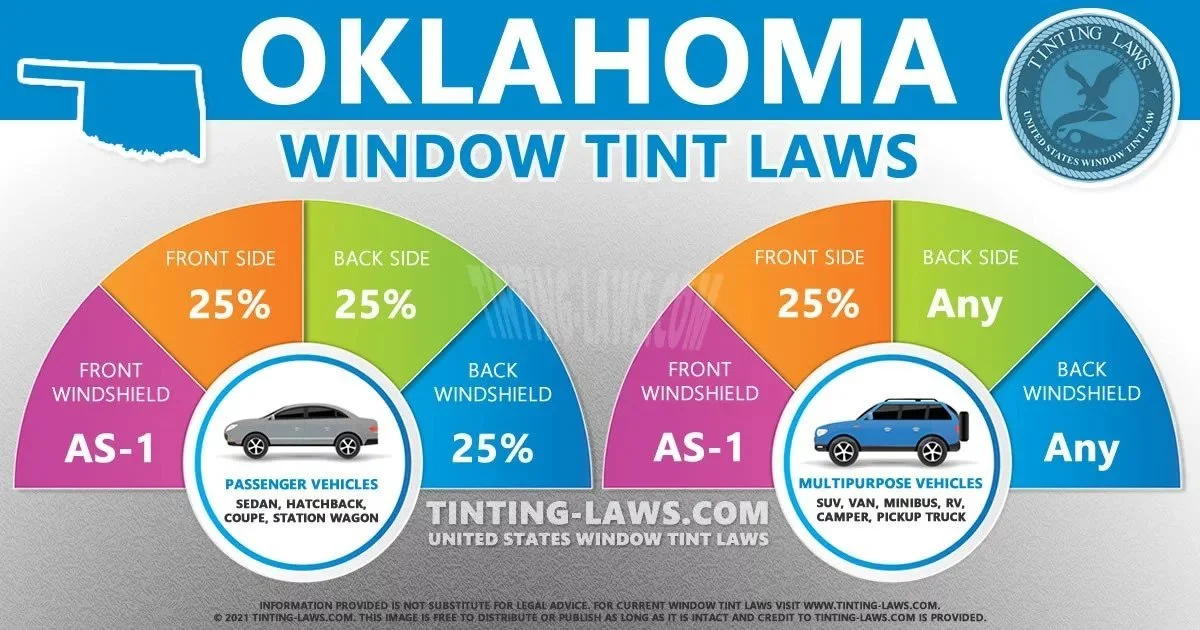
Front side windows must allow at least 25% of light through. This means the tint can block up to 75% of light. Darker tints on these windows are illegal. Officers must see inside the vehicle for safety reasons.
Rear Side Window And Rear Window Rules
Rear side windows and the rear window have fewer restrictions. Any darkness of tint is allowed on these windows. Drivers often use this to increase privacy and reduce glare. However, dual side mirrors are required if the rear window is tinted.
Suvs, Vans, And Trucks Tint Guidelines
Oklahoma allows the same tint rules for SUVs, vans, and trucks. The front side windows must meet the 25% light transmission rule. Rear windows can have any tint darkness. These vehicles also need dual side mirrors if the rear window is tinted.
Color And Reflectivity Rules
Oklahoma enforces strict rules on the color and reflectivity of window tints. These rules ensure driver safety and clear visibility on the road. The state allows only certain colors and limits how reflective films can be on vehicle windows. Understanding these rules helps avoid fines and vehicle inspections.
Prohibited Tint Colors
Oklahoma bans red, amber, and other bright colors for window tint. Only black or gray shades are generally allowed. These colors maintain the vehicle’s appearance and prevent distractions. Bright colors can interfere with law enforcement and other drivers. Stick to neutral shades to stay within the law.
Restrictions On Reflective And Metallic Films
Reflective films that mirror or shine too much are not legal in Oklahoma. Metallic tints that create glare or reflect light are also prohibited. The state limits reflectivity to keep windows clear and safe. Films must not block the view or cause visibility problems. Use non-reflective tint films approved by the state.
Mirror And Visibility Requirements
Oklahoma sets clear rules about mirrors and visibility for tinted vehicles. These rules help keep roads safe. They ensure drivers have good views around their cars. Understanding these requirements can help avoid fines and accidents.
Mirror and visibility rules focus on two main areas: mirror use and driver visibility. Each has specific laws in Oklahoma to follow.
Dual Side Mirror Mandate
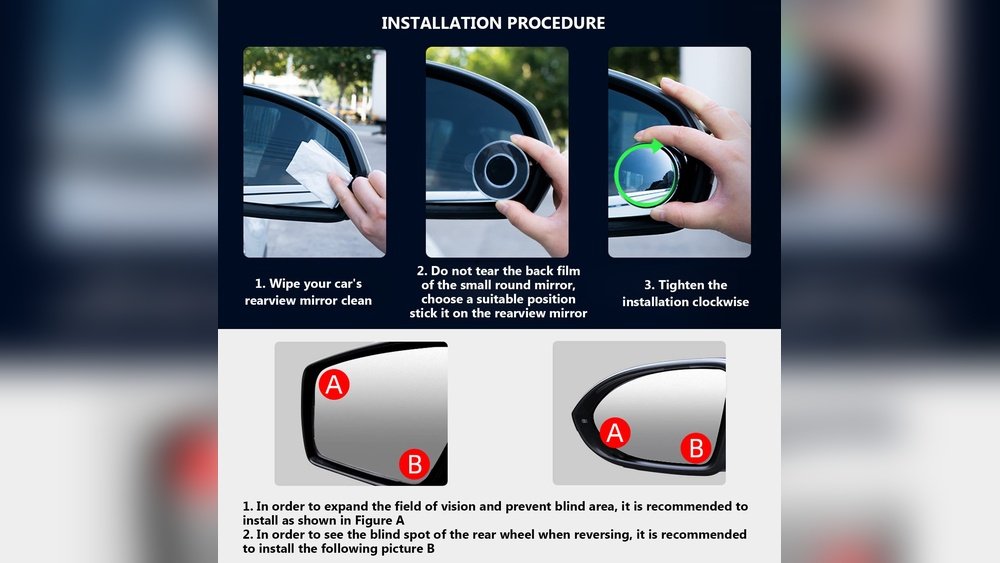
Oklahoma requires vehicles with tinted rear windows to have two side mirrors. These mirrors must be on both the driver and passenger sides. This rule helps drivers see behind and beside their cars. It compensates for the reduced view caused by dark rear tints. Without both mirrors, drivers may miss other vehicles or hazards. This mandate applies to all cars with rear window tint.
Visibility Standards For Drivers
Visibility rules limit how dark front side window tints can be. Drivers must see clearly through these windows from outside. The law sets a minimum visible light transmission (VLT) percentage. This standard ensures enough light passes through the glass. It helps police officers and other drivers see inside the vehicle. Clear visibility is crucial for safety checks and communication on the road. Oklahoma’s law balances privacy with public safety.
Credit: www.jce.com
Certification And Compliance
Certification and compliance play a key role in Oklahoma’s window tint laws. These rules ensure window films meet safety and legal standards. Drivers and manufacturers must follow clear guidelines to avoid penalties.
Understanding certification helps you pick the right tint. Compliance means your vehicle stays within the law. Both protect you and other road users.
Manufacturer Certification
All window tint films sold in Oklahoma require manufacturer certification. This proves the tint meets state light transmission limits. Certified films undergo tests to confirm safety and visibility standards. Without this certification, films are illegal to use.
Manufacturers provide documentation or labels showing compliance. This helps law enforcement verify the tint’s legality. Always choose films with proper certification to avoid fines or forced removal.
Sticker And Inspection Rules
Oklahoma does not require drivers to display a sticker proving window tint compliance. Law enforcement can still check tint darkness during traffic stops. Officers use tools to measure light transmission through the windows.
Although no sticker is needed, having certification documents in the vehicle is wise. It can speed up inspections and prevent misunderstandings. Regular inspection of your tint’s condition ensures ongoing compliance with state laws.
Medical Exemptions
Oklahoma allows medical exemptions for window tint laws. These exemptions help people with special health needs use darker tints. Darker tints can protect sensitive skin and eyes from sunlight. The state grants these exemptions only after careful review. Drivers must follow a clear process to get approval.
Qualifying Medical Conditions
Several medical conditions qualify for tint exemptions in Oklahoma. Conditions include lupus, albinism, and other skin disorders. Some eye diseases, like photophobia, also qualify. These conditions make people very sensitive to light. Darker window tints help reduce discomfort and protect health. A doctor must confirm the condition to qualify.
Application Process For Exemptions
To apply for a medical tint exemption, you need a doctor’s note. The note must explain the medical condition clearly. Submit the note to the Oklahoma Department of Public Safety. The department reviews the application carefully. If approved, you receive a special permit for darker tints. Keep this permit in your vehicle at all times. Law enforcement may ask to see it during stops.
Enforcement And Penalties
Understanding the enforcement and penalties of window tint laws in Oklahoma helps drivers stay compliant. Law enforcement officers have clear guidelines on when they can stop a vehicle for tint violations. Penalties for breaking these laws vary but usually involve fines and possible legal trouble. Staying informed prevents unnecessary stops and fines.
When Drivers Can Be Pulled Over
Officers may pull over a driver if their window tint appears too dark. The law allows stops when tint blocks clear view inside the vehicle. Police cannot stop a car just for tint unless it affects visibility. A vehicle may be checked if it seems unsafe or obstructs officer vision. Medical exemptions must be shown to avoid being pulled over.
Fines And Legal Consequences
Violating Oklahoma’s tint laws can lead to fines starting around $100. Repeat offenses might bring higher fines or court appearances. Police may require tint removal if windows are too dark. Ignoring orders to fix illegal tint can result in more severe penalties. Drivers should keep documentation for any legal exemptions to avoid fines.
Tips For Choosing Tint
Choosing the right window tint in Oklahoma needs care and knowledge. The state has clear rules about how dark or reflective tint can be. Picking a tint that follows these laws keeps you safe and avoids fines.
It also helps keep your vehicle cool and protects your privacy. Here are some tips to make the best choice for your vehicle.
Selecting Legal Tint Films
Oklahoma law limits how dark window tint can be. Front side windows must allow at least 25% of light in. Rear side windows and back windows have no darkness limit on trucks and vans.
Avoid colors like red, amber, or metallic. Only black or gray shades are allowed. Choose films that have certification showing they meet state rules. This certification protects you from legal trouble.
Professional Installation Advice
Getting tint installed by a professional ensures it meets Oklahoma laws. Experts cut and place the film without bubbles or wrinkles. Proper installation improves the look and durability of the tint.
Professionals know the rules and will help you pick the right type. They also provide a warranty for their work. Trusting a skilled installer saves time and money in the long run.
Credit: www.cartintlaw.com
Frequently Asked Questions
What Is The Darkest Legal Tint In Oklahoma?
Oklahoma allows 25% Visible Light Transmission (VLT) on front side windows. Rear and back windows have no darkness limit. Dual side mirrors are required if rear windows are tinted. Red, amber, metallic, and mirrored tints are illegal. Medical exemptions permit darker tints with documentation.
Is 20% Window Tint Darker Than 35%?
Yes, 20% window tint is darker than 35%. Lower percentages allow less light, creating a darker appearance.
In What State Is 20% Tint Legal?
20% tint is legal in New Mexico on front side windows. Most states require higher Visible Light Transmission percentages. Always check local laws before tinting.
Can You Get Pulled Over For Window Tint In Oklahoma?
Yes, police can pull you over in Oklahoma for illegal window tint. Front side windows must allow at least 25% light. Rear windows have fewer restrictions but require dual side mirrors if tinted. Prohibited colors include red, amber, and metallic tints.
Conclusion
Knowing Oklahoma’s window tint laws helps you stay safe and legal. Stick to allowed tint percentages on each window. Remember, certain colors and reflectiveness are not permitted. Keep your side mirrors if your rear windows are tinted. Medical exemptions can allow darker tints with proper proof.
Always choose certified tint films that meet state rules. Following these rules avoids fines and police stops. Drive confidently with clear knowledge of Oklahoma’s tint regulations. Stay informed, and protect your vehicle the right way.