Are you thinking about tinting your car windows in Montana? Before you get started, it’s crucial to know the state’s window tint laws so you don’t end up with a costly ticket or have to remove your tint.
Montana has specific rules about how dark your window tint can be on different parts of your vehicle. Understanding these rules helps you stay safe, protect your privacy, and avoid legal trouble. You’ll discover exactly what Montana’s window tint laws are, the darkest legal tints allowed, and important things you must consider before tinting your windows.
Keep reading to make sure your ride looks great and stays street-legal!
Montana Tint Limits
Montana tint limits control how dark your vehicle’s window tint can be. These rules help keep drivers safe and ensure clear visibility on the road. Each window type has different limits. Knowing these limits avoids fines and legal trouble.
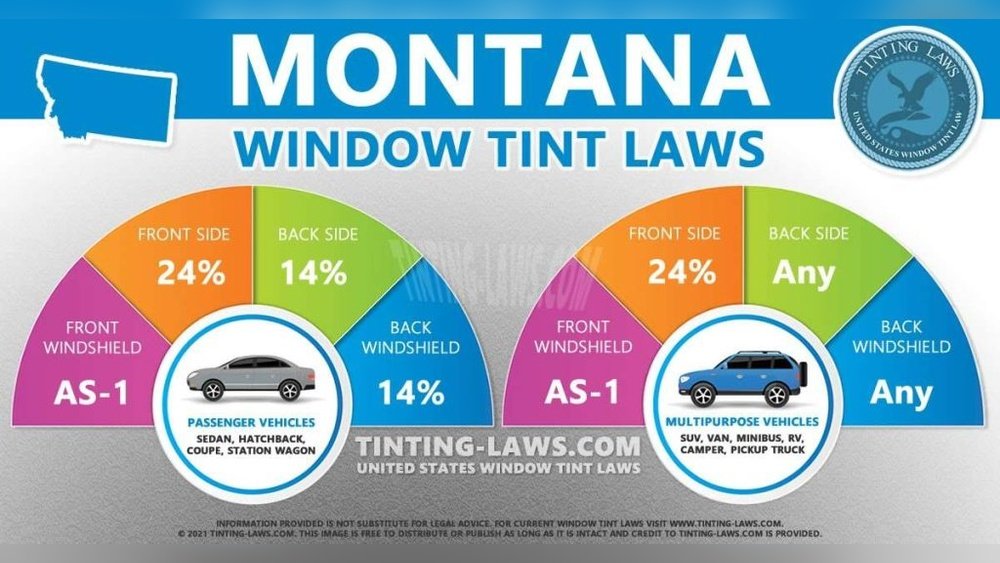
Front Side Windows
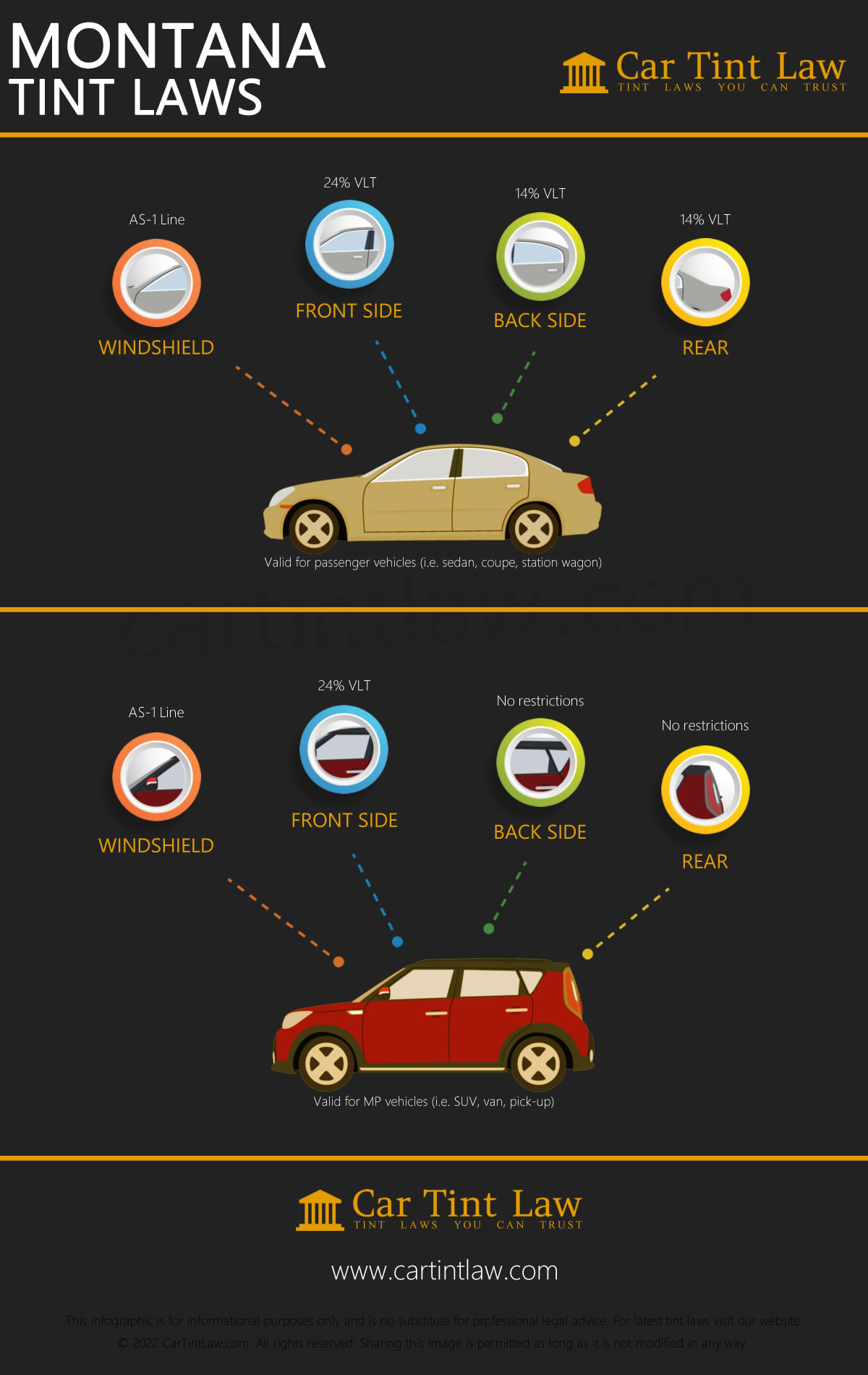
Front side windows must allow more light than other windows. Montana law requires at least 24% of light to pass through. This means your tint can block up to 76% of light. Darker tints on front side windows are not allowed.
Rear Side Windows
The rear side windows have fewer restrictions. You can use any darkness level on these windows. This gives more freedom to choose the tint shade. However, the tint must not be reflective.
Rear Window
The rear window also has no specific darkness limit. Any tint shade is legal on this window. Like rear side windows, the tint should not be reflective. Rear window tinting helps protect your privacy and reduce glare.
Windshield
Montana limits tint on windshields to the top 5 inches only. This area can have a non-reflective tint strip. The rest of the windshield must be clear. Tinting beyond this can cause safety issues and is illegal.
Vehicle Types And Tint Rules
Understanding Montana’s window tint laws means knowing how rules differ by vehicle type. Tint regulations vary for cars, trucks, and SUVs. These rules help keep drivers safe and ensure clear visibility on the road.
Montana sets specific limits on how dark and reflective window tints can be. The laws focus on front side windows, rear side windows, rear windows, and windshields. Different vehicle types must follow these limits closely to avoid fines.
Cars Vs Trucks And Suvs
Cars have strict tint limits on front side windows. Montana law usually requires at least 28% visible light transmission on these windows. Rear side and back windows can have darker tints.
Trucks and SUVs follow similar rules for front side windows. They must allow the same amount of light through. Rear windows on these vehicles can be tinted darker. This helps protect passengers and cargo.
The law treats cars and larger vehicles differently mainly for safety and visibility. Drivers must check their vehicle type before tinting windows. This ensures compliance with Montana’s tint laws.
Dual Side Mirrors Requirement
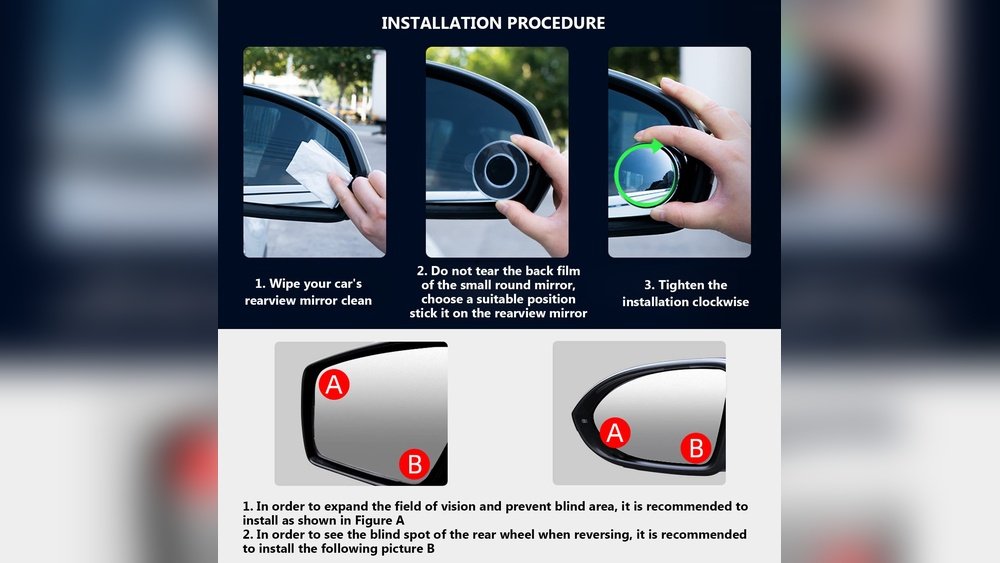
If a vehicle has very dark rear window tint, Montana requires dual side mirrors. These mirrors help drivers see behind when the rear window is obscured. Without them, driving can be dangerous.
Dual side mirrors must be present on both sides of the vehicle. They improve visibility and meet state safety standards. This rule applies mostly to trucks and SUVs with dark rear tints.
Ensuring your vehicle has dual side mirrors is crucial if you use dark tint on the rear window. It helps avoid legal issues and keeps driving safe in Montana.
Tint Specifications
Understanding Montana’s window tint specifications is essential for legal and safe driving. The state sets clear limits on how dark and reflective your car’s windows can be. Following these rules helps you avoid fines and keeps visibility high for everyone on the road.
Visible Light Transmission
Visible Light Transmission (VLT) refers to how much light passes through your tinted windows. Montana law requires the front side windows to allow more than 28% of light in. Rear side windows and the back window can have any darkness level. The windshield can only have non-reflective tint on the top 4 inches.
Reflectivity Limits
Reflectivity means how much your window tint reflects light. Montana restricts tint reflectivity to no more than 25% on all windows. This rule helps prevent glare that can blind other drivers. Keep your tint within these limits to stay safe and legal on Montana roads.
Medical Exemptions
Montana allows medical exemptions for window tint laws. These exemptions permit darker tints than usually allowed. People with certain medical conditions can apply for these exceptions. This helps protect sensitive skin and eyes from harmful sunlight. The state requires proper documentation and proof of medical need.
Qualifying Conditions
Medical exemptions apply to specific health issues. Common qualifying conditions include lupus, skin cancer, and photosensitivity. People with these conditions need extra protection from UV rays. Eye disorders that worsen with sunlight also qualify. The law aims to reduce health risks by allowing darker tints.
Physician Documentation
A licensed doctor must provide written proof for the exemption. This document should clearly state the medical condition. It must explain why darker window tint is necessary. The letter needs the physician’s signature and contact details. Drivers should keep this documentation in their vehicle. Authorities may ask for it during inspections.
Penalties And Enforcement
Montana enforces window tint laws strictly to ensure road safety. Penalties help maintain clear visibility for all drivers. Drivers must follow tint limits to avoid trouble. Understanding penalties and enforcement can save money and hassle.
Fines And Violations
Violating Montana’s tint laws can lead to fines. The amount varies but usually starts around $100. Police officers can issue tickets if tint darkness exceeds limits. Fines may increase for repeat offenses. Police may also require you to remove illegal tint. This helps restore safe driving conditions quickly.
Correctable Offenses
Many window tint violations in Montana are correctable. This means you can fix the issue and avoid bigger penalties. Officers often give a chance to remove or replace illegal tint. Drivers must correct the tint within a set time frame. Proof of correction must be shown to authorities. This system encourages compliance without harsh penalties initially.
Credit: www.cartintlaw.com
Out-of-state Tint Laws Impact
Traveling to Montana with window tint from another state can cause problems. Each state has its own tint rules. These rules affect drivers who cross state lines. Understanding these differences helps avoid fines and ticket issues. Montana’s tint laws may differ significantly from neighboring states.
Interstate Compliance
Each state sets its own limits on how dark tint can be. Montana allows less tint darkness on front side windows. Some states permit darker tints, especially on rear windows. Tints legal in one state might break the law in Montana. Drivers must check Montana rules before driving here. Compliance means meeting Montana’s tint percentage and reflectivity rules. Having non-compliant tint can lead to legal trouble.
Ticket Risks
Law enforcement in Montana can stop drivers with illegal tint. Officers check tint darkness with light meters. Tickets may come with fines or orders to remove tint. Out-of-state drivers face similar penalties as locals. Repeat violations can lead to higher fines or vehicle inspection. Tickets can also affect insurance rates. Staying within Montana’s tint laws avoids ticket risks and stress.
Tint Film Types And Colors
Understanding the types and colors of tint films allowed in Montana helps drivers comply with state laws. Different films offer varying shades and colors, each with specific legal restrictions. Choosing the right tint film ensures safety and legal protection while enhancing vehicle comfort.
Allowed Colors
Montana law permits only certain tint colors on vehicle windows. Clear and black shades are the most common and accepted options. Reflective or mirrored tints are not allowed on front side windows. Rear windows may have darker tints but must follow specific rules. Colored films such as red, blue, or green are generally prohibited. These rules help maintain visibility and prevent driver distraction.
Certification Requirements
Tint films used in Montana must meet state certification standards. Films should come with a label proving they comply with Montana regulations. Installers must provide a certificate of compliance after tinting. This certificate helps avoid fines during law enforcement checks. Only films approved by the state offer legal protection. Non-certified films risk penalties and may require removal.

Credit: kepler-dealer.com
Safety And Visibility Tips
Ensuring safety and maintaining clear visibility are vital when applying window tint in Montana. Proper tinting protects you from glare and heat while keeping your view unobstructed. Following safety and visibility tips helps you comply with Montana’s tint laws and drives safely.
Choosing The Right Tint
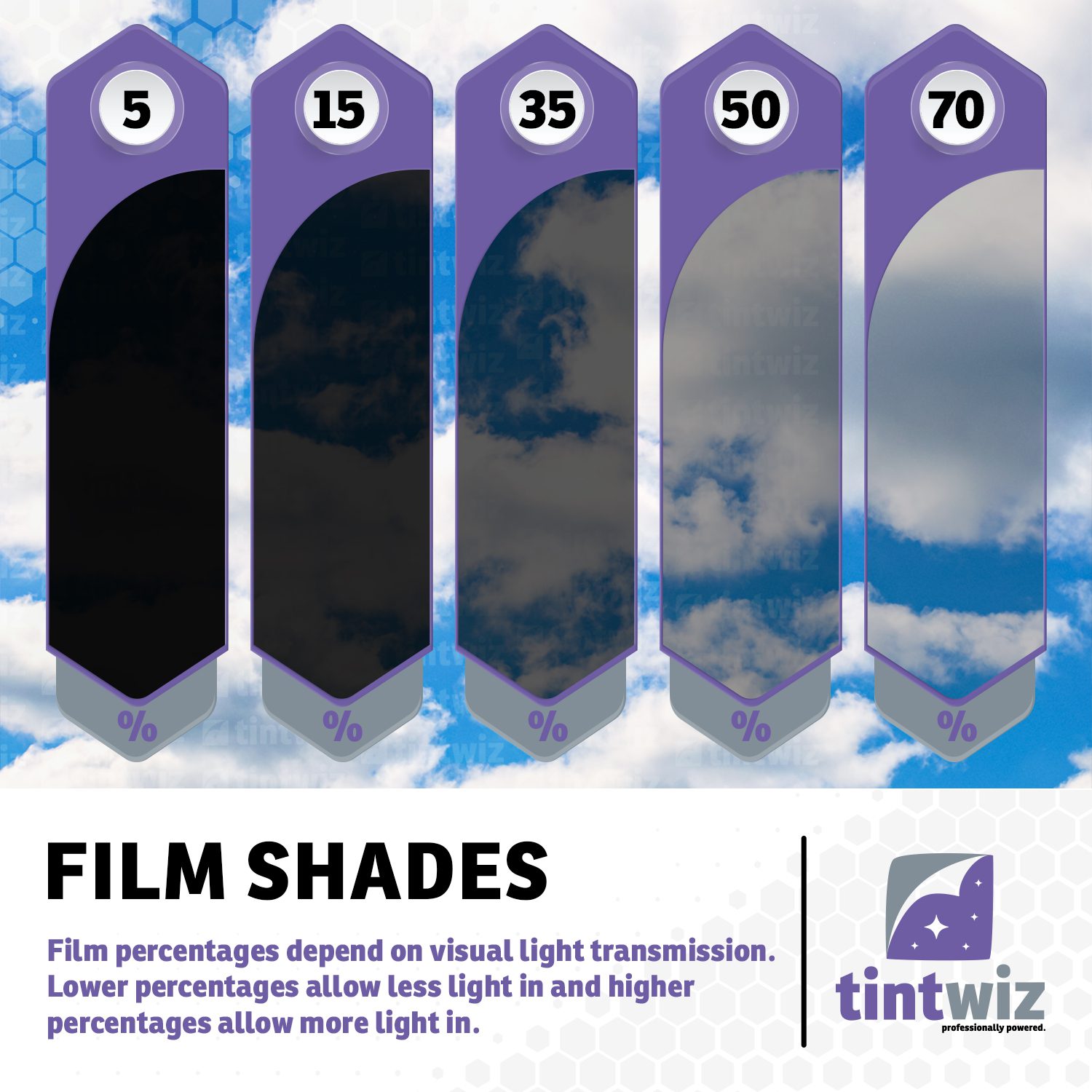
Select a tint that balances sun protection and visibility. Montana law limits how dark front side window tints can be. Too dark tint reduces your ability to see clearly, especially at night. Choose a tint that lets enough light through to keep vision clear. Consider the percentage of visible light transmission (VLT) allowed. Darker tints may cause blind spots, increasing accident risk. Opt for quality tint films that reduce glare without blocking too much light. Proper tinting improves comfort without sacrificing safety.
Importance Of Clear Mirrors
Mirrors must provide a clear view around your vehicle. If your rear window tint is very dark, Montana law requires dual side mirrors. This helps cover blind spots and improves rear visibility. Clean mirrors regularly to avoid dirt or fog that blocks vision. Adjust mirrors to minimize blind spots effectively. Clear mirrors support safe lane changes and parking. Good mirror visibility is crucial for driving confidence and accident prevention.
Credit: tintwiz.com
Frequently Asked Questions
What Is The Darkest Legal Tint In Montana?
Montana allows 28% visible light transmission (VLT) on front side windows. Rear side and back windows have no VLT limit but require dual side mirrors if heavily tinted. Windshield tinting is limited to non-reflective strips above the AS-1 line.
Is 35% Or 20% Tint Darker?
A 20% tint is darker than a 35% tint. Lower percentage means less light passes through, making it darker.
What Does 35% Legal Tint Look Like?
A 35% legal tint lets in 35% of visible light, appearing moderately dark. It reduces glare while maintaining good visibility and complies with many state laws. This tint offers privacy without overly darkening windows.
In What State Is 20% Tint Legal?
New Mexico allows 20% tint on front side windows legally. Other states have different limits. Always check local laws.
Conclusion
Understanding Montana’s window tint laws helps keep you safe and legal. Follow limits for front, rear, and windshield tints carefully. Remember, darker tints need dual mirrors for better visibility. Medical exemptions allow darker tint with a doctor’s note. Avoid fines by ensuring your tint meets state rules.
Stay informed and check laws before tinting your windows. Safe driving starts with following Montana’s tint regulations.