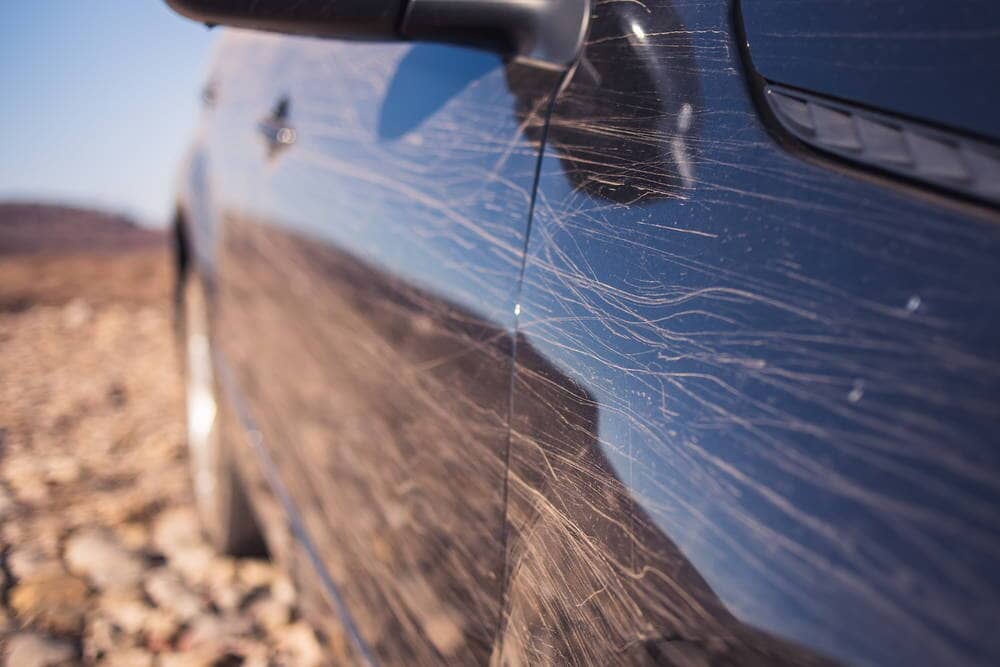
Have you noticed those annoying scratches on your black car that catch every eye and ruin its sleek look? You’re not alone—black paint shows every blemish like a spotlight.
But here’s the good news: you don’t have to live with those scratches or rush to an expensive repair shop. With the right techniques, you can buff out many scratches yourself and restore that deep, glossy shine your black car deserves.
In this guide, you’ll learn simple, effective steps to tackle scratches and bring back your car’s showroom finish. Ready to make your car look flawless again? Let’s dive in.

Credit: www.turtlewax.com
Surface Scratches On Black Cars
Surface scratches are a common issue for black car owners. These scratches often appear as light lines or marks on the paint. They can dull the shiny finish that black paint is known for. Understanding these scratches helps in choosing the right method to buff them out. Proper care can restore the car’s smooth and glossy look quickly.
Black paint is beautiful but also demanding. Small imperfections show more clearly than on lighter colors. This makes even minor scratches more noticeable. Taking action early prevents damage from getting worse and keeps the car looking great.
Why Black Paint Shows Scratches Easily
Black paint absorbs light but reflects imperfections sharply. This contrast makes scratches stand out clearly. Dark colors show dust, dirt, and swirl marks more than other colors. The clear coat on black cars also highlights scratches because it is very smooth and shiny. Even small scratches break the smooth surface, catching light differently. This effect makes scratches look deeper and more obvious.
Black paint’s high gloss finish is popular for its style. But this finish also means more care is needed. Regular washing and gentle polishing help maintain the flawless look. Using the wrong products or methods can cause new scratches to appear faster on black cars.
Types Of Scratches And Their Severity
Scratches on black cars fall into different types. Surface scratches are the easiest to fix. These scratches only affect the clear coat, the top layer of paint. They often feel smooth with a fingernail and do not catch easily.
Deeper scratches reach the color layer beneath the clear coat. These can feel rough and catch your fingernail sharply. They may show white or metal underneath. These scratches need more than just buffing. Professional repair or touch-up paint might be necessary.
Swirl marks are another common type. They look like fine spider web lines. Swirls often come from improper washing or drying. They reduce the shine but do not cut deep into the paint. Gentle polishing can usually remove swirl marks effectively.
Tools And Materials Needed
Buffing out scratches on a black car requires the right tools and materials. Using proper items ensures a smooth finish and protects your car’s paint. Gather everything before starting to avoid interruptions. Choose quality products made for automotive use to get the best results.
Choosing The Right Polishing Compounds
Select a polishing compound suited for black paint. Compounds vary in abrasiveness. Light scratches need a fine polish, while deeper ones require a cutting compound. Avoid harsh abrasives that can damage the paint further. Look for products labeled safe for clear coats. A good polish restores shine and removes minor scratches without removing too much paint.
Essential Buffing Tools And Cloths
Use a dual-action or rotary polisher for even results. These tools reduce effort and improve polish application. If you prefer hand buffing, pick soft foam or microfiber applicator pads. Always have clean microfiber cloths ready to wipe off polish residue. Avoid rough cloths that can add new scratches. A buffer and quality cloths make the process faster and safer for your car’s finish.
Preparing The Car Surface
Preparing the car surface is the first step in buffing out scratches on a black car. A clean and dry surface helps to see the scratches clearly and ensures better results. Taking time to inspect the scratch depth guides the choice of the right repair method. This preparation sets the stage for effective buffing and polishing.
Thorough Cleaning And Drying
Wash the car with a gentle car shampoo. Remove all dirt, dust, and grease from the scratched area. Use a microfiber cloth to avoid adding more scratches. Rinse well with clean water. Dry the surface completely using a soft towel. A dry surface prevents slipping of the polishing pad. It also stops dirt from mixing into the polish.
Inspecting Scratch Depth
Look closely at the scratch under good light. Run your fingernail gently across the scratch. If your nail catches, the scratch is deep. Light scratches feel smooth and shallow. Deep scratches may need professional repair or touch-up paint. Knowing the depth helps you pick the right polish or compound. This ensures you do not cause more damage.
Buffing Techniques For Light Scratches
Light scratches on a black car can dull its shiny surface quickly. Buffing helps restore the smooth, glossy finish. It removes minor scratches by gently polishing the clear coat without harming the paint below. Two common buffing techniques work well: applying polishing compound by hand and using a dual-action polisher. Both require care and the right method to avoid damage.
Applying Polishing Compound By Hand
Start with a clean, dry car surface. Use a soft microfiber cloth or foam applicator pad. Apply a small amount of polishing compound to the cloth. Work the compound into the scratched area with small, circular motions. Use light to moderate pressure. Keep moving the cloth to avoid uneven polish. Buff until the scratch fades and the shine returns. Wipe off any residue with a clean microfiber towel. This method is gentle and ideal for very light scratches.
Using A Dual-action Polisher Safely
A dual-action polisher is a power tool that makes buffing easier and faster. Attach a soft polishing pad to the machine. Apply polishing compound directly to the pad. Turn the polisher on at a low speed. Move it slowly over the scratched area in overlapping circles. Do not press hard; let the machine do the work. Keep the polisher moving to prevent heat buildup. After buffing, wipe the surface clean with a microfiber cloth. This tool is effective but requires caution to avoid paint damage.
Handling Deeper Scratches
Deeper scratches on a black car need special care. Simple buffing may not fix these marks completely. These scratches often cut through the clear coat and reach the paint or primer layer. Handling them requires understanding the limits of buffing and knowing when other methods are necessary.
Taking the right steps can save your car’s look and prevent more damage.
Limitations Of Buffing
Buffing works well on light surface scratches and swirl marks. It removes a thin layer of clear coat to smooth the surface. Deeper scratches cannot be fixed by buffing alone. Trying to buff deep scratches may cause more harm. It can wear down the paint or expose the primer. Buffing also cannot fill in missing paint or repair dents. Knowing these limits helps avoid wasting time and effort.
When To Use Touch-up Paint Or Professional Help
Touch-up paint is useful for scratches that reach the paint layer. It fills in the damaged area and protects the metal underneath. Use paint that matches your car’s color exactly for best results. Small, deep scratches can be fixed at home with patience and care.
Large or very deep scratches are best handled by professionals. They have tools and skills to restore the paint perfectly. Professionals can also fix scratches that expose metal or cause rust. Choosing professional help prevents costly damage and keeps your car looking its best.
Credit: www.torquedetail.com
Using Abrasive Products Like T-cut
Using abrasive products like T-Cut can help remove scratches on a black car. These products work by gently rubbing away the damaged clear coat layer. This reveals the smooth paint underneath, making scratches less visible. T-Cut is popular because it is easy to use and works quickly on light scratches.
Applying T-Cut properly is important to avoid further damage. It works best on minor surface scratches and blemishes. Knowing how to use it right ensures your black car’s paint stays shiny and smooth.
How T-cut Works On Clear Coat
T-Cut contains tiny abrasive particles that polish the clear coat. It removes a very thin layer of the clear coat paint. This process evens out the surface by smoothing the edges of scratches. The result is a less noticeable scratch and a glossy finish. It does not fix deep scratches that reach the paint or primer.
Best Practices For Application
Clean the area before applying T-Cut. Use a soft cloth or applicator pad to rub it in gently. Apply in small circular motions with light pressure. Work on one small section at a time to control the effect. Wipe off excess product with a clean microfiber cloth. Finish by polishing and waxing the area for extra shine and protection.
Risks And Precautions
Using too much pressure can damage your car’s paint. Avoid using T-Cut on deep scratches or bare metal. Test on a small hidden spot before full use. Wear gloves to protect your skin from chemicals. Always follow the product instructions carefully. Overuse can thin the clear coat and expose the paint below.
Finishing Touches
After carefully buffing out scratches on your black car, the final steps can make all the difference. Finishing touches restore the deep shine and protect the paint. These steps help keep your car looking fresh and new for longer. Focus on polishing and waxing to complete the process effectively.
Polishing For Mirror Shine
Polishing is key to achieving a mirror-like shine on black paint. Use a fine polish with a soft cloth or a dual-action polisher. This step removes any remaining fine scratches and swirl marks. Work in small sections with light pressure. Polishing enhances the depth and gloss of the paint. This brings out the rich black color and smooth finish.
Applying Wax For Protection
Wax creates a protective layer over the polished paint. It shields against dirt, UV rays, and water spots. Apply wax evenly using a foam applicator or microfiber cloth. Let it haze, then buff it off with a clean cloth. Waxing helps maintain the shine and prevents future scratches. Repeat waxing every few months for long-lasting protection.

Credit: www.youtube.com
Maintenance Tips To Avoid Future Scratches
Preventing scratches on a black car keeps it looking sleek and shiny. Black paint shows every mark clearly. Proper maintenance helps avoid costly repairs. Follow simple steps for daily care. Protect your car’s surface from damage. This keeps the paint smooth and glossy for longer.
Regular Washing Techniques
Wash your car often to remove dirt and dust. Use a soft sponge or microfiber cloth. Avoid rough materials that can scratch paint. Rinse the car before washing to remove loose dirt. Use car shampoo made for automotive paint. Wash in straight lines, not circles. Dry with a clean, soft towel to stop water spots. Clean wheels and tires separately to avoid grime transfer.
Using Protective Coatings
Apply a protective coating to shield the paint. Wax creates a barrier against dirt and scratches. Use wax every few months for best results. Ceramic coatings offer longer protection and shine. They resist chemicals, UV rays, and minor scratches. Follow product instructions carefully during application. Regularly check the coating and reapply as needed. This keeps the black paint deep and vibrant.
Frequently Asked Questions
Can You Buff Out Scratches On A Black Car?
Yes, you can buff out light scratches on a black car using polish and a dual-action polisher. Deep scratches need professional repair.
Does T-cut Get Rid Of Scratches?
T-Cut removes light surface scratches by gently abrading the clear coat. It cannot fix deep scratches that reach the paint or primer. For best results, use color-matched T-Cut, then polish and wax. Deep scratches require professional repair or touch-up paint.
What Is The Best Polish To Remove Scratches From A Black Car?
The best polish for removing scratches from a black car is a fine abrasive polish like T-Cut or a dedicated black car scratch remover. Use a dual-action polisher for even results. These products remove light scratches and restore gloss without damaging the paint.
Does Wd-40 Remove Scratches From A Car?
WD-40 does not remove car scratches effectively. It may temporarily hide minor marks but won’t fix or repair scratches. Use proper scratch removers or polishing products for best results.
Conclusion
Buffing out scratches on a black car improves its look instantly. Use the right tools and take your time. Light scratches often disappear with simple polishing. Deep scratches may need professional help to fix properly. Regular care helps keep black paint shiny and smooth.
You can restore your car’s beauty with patience and effort. A well-maintained black car always stands out on the road. Keep practicing these steps to protect your vehicle’s finish.