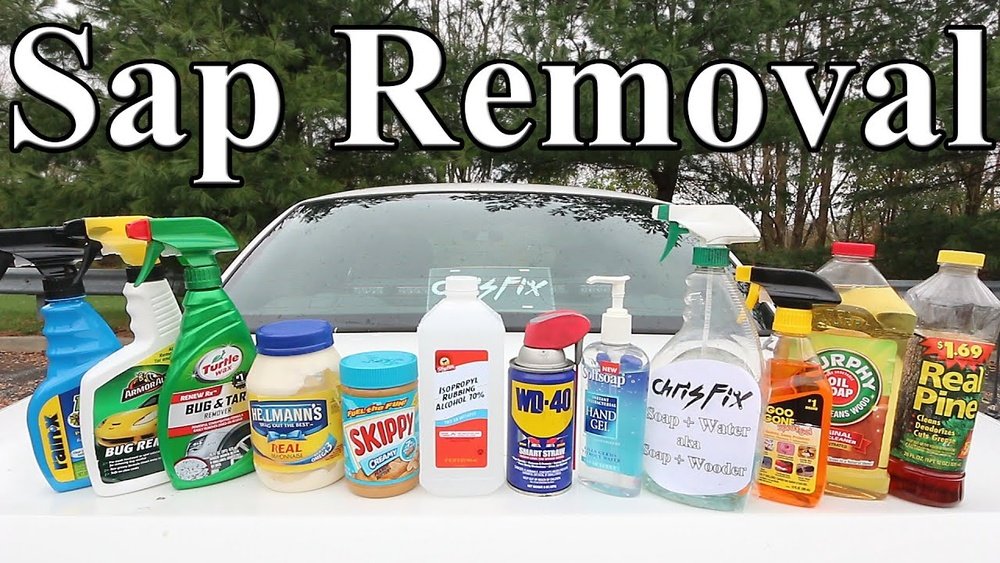
Tree sap on your car isn’t just an eyesore—it can actually damage your paint if you don’t act quickly. You’ve probably noticed those sticky, stubborn spots that seem impossible to remove without scratching your vehicle’s surface.
But don’t worry, you don’t have to live with those annoying marks or pay for expensive detailing. In this guide, you’ll discover simple, effective ways to safely remove tree sap from your car using common household items and trusted products.
Keep reading, and you’ll learn how to restore your car’s shine and protect your paint without any hassle.
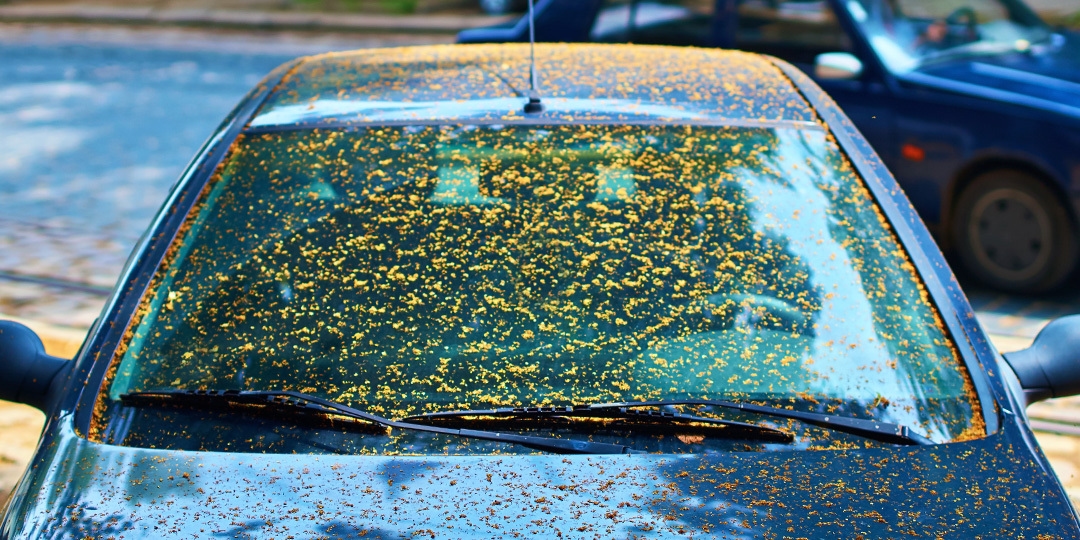
Credit: www.monstertreeservice.com
Tree Sap Effects
Tree sap is a common nuisance for car owners. It can stick firmly to your car’s surface and cause several problems. Knowing how tree sap affects your car helps you act fast and protect your vehicle.
Damage To Car Paint
Tree sap is sticky and contains natural acids. These acids can eat into your car’s paint if left too long. The longer sap stays, the deeper it can penetrate. This can cause discoloration and dull spots on the paint. In severe cases, sap can create permanent stains or even cause paint to peel off. Scrubbing too hard to remove sap can also scratch the paint. This makes the surface uneven and weakens the paint’s protection.
Why Prompt Removal Matters
Removing tree sap quickly prevents long-term damage. Fresh sap is soft and easier to clean without harming the paint. Once hardened, sap becomes tough and sticky. It needs stronger cleaners or scraping, which risks paint damage. Prompt removal keeps your car’s surface smooth and shiny. It also saves you time and money on repairs. Regular checks for sap spots help maintain your car’s appearance and value.
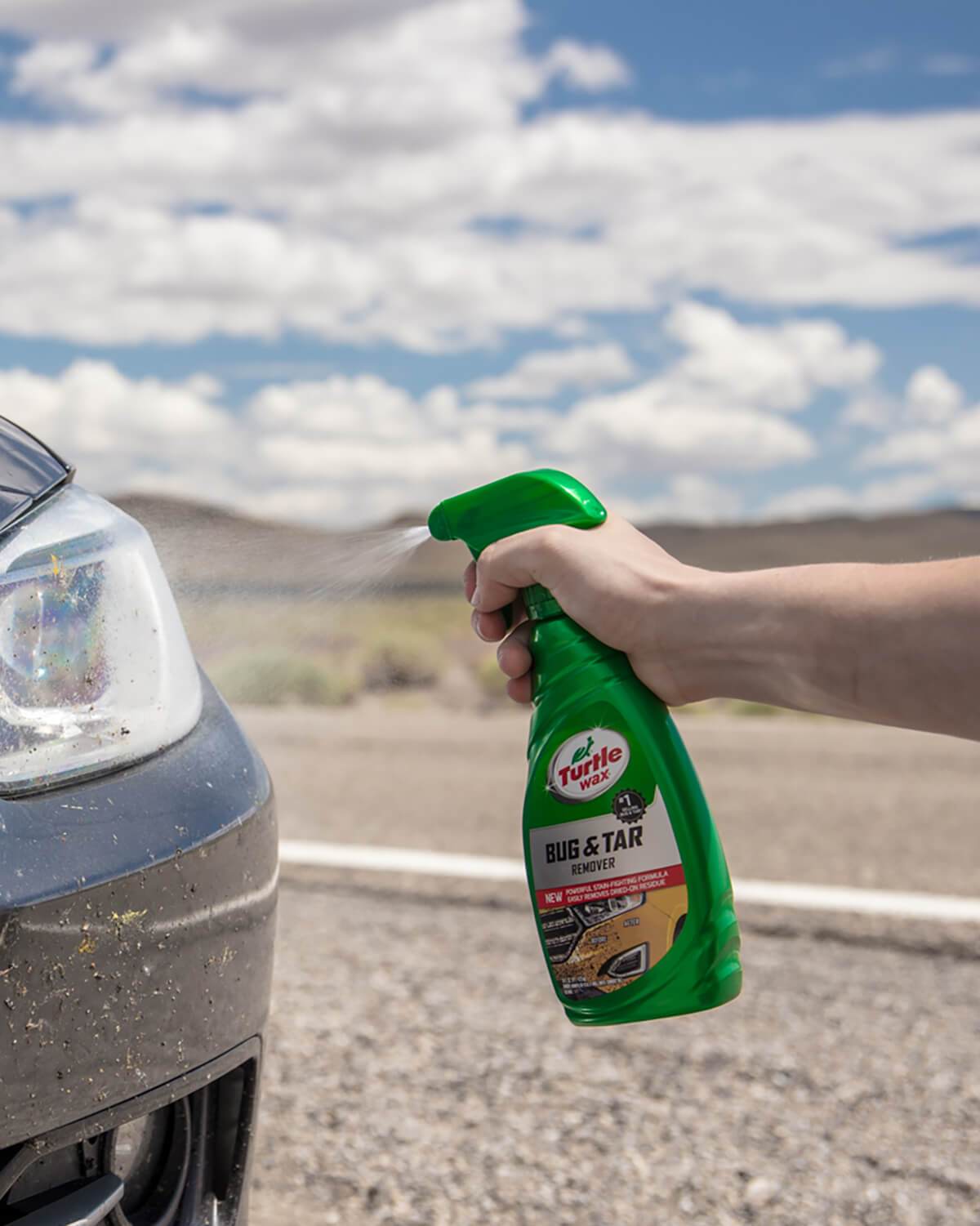
Credit: www.turtlewax.com
Preparation Steps
Removing tree sap from your car requires careful preparation. Proper steps ensure effective cleaning without damaging the paint. Start by organizing everything you need and picking a good place for the task. This helps the process go smoothly and safely.
Gathering Supplies
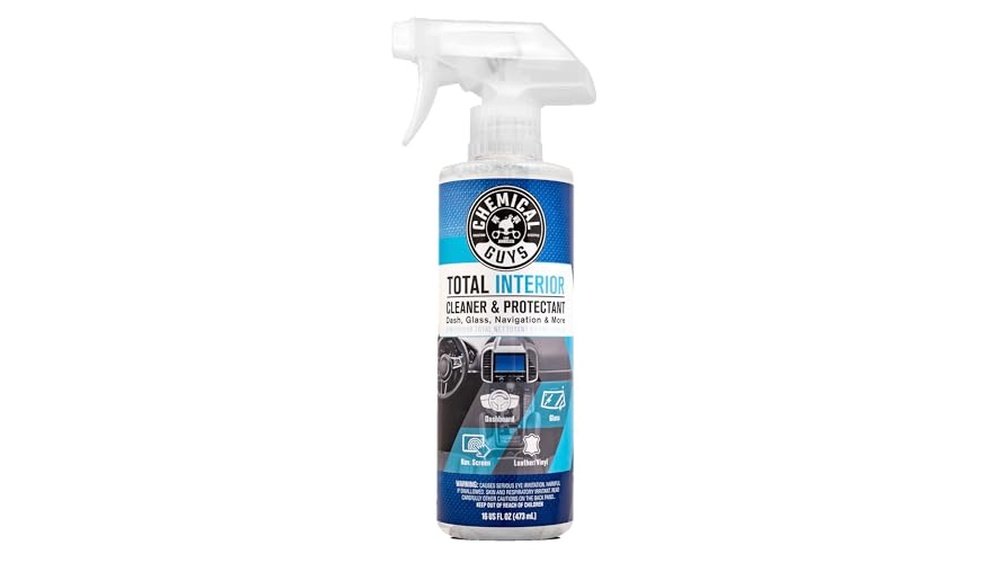
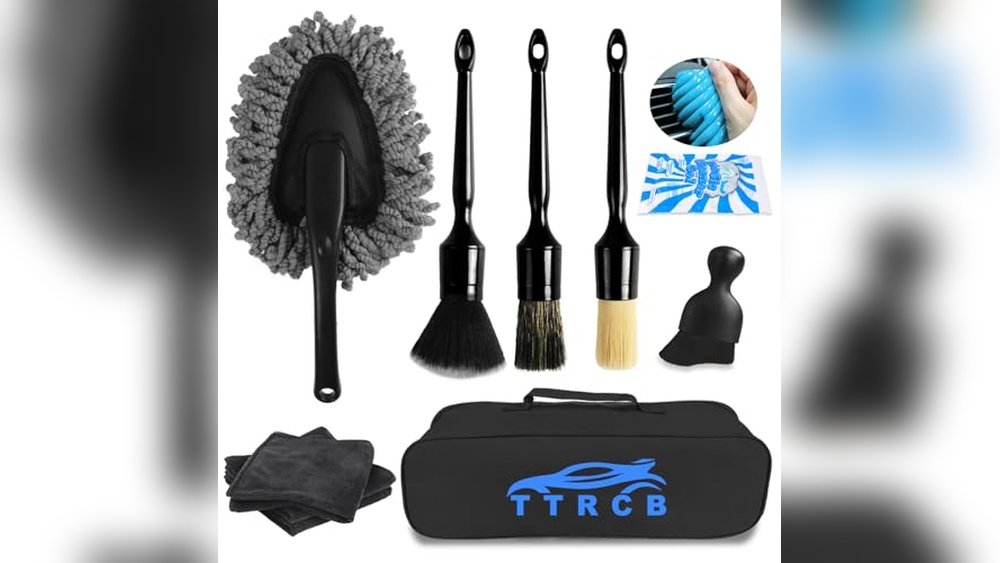
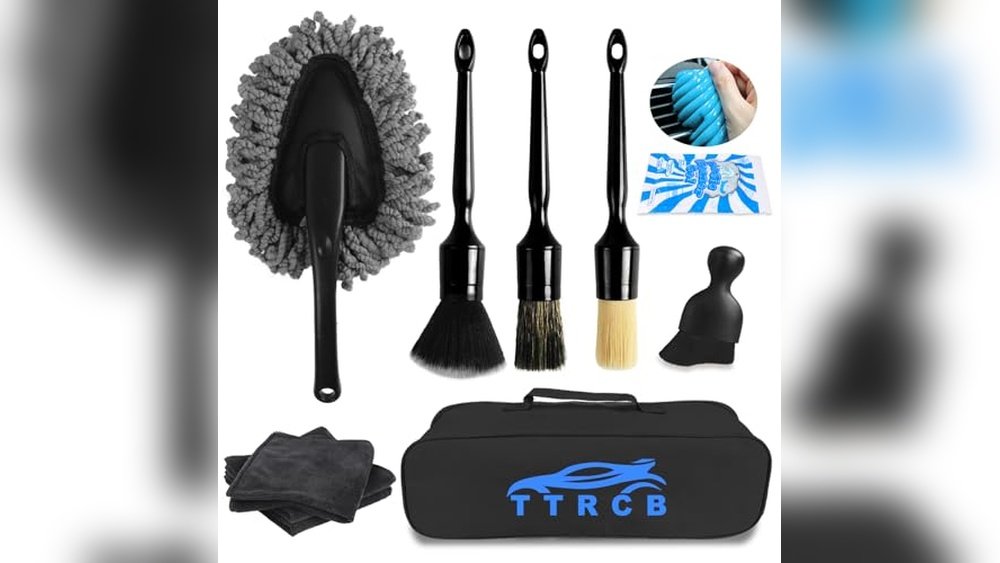
Collect all materials before you begin. You will need isopropyl alcohol or a sap remover, microfiber cloths, warm soapy water, and car wax. Gloves protect your hands from chemicals. Have a soft sponge or applicator ready. These items help remove sap gently and protect your car’s surface.
Choosing The Right Spot
Work in a shaded, well-ventilated area. Avoid direct sunlight to prevent quick drying of cleaning solutions. A garage or driveway with shade works best. Make sure the surface is cool to the touch. This reduces the risk of stains or damage to your car paint during sap removal.
Home Remedies
Home remedies offer simple and safe ways to remove tree sap from your car. These methods use common household items and cause no harm to your car’s paint. They work best when the sap is fresh or slightly hardened. Patience and gentle cleaning help achieve the best results.
Warm Soapy Water
Warm soapy water softens the sticky sap for easy removal. Mix a few drops of mild dish soap with warm water. Soak a soft cloth in the solution. Place the cloth on the sap spot and let it sit for 5 to 10 minutes. Gently rub the area in a circular motion. Repeat if needed. Rinse with clean water and dry with a microfiber towel.
Baking Soda Paste
Baking soda paste acts as a gentle scrub to lift sap off the paint. Mix baking soda with a small amount of water until it forms a thick paste. Apply the paste directly to the sap spot. Let it sit for a few minutes to break down the sap. Use a soft cloth to rub the area gently. Rinse thoroughly with water to remove all residue. Dry the surface with a clean towel.
Household Oils
Household oils like olive or vegetable oil help dissolve tree sap easily. Dab a small amount of oil onto a cotton ball or soft cloth. Gently rub the sap spot with the oiled cloth. The sap will start to loosen and lift away. Wipe the area with a clean cloth to remove oil and sap. Wash the spot with soapy water afterward to remove any oily residue.
Commercial Products
Commercial products offer effective solutions for removing tree sap from your car. These products target sap without harming the car’s paint. They are easy to use and widely available. Using the right product saves time and effort in cleaning. Here are some popular commercial options to consider.
Rubbing Alcohol And Hand Sanitizer
Rubbing alcohol dissolves tree sap quickly. It softens the sticky residue, making it easier to wipe off. Hand sanitizer works similarly because it contains alcohol. Apply a small amount on a cloth and gently rub the sap spot. Avoid scrubbing hard to protect the paint. Test on a hidden area first to check for any damage.
Bug And Tar Removers
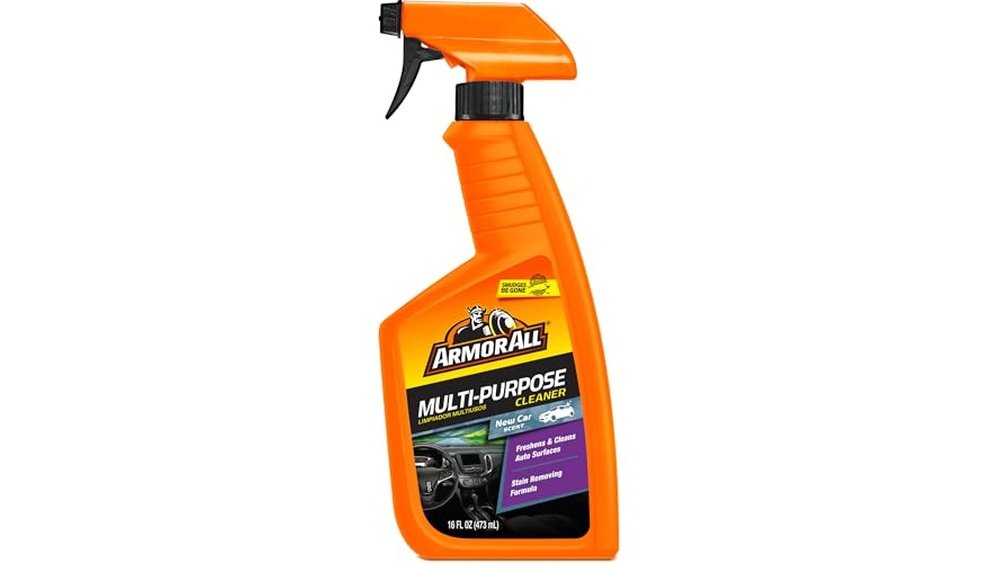
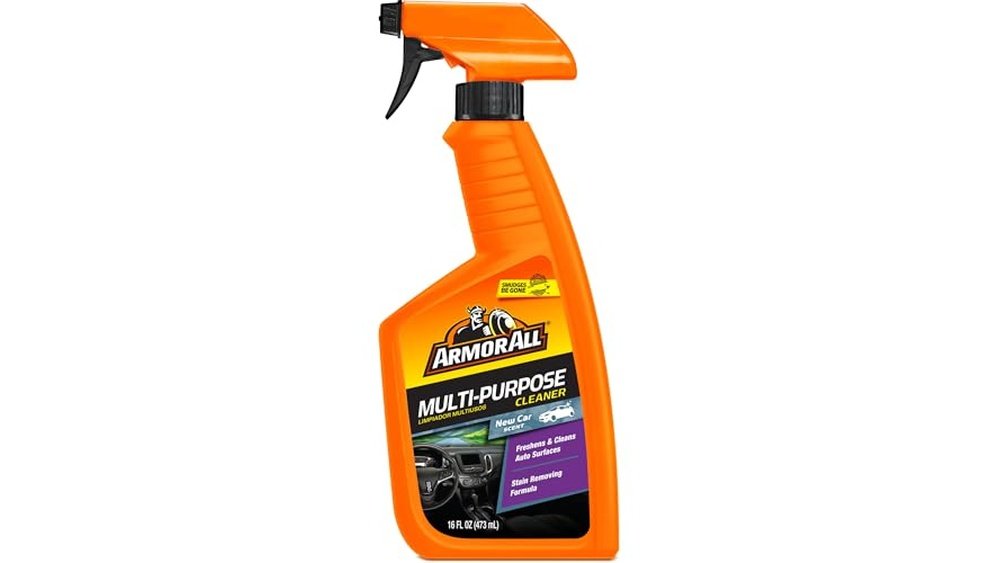
Bug and tar removers are designed to break down tough substances. They are effective against tree sap too. Spray the remover on the sap and let it sit for a few minutes. Then, wipe away the sap with a clean cloth. These products are safe for car paint if used as directed. Always follow instructions on the label for best results.
Goo Gone And Citrus-based Cleaners
Goo Gone and citrus-based cleaners use natural oils to loosen sap. They work gently but effectively on sticky spots. Apply the cleaner to the sap and wait a short time. Wipe the area with a soft cloth to remove the residue. These cleaners also leave a fresh scent. They help protect the car’s surface from damage during cleaning.
Specialized Techniques
Specialized techniques help remove tree sap from your car safely and effectively. These methods target sap without harming the paint. They work well on stubborn and hardened sap spots. Use these techniques for a cleaner, sap-free surface.
Using A Clay Bar
A clay bar gently lifts sap and contaminants from the paint. First, wash and dry the car. Spray a clay lubricant on the affected area. Rub the clay bar softly over the sap. The bar picks up sap without scratching the surface. Wipe the area clean with a microfiber cloth. Repeat if needed until the sap is gone.
Softening Hardened Sap
Hardened sap can be tough to remove. Apply warm soapy water to soften it first. Let the cloth sit on the sap for several minutes. This loosens the sticky residue. Use a soft cloth or sponge to rub gently. For extra stubborn sap, use rubbing alcohol sparingly. Test a small area first to avoid paint damage. Rinse the area well and dry after removal.
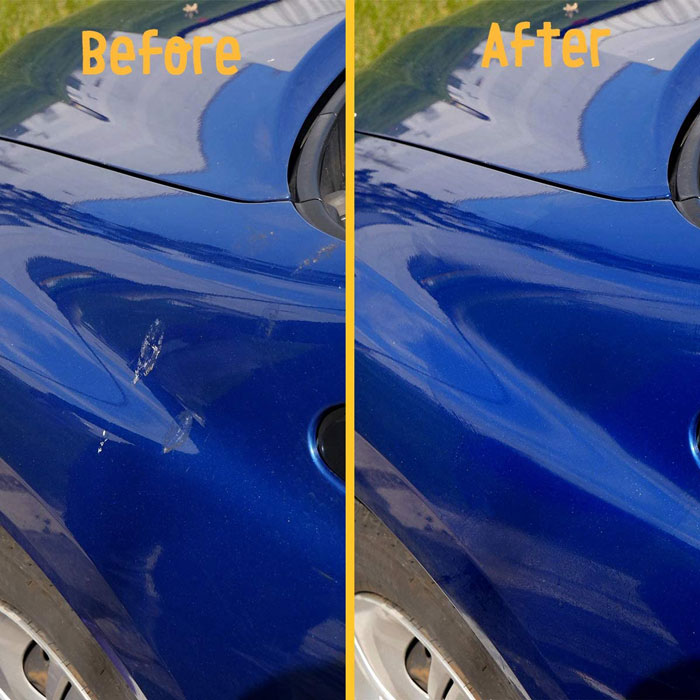
Credit: www.shiny.ca
Application Tips
Applying the right techniques helps remove tree sap without harming your car’s paint. Proper tools and motions make the process easier and safer. Follow these tips for the best results.
Using Microfiber Cloths
Microfiber cloths are soft and gentle on car surfaces. They trap sap without scratching the paint. Use a clean, damp microfiber cloth to apply cleaning solutions. This prevents dirt from rubbing into the paint. Always use a fresh cloth for each spot to avoid spreading sap.
Gentle Cleaning Motions
Rub sap spots with light, circular motions. Avoid pressing too hard to protect the paint layer. Let the cleaning solution soften the sap before rubbing. Take your time to loosen the sap gradually. This reduces the risk of damaging the car’s finish.
Avoiding Paint Scratches
Never use rough materials like paper towels or brushes. These can scratch or dull the paint. Avoid harsh chemicals that strip wax or damage clear coats. Test any cleaner on a hidden area first. Finish by rinsing and waxing to protect your car’s surface.
Aftercare
After removing tree sap from your car, proper aftercare is essential. This step helps protect your car’s paint and keeps it looking fresh. Taking time for aftercare prevents future damage and maintains your car’s shine.
Rinsing Thoroughly
Rinse the treated area with clean water. Use a gentle stream to wash away any leftover sap remover. This step removes residues that can harm the paint if left on. Make sure no cleaning product stays on the surface.
Reapplying Car Wax
Apply a fresh layer of car wax after rinsing. Wax shields the paint from dirt and sap. It also restores the glossy finish your car deserves. Use a soft cloth to spread wax evenly in circular motions. Let the wax dry before buffing it gently.
Maintaining Paint Protection
Regularly wash your car to keep the paint protected. Avoid parking under trees to reduce sap drops. Use a quick detailer spray between washes for extra protection. Routine care helps your car stay clean and shiny longer.
Prevention Strategies
Preventing tree sap from sticking to your car saves time and effort. It keeps your car paint safe and clean. Simple habits help protect your vehicle from sticky sap drops. Here are some easy prevention strategies to try.
Parking Away From Trees
Choose parking spots far from trees. Avoid parking under pine, oak, or maple trees. Tree sap drips mostly in warm, sunny weather. Parking away reduces the chance of sap landing on your car. Look for open spaces or covered parking lots.
Regular Car Washing
Wash your car often to remove early sap spots. Use mild soap and water with a soft cloth. Frequent washing stops sap from hardening and damaging paint. Clean cars also look shiny and new. Pay special attention to areas near the windshield and roof.
Protective Coatings
Apply wax or paint sealants to your car’s surface. These coatings create a barrier against sap and dirt. Waxing makes sap easier to remove before it sticks. Use products designed for your car’s paint type. Reapply coatings every few months for best results.
Frequently Asked Questions
How Do You Remove Tree Sap From A Car Without Damaging Paint?
Apply rubbing alcohol or bug and tar remover on a microfiber cloth. Gently rub sap in circular motions. Rinse with water and wax the area to protect paint. Avoid harsh scrubbing to prevent damage.
How Do You Remove Tree Sap Off Of A Car?
Apply rubbing alcohol or bug and tar remover to a cloth. Gently rub sap until it softens and lifts. Rinse with water and dry. Wax the area to protect paint. Avoid harsh scrubbing to prevent damage.
Can Tree Sap Permanently Damage Car Paint?
Yes, tree sap can permanently damage car paint if not removed quickly. Sap hardens and bonds, causing stains and paint deterioration.
Can I Use Goo Gone To Get Tree Sap Off My Car?
Yes, you can use Goo Gone to remove tree sap from your car. It dissolves sap safely without harming paint. Apply, let it sit briefly, then wipe off gently for best results. Always test on a small area first to ensure no damage occurs.
Conclusion
Removing tree sap from your car does not have to be difficult. Use gentle products like soapy water or rubbing alcohol carefully. Always test on a small area first. Act quickly to stop sap from hardening and damaging paint. Regular cleaning protects your car’s shine and finish.
Keep your vehicle looking fresh and well-maintained with simple care.