You might be wondering if Windex is a good choice for cleaning your car windows. After all, it’s a popular glass cleaner for home use, so why not for your vehicle?
But before you grab that bottle and start spraying, it’s important to know how Windex can affect your car’s glass—especially if your windows are tinted or if you want to avoid annoying streaks and glare while driving. You’ll discover whether Windex is safe and effective for your car windows, what alternatives work better, and expert tips to get your glass sparkling clear without any hassle.
Keep reading to learn the best way to keep your car windows spotless and safe!
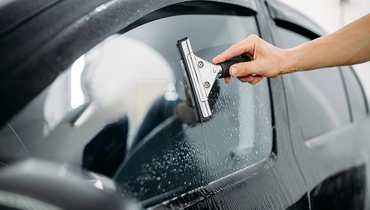
Credit: glassdoctor.com
Windex And Car Glass
Windex is a popular glass cleaner found in many homes. People often wonder if it is safe to use on car windows. Car glass differs from regular glass. It needs special care to stay clear and damage-free. Understanding how Windex interacts with car glass helps in making the right choice.
Ammonia Effects On Auto Windows
Many Windex products contain ammonia. Ammonia can break down the tint film on car windows. It may also weaken the rubber seals around the glass. Over time, this causes damage and can lead to costly repairs. Ammonia can dry out the glass surface, causing it to become cloudy. It also leaves a residue that attracts dust quickly. For these reasons, ammonia-based cleaners are not ideal for car windows.
Risks For Tinted Windows
Tinted windows need gentle cleaning solutions. Ammonia in Windex can cause the tint to peel or bubble. This ruins the look and reduces privacy. Some tints may fade or discolor after exposure to harsh chemicals. Using Windex on tinted glass can void warranties. Car owners should choose ammonia-free products to protect their tinted windows.
Streaking And Visibility Issues
Windex often leaves streaks on car glass. These streaks can blur vision, especially in sunlight or at night. Streaks cause glare and make driving unsafe. Car glass cleaners are designed to dry quickly without streaks. Using the wrong cleaner can reduce visibility and increase driving risks. Clear, streak-free windows are essential for safe driving.
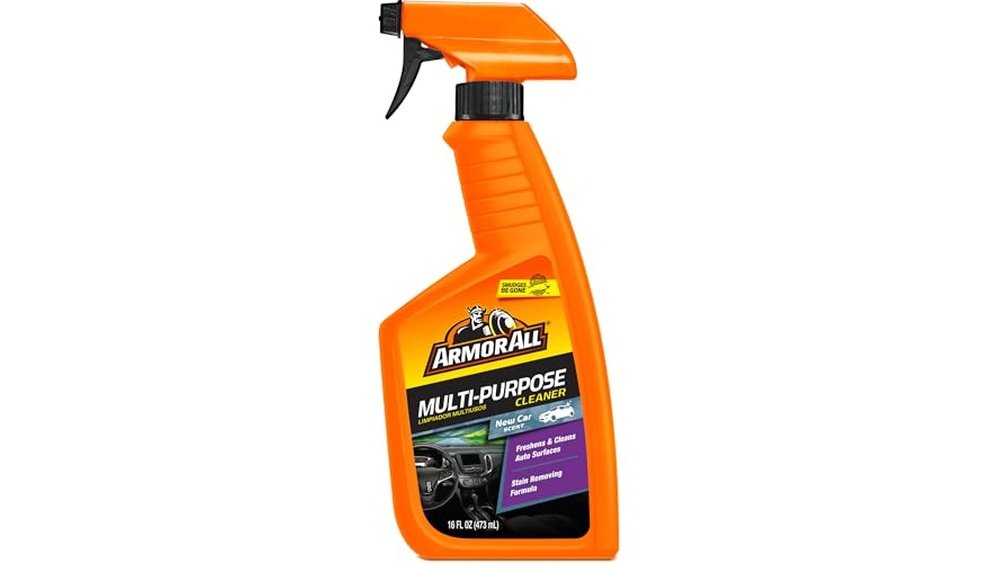
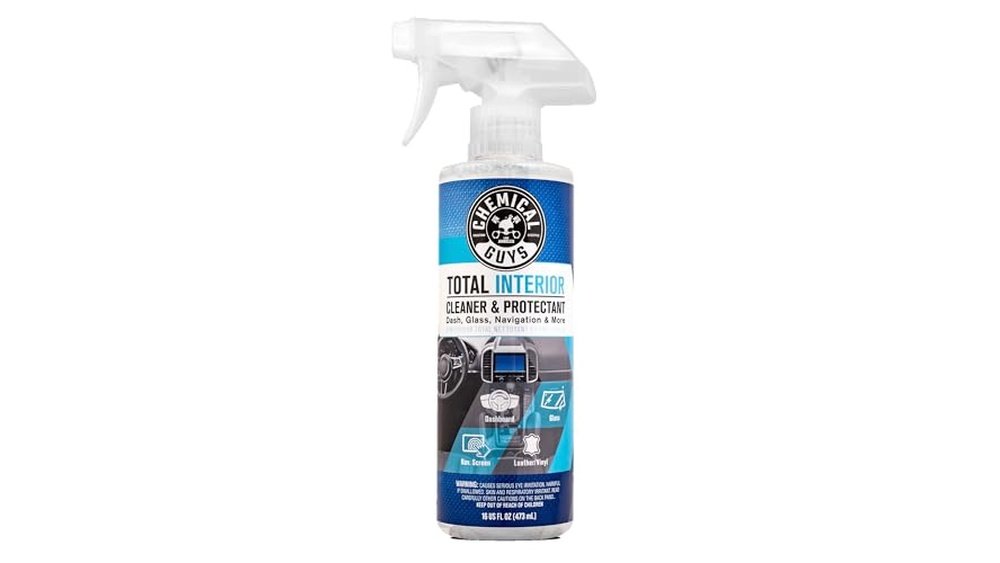
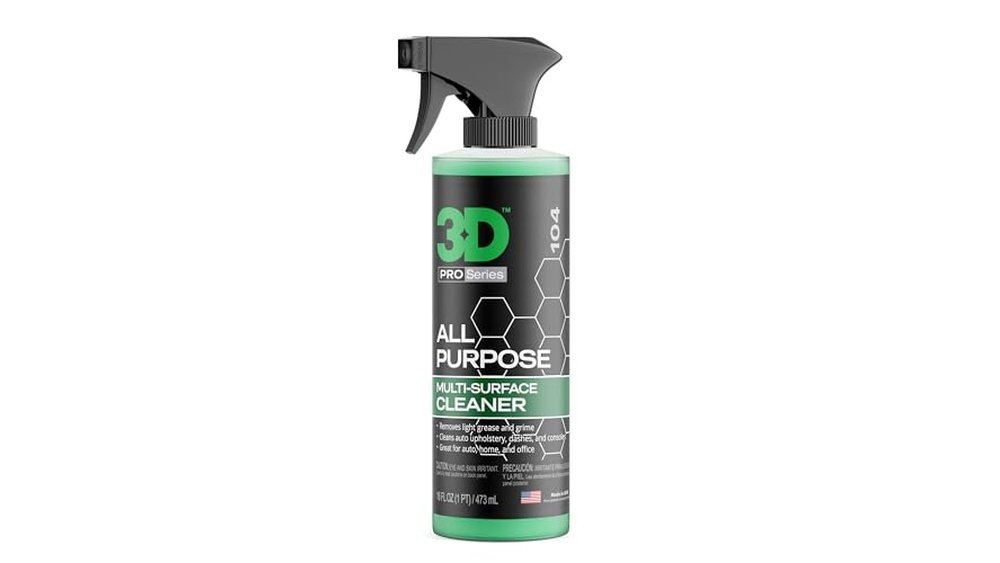
Best Cleaners For Car Windows
Cleaning car windows properly improves visibility and driving safety. Follow this step-by-step cleaning process to get crystal-clear windows without streaks or damage. Using the right tools and techniques helps remove dirt, grime, and tough film effectively. This guide covers preparing your car, exterior and interior cleaning tips, and handling stubborn residues.
Preparing Your Car And Workspace
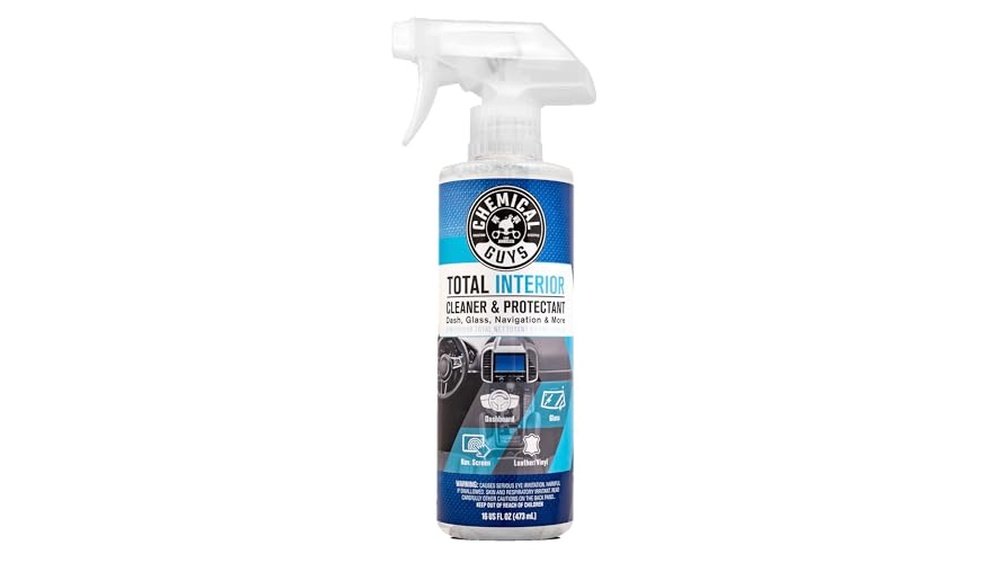
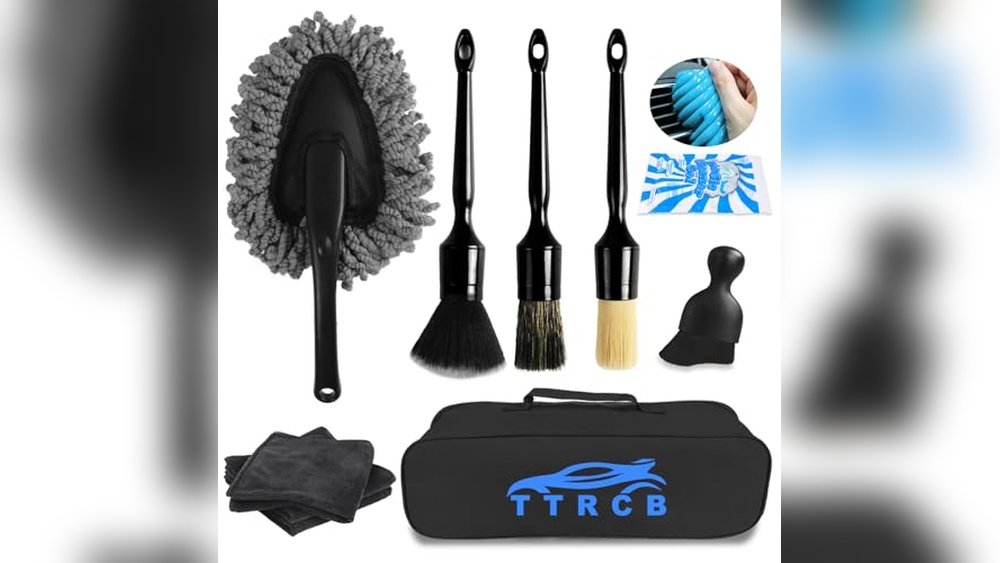
Park your car in a shaded area to avoid quick drying and streaks. Make sure windows are cool to touch before starting. Gather tools like microfiber towels, an ammonia-free glass cleaner, and a bucket of water. Slightly roll down windows to clean edges easily. Remove any large dirt or debris from the surface first. This preparation prevents scratches and ensures effective cleaning.
Exterior Window Cleaning Tips
Start by rinsing the windows with water to remove loose dirt. Spray the glass cleaner on a microfiber towel instead of directly on the glass. Wipe the exterior windows using vertical strokes to avoid streaks. Pay attention to corners and edges where dirt collects. Use a second dry towel to buff the glass for a clear finish. Avoid cleaning in direct sunlight to prevent streaking.
Interior Window Cleaning Techniques
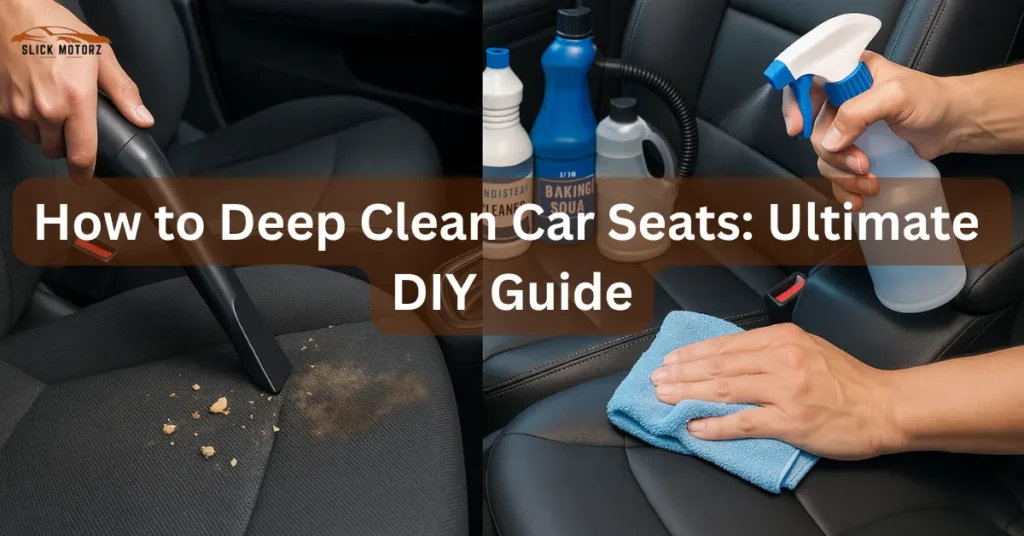
Spray the cleaner lightly on a clean microfiber towel. Wipe the interior glass using horizontal strokes for easy streak detection. Avoid overspray on the dashboard by not spraying directly on the window. Use a dry microfiber cloth to buff the surface immediately. Clean the top edges and corners carefully. Repeat if necessary to remove any haze or residue.
Handling Tough Film And Grime
For stubborn film, mix equal parts water and white vinegar in a spray bottle. Apply the solution to a microfiber cloth and gently scrub the glass. Use rubbing alcohol on a cloth for very greasy spots or fingerprints. Avoid harsh chemicals that may damage tint or glass. Repeat cleaning steps until the film disappears. Always finish with a dry towel to prevent streaks.
Essential Tools
Windex is a popular household cleaner known for its ability to make glass sparkle. Despite this, there are times when using Windex on car windows is not a good idea. Certain types of glass and window treatments can react badly to Windex’s ingredients. Knowing when to avoid Windex helps protect your car’s windows and keeps them looking clear and safe.
Factory Vs. Aftermarket Tints
Factory tinted windows often have a protective layer that can resist some cleaners. Aftermarket tints, added after purchase, may be more sensitive. Windex contains ammonia, which can damage or discolor tint films. Using Windex on aftermarket tints can cause bubbling or peeling. Factory tints may last longer but still risk damage over time. It is safer to avoid Windex on any tinted windows to prevent costly repairs.
Alternative Options For Sensitive Glass
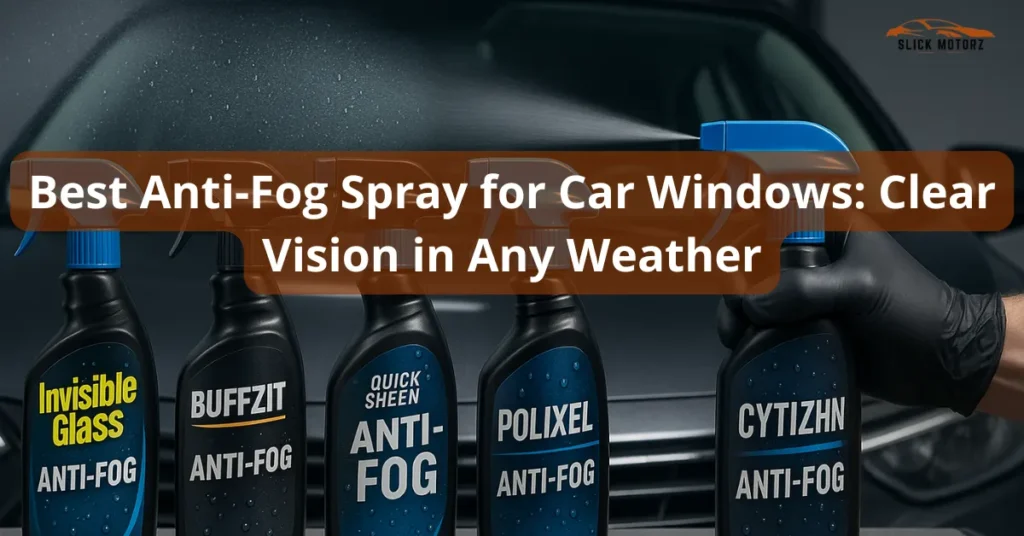
Some car windows use special coatings for UV protection or glare reduction. These coatings can be harmed by harsh chemicals like ammonia. Use cleaners labeled safe for automotive glass instead. Products without ammonia or alcohol are gentle and effective. A mix of water and vinegar or rubbing alcohol works well on interior glass. Soft microfiber towels help prevent scratches during cleaning. Always test a small area before full application to ensure no damage.

Credit: autoglassandtintshop.com
Credit: www.reddit.com
Frequently Asked Questions
What Happens If You Use Windex On Car Windows?
Using Windex on car windows can cause streaks and glare due to its ammonia content. It may also damage tinted glass. Choose an ammonia-free automotive glass cleaner for safe, streak-free results on all car windows.
What’s The Best Thing To Clean Car Windows With?
Use an ammonia-free automotive glass cleaner with two microfiber towels. Clean outside with vertical strokes and inside with horizontal strokes. For tough grime, apply rubbing alcohol before cleaning. Avoid Windex on tinted windows to prevent streaks and damage. This method ensures clear, streak-free car windows.
What Products Are Safe For Car Windows?
Use ammonia-free automotive glass cleaners and microfiber towels for safe, streak-free car window cleaning. Avoid ammonia-based products on tinted glass.
What Should I Not Use To Clean Car Windows?
Avoid using ammonia-based cleaners like Windex on car windows. They cause streaks and damage tinted glass. Use ammonia-free automotive glass cleaners instead.
Conclusion
Windex may clean car windows but often leaves streaks and glare. Ammonia in Windex can damage tinted glass and reduce visibility. Choose an ammonia-free automotive glass cleaner for better results. Use two microfiber towels: one to clean, one to dry and buff.
Clean windows in the shade with gentle, steady strokes. Proper care keeps your windows clear and safe while driving. Simple tools and the right cleaner make a big difference. Clear windows mean better vision and safer trips every time.