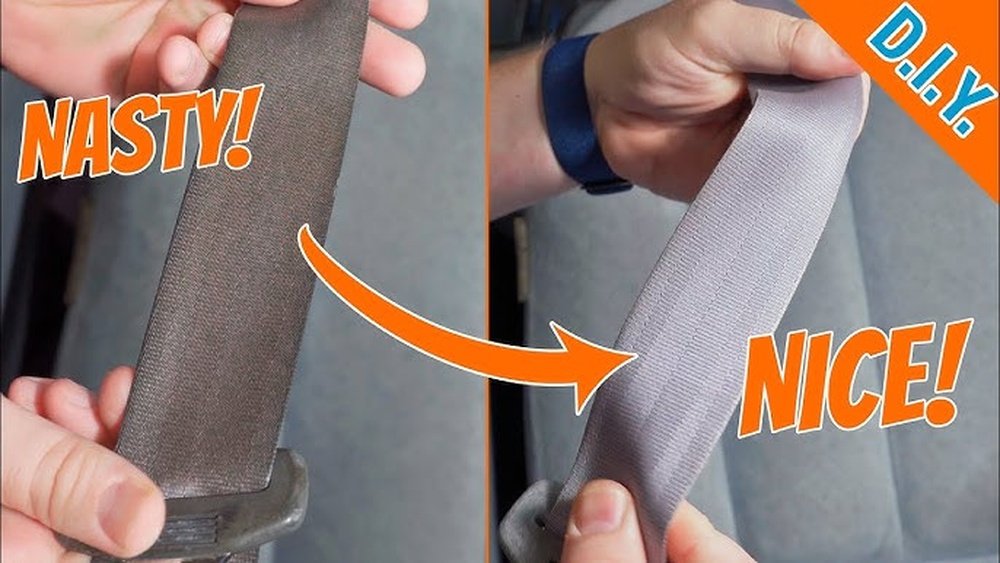
Your car’s seat belts protect you every time you drive, but when was the last time you cleaned them? Dirty or stained seat belts not only look bad but can also hold onto germs and odors.
You might be wondering how to clean your seat belts safely without damaging them or weakening their strength. This guide will walk you through simple, effective steps to get your seat belts looking fresh again—using easy-to-find materials and methods that won’t harm the fabric.
Keep reading to discover how you can restore your seat belts’ cleanliness and keep your car interior healthier and more pleasant.
Prepare Seat Belts
Preparing your seat belts properly makes the cleaning process easier and more effective. It helps remove dirt and stains without damaging the fabric or the mechanism. Start by making sure the belts are fully accessible and ready for cleaning.
Fully Extend The Belts
Pull the seat belts out completely from their retractor. This exposes the entire length of the fabric. Extending them allows you to clean all dirty spots evenly. Avoid leaving any folds or wrinkles during cleaning.
Secure The Belts To Prevent Retraction
Lock the seat belts in place to stop them from retracting. Use a clamp or a strong clip to hold the belts steady. This keeps the fabric taut and prevents the mechanism from pulling the belts back inside. It also protects the retractor from water damage during cleaning.
Credit: www.safetyrestore.com
Choose Cleaning Materials
Choosing the right cleaning materials is crucial for cleaning seat belts safely. The fabric on seat belts is strong but sensitive to harsh chemicals and rough scrubbing. Using gentle products and soft tools protects the belt’s strength and color. This ensures the seat belts stay reliable and look good for a long time.
Focus on mild cleaning agents and soft brushes or cloths. Avoid bleach, strong detergents, or anything abrasive. These can damage the fibers or remove important safety coatings. Preparing the right materials before you start makes the cleaning process easier and more effective.
Select Mild Soap Or Fabric Cleaner
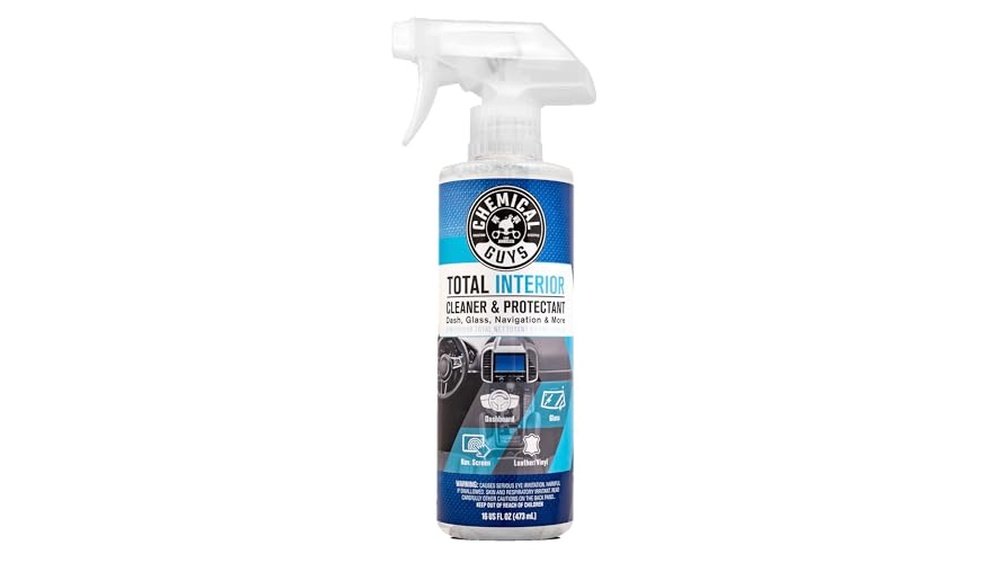
Pick a mild soap or a gentle fabric cleaner for seat belts. A few drops of dish soap mixed with warm water works well. Choose products without bleach or strong chemicals. Mild soap cleans dirt and stains without hurting the fabric.
Special fabric cleaners designed for delicate materials also work well. Avoid anything labeled as heavy-duty or industrial strength. These can weaken the seat belt fibers and reduce safety.
Gather Soft Brushes And Microfiber Cloths
Use soft brushes and microfiber cloths to clean seat belts. Soft-bristled brushes help remove dirt without damaging the fabric. Microfiber cloths absorb dirt and soap gently. They also prevent scratches and keep the fabric smooth.
Hard or stiff brushes can fray the seat belt material. Rough cloths may cause pilling or wear. Gather these gentle tools before starting to clean for the best results.
Remove Surface Dirt
Removing surface dirt is the first step to clean seat belts effectively. Dirt, dust, and grime build up quickly on seat belts. This layer of dirt can make seat belts look old and worn. Cleaning surface dirt keeps seat belts looking fresh and helps maintain their strength. Follow simple steps to safely remove this dirt without damaging the fabric.
Spray Cleaning Solution
Start by using a gentle cleaning spray made for fabric. Mix mild soap with water in a spray bottle. Spray the solution lightly onto the seat belt surface. Avoid soaking the belt to prevent weakening the fibers. Use only enough spray to dampen the dirt layer. This helps loosen dirt without causing damage.
Gently Scrub With Soft Brush
Take a soft-bristled brush to scrub the seat belt gently. Use circular motions to lift dirt from the fabric. Do not scrub hard as this can wear out the belt. Focus on areas with visible stains or grime. The soft brush helps remove dirt trapped deep in the fibers. After scrubbing, wipe off excess moisture with a clean cloth.
Tackle Stubborn Stains
Stubborn stains on seat belts can be tough to remove. Dirt, spills, and sweat often leave marks that regular cleaning misses. These marks not only look bad but can also cause odors. Tackling these stains needs special care and attention. The right methods help restore your seat belts without damage. Here are two effective ways to treat those tough stains and keep your seat belts fresh.
Use Steam For Deep Cleaning
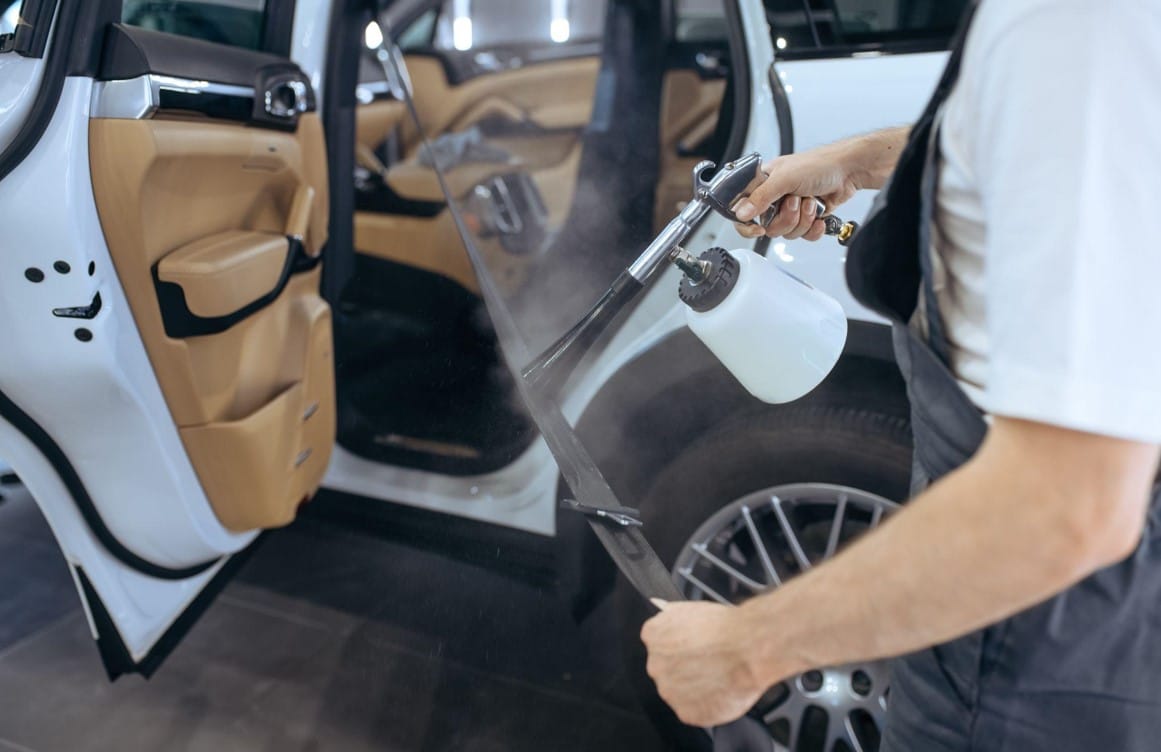
Steam cleans deeply without harsh chemicals. It loosens dirt trapped inside the fabric fibers. Use a handheld steamer or a steam cleaner with a fabric attachment. Hold the steamer a few inches away from the seat belt. Move it slowly along the stained areas. The heat opens pores in the fabric, making dirt easier to wipe away.
After steaming, use a soft cloth to gently rub the stains. This lifts grime without harming the belt’s material. Steam also kills bacteria, reducing odors. Avoid soaking the belt to keep the fabric strong. Allow the belt to air dry completely before use.
Apply Baking Soda For Odor And Stain Removal
Baking soda is a natural cleaner and deodorizer. Sprinkle a thin layer over the stained seat belt. Let it sit for several hours or overnight. Baking soda absorbs odors and breaks down stains. After resting, brush off the powder with a soft brush or cloth.
For stubborn stains, mix baking soda with water to form a paste. Apply the paste to the stain and let it dry. Gently scrub with a soft brush, then wipe clean with a damp cloth. Baking soda is safe for most seat belt fabrics and does not weaken fibers.
Dry Seat Belts Properly
Drying seat belts properly is crucial after cleaning. Wet seat belts can develop mildew and lose strength. Proper drying keeps the fabric safe and ready to use. Follow these simple steps to dry your seat belts the right way.
Wipe Off Excess Moisture
After cleaning, remove as much water as possible. Use a clean towel to gently press the seat belt. Avoid rubbing hard to prevent damage. Removing excess moisture helps speed up the drying process.
Air Dry Completely Before Use
Hang the seat belt in a well-ventilated area. Avoid direct sunlight to protect the fabric from fading. Let the belt air dry fully before using it again. Using a damp seat belt can weaken its material and reduce safety.
Clean Metal Components
Cleaning the metal components of your seat belts is vital for safety and appearance. Dirt, grime, and rust can build up on buckles and clasps. These parts must stay clean and functional to ensure the seat belt works properly. Gentle care keeps metal parts smooth and reliable for everyday use.
Wipe Buckles And Clasps
Use a soft cloth dampened with warm water to wipe the buckles and clasps. Remove any dirt, dust, or sticky residue carefully. Avoid soaking the metal parts in water to prevent rust. Dry the components fully with a clean, dry cloth after wiping. This simple step helps keep the metal shiny and working well.
Avoid Harsh Chemicals On Metal Parts
Harsh chemicals can damage metal buckles and clasps. Avoid bleach, ammonia, or strong solvents. These can cause corrosion or weaken the metal. Instead, use mild soap diluted in water for cleaning. Mild cleaners protect the metal’s finish and maintain its strength. Keeping chemicals gentle ensures your seat belt components last longer.
Prevent Damage
Cleaning seat belts requires care to maintain their strength and safety. Avoid actions that can weaken the fibers or damage the material. Protect the integrity of the seat belt while keeping it clean.
Some cleaning methods may seem quick but cause lasting harm. Understanding what to avoid helps extend the life of your seat belts.
Avoid Bleach And Harsh Solvents
Bleach and strong chemicals can break down seat belt fibers. These substances remove important flame-retardant properties. Using harsh solvents weakens the fabric and reduces safety. Stick to mild soaps and water for cleaning. Harsh cleaners cause discoloration and damage the belt’s texture. Protect your seat belt by skipping bleach and strong chemicals.
Never Machine Wash Or Dry Seat Belts
Machine washing or drying can stretch and weaken seat belts. The tumbling action causes friction and fraying. Heat from dryers damages the synthetic fibers and adhesives. Instead, clean seat belts by hand using a damp cloth and gentle soap. Always air dry seat belts away from direct sunlight. Avoid machines to keep your seat belts strong and safe.

Credit: www.fortador-usa.com

Credit: www.youtube.com
Frequently Asked Questions
Can I Use Dawn Dish Soap On Car Seat Straps?
Yes, use only a small drop of blue Dawn dish soap on a damp cloth to clean car seat straps. Avoid soaking or harsh chemicals to prevent fabric damage.
What Is The Best Way To Clean Car Seat Straps?
Pull the straps out fully and secure them. Clean with mild soap and warm water using a soft brush. Wipe dry with a microfiber cloth. Avoid harsh chemicals and soaking. Let straps air dry completely before retracting. This method cleans effectively without damaging the fabric.
How To Clean A Stinky Belt?
Pull the belt out fully and secure it. Spray with mild soap and warm water. Gently scrub with a soft brush. Wipe dry with a microfiber cloth. Air dry completely in a shaded, ventilated area. Avoid soaking or harsh chemicals to prevent damage.
What To Use To Clean Rubber Belts?
Use a mild soap mixed with warm water and a soft brush to clean rubber belts. Avoid harsh chemicals and soaking. Wipe dry and air dry completely before use.
Conclusion
Cleaning seat belts keeps them safe and looking fresh. Use mild soap and warm water only. Avoid soaking or harsh chemicals to protect fibers. Gently scrub stains with a soft brush for best results. Always let belts air dry fully before use.
Regular cleaning helps maintain belt strength and appearance. A clean seat belt adds comfort and safety on every drive. Simple steps make seat belt care easy and effective.