You want your car’s interior to look fresh, feel clean, and stay protected for years. But spills, dirt, and everyday wear can quickly take a toll.
What if there was a way to shield your seats, dashboard, and panels with a powerful layer that repels stains and makes cleaning a breeze? That’s where ceramic coating for your car’s interior comes in. You’ll discover simple, step-by-step instructions on how to apply a ceramic coating yourself—giving your vehicle a durable, glossy finish that lasts.
Ready to transform your car’s interior and save time on upkeep? Keep reading to learn exactly how to do it right.

Credit: cardetox-us.com
Benefits Of Interior Ceramic Coating
Applying ceramic coating to your car interior offers several useful benefits. It protects surfaces from damage and keeps your car looking fresh. The coating creates a strong shield that lasts for years. This protection helps maintain your car’s value and appearance. Cleaning becomes faster and easier, saving time and effort. The coating also enhances the look of your interior by adding a subtle shine. Over time, these advantages lead to cost savings by reducing repairs and replacements.
Protection Against Wear And Tear
Ceramic coating forms a tough layer on interior surfaces. It guards against scratches, stains, and fading. This protection helps fabrics, leather, and plastics last longer. The coating reduces damage from daily use and spills. Your car interior stays in better condition for years.
Ease Of Cleaning
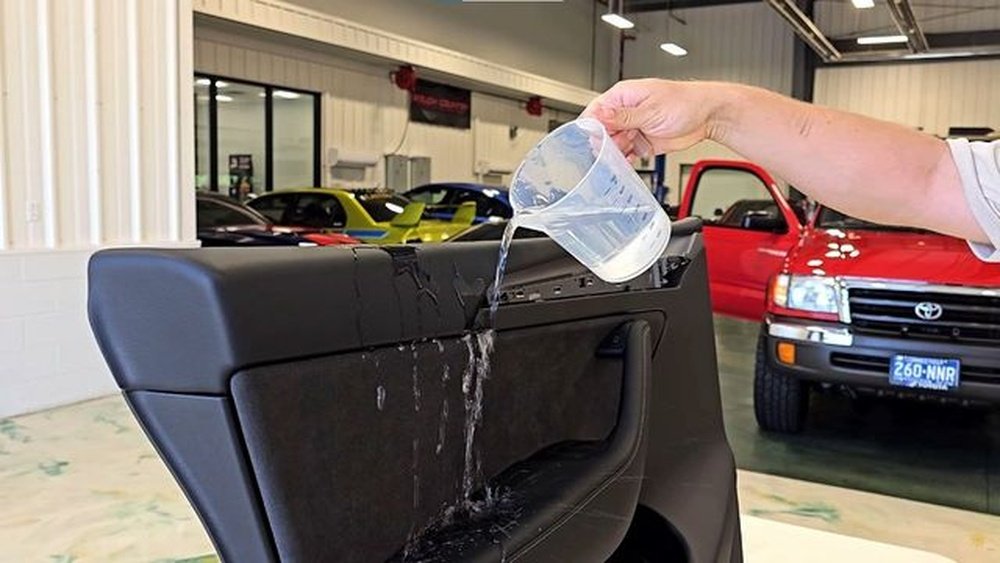
The coating creates a smooth, water-repellent surface. Dirt, dust, and liquids do not stick easily. Wiping down surfaces takes less effort and time. Stains are less likely to soak in and cause permanent marks. Cleaning your car interior becomes a simple, quick task.
Enhancing Interior Aesthetics
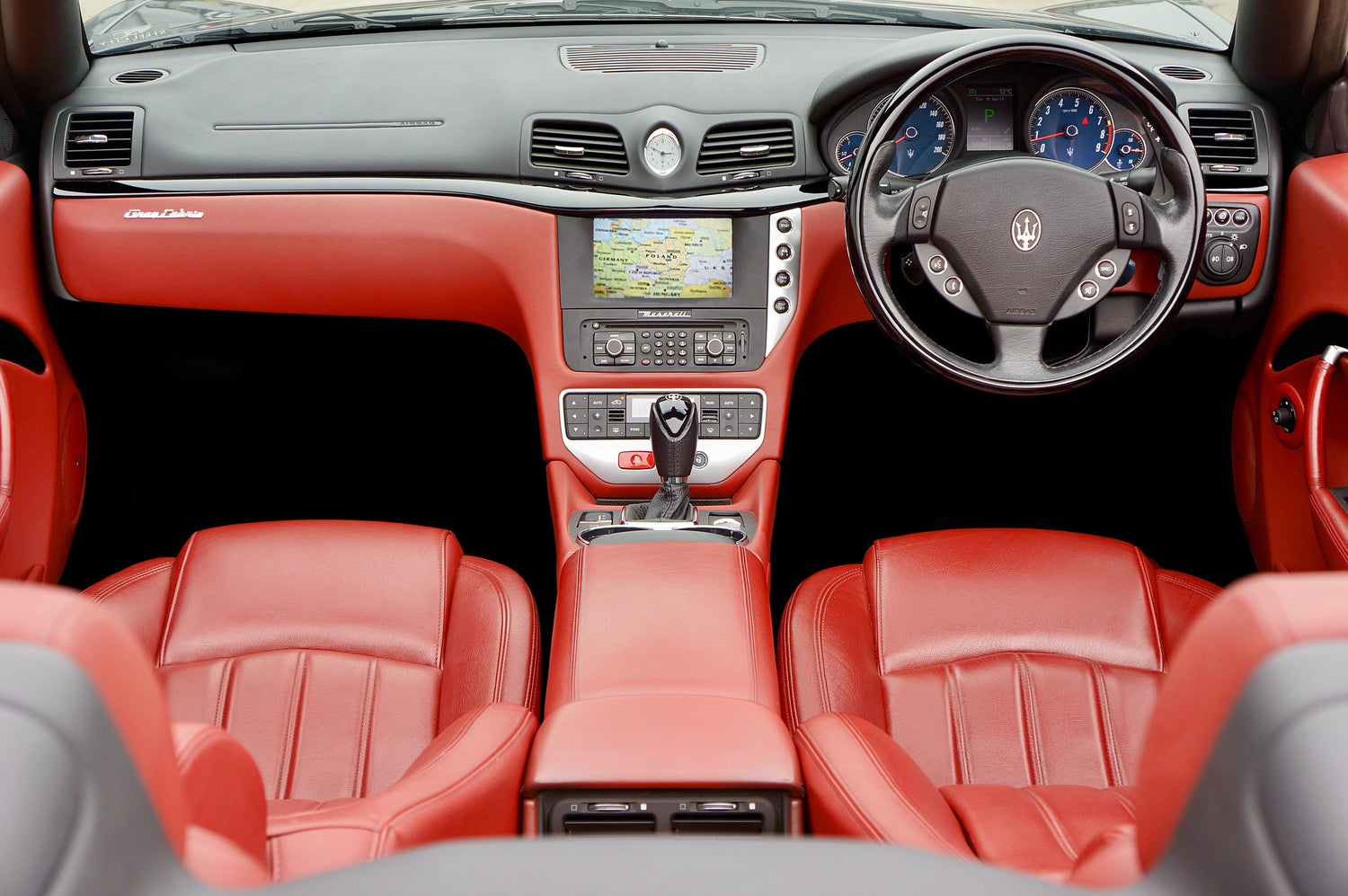
Ceramic coating adds a subtle shine to surfaces. It restores the original color and brightness of materials. The finish looks smooth and fresh, improving overall appearance. Your car interior feels more inviting and well-maintained. This boost in looks can impress passengers and increase satisfaction.
Cost Savings Over Time
By protecting surfaces, the coating reduces repair needs. Less damage means fewer replacements for seats, panels, or trims. Cleaning is faster, saving on cleaning products and professional services. Maintaining your car’s interior becomes more affordable in the long run. The coating helps keep your vehicle’s value higher when selling.
Choosing The Right Ceramic Coating
Choosing the right ceramic coating for your car interior is key to lasting protection and a clean look. The right product shields surfaces from stains, dust, and wear. Not all coatings are made equal, especially for interior use. Selecting the best one depends on your needs and the materials inside your car.
Top Products For Interior Use
Certain ceramic coatings work better on car interiors. Look for products designed for leather, fabric, or plastic. These coatings offer strong protection without harming delicate surfaces. Popular options include Optimum Hyper Shine, CarPro Inside, and Gyeon Q²M Interior. Each product has unique features for different interior types.
Factors To Consider
Check the product’s durability and ease of application. Some coatings last longer but need more prep work. Others are easy to apply but may wear out sooner. Consider the surface type in your car. Leather needs flexible coatings. Fabric requires breathable formulas. Also, think about how often you clean your car. A good coating should simplify maintenance and resist stains.
Indoor Vs Outdoor Application Needs
Applying ceramic coating indoors is best. Dust and direct sunlight can ruin the finish. A dry, well-ventilated space helps the coating cure properly. Outdoor application risks uneven drying and dust contamination. For interior coatings, avoid humid or windy areas. Controlled environments ensure a smooth, lasting layer on your car’s surfaces.
Preparing Your Car Interior
Preparing your car interior is the first step for a successful ceramic coating application. Clean and dry surfaces help the coating bond well. Dirt, dust, and oils can stop the coating from sticking properly. Taking time to prepare ensures a smooth, lasting finish.
Thorough Cleaning Steps
Start by vacuuming all seats, carpets, and floor mats. Remove loose dirt and debris carefully. Use a soft brush to loosen dust from fabric or leather. Wipe hard surfaces with a microfiber cloth and a gentle cleaner. Focus on areas with stains or sticky spots. Cleaning well removes oils and grime that block coating adhesion.
Rinseless Wash Techniques
Rinseless washing saves water and reduces drying time. Spray a rinseless wash solution onto interior surfaces. Use a clean microfiber cloth to wipe the area gently. This method lifts dirt without soaking the material. It works well on dashboards, door panels, and vinyl. Repeat until all surfaces look clean and fresh.
Surface Preparation Tips
Dry the interior completely before applying the coating. Use compressed air or a dry cloth to reach tight spots. Avoid applying coating on hot or sunny surfaces. Choose a cool, shaded area for the best results. Test a small area first to check for reactions. Proper surface prep helps the coating last longer and shine brighter.
Credit: avalonking.com
Tools And Materials Required
Applying a ceramic coating to your car interior requires specific tools and materials. Having the right items ensures a smooth and effective application. It also helps protect your surfaces and achieves a lasting finish. Preparing all necessary supplies before starting saves time and avoids mistakes.
Applicators And Pads
Use soft microfiber applicator pads for even coating spread. These pads prevent scratches and allow better control. Choose small-sized pads for tight spaces inside the car. Foam applicators also work well on smooth surfaces. Avoid rough or abrasive materials that may damage your interior.
Protective Gear
Wear gloves to protect your skin from chemicals. Use safety glasses to shield your eyes from splashes. A mask can help avoid inhaling fumes from the coating. Dress in old clothes or a protective suit to keep your outfit clean. Safety gear keeps you safe and comfortable during application.
Cleaning Supplies
Start with a thorough cleaning of your car interior. Use a vacuum to remove dust and debris from seats and carpets. Apply an interior cleaner suitable for leather, fabric, or plastic. Microfiber cloths help wipe down surfaces without leaving lint. Cleaning prepares the surface for better coating adhesion.
Applying Ceramic Coating
Applying ceramic coating to your car interior protects surfaces and keeps them clean longer. It forms a strong layer that repels dirt, stains, and spills. This process enhances the look and durability of your car’s interior materials. Proper application ensures the best results and lasting protection. Follow these steps carefully for a smooth finish.
Ideal Environment For Application
Choose a clean, dry space away from dust and direct sunlight. Indoor areas with good airflow work best. Avoid humid or damp places to prevent coating issues. Keep the temperature moderate, between 60°F and 75°F (15°C to 24°C). This helps the coating bond well with interior surfaces.
Step-by-step Application Process
Start by cleaning the interior thoroughly. Use a gentle cleaner to remove dirt and oils. Allow all surfaces to dry completely. Apply the ceramic coating in small sections. Use a microfiber applicator pad for even spreading. Work with light pressure and smooth strokes. Let the coating sit for a few minutes, then buff off excess with a clean microfiber cloth.
Using Crosshatch Passes For Coverage
Use crosshatch passes to cover surfaces evenly. First, apply the coating in horizontal strokes. Then, overlap with vertical strokes. This technique helps reach all areas and prevents streaks. Crosshatch passes create a uniform layer for better protection. Avoid applying too much product at once to reduce buildup.
Handling Delicate Areas
Be gentle on sensitive parts like leather seams and buttons. Use a small applicator or cotton swab for tight spots. Avoid saturating these areas to prevent damage. Take extra care around electronic components and screens. Light, careful application preserves delicate finishes and ensures safe coating.
Curing And Drying Times
Curing and drying times are crucial after applying ceramic coating to your car interior. Proper curing ensures the coating bonds well to surfaces. Drying times affect how quickly you can use your vehicle again. Understanding these times helps protect your investment and get the best results from the coating.
Avoiding Direct Sunlight
Keep your car interior out of direct sunlight during curing. Sunlight can heat surfaces unevenly. This causes the coating to dry too fast in some spots. Uneven drying weakens the protective layer. Park your car in a shaded, cool place. Avoid windows that let sunlight inside. This helps the coating cure evenly and last longer.
Recommended Waiting Periods
Wait at least 24 hours for the initial cure. Some products may require up to 48 hours. Check the instructions on your ceramic coating. During this time, avoid touching or using the coated surfaces. This prevents smudges or damage to the coating. Longer curing periods mean stronger protection and durability.
When To Use The Vehicle Again
Do not use your car interior heavily until the coating fully cures. Light use after 24 hours is usually safe. Avoid spills, stains, or cleaning inside the car during this time. Full curing can take 2 to 7 days. Patience ensures the coating forms a hard, protective shell. This helps keep your interior looking new for longer.
Maintaining The Ceramic Coating
Maintaining the ceramic coating on your car interior extends its life and keeps surfaces looking fresh. Proper care protects the coating from damage and preserves its protective qualities. A simple maintenance routine makes the coating last longer and keeps your car interior clean and shiny.
Cleaning Tips Post-application
Use a soft microfiber cloth for cleaning. Avoid harsh chemicals that can damage the coating. Mild soap and water work best. Gently wipe surfaces to remove dust and dirt. Do not scrub hard, as it may wear down the coating. Clean spills immediately to prevent stains.
Routine Maintenance
Regularly dust the interior to avoid buildup. Use a vacuum cleaner with a soft brush attachment. Check for any sticky residues and clean them promptly. Keep the car interior dry to avoid moisture damage. Avoid using abrasive materials on coated surfaces. Follow the product instructions for any special care tips.
Signs Of Wear And Reapplication
Look for dull spots or loss of water repellency. If surfaces no longer bead water, the coating may be wearing off. Small scratches or stains that don’t clean easily can show wear. Reapply the coating every 1 to 3 years depending on use. Always prepare the surface properly before reapplying. Regular inspection helps maintain the coating’s effectiveness.
Common Mistakes To Avoid
Applying a ceramic coating to your car’s interior can keep it looking fresh and protected for years. Yet, many make simple mistakes that reduce the coating’s effectiveness. Avoiding these common errors ensures a smooth process and better results.
Applying In Dusty Or Humid Conditions
Dust particles can stick to the coating during application. This causes a rough finish and weakens protection. Humidity slows down the curing process. It can lead to uneven coating and streaks. Always choose a clean, dry space with good airflow.
Skipping Surface Prep
Surface prep is the most important step. Dirt, oils, and residues stop the coating from bonding well. Clean and dry the interior thoroughly before applying. Use a proper cleaner designed for your car’s interior materials. Without prep, the coating may peel or wear off quickly.
Over-application Issues
Applying too much ceramic coating causes problems. Excess coating can form bubbles or uneven spots. It takes longer to dry and cure. A thin, even layer works best. Follow the product instructions closely to avoid waste and ensure a smooth finish.

Credit: superceramiccoating.com
Frequently Asked Questions
Can You Ceramic Coat The Interior Of A Car?
Yes, you can ceramic coat a car’s interior to protect surfaces and simplify cleaning. It enhances durability and appearance.
How Long Does Interior Ceramic Coating Last?
Interior ceramic coating typically lasts between two to five years. Its durability depends on product quality, usage, and maintenance. Regular cleaning and avoiding harsh conditions help preserve the coating’s protective and glossy finish for the long term.
What Is The Best Interior Ceramic Coating?
Optimum Hyper Shine is a top interior ceramic coating, known for easy application, durability, and excellent surface protection.
Does Ceramic Coating Need To Be Applied Indoors?
Apply ceramic coating indoors in a clean, dry, and dust-free area with good ventilation. Avoid direct sunlight to ensure even curing and protect surfaces.
Conclusion
Applying ceramic coating to your car’s interior protects and keeps surfaces clean. It creates a durable shield against spills and stains. Regular care helps maintain the coating’s shine longer. Choose a well-ventilated, dust-free place for the best results. Following simple steps ensures an even, smooth application.
Your car’s interior will look fresh and feel protected every day. Ceramic coating saves time on cleaning and preserves your vehicle’s value. Try it carefully to enjoy a cleaner, more beautiful interior.