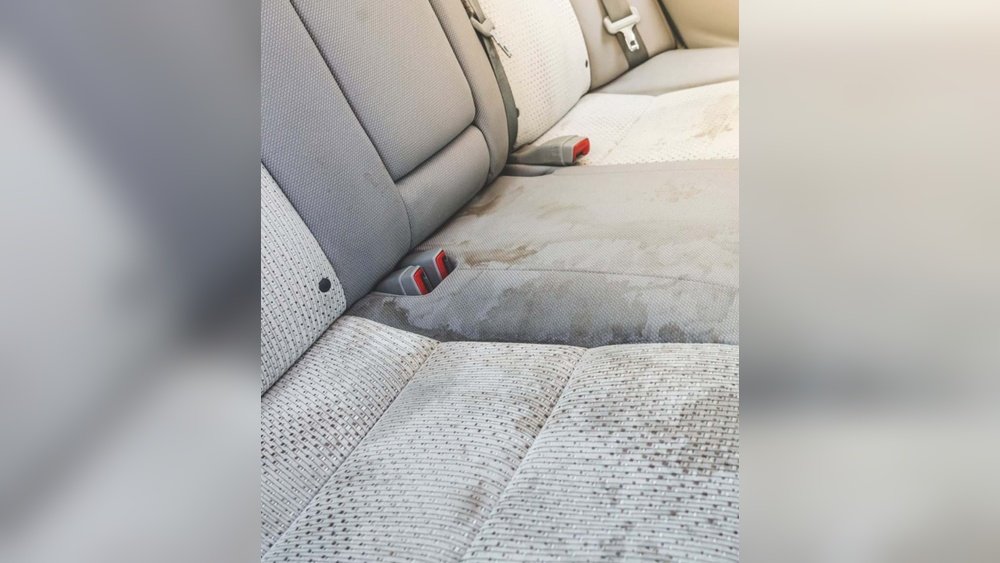
Does your car have a musty smell that just won’t go away? That damp, stale odor can make every drive uncomfortable and even affect your mood.
You might not realize it, but that smell is often a sign of hidden moisture, mold, or mildew lurking inside your vehicle. The good news? You don’t have to live with it. You’ll discover simple, effective steps to find the source of that smell and eliminate it for good.
Whether it’s your carpets, air vents, or upholstery, we’ll guide you through easy ways to freshen up your car and enjoy a clean, inviting ride every time you get behind the wheel. Keep reading to say goodbye to that musty smell once and for all!

Credit: www.autonationmobileservice.com
Sources Of Musty Smell
A musty smell in a car often signals hidden moisture problems. These odors usually come from damp areas that allow mold and mildew to grow. Identifying the source helps fix the smell fast. Several common issues inside a car lead to this unpleasant scent.
Water Leaks And Damp Spots
Water leaks can come from door seals, windows, or sunroofs. Rainwater or car washes may soak into the carpet or upholstery. Damp spots often hide under floor mats and seats. These wet areas create the perfect environment for musty odors to develop.
Mold And Mildew Growth
Mold and mildew thrive in moist, dark places inside the car. They grow on fabric, carpet, and even the dashboard. Spores spread quickly and cause that strong, musty smell. Mold can also harm your health if left untreated.
Clogged Ac Drainage
The air conditioning system can trap moisture if its drainage is blocked. Water collects inside the AC unit and evaporator. This standing water causes mold growth and a foul odor. Regular AC drain cleaning prevents this common source of musty smells.
Dirty Cabin Air Filter
A dirty cabin air filter traps dust, pollen, and moisture. Over time, this creates a breeding ground for bacteria and mold. The filtered air then carries the bad smell into the car’s interior. Changing the cabin air filter improves air quality and freshness.
Credit: www.youtube.com
Detecting Moisture Issues
Detecting moisture inside your car is the first step to stop a musty smell. Moisture hides in many spots that are easy to miss. It can cause mold and mildew, which create unpleasant odors. Finding wet or damp areas helps you treat the problem early. Check these common places for signs of moisture.
Inspecting Carpets And Upholstery
Lift the edges of the carpets to check for dampness. Feel for any wet or soft spots underfoot. Upholstery can also trap moisture deep inside. Press on the seats to see if they feel cold or damp. A musty smell often starts here from water damage or spills.
Checking Under Floor Mats
Remove floor mats and look underneath carefully. Water can gather here after rain or snow. If you see puddles or wet patches, dry them immediately. Let fresh air reach this area to prevent mold growth. A wet smell under mats is a clear sign of moisture issues.
Examining Trunk And Seat Cushions
Open the trunk and check the lining for damp spots. Trunks can collect water from leaks or spills. Feel the seat cushions by pressing or lifting them slightly. Moisture trapped inside cushions leads to musty odors. Dry these areas with a towel or air dryer.
Spotting Water Stains And Discoloration
Look closely for water stains on fabric and carpet. Discoloration often appears as light brown or off-white marks. These stains show where water has soaked in. Check the headliner for stains too. Water marks here may mean a leaky sunroof or window seal.
Drying Out The Interior
Removing a musty smell from a car starts with drying out the interior. Moisture trapped inside creates the perfect environment for mold and mildew. Thoroughly drying every surface is essential to stop the odor from returning. Focus on seats, carpets, and floor mats. Use tools and natural airflow to speed up the drying process.
Using Wet/dry Vacuum
A wet/dry vacuum helps remove water from carpets and seats. Use it to suck up any dampness hidden deep inside. It works better than regular vacuums for wet spots. Move the nozzle slowly to cover all areas. Repeat the process until the vacuum picks up no more water. This step cuts down drying time and fights odor.
Air Drying With Open Windows
Open all doors and windows to let fresh air circulate inside the car. Airflow helps evaporate moisture from soft surfaces. Park in a safe, breezy place for several hours. Leave windows slightly open if rain is not expected. Avoid closing the car too soon; trapped air slows drying. This natural method complements other drying techniques well.
Parking In Sunlight
Sunlight is a powerful ally against dampness. Park your car in direct sunlight to warm the interior. Heat speeds evaporation and dries out fabrics quickly. Keep windows cracked to allow moisture to escape. Sunlight also helps kill some mold spores naturally. Do this for a few hours to reduce musty odors effectively.
Cleaning Methods
Cleaning your car interior is key to removing musty smells. Dirt, moisture, and mold cause unpleasant odors. Using the right cleaning methods helps freshen your car and prevents bad smells from returning. Here are some simple and effective ways to clean your car and fight mustiness.
Shampooing Carpets And Mats
Carpets and mats trap dirt and moisture that cause musty odors. Use a carpet shampoo designed for cars to deep clean them. Apply the shampoo and scrub gently with a brush. Let it sit for a few minutes. Then, wipe or vacuum the foam and dirt away. Allow carpets and mats to dry completely in the sun or with a fan before placing them back inside.
Enzyme Cleaner For Mold And Mildew
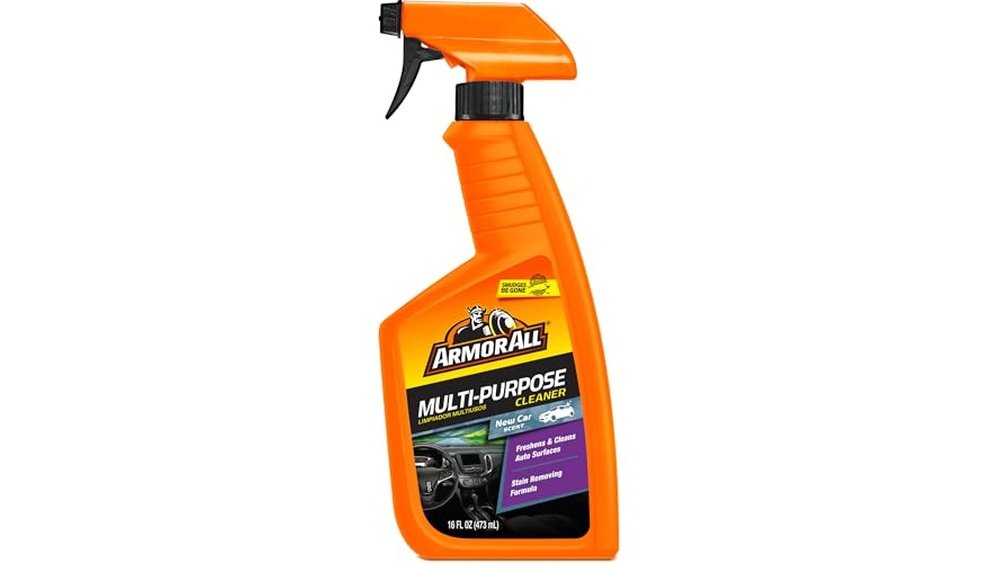
Mold and mildew create strong, musty smells. Enzyme cleaners break down mold spores naturally. Spray the cleaner on affected areas like seats, carpets, and air vents. Let it work for the time stated on the product label. Wipe the area clean with a damp cloth. These cleaners help stop mold from growing again by removing its food source.
Vinegar And Water Solution
White vinegar is a natural deodorizer and mold killer. Mix equal parts of white vinegar and water in a spray bottle. Spray the solution lightly on carpets and upholstery. Avoid soaking the fabric. Let it air dry with windows open. The vinegar smell fades quickly and leaves a fresh scent behind. This method is safe and affordable.
Baking Soda For Odor Neutralization
Baking soda absorbs odors effectively. Sprinkle a generous layer of baking soda over carpets, mats, and seats. Leave it for several hours or overnight. Vacuum the baking soda thoroughly after. This simple step removes trapped smells and refreshes your car interior. Baking soda is gentle and non-toxic, making it great for regular use.
Freshening The Air System
Freshening the air system in your car is key to removing musty odors. The smell often comes from mold, mildew, or trapped moisture inside the vents. Cleaning and maintaining the air system helps keep the air fresh and healthy. This section explains simple ways to refresh your car’s air system for a clean, odor-free ride.
Replacing Cabin Air Filter
The cabin air filter traps dust, pollen, and other particles from outside air. Over time, it becomes clogged and can cause bad smells. Replacing the filter regularly improves air quality inside the car. Find the filter location in your vehicle’s manual. Swapping it out takes only a few minutes but makes a big difference in freshness.
Disinfecting Ac Intake Vents
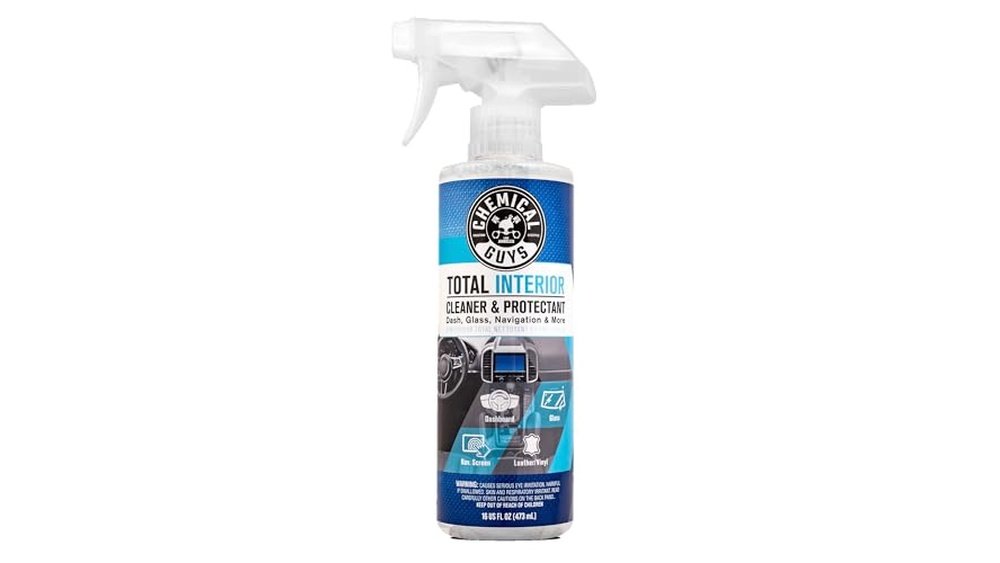
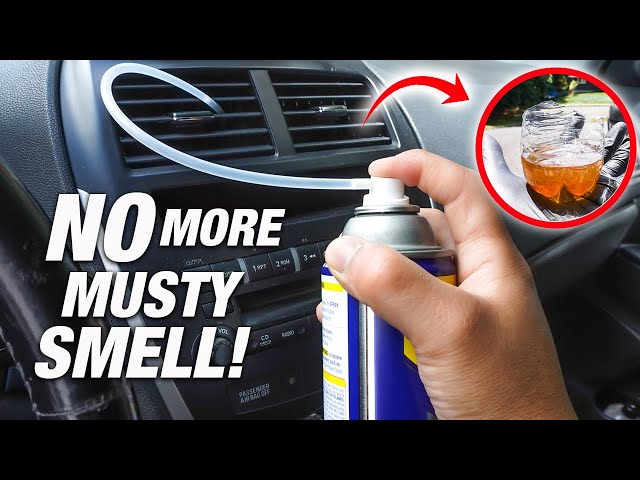
AC intake vents collect dirt and moisture, creating a perfect place for mold. Use a disinfectant spray designed for cars to clean these vents. Spray inside the vents and run the AC on high for several minutes. This kills mold spores and bacteria. Clean vents help stop musty smells from spreading through the air system.
Using Ozone Generators
Ozone generators remove odors by breaking down odor molecules. Place the generator inside the car with windows closed. Run it for a few hours to kill mold, mildew, and bacteria. Ozone safely cleans the air system and interior surfaces. Use this method occasionally for deep odor removal and a fresh-smelling car.
Heavy-duty Odor Removal
Heavy-duty odor removal tackles deep, stubborn smells inside your car. Musty odors often come from trapped moisture or mold in upholstery and carpets. Removing these odors requires more than a simple air freshener or surface clean. A thorough, professional approach targets the source and restores freshness.
Steam Cleaning Upholstery
Steam cleaning uses hot water vapor to clean fabric and kill odor-causing bacteria. It penetrates deep into seats and carpets to remove dirt, mold, and mildew. This method is effective for heavy, musty smells that linger in fabric fibers. Steam cleaning also helps dry out moisture, preventing further mold growth. The process is safe for most upholstery and leaves your car smelling fresh and clean.
Professional Detailing Options
Professional detailers offer specialized treatments for tough odors. They inspect your car to find hidden moisture or mold sources. Detailers use ozone machines or enzyme cleaners to neutralize odors at the molecular level. These treatments break down odor particles instead of just masking them. Professional detailing often includes deep cleaning of carpets, vents, and upholstery. This service ensures a long-lasting, fresh-smelling interior after heavy-duty odor removal.
Preventing Future Musty Smells
Preventing musty smells in your car keeps the interior fresh and comfortable. Moisture and dirt cause these odors. Stopping them early saves time and effort. Follow simple steps to keep your car smelling clean all year round.
Regular Interior Cleaning
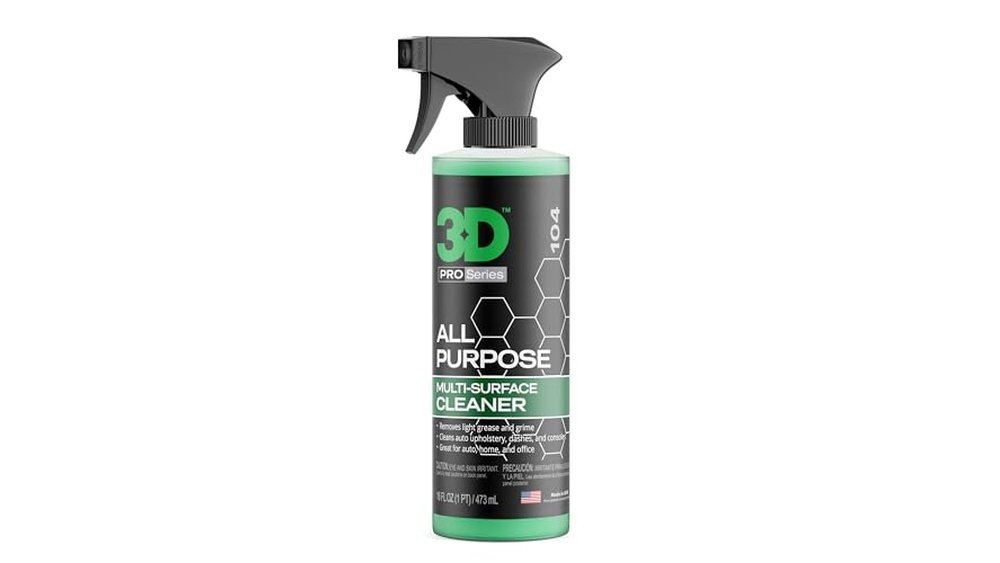
Clean your car’s interior often to stop musty smells. Vacuum seats and carpets to remove dirt and dust. Wipe surfaces with a damp cloth and mild cleaner. Avoid leaving wet items inside the car. Dry the interior well after cleaning or rain.
Maintaining Door And Window Seals
Check door and window seals for damage or wear. Broken seals let water enter and cause dampness. Replace cracked or loose seals quickly. Keep seals clean by wiping them regularly. Proper seals protect your car from moisture buildup.
Clearing Sunroof Drains
Sunroof drains can get blocked and cause leaks. Clean these drains regularly using a soft wire or compressed air. Clear drains prevent water from pooling inside the car. Make sure water flows freely to avoid damp spots and odors.
Using Moisture Absorbers
Place moisture absorbers in your car to reduce humidity. Products like silica gel or charcoal bags work well. They soak up excess moisture and stop mold growth. Replace absorbers every few months for best results. This simple step helps keep your car dry and fresh.

Credit: www.turtlewax.com
Frequently Asked Questions
How Do I Get Rid Of A Musty Smell In My Car?
Dry all moisture inside the car and remove damp mats. Clean carpets and upholstery with an enzyme or vinegar solution. Spray disinfectant into AC vents while running the fan. Use an ozone generator for stubborn odors. Air out the car by parking in sunlight with windows open.
Why Does My Car Smell Like Mildew Inside?
Your car smells like mildew due to trapped moisture from leaks, spills, or damp carpets. Mold and mildew grow in these wet areas, causing the odor.
How Do I Find Where Moisture Is Getting In My Car?
Check upholstery, carpets, and headliner for discoloration or damp spots. Inspect door seals, sunroof, and windows for leaks. Look under mats and in the trunk for moisture. Use a flashlight to spot water stains or mold growth inside your car.
What Kills Mold Spores In A Car?
Use a mixture of white vinegar and hot water or baking soda to kill mold spores in a car. Test bleach solutions on fabric first.
Conclusion
A musty smell in your car can make drives unpleasant. Act quickly to find and fix moisture sources. Clean carpets, seats, and floor mats thoroughly. Use simple solutions like vinegar or enzyme cleaners for best results. Keep windows open when possible to air out the vehicle.
Regular cleaning helps prevent mold and mildew buildup. A fresh-smelling car improves comfort and mood on every trip. Stay proactive to enjoy a clean, odor-free ride.