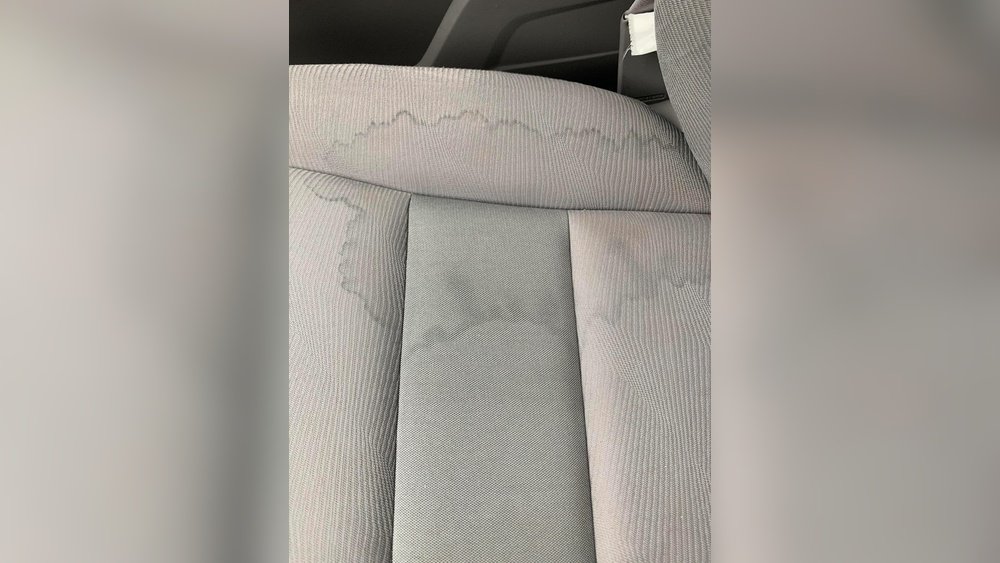
Water stains on your car seats can be frustrating and embarrassing. Whether it’s from a spilled drink, rainwater, or a leaky window, those marks can make your car’s interior look worn and neglected.
But you don’t have to live with those stubborn stains any longer. In this guide, you’ll learn simple, effective ways to get water stains out of your car seats—no matter the material. Ready to restore your car’s fresh, clean look?
Keep reading and discover easy steps you can take today to make your seats look like new again.

Credit: www.familyhandyman.com
Types Of Car Seat Materials
Car seats come in different materials. Each type needs special care to remove water stains. Knowing the seat material helps choose the right cleaning method. This section explains the common car seat materials and how they react to water stains.
Cloth Seats
Cloth seats are soft and breathable. They absorb water quickly, making stains easier to form. Cleaning requires gentle scrubbing with mild soap and water. Avoid soaking the fabric to prevent mold growth. Blot the stain gently with a damp cloth for best results.
Leather Seats
Leather seats are smooth and stylish. Water stains can leave dark spots or rings. Use a leather cleaner or a mix of water and vinegar to clean. Apply with a soft cloth and avoid harsh scrubbing. After cleaning, condition the leather to keep it soft and prevent cracking.
Vinyl And Synthetic Seats
Vinyl and synthetic seats feel firm and easy to wipe. Water stains usually sit on the surface. Clean with a mild soap solution and a soft cloth. Avoid abrasive brushes that can damage the material. Dry the seat quickly to stop water marks from forming again.
Causes Of Water Stains On Seats
Water stains on car seats can spoil the look of your vehicle’s interior. These stains often appear as dull or discolored patches. Understanding what causes water stains helps prevent and treat them effectively. Various factors contribute to these marks, ranging from the type of water to environmental conditions.
Hard Water Minerals
Hard water contains minerals like calcium and magnesium. When water from hard sources dries on seats, it leaves behind mineral deposits. These deposits create visible white or cloudy stains. Over time, minerals build up and make stains harder to remove. Using soft water or filtered water can reduce these stains.
Spilled Liquids And Rain
Spills from drinks or rainwater often cause water stains. Drinks can contain sugars and additives that stick to fabric or leather. Rainwater carries dirt and pollutants from the air. When these liquids dry on seats, they leave marks that look like water stains. Cleaning spills quickly helps avoid permanent damage.
Moisture And Humidity Effects
High humidity and trapped moisture can cause water stains. Moisture seeps into seat materials and dries unevenly. This leads to patchy discoloration or water rings. Poor ventilation inside the car worsens the problem. Keeping the interior dry and aired out helps prevent moisture stains.
Basic Cleaning Supplies Needed
To effectively remove water stains from car seats, having the right cleaning supplies is essential. Basic tools help you clean gently and avoid damage. Proper supplies make the process easier and more efficient. Gather these items before you start to ensure the best results.
Microfiber Cloths
Microfiber cloths are soft and absorbent. They remove stains without scratching seat fabric. Use clean cloths to blot the stain gently. Avoid rubbing hard, which can spread the stain. Multiple cloths help when one gets too wet or dirty.
Cleaning Solutions
A mild cleaning solution works best on water stains. Mix warm water with a few drops of dish soap. White vinegar diluted with water also cleans well and reduces odor. Avoid harsh chemicals that can damage seat material. Test the solution on a hidden area first.
Brushes And Vacuums
A soft-bristle brush loosens dirt and grime from fabric seats. Use gentle strokes to avoid fraying fibers. A handheld vacuum removes loose debris before cleaning. Vacuum again after cleaning to pick up moisture and dirt. These tools keep seats fresh and stain-free.
Diy Solutions For Cloth Seats
Water stains on cloth car seats can be frustrating. They make your car look dirty and worn. You do not need expensive cleaners or special tools. Simple household items can help remove those stains quickly. Here are some easy DIY solutions for cloth seats.
Vinegar And Water Mix
Mix equal parts of white vinegar and water in a spray bottle. Lightly spray the stained area without soaking the fabric. Use a clean cloth to gently blot the spot. Vinegar helps break down mineral deposits causing the stains. Let the seat air dry after blotting. Repeat if the stain remains visible.
Dish Soap Solution
Combine a few drops of mild dish soap with warm water. Dip a microfiber cloth in the solution and wring it out well. Gently rub the stained area in a circular motion. Dish soap lifts dirt and helps remove water marks. Use a clean, damp cloth to wipe away soap residue. Allow the seat to dry completely.
Using Fabric Cleaners
Choose a fabric cleaner made for car upholstery. Follow the product instructions carefully. Spray or apply the cleaner on the water stain. Use a soft brush or cloth to work the cleaner into the fabric. Wipe off excess moisture with a dry cloth. Let the seat dry naturally to avoid new stains.
Removing Water Stains From Leather
Water stains on leather car seats can spoil the look of your vehicle’s interior. These marks appear when water droplets sit on the leather and dry, leaving behind mineral deposits. Removing these stains needs care to protect the leather’s natural texture and color. Use the right products and techniques to clean your leather seats safely and effectively.
Leather Cleaners And Conditioners
Choose a leather cleaner made for automotive seats. These cleaners lift dirt and stains without harming leather. Apply a small amount on a soft cloth and gently wipe the stained area. Avoid using household cleaners that contain harsh chemicals. After cleaning, use a leather conditioner to keep the leather soft and prevent cracking. Conditioners restore moisture and protect the surface from future stains.
Gentle Scrubbing Techniques
Use a soft-bristled brush or microfiber cloth for scrubbing. Lightly scrub the water stain in a circular motion. Do not press too hard, as this can damage the leather. Repeat scrubbing with cleaner until the stain fades. Wipe off any excess cleaner with a damp cloth. Let the leather air dry naturally, away from direct sunlight or heat.
Avoiding Leather Damage
Never use abrasive tools or strong chemicals on leather seats. Avoid soaking the leather with water, which can cause more stains or damage. Test any cleaner on a hidden spot before full use. Keep leather seats away from sharp objects that can scratch. Regular cleaning and conditioning help maintain leather’s appearance and durability.

Credit: www.youtube.com
Advanced Techniques For Stubborn Stains
Stubborn water stains on car seats need more than basic cleaning. Advanced methods can reach deep into fabric or leather fibers. These techniques lift tough marks and restore seats effectively. Using the right tools and products improves results without damage. Try these advanced approaches to remove persistent water stains.
Steam Cleaning
Steam cleaning uses hot vapor to loosen dirt and stains. The heat breaks down water marks and kills bacteria. It works well on cloth and synthetic seats. Move the steam cleaner slowly over the stained area. Avoid soaking the seat with too much moisture. Let the seat dry completely after cleaning to prevent mold.
Wet/dry Vacuum Extraction
This method combines water cleaning and suction power. Spray a cleaning solution lightly on the stain first. Then use a wet/dry vacuum to extract the liquid and dirt. This pulls out water stains deep inside the fabric. It helps to dry the seat faster than air drying alone. Repeat the process if the stain remains visible.
Professional Upholstery Products
Special upholstery cleaners target stubborn water stains effectively. Choose a product made for your seat material, like leather or fabric. Apply the cleaner according to the instructions carefully. Use a soft brush to work the product into the stain gently. Wipe away residue with a clean cloth. These products often contain ingredients to protect seats from future stains.
Preventing Future Water Stains
Preventing future water stains on car seats saves time and effort. Taking simple steps keeps seats looking clean and fresh. Protecting your seats helps maintain your car’s value and comfort. Regular care avoids stubborn stains and damage.
Using Distilled Water For Cleaning
Tap water can leave mineral deposits on fabric seats. These minerals cause water stains to reappear quickly. Use distilled water instead. It has no minerals and cleans without residue. Always dampen cloths with distilled water for seat cleaning. This simple change reduces the chance of new stains forming.
Applying Fabric Protectors
Fabric protectors create a barrier on seat material. They repel water and prevent stains from soaking in. Spray a fabric protector evenly over clean, dry seats. Let it dry completely before use. Reapply every few months for best results. Protectors make cleaning easier and keep seats looking new longer.
Regular Seat Maintenance
Clean car seats regularly to prevent buildup of dirt and moisture. Vacuum seats weekly to remove dust and crumbs. Wipe spills immediately with a dry cloth to avoid stains. Use gentle cleaners suited for your seat fabric. Consistent care stops water stains and keeps seats fresh and tidy.
Tips For Best Results
Getting rid of water stains on car seats requires careful attention. Using the right techniques improves your cleaning results. Follow these tips to protect your seat fabric and keep it looking fresh.
Small mistakes can spread stains or damage the seat material. These guidelines help avoid common problems and restore your car seat’s appearance.
Blotting Vs. Rubbing
Always blot water stains gently with a clean cloth. Blotting lifts moisture without spreading the stain. Avoid rubbing, as this pushes the stain deeper into the fabric. Use light, pressing motions from the outside toward the center. This prevents the stain from growing larger.
Treating Entire Seat Panels
Clean the entire seat panel, not just the stained spot. This keeps the color and texture consistent. Apply your cleaning solution evenly over the panel. Treating a larger area avoids noticeable patches or rings on the seat. Work in small sections for best control.
Drying Methods To Avoid Rings
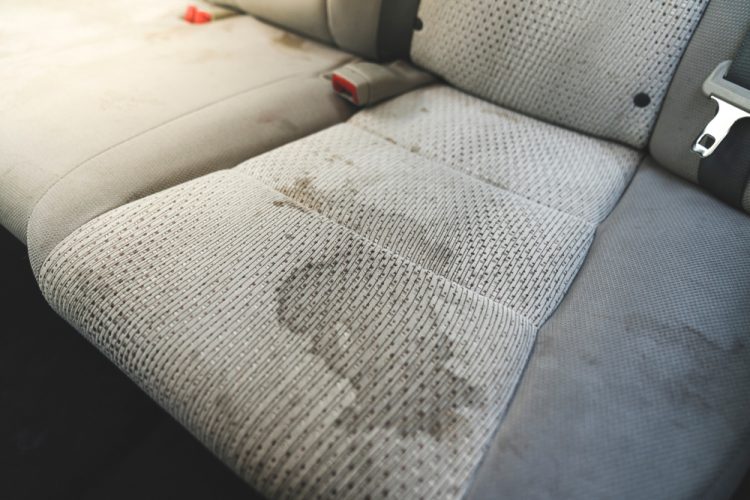
Let the seat air dry naturally after cleaning. Avoid direct sunlight or heat sources that cause uneven drying. Use a fan for gentle airflow if needed. Do not use hair dryers or heaters, as they create water rings. Proper drying keeps the fabric smooth and stain-free.
Credit: www.freeway.com
Frequently Asked Questions
How Do You Get Water Stains Out Of Cloth Car Seats?
Mix equal parts water and white vinegar in a spray bottle. Spray the stain, scrub gently with a soft brush, then blot dry with a microfiber cloth. Treat the entire seat to prevent rings. Use a wet/dry vacuum to remove excess moisture for best results.
How To Get Rid Of Water Damage On Car Seats?
Spray a mix of equal parts water and white vinegar on the stain. Gently scrub with a soft brush. Blot dry with a microfiber towel. Use a wet/dry vacuum to remove excess moisture. For leather seats, apply a leather cleaner and conditioner to prevent damage.
How Do You Get Dried Water Stains Out Of Upholstery?
Mix equal parts water and white vinegar. Spray the stain, scrub gently with a soft brush, then blot dry with a microfiber cloth. Repeat if needed. Use a wet/dry vacuum to remove excess moisture and avoid new water rings.
How To Get Rid Of Dried Water Marks On Car?
Spray a mixture of equal parts white vinegar and distilled water on dried water marks. Gently scrub with a soft brush, then blot dry using a microfiber towel. For leather seats, use a leather cleaner followed by conditioner. Treat the entire area to avoid new stains.
Conclusion
Water stains on car seats do not have to be permanent. Use simple solutions like vinegar and water to clean gently. Always blot the stain from the outside in to avoid spreading. Dry the seat thoroughly to prevent new marks.
Regular care keeps seats looking fresh and clean. A little patience and the right steps make a big difference. Your car’s interior will feel more comfortable and look better again. Keep these tips handy for any future spills or stains.
Clean seats add value and comfort to your ride.